
- Fragile labels (Fragile Labels): Once stuck, they cannot be removed completely and will break if forcibly lifted.
- Mold/anti-tamper labels (Void/Tamper-evident Labels): After being lifted, they leave “VOID” or specific patterns on the packaging and the label, which cannot be restored.
- Laser holographic labels (Hologram Labels): Utilizing optical anti-counterfeiting technology, they have a high technical threshold and are difficult to replicate.
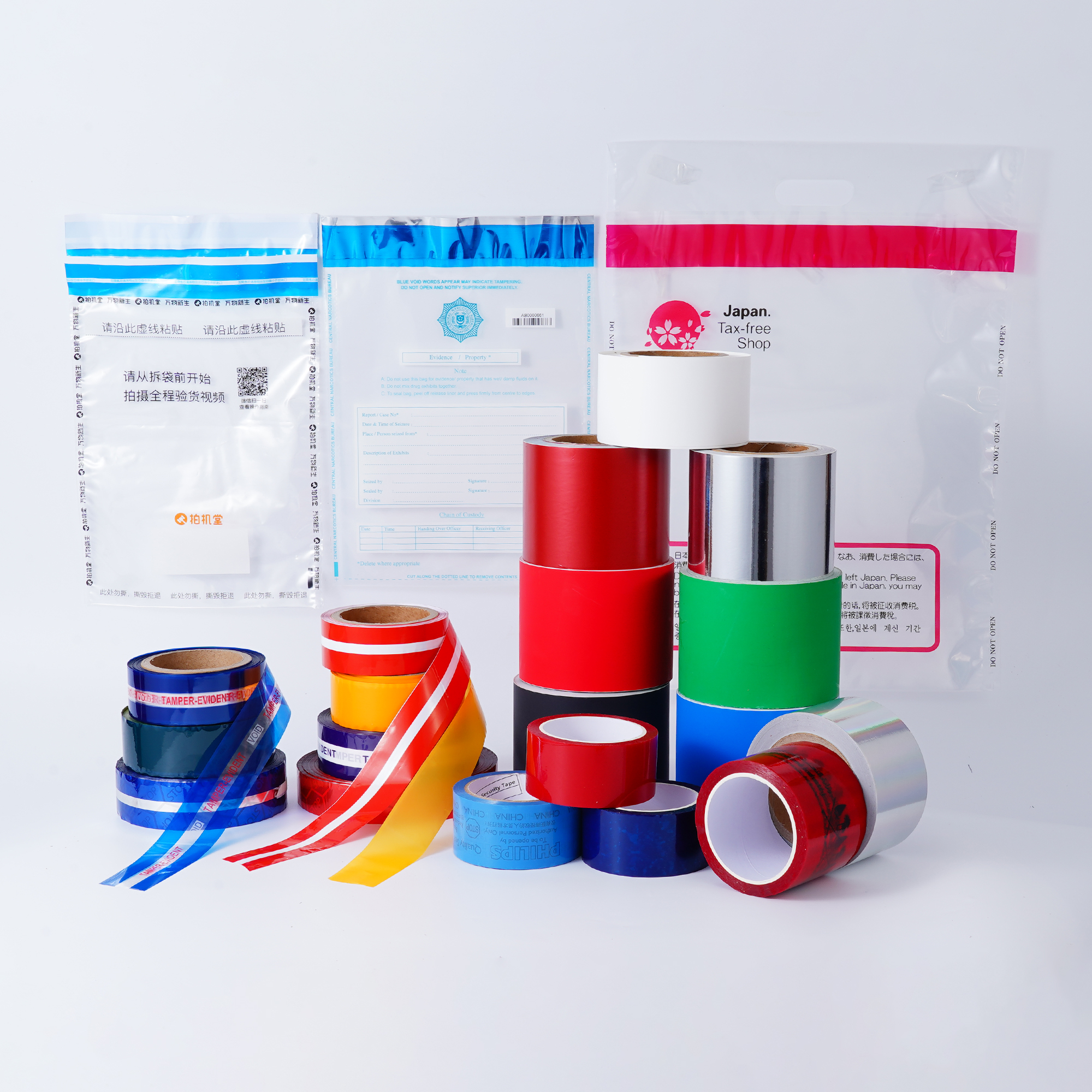
Anti-tamper seals and seals (Tamper-evident Seals):
- Anti-tamper sealing stickers: Used for bottle caps and box caps, they have the characteristic of “damage upon removal” to ensure that they have not been opened.
Digital anti-counterfeiting (Digital Anti-counterfeiting):
- One item, one code (QR Code/Data Matrix): Through the unique digital code of each product for logistics tracking and barcode verification.
- RFID/NFC chip labels: Embedded electronic labels that can achieve non-contact rapid traceability and identity verification.
Material anti-counterfeiting (Material Anti-counterfeiting):
- Special composite materials: Using special colors, fibers, fluorescence or temperature-changing components in paper and plastic films.
- Vacuum-coated aluminum paper/composite paper: Improving the physical protection and design anti-counterfeiting level of the packaging.
Applications and purposes
Anti-counterfeiting packaging mainly protects medicines, electronic products, luxury goods and food, connecting the brand with consumers, converting the packaging into a digital touchpoint, effectively solving the problems of counterfeit products and incorrect placement of goods in the supply chain.
Media Contact
Company Name: BAIJIA New Material (Dongguan)Co., Ltd.
Email: Send Email
Country: China
Website: https://www.baijiasecurity.com/