
The 924612.0001 Kalmar lifting cylinder, a core component of Kalmar port machinery and material handling equipment, is widely used in port terminals, container yards, and large logistics parks. It plays a crucial driving role in the lifting and lowering of equipment, directly determining its operational stability and efficiency. Due to prolonged operation under harsh conditions of high load, dust, and high humidity, coupled with improper operation and lack of regular maintenance, the 924612.0001 Kalmar lifting cylinder is prone to various malfunctions. These malfunctions not only affect the normal operation of the equipment but may also increase downtime costs and safety hazards.
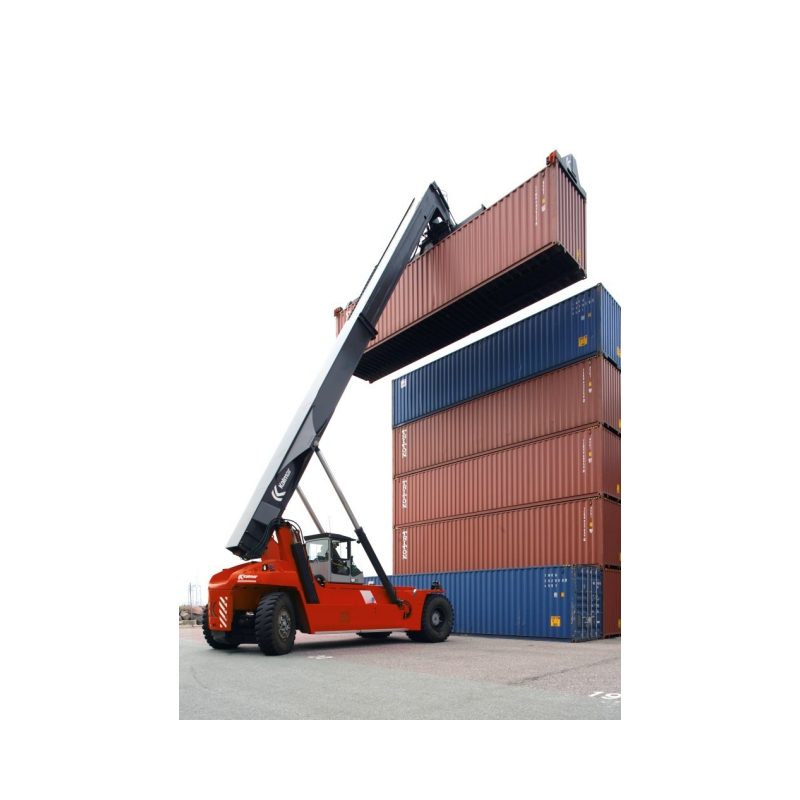
This article provides a detailed overview of four common faults, their root causes, and professional repair recommendations for this model of lifting cylinder. It aims to help relevant companies quickly troubleshoot, scientifically maintain equipment, extend cylinder lifespan, and reduce maintenance costs. It also offers practical reference for the procurement and repair of the 924612.0001 Kalmar lifting cylinder.
Fault: Slow or weak lifting/lowering movement.
Common causes: a. Insufficient or contaminated hydraulic oil, leading to decreased hydraulic transmission efficiency; b. Aging or wear of cylinder seals, resulting in hydraulic oil leakage and unstable pressure maintenance; c. Impurities clogging the cylinder, hindering piston movement; d. Improper hydraulic system pressure regulation, failing to reach the equipment’s standard operating pressure.
Maintenance Recommendations: a. Check the hydraulic oil level, replenish with hydraulic oil conforming to Kalmar’s original specifications, and replace the hydraulic oil filter element to clean impurities from the hydraulic system; b. Disassemble the 924612.0001 lifting cylinder and check the wear of the seals. If aging or damage is found, replace the original seals promptly (it is recommended to use Kalmar original matching seals to avoid secondary leakage due to improper compatibility); c. Use a special cleaning agent to flush the inside of the cylinder to remove impurities and rust, ensuring smooth piston movement; d. Adjust the hydraulic system pressure to meet the equipment’s operating requirements to avoid damage to the cylinder from excessively high or low pressure.
Fault: Hydraulic oil leakage
Common causes: a. Aging or damage to seals. This is the most common cause. After long-term use, the elasticity of the seals decreases, and they can no longer perform their sealing function; b. Scratches or deformation on the cylinder or piston lead to excessive sealing gaps; c. Loose cylinder interface bolts result in poor seal fit; d. Incompatible hydraulic oil type or viscosity leads to accelerated aging of seals.
Maintenance Recommendations: a. Prioritize checking the seals and replace them with original, compatible seals. Ensure the sealing surface is clean and free of impurities during installation to avoid improper installation leading to seal failure; b. Inspect the cylinder body and piston surface. If there are scratches or deformations, minor scratches can be polished for repair. Severe deformation requires replacement with the original 924612.0001 lifting cylinder to avoid further equipment failure due to forced use; c. Tighten the cylinder interface bolts to ensure even tension and a tight fit; d. Replace with hydraulic oil that meets Kalmar’s original requirements. Never use inferior or incompatible hydraulic oil.
Fault: Abnormal noise or vibration in the cylinder
Common causes: a. Insufficient oil inside the cylinder, resulting in excessive friction between the piston and the cylinder wall, causing abnormal noise; b. Deformation of the piston or piston rod, causing collision with the cylinder during movement; c. Air in the hydraulic system, leading to unstable lifting and shaking; d. Loose cylinder mounting bracket, causing resonance noise during operation.
Maintenance suggestions: a. Add an appropriate amount of grease to the cylinder to reduce friction between the piston and the cylinder wall. Simultaneously check the hydraulic oil supply to ensure it is sufficient. b. Check the piston and piston rod for deformation. If deformation is found, replace with original parts immediately to avoid damaging the cylinder body. c. Bleed the air from the hydraulic system. Start the equipment and run it unloaded, repeatedly raising and lowering it several times to remove any residual air. d. Check the cylinder mounting bracket, tighten any loose bolts, and adjust the bracket position to prevent resonance during operation.
Fault: The cylinder cannot rise or fall, or the rising or falling motion is stuck.
Common causes: a. Hydraulic system malfunction, the hydraulic pump cannot supply oil normally, resulting in no power source for the cylinder; b. Piston rod jamming, possibly due to excessive impurities inside the cylinder, piston deformation, or piston rod bending; c. Control valve malfunction, unable to properly control the inflow and outflow of hydraulic oil; d. Cylinder has not been maintained for a long time, resulting in severe internal corrosion.
Maintenance Recommendations: a. Check the hydraulic pump’s operating status. If the hydraulic pump is faulty, repair or replace it promptly to ensure normal oil supply to the hydraulic system; b. Disassemble the cylinder, clean internal impurities and rust, and check if the piston rod is bent or the piston is deformed. Replace the original 924612.0001 cylinder and its components if necessary; c. Check the control valves and clean any impurities inside. If the valves are faulty, replace them with original control valves to ensure smooth control; d. Establish a regular maintenance mechanism, regularly clean the cylinders, replace the hydraulic oil and seals, and avoid corrosion and jamming caused by long-term idleness or lack of maintenance.
To Summarize:
The Kalmar lifting cylinder (924612.0001) is a core, easily worn component of Kalmar equipment. Its failures are often related to factors such as hydraulic oil condition, seal wear, improper maintenance, and operating environment. In daily operation and maintenance, it is recommended that companies establish a comprehensive equipment maintenance system, regularly check the cylinder condition and hydraulic oil quality, promptly replace aging parts, and prioritize the use of genuine Kalmar parts to avoid secondary failures caused by incompatibility.
Media Contact
Company Name: China Construction Machinery Imp&Exp Co., Ltd.
Email: Send Email
Phone: 0086-516-66676818
Address:14F, Block 3, World Trade Square
City: Xuzhou
Country: China
Website: https://www.cm-sv.com/