
Cold storage in Southeast Asia faces a set of design challenges that simply don’t exist in temperate markets — and many project teams underestimate them until construction is underway or the facility is already operational. The region’s combination of high ambient temperatures, extreme humidity, heavy rainfall, and significant daily temperature swings creates an environment that tests every layer of a cold storage system simultaneously. Getting the design right from the start is significantly cheaper than correcting it later.
Here’s what climate conditions in Southeast Asia actually demand from a properly specified cold storage facility.
Heat, Humidity, and the Envelope Challenge
The building envelope carries the heaviest burden in a Southeast Asian cold storage project. When exterior temperatures sit consistently between 32°C and 38°C and relative humidity regularly exceeds 80%, the thermal and moisture loads on the panel system are far more aggressive than standard specifications account for.
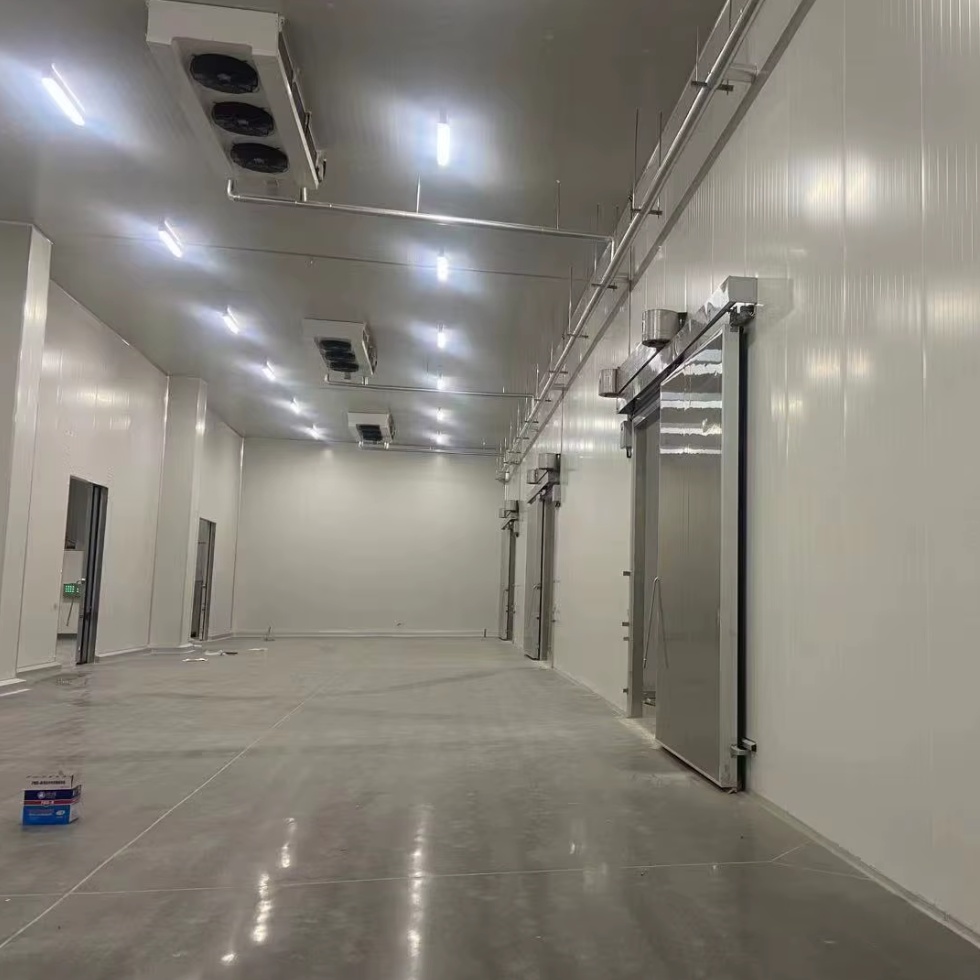
Vapor pressure is the first concern. The pressure differential between the warm, humid exterior and the cold interior drives moisture relentlessly toward the cold side of the wall assembly. Without a correctly positioned continuous vapor barrier on the warm face of the insulation, condensation accumulates inside the panel core over time. Furthermore, in tropical climates, any gap in that barrier — at panel joints, door frames, pipe penetrations, or cable entries — becomes a significant moisture entry point rather than a minor imperfection.
Panel facing specification also changes in this climate. Standard galvanized steel facings perform adequately in continental or dry climates. However, in coastal Southeast Asian environments, salt-laden humid air accelerates surface corrosion significantly. Consequently, cold storage facilities near ports or coastlines — which describes a large proportion of food and seafood processing projects in the region — require facings with enhanced corrosion-resistant coatings.
The steel building structure surrounding the cold storage envelope also needs to account for thermal expansion. Large daily temperature swings cause measurable movement in steel structure workshop frames, which transfers stress to panel joints if the connection design doesn’t accommodate that movement explicitly.
Refrigeration Load and Operational Efficiency
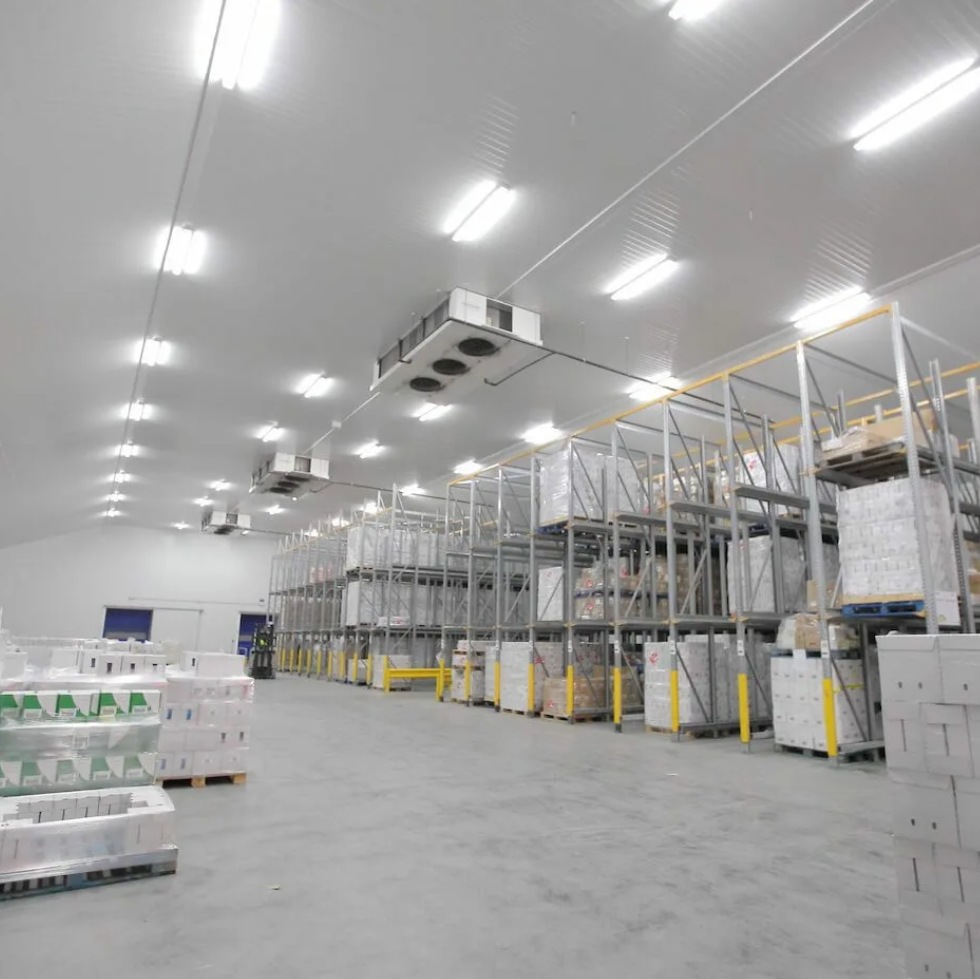
The refrigeration system in a Southeast Asian cold storage facility works significantly harder than an equivalent system in a cooler climate. Consequently, it costs more to run — and poor design choices during the project phase compound that cost every year of operation.
Compressor sizing is the first area where tropical conditions change the calculation. A refrigeration system sized for an ambient temperature of 25°C will underperform when the actual ambient consistently reaches 36°C. Therefore, equipment selection must use local climate data rather than standard design assumptions. Under-sized compressors run at maximum load continuously, fail earlier, and cost more in energy per unit of cooling delivered.
Condenser placement deserves specific attention. In hot, humid climates, condensers positioned on south-facing walls or in poorly ventilated enclosures lose efficiency rapidly. Locating condensers in shaded, well-ventilated positions — and designing the steel building layout to support that placement — meaningfully reduces operating costs over the facility’s life.
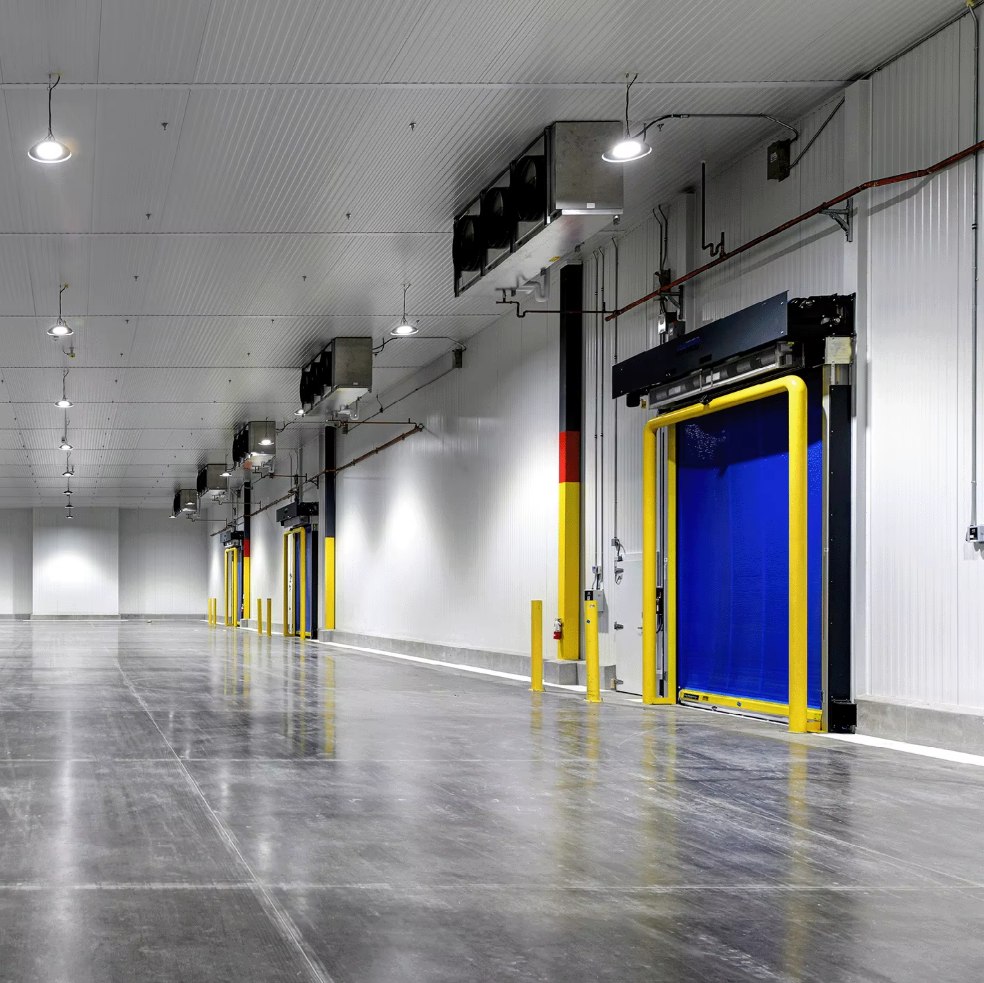
Insulation thickness requirements also increase in tropical climates. A panel specification that delivers adequate thermal performance in a temperate warehouse typically needs upgrading for a Southeast Asian cold storage environment to achieve the same energy efficiency outcome.
Finally, defrost cycle management requires specific attention. High humidity accelerates ice buildup on evaporator coils, meaning defrost cycles must run more frequently. Designing the refrigeration control system to manage this efficiently — rather than using default factory settings — reduces energy consumption and extends equipment life.
If your cold storage project is in Southeast Asia and these climate-specific design factors haven’t been addressed in your current specification, a technical review before fabrication begins is worth the time.
Media Contact
Company Name: Harbin Dongan Building Sheets Co., Ltd.
Email: Send Email
Country: China
Website: https://www.dongansheets.com/