
The global polymer materials industry is going through a noticeable shift this year, as more manufacturers turn to carbon fiber reinforced TPU and PVC composites to replace traditional plastics and even some metal parts. Ordinary TPU and PVC have their own obvious weaknesses. Standard TPU is soft and wear-resistant but lacks structural rigidity, and it easily deforms under heavy pressure. Regular PVC is cheap and easy to process, yet it is brittle, cannot withstand frequent friction, and performs poorly under high-load working conditions. Adding carbon fibers solves these problems perfectly, combining the advantages of two different materials and creating a new generation of engineering plastic pellets and sheets widely used in mass production.
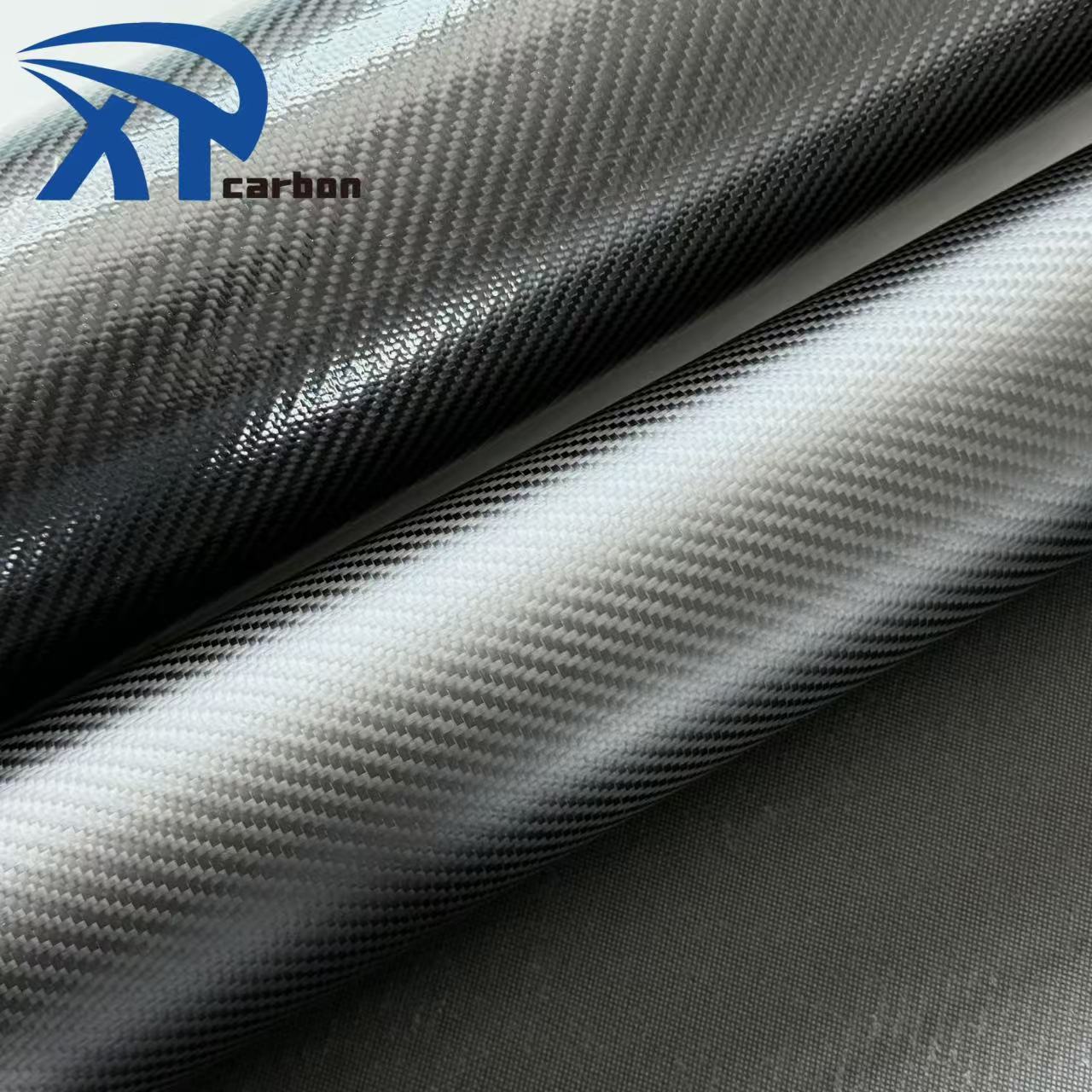
Carbon fiber modified TPU becomes the most popular material among all reinforced polymer products right now. Producers adjust the content of short and long carbon fibers inside TPU resin to balance flexibility and strength. Low carbon fiber loading keeps good elasticity of TPU, improves its wear resistance and dimensional stability, while higher fiber percentage greatly boosts bending strength and load-bearing capacity. Unlike pure plastic parts, carbon fiber TPU parts hardly shrink during injection molding or extrusion processing, which greatly reduces reject rates for precision components. This material keeps stable physical properties from minus 35 degrees to 135 degrees Celsius, resists oil, grease and most chemical liquids, so it becomes the first choice for hydraulic seals, conveyor rollers, mechanical arm joints and new energy vehicle battery cushion parts. Many automotive component factories have switched to this material in recent two years, cutting product weight by 25% to 35% compared with aluminum parts, and extending service life by three to five times under continuous friction conditions. Besides industrial use, it also enters 3D printing consumables, electronic accessories like data cable protectors and high-end sports equipment parts. Its balanced performance breaks the bottleneck that flexible materials cannot provide enough structural support.
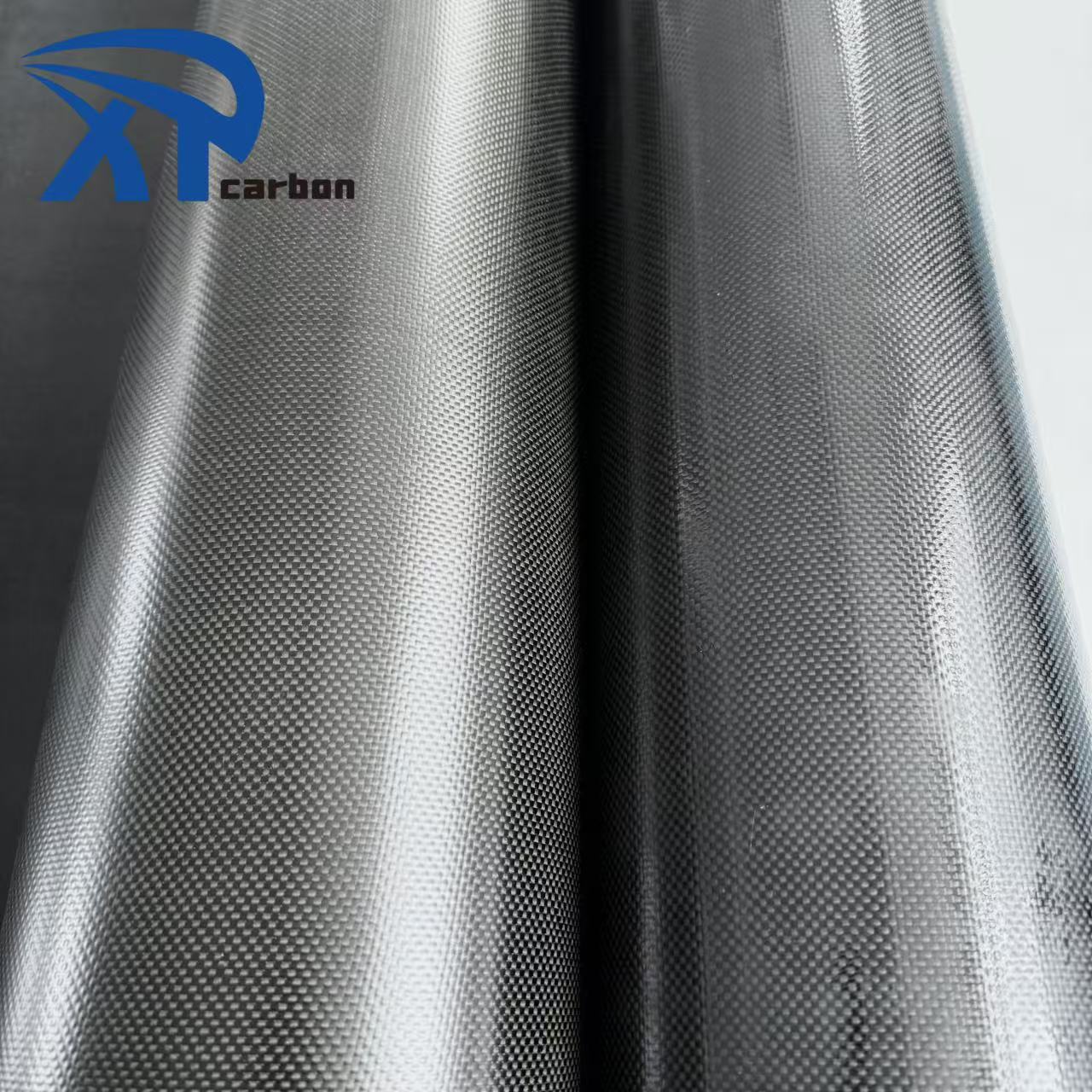
Carbon fiber PVC composites follow a different development path. PVC itself has low cost, good weather resistance and easy thermoforming features, so carbon fiber reinforced PVC mainly focuses on improving rigidity and anti-impact performance instead of pursuing extreme elasticity. Most products are made into sandwich panels and solid sheets: PVC foam acts as the core layer, covered with carbon fiber woven cloth on both surfaces. This structure makes the panels lightweight, high-strength and low-cost at the same time. Compared with pure PVC boards, carbon fiber PVC panels have smaller deformation under external force, better anti-cracking performance and higher surface flatness. They are widely applied in interior decoration panels, automotive interior trim, high-end audio housings and lightweight box materials. Different from carbon fiber TPU used for precision mechanical parts, carbon fiber PVC is more suitable for large-size flat structural parts, which can greatly lower overall production costs for manufacturers while meeting basic strength requirements. With the continuous optimization of fiber surface treatment technology, the bonding force between carbon fiber and PVC resin gets stronger, avoiding fiber separation and layering problems that troubled producers in earlier years.
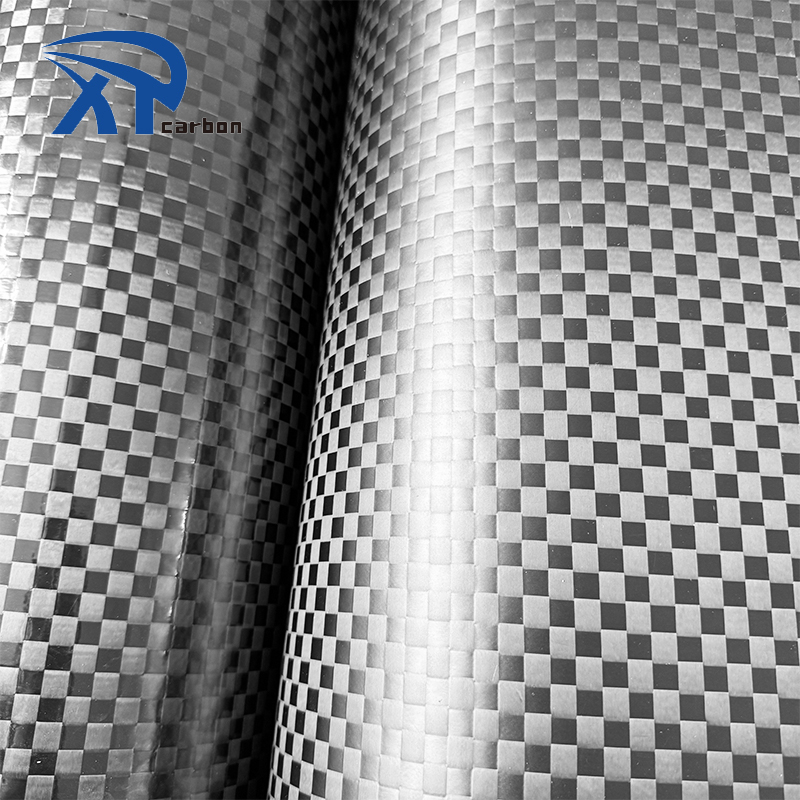
Market demand for both materials keeps growing steadily in 2026. The global carbon fiber reinforced TPU market maintains a steady growth rate, driven by lightweight demand from new energy vehicles and intelligent equipment manufacturing. As enterprises pay more attention to production cost control and product durability, they no longer choose expensive engineering plastics blindly. Carbon fiber TPU and PVC provide a cost-effective middle option: their production cost is much lower than PEEK and other high-end materials, but their performance far exceeds ordinary PVC and TPU. Many material factories also develop customized formulas for different industries. For machinery industry customers, they produce high wear-resistant carbon fiber TPU; for construction and decoration customers, they supply lightweight carbon fiber PVC boards with beautiful surface texture.
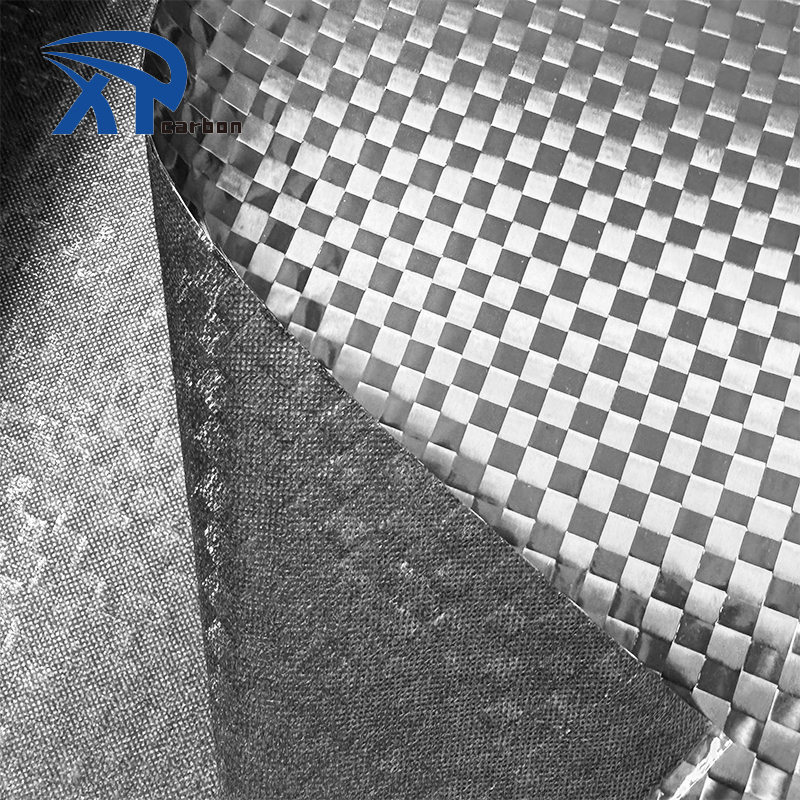
Looking ahead to the next few years, the research and development direction of these two materials will focus on two key points: cost reduction and environmental protection. On one hand, manufacturers optimize carbon fiber dispersion technology to cut down fiber usage without reducing material performance, so as to lower the final product price and expand its application in ordinary civilian products. On the other hand, biodegradable TPU and recycled PVC resin are used as base materials, mixed with recycled carbon fibers to make green composite materials, matching the low-carbon production requirements of global factories. Carbon fiber reinforced TPU and PVC are no longer niche high-performance materials. They have gradually become mainstream choices in polymer composite industry, changing the production standards of many manufacturing fields step by step.
Media Contact
Company Name: Yixing Starcarbon Composite Materials Co., Ltd.
Email: Send Email
Country: China
Website: https://www.starcarbonyx.com/