
Jinhua City, Zhejiang Provinc, China-September 17, 2026
Building Market-Ready Listing Asset Kits for Coffee and Spice Grinders: A B2B Content Package Guide for Amazon FBA Sellers and Brand Owners
Most B2B buyers think about sourcing in terms of units, prices, and lead times. The product arrives, the cartons clear customs, and the work of selling begins. For Amazon FBA sellers, brand owners, and distributors working with a China manufacturer like Jinhua Blossom Technology, that sequence leaves a costly gap: the time between receiving goods and having a listing that actually converts. A finished grinder in a warehouse is not a sellable SKU. A sellable SKU needs imagery, dimensions, lifestyle context, short video, and spec copy that a shopper trusts in the first three seconds.
This guide treats listing assets as a sourcing deliverable, not an afterthought. We walk through what a complete grinder asset kit contains, how to brief it to the factory, how to localize it across markets, and how to budget it against your first production order. The audience is practical: procurement managers building a private-label range, Amazon sellers scaling a coffee or spice category, and distributors who resell under their own brand.
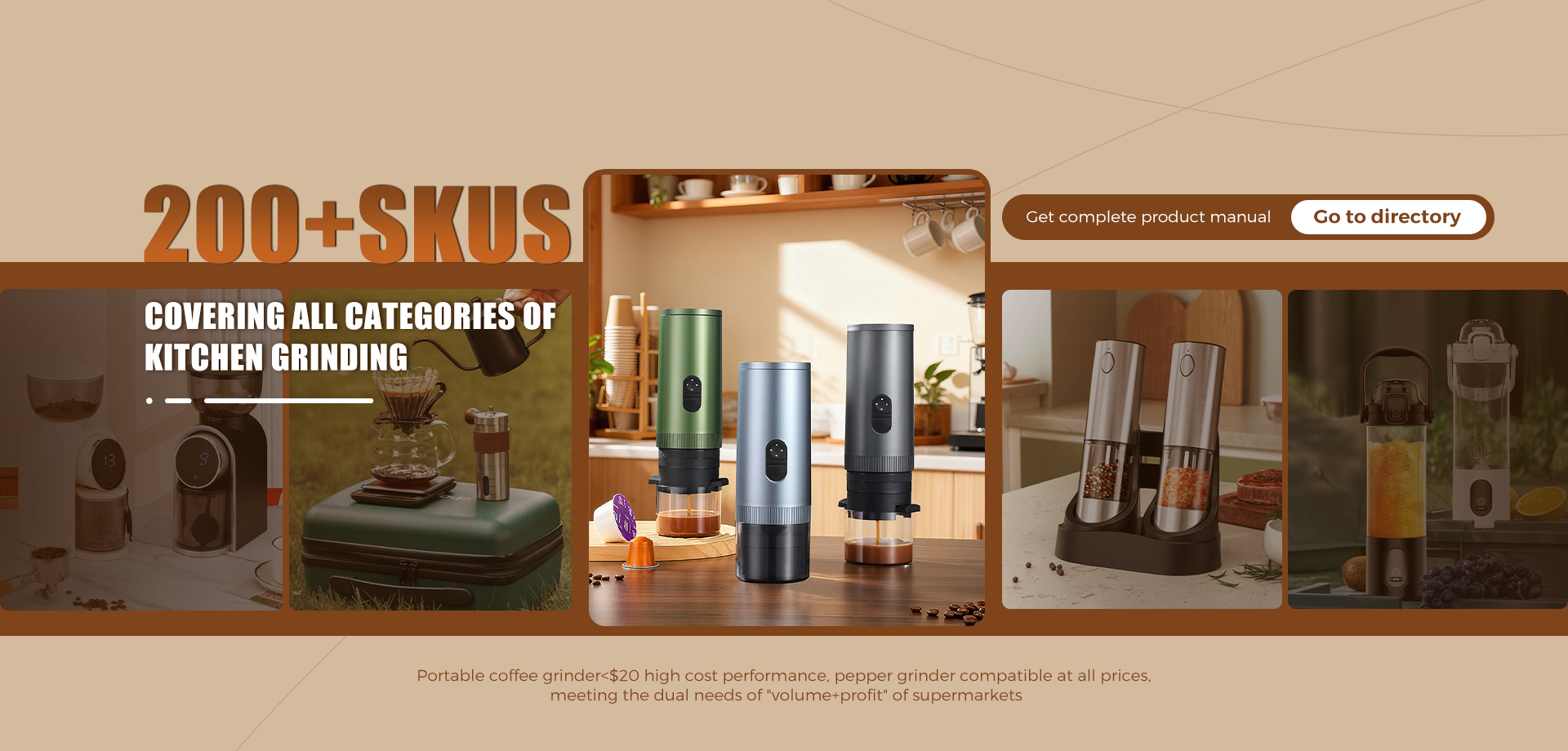 Why Listing Assets Deserve a Line in Your Sourcing Contract
When you negotiate a grinder order, the conversation usually centers on burr type, motor wattage, MOQ, and unit price. Those are the right questions, but they do not produce a live listing. The photos, dimension sheets, and video loops that make a product explainable online are produced by a different team, often weeks after tooling is locked. If you wait until the goods land at the FBA warehouse to request assets, you add four to eight weeks of dead inventory to your cash cycle.
Treating the asset kit as a contractual deliverable changes the timeline. You receive master files alongside the pre-shipment samples, not after the container sails. Your design agency or in-house team then localizes rather than originates, which cuts cost and removes a round of brand-guesswork. For new distributors, this single shift is often the difference between launching in Q4 and missing the window entirely.
What Belongs in a Complete Grinder Asset Kit
A coffee or spice grinder is a tactile product with moving parts, settings, and noise claims. Shoppers cannot feel it through a screen, so the asset kit must do the explaining. Below is the structure we recommend for a single SKU, scaled across a range.
Photography tier: studio and real-world use
Start with white-background hero shots at true 1:1 scale, shot on a consistent lightbox so the body color and burr chamber read accurately. These are the non-negotiable marketplace images. From the same shoot, request exploded and angled views that show the bean hopper, the grind adjustment ring, and the portafilter or container interface. Then move to lifestyle context photography: a hand operating the grinder over a French press, grounds falling onto a scale, the unit beside a milk frother on a kitchen counter. Context sells the routine, not just the object.
Dimension and specification sheets
Every listing needs a flat technical drawing with real measurements in both millimeters and inches, plus a weight line. Buyers comparing your grinder to a competitor’s will screenshot the spec table; if yours is vague, they move on. Request 300 DPI master files so the same artwork prints on retail cartons, inserts, and trade-show banners without re-shooting. A single high-resolution source prevents the pixelation that undermines a premium price point.
Short-form video and GIF loops
Marketplaces increasingly reward motion. A six-second loop of the burr turning, a two-second clip of grounds dispensing, and a fifteen-second explainer of the grind-size dial cover the majority of conversion needs. These assets also feed social ads and the brand store. Keep them on a clean background with natural speed; slow-motion is tempting but hides the real operating sound and pace that B2B buyers care about.
Coordinating Asset Production with the Factory
The factory is the cheapest place to produce assets, because the product, the lighting, and the engineering team are all on-site. The mistake most importers make is treating this as a free favor rather than a scoped job. Put it in writing.
- Define the shot list before tooling is finalized, so the first samples are already asset-ready.
- Specify file format, resolution, and color profile in the purchase agreement, not in a follow-up email.
- Require the factory to deliver raw and retouched versions, so you can re-edit for a new market.
- Ask for a measurement sheet signed by the engineering lead, not estimated from a catalog.
- Set a delivery milestone tied to the pre-shipment sample, so assets arrive before the container.
Jinhua Blossom Technology supports this model for private-label and OEM buyers: the same line that builds the electric coffee grinder, pepper grinder, milk frother, or juice cup can supply the matching image and spec package. Coordinating the two through one contact removes the translation and scheduling overhead that kills launch momentum.
Localization: One Shoot, Many Markets
An asset kit built for a US Amazon launch is not automatically ready for the EU, UK, or Japan. Voltage labels, plug types, and measurement units differ, and so do the compliance marks a shopper scans for. The efficient approach is to shoot once and layer localization in post.
Keep the core photography market-neutral: plain background, no region-specific text burned into the image. Generate localized overlays as separate layers so you swap a 120V note for a 220-240V note without a reshoot. This matters for small kitchen appliances because the same grinder body often ships to three continents under different SKUs. A pre-launch asset checklist that maps each market’s required marks to a specific image slot prevents the last-minute panic that delays a listing by a fortnight.
Language also shapes the copy, not just the labels. A US shopper searches “burr coffee grinder”; a UK buyer often types “coffee mill.” The factory cannot write this copy for you, but it can supply the factual spec blocks, grind settings, and capacity numbers that your local copywriter turns into indexed content. This is where the earlier topics on grind settings and burr types pay off: readers who studied “Why Coffee Shops Prefer Adjustable Grind Settings” already understand why the adjustment ring must be visible and labeled in every hero shot.
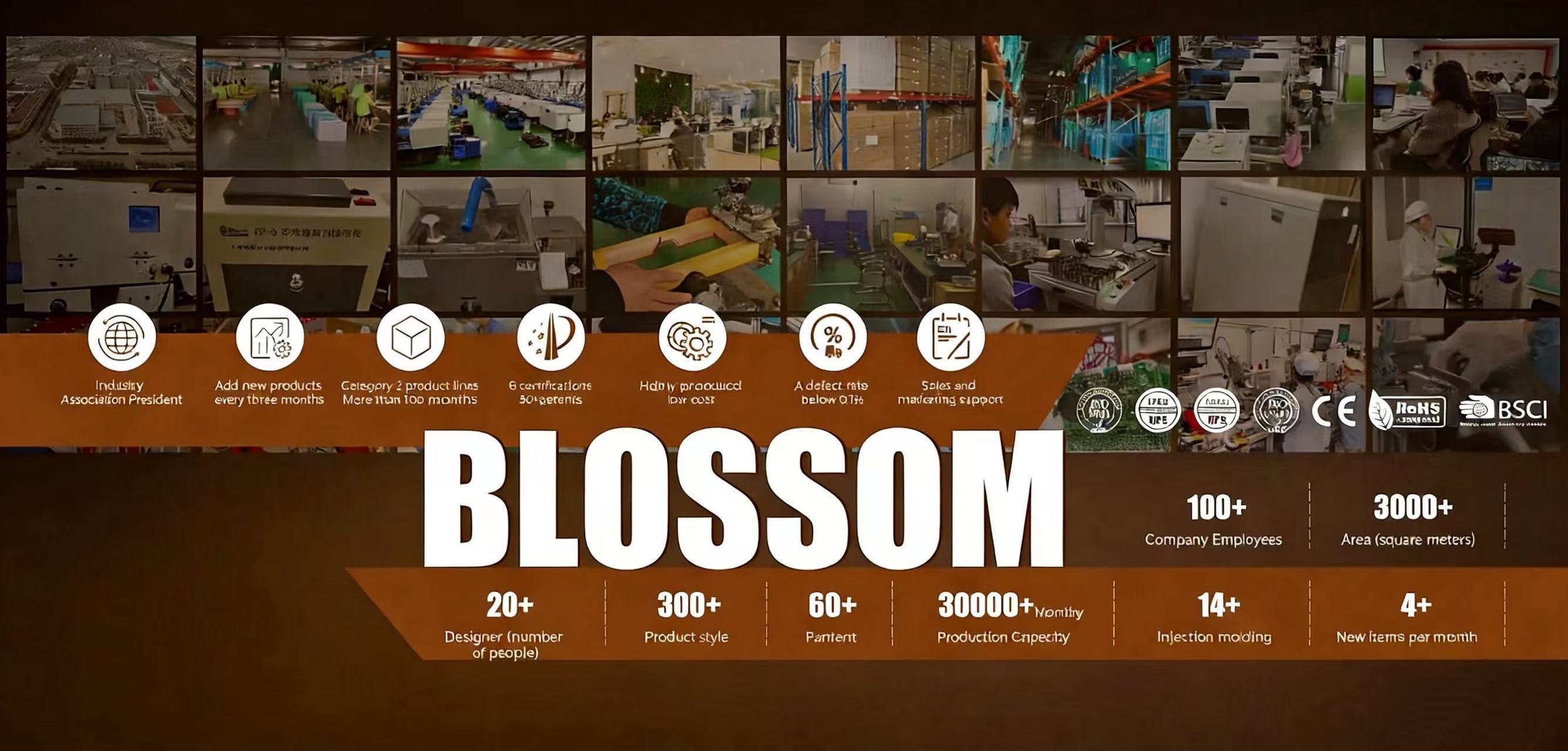 Budgeting the Asset Package Against Your First Order
Buyers fear that a factory photo package adds hidden cost. In practice, bundling assets with the production order is almost always cheaper than hiring a studio in your home market, because the product never ships twice and the engineering data is free. Budget it as a percentage of the tooling or first-order value, typically three to six percent, and treat it as capex that amortizes across every reorder.
The real saving is time. A reshoot in Los Angeles or Hamburg costs more than the original shoot and burns the calendar. By contrast, receiving A+ content modules from the factory, built on your brand template, lets your agency drop them straight into the listing builder. For Amazon FBA sellers managing ten or twenty SKUs, that template-driven consistency is what makes a storefront look like a brand rather than a bin of unrelated gadgets.
Spice Grinders and Frothers: Do Not Reuse Coffee Imagery
A common shortcut is to photograph the pepper grinder using the coffee grinder’s lifestyle set, then swap the product in post. This reads as lazy to a knowledgeable buyer and hurts both SKUs. Pepper and spice grinders emphasize coarseness settings, seal integrity, and residue cleanup, none of which the coffee set demonstrates. Milk frothers need microfoam texture shots; juice cups need capacity and seal shots. Build a per-category shot list even when the bodies share a factory line.
Sellers working the spice category should review “Best Pepper Grinder Styles for Amazon FBA Sellers” before commissioning assets, because the style you choose determines which features the photography must highlight. The asset kit and the product decision are the same conversation, not sequential ones.
Common Mistakes That Delay Launch
We see the same failures repeat across first-time importers. The first is requesting assets after shipment, which forces a reshoot abroad. The second is burning text into hero images, which blocks localization. The third is accepting low-resolution web files that cannot print on packaging. The fourth is forgetting the grind comparison: buyers want to see fine espresso grounds next to coarse French-press grounds, and a grind-size comparison card built from real output closes that doubt instantly.
None of these are expensive to fix at the source. All of them are expensive to fix after the container has cleared customs and the storage clock is running.
Tip: Build your listing asset kit in parallel with tooling sign-off so photography never becomes the critical path before a Q4 launch.
FAQHow early should I request the asset kit from the factory?
Request it at the quotation stage and lock the shot list into the contract before tooling begins. The factory can then schedule the shoot around the first T1 samples, so master files reach you weeks before the container, not after.
What file specs should I require for grinder photography?
Require 300 DPI master files in both RAW and retouched PNG or JPG, with a separate transparent-background cutout, plus a vector or layered spec sheet. This lets you print cartons, build A+ content, and run social ads from one source without quality loss.
Can one asset kit serve both the US and EU listings?
Yes, if the core photography stays text-free and market marks are added as separate layers. Shoot once, then localize voltage, plug, measurement units, and compliance marks in post so each region gets a compliant, native-looking listing.
Should spice grinders use the same images as coffee grinders?
No. Pepper and spice grinders must show coarseness settings, seal performance, and cleanup, while coffee grinders emphasize burr type and grind consistency. Build a distinct shot list per category even when they share a production line.
Who writes the listing copy if the factory supplies specs?
The factory provides factual spec blocks, dimensions, settings, and capacity data. Your local copywriter or agency turns those into indexed, market-specific copy. This split keeps engineering accurate and language natural.
Does bundling assets with production actually save money?
Almost always. Shooting at the factory avoids double shipping the product and reuses on-site engineering data for free. Budget three to six percent of first-order value and treat it as reusable capex across every reorder.
About us
At JinHua Blossom Co., Ltd., it all started with a simple but powerful belief — everyone should be able to enjoy that perfect cup of coffee. We’ve watched coffee lovers all over the world, from busy cafes in North America to quiet homes in Japan, all chasing the same thing—great flavor, made with precision and ease.That shared love for coffee sparked our own journey. It began with just one coffee grinder, but over time, it’s grown into a mission that has made us a trusted name in premium kitchenware products everywhere.
Media Contact
Company Name: Jinhua blossom science &technology co., ltd.
Contact Person: Media Relations
Email: Send Email
Country: China
Website: https://www.zjblossom.com/
