
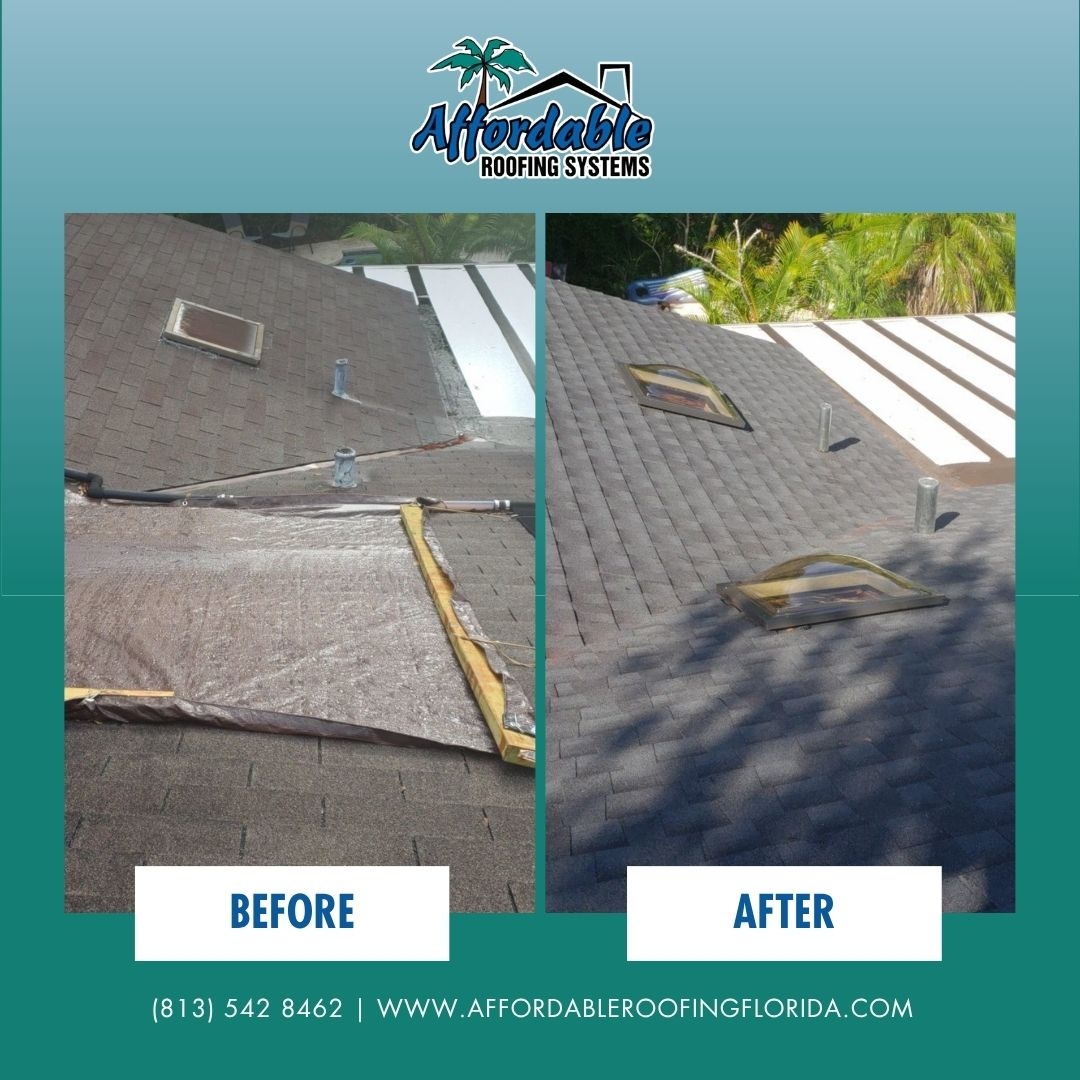
TAMPA, FL – With the 2026 Atlantic hurricane season set to begin June 1 and continue through November 30, Affordable Roofing Systems released guidance encouraging Tampa Bay homeowners to prioritize roof maintenance, wind mitigation measures, and early storm preparation. Seasonal forecasts released in March indicate a potentially active year, with 11 to 16 named storms expected and an elevated risk for Florida’s Gulf Coast.
Local officials and emergency management agencies continue to stress that preparation should begin well before any storm forms. In a region where high winds, heavy rain, and prolonged humidity are common, the condition of a home’s roof plays a critical role in preventing wind-driven water intrusion, structural uplift damage, and costly structural repairs.
“Preparation isn’t just about supplies and evacuation plans,” said David Torres, owner of Affordable Roofing Systems, a licensed Florida roofing contractor with decades of industry experience. “It also includes making sure the roof system is ready to handle severe weather. Small maintenance issues can quickly turn into major problems during a storm.”
Tampa Bay Residents Urged to Act Early
Emergency management guidance across Hillsborough and Pinellas counties highlights the importance of early planning. Residents are advised to review evacuation zones, secure outdoor items, and prepare disaster kits. However, officials also emphasize protecting the home itself — especially roofing systems and structural components that serve as the first line of defense against wind and water.
Mobile and manufactured home residents are reminded that evacuation is required during official orders, as these structures are especially vulnerable to hurricane-force winds.
Five Roof Maintenance and Wind Mitigation Tips
Affordable Roofing Systems shared five practical steps homeowners can take to strengthen their roofs and reduce the likelihood of storm damage. These recommendations align with Florida building standards, wind mitigation practices, and state-supported mitigation programs. Wind mitigation in Florida often focuses on structural elements such as roof-to-wall connections, roof deck attachment, and secondary water barriers designed to reduce water intrusion if the outer roofing layer is compromised.
1. Schedule a Professional Roof Inspection
A professional inspection can identify early signs of wear, leaks, or structural weakness. Many homeowners overlook minor issues such as loose flashing, small cracks, or early algae growth, which can worsen under extreme weather conditions.
Programs like My Safe Florida Home offer qualifying homeowners access to inspections and potential grants for improvements. Inspection reports often highlight areas such as the attic, ventilation, and roof deck condition — all critical to long-term roof care and commonly used to support insurance-related mitigation documentation.
2. Address Roof Repairs Before Storm Season
Delaying roof repair can significantly increase the cost of roof repair after a storm. Common issues include damaged asphalt shingle sections, worn sealants, and minor leaks that allow water to enter the attic.
Roofing repair contractors recommend addressing concerns such as:
-
Roof leak repairs around vents and flashing
-
Loose or missing shingles
-
Early signs of water damage caused by humidity
3. Reinforce Roofing Materials and Attachment
Proper installation and maintenance of roofing materials and attachment systems are essential in high-wind regions. Enhanced fastening systems for asphalt shingles, along with sealed roof decks and secondary water barriers, can help reduce the risk of water intrusion if shingles are lost.
For homeowners with specialty systems, such as metal roofing or solar panels, regular maintenance is equally important. This may include metal roof repairs, checking mounting systems, and ensuring all components remain secure.
4. Keep Roof Surfaces Clear of Debris
Debris buildup is a common but preventable issue that can contribute to drainage failure and localized roof stress during storms. Leaves, branches, and dirt can trap moisture, accelerate algae growth, and contribute to drainage problems. In some cases, debris can lead to standing water or even a temporary “dam” effect along the roof edge.
Routine roof care includes:
-
Clearing gutters and downspouts
-
Removing branches and loose materials
-
Trimming nearby trees
5. Understand Warranties and Maintenance Responsibilities
Many roofing systems come with a warranty, but coverage often depends on proper maintenance. Neglecting routine care or delaying necessary repairs can void certain protections.
Homeowners are encouraged to keep records of inspections, repairs, and maintenance services. This documentation can also be helpful when requesting roof repair estimates, filing insurance claims after severe weather, or verifying wind mitigation improvements.
Customer Reviews Highlight Preventive Roof Care
Recent customer reviews reflect how early maintenance and timely repairs can help prevent larger issues during severe weather.
One Tampa homeowner noted that a small issue near flashing was identified and addressed before it developed into a larger leak, helping avoid more extensive repairs.
Another review described a repair completed prior to storm season after a leak was identified, with the homeowner noting improved confidence in the roof’s condition.
A third customer highlighted post-storm service, stating, “After a heavy storm, we had debris all over the roof. The cleanup and minor repairs helped prevent further damage and kept everything draining properly.”
These experiences underscore the importance of consistent roof repair and maintenance, especially in storm-prone regions like Tampa Bay. Some feedback also reflects scheduling delays during periods of high demand, particularly following major storm events, which is common across the roofing industry during peak hurricane season.
Combining Roof Maintenance With Full Preparedness
Industry guidance indicates that roof repair and maintenance should be part of a broader hurricane preparedness plan. This includes securing the home’s exterior, protecting windows and doors, and ensuring proper drainage around the property.
While no system can eliminate all risk, consistent maintenance and timely repairs can significantly reduce damage during storms. This is especially true for both residential and commercial roofing repair needs, where early action often prevents larger disruptions.
Acting Before the First Storm Forms
With hurricane season approaching, the emphasis remains on proactive planning. Roofing professionals note that waiting until a storm is imminent can limit service availability, delay repairs, and increase costs.
By scheduling inspections, addressing repairs, and maintaining roofing systems, Tampa Bay homeowners can better prepare for the months ahead.
About Affordable Roofing Systems
Affordable Roofing Systems is a licensed and insured roofing contractor serving the Tampa Bay area since 1996. The company provides a range of services, including roof repair, maintenance, and replacement for residential and commercial properties. Their work includes asphalt shingle systems, metal roofing, tile, and specialty applications such as business roof repair, cedar roof repair, cedar shake roof repair, and roof repair with solar panels.
For more information about roof maintenance and wind mitigation strategies for hurricane season, contact Affordable Roofing Systems at (813) 542-8462 or visit https://www.affordableroofingflorida.com/affordable-roofing-services/roof-maintenance/.
Media Contact
Company Name: Affordable Roofing Systems, Inc.
Contact Person: David Torres
Email: Send Email
Phone: (813) 542-8462
Address:9511 N Trask St A
City: Tampa
State: FL 33624
Country: United States
Website: https://www.affordableroofingflorida.com/