
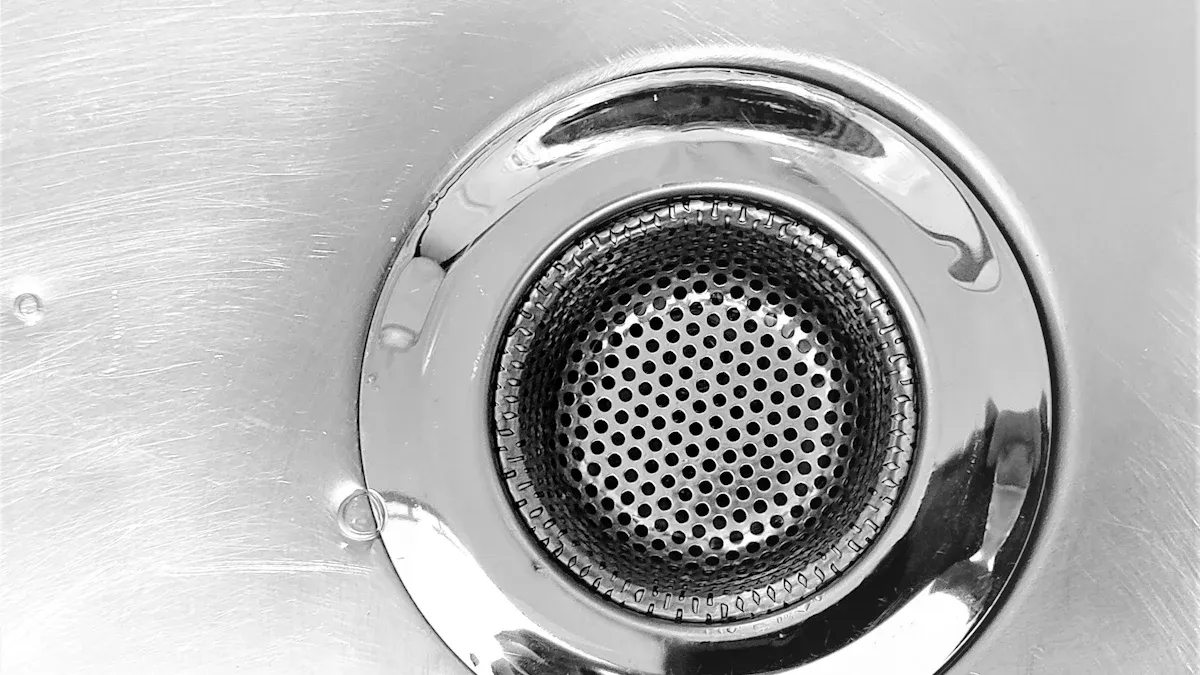
A Sink Stopper might seem like a small detail, but it plays a big role in your daily routine. The right one helps you avoid annoying clogs and keeps your sink working smoothly. Whether you’re upgrading or replacing, choosing the perfect stopper ensures both function and peace of mind in your home.
Key Takeaways
- Learn about sink stoppers like push-pull, lift-turn, and pop-up. Pick the one that works best for you.
- Measuring is very important. Check your sink Drain’s width and depth. This helps you find a stopper that fits well.
- Pick a stopper material that matches how you’ll use it. Stainless steel lasts long in kitchens. Silicone works well in bathrooms.
Understanding Sink Stopper Types
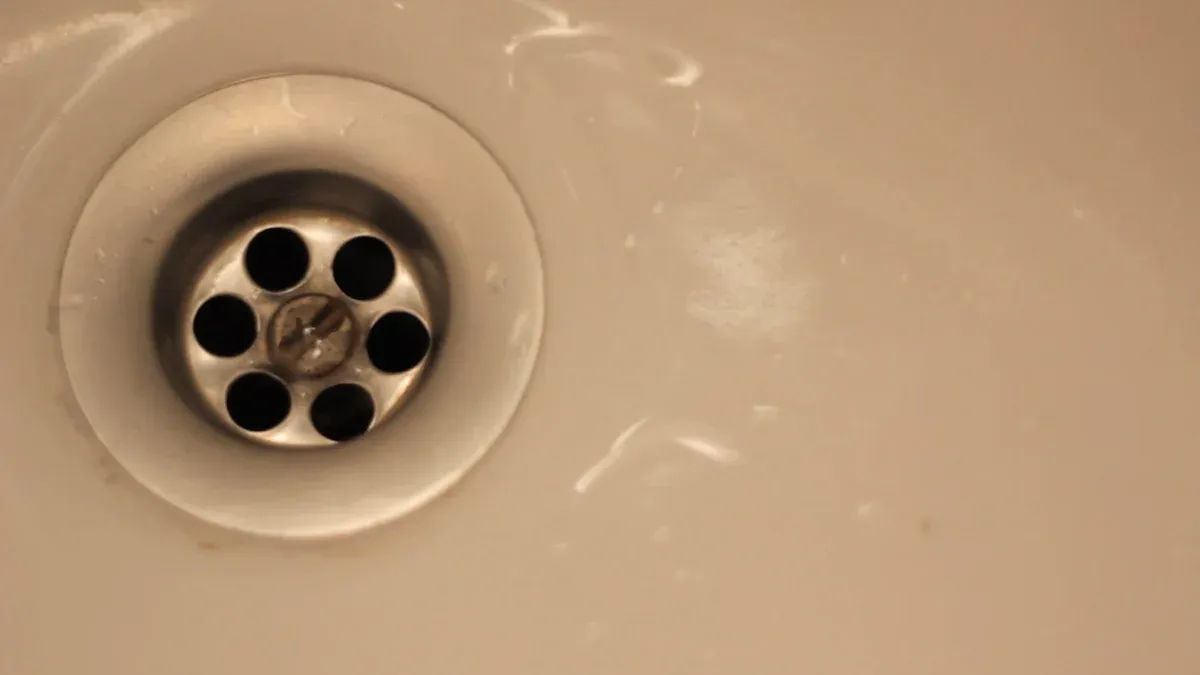
When it comes to sink stoppers, you’ve got plenty of options to choose from. Each type has its own unique design and functionality, so understanding how they work can help you pick the one that’s just right for your sink. Let’s dive into the most common types and what makes them stand out.
Push-and-Pull Stoppers
Push-and-pull stoppers are a classic choice. You operate them by pulling the stopper up to let water drain and pushing it down to seal the sink. These stoppers are often connected to a lever or rod behind the faucet, making them easy to use.
Tip: If you’re looking for a stopper that’s simple and reliable, this might be the one for you. Just make sure the rod mechanism is compatible with your sink.
Lift-and-Turn Stoppers
Lift-and-turn stoppers are another popular option. You twist the stopper to open or close the drain. They’re often found in bathroom sinks and are known for their straightforward design.
One thing to keep in mind is that these stoppers can loosen over time. If that happens, you might need to tighten the screw underneath the stopper to keep it working smoothly.
Pop-Up Stoppers
Pop-up stoppers are a common sight in both bathrooms and kitchens. They’re controlled by a lever or knob, usually located near the faucet. When you push the lever, the stopper pops up to release water or goes down to seal the drain.
These stoppers are great if you want a hands-free option. However, the mechanism can sometimes get clogged with debris, so regular cleaning is a must.
Flip-It Stoppers
Flip-it stoppers are all about convenience. You simply flip the stopper’s toggle to open or close the drain. They don’t require any additional hardware, which makes them easy to install and remove.
Note: These stoppers are perfect for temporary use or if you want something that doesn’t involve complicated mechanisms.
Rubber or Silicone Stoppers
Rubber or silicone stoppers are as basic as it gets. They’re usually shaped like a plug and fit snugly into the drain to block water. You can use them in almost any sink, and they’re incredibly affordable.
These stoppers are ideal for those who prefer a no-fuss solution. Just make sure to choose the right size for your sink drain to avoid leaks.
Toe-Touch Stoppers
Toe-touch stoppers are a modern and stylish option. You press the stopper with your foot to open or close the drain, making them a hands-free choice. They’re often used in bathtubs but can work in sinks too.
If you’re after a sleek and hygienic design, this type of stopper might be worth considering. Just be aware that the spring mechanism inside can wear out over time.
How to Measure and Determine the Right Size
Getting the right size for your sink stopper is crucial. If it’s too small, water will leak out. If it’s too big, it won’t fit properly. Don’t worry—measuring your sink drain is easier than you think. Let’s break it down step by step.
Tools You’ll Need for Measuring
Before you start, gather a few basic tools. You probably already have most of these at home:
- A measuring tape or ruler
- A piece of string (optional, but handy for curved drains)
- Pen and paper to jot down measurements
Tip: If you’re using a ruler, make sure it has clear markings for accuracy. A flexible measuring tape works best for drains with unusual shapes.
Step-by-Step Guide to Measuring Your Sink Drain
Follow these steps to get the perfect measurements:
- Remove the old stopper (if applicable): Take out the existing stopper so you can access the drain opening. This will give you a clear view of the area you need to measure.
- Measure the diameter of the drain opening: Place your measuring tape or ruler across the widest part of the drain. Write down the measurement in inches or millimeters.
- Check the depth of the drain: Insert your measuring tool into the drain to measure how deep it is. This step is important for stoppers that fit snugly inside the drain.
- Consider the shape of the drain: If your drain isn’t perfectly round, use a piece of string to trace the opening. Then, measure the length of the string to get an accurate size.
- Double-check your measurements: Accuracy matters here. Repeat the process to confirm your numbers before shopping for a new stopper.
Note: If you’re unsure about your measurements, take a photo of your sink drain and bring it to the store. A professional can help you find the right fit.
Tips for Ensuring Accurate Measurements
Getting precise measurements can save you time and frustration. Here are a few tips to make sure you get it right:
- Measure twice, buy once: Double-checking your measurements can prevent costly mistakes.
- Use good lighting: Bright light helps you see the drain clearly, especially if it’s in a dimly lit area.
- Account for any irregularities: If your drain has ridges or unusual features, include them in your measurements.
- Don’t rush: Take your time to ensure every measurement is correct.
Pro Tip: If you’re replacing a sink stopper, bring the old one with you when shopping. Comparing it to new options can help you find the perfect match.
Material and Durability Considerations
When choosing a sink stopper, the material plays a big role in its performance and lifespan. Let’s explore the common materials, their pros and cons, and how to pick the right one for your needs.
Common Materials (e.g., Stainless Steel, Plastic, Silicone, Brass)
Sink stoppers come in a variety of materials, each offering unique benefits:
- Stainless Steel: Durable, rust-resistant, and sleek.
- Plastic: Lightweight and budget-friendly.
- Silicone: Flexible, soft, and easy to clean.
- Brass: Sturdy, long-lasting, and corrosion-resistant.
Tip: The material you choose should match your sink’s usage and environment.
Pros and Cons of Each Material
Each material has its strengths and weaknesses:
- Stainless Steel: Strong and stylish, but can be pricier.
- Plastic: Affordable and versatile, though less durable.
- Silicone: Great for a snug fit, but may wear out faster.
- Brass: High-quality and durable, but heavier and more expensive.
Note: If you want a balance of durability and cost, stainless steel is often a great choice.
Choosing a Material Based on Your Needs
Think about how you’ll use your sink stopper. For a kitchen sink, stainless steel or brass works well due to their durability. In a bathroom, silicone or plastic might be enough for light use. If you want something easy to clean, silicone is a great option.
Pro Tip: Match the material to your sink’s design for a cohesive look.
Sink Compatibility and DesignMatching Stoppers to Sink Types (e.g., Bathroom vs. Kitchen Sinks)
Not all sink stoppers work for every sink. Bathroom sinks often have smaller drains and need stoppers that fit snugly for tasks like shaving or washing your face. Kitchen sinks, on the other hand, usually have larger drains and may require stoppers that can handle food scraps or heavier water flow.
When choosing a stopper, think about how you use your sink. For a bathroom, a pop-up or lift-and-turn stopper might be ideal. In the kitchen, a durable stainless steel stopper can handle daily wear and tear.
Tip: If you’re unsure, measure your sink drain and compare it to the stopper’s specifications. This ensures a perfect fit.
Considering Sink Design and Aesthetics
Your sink stopper doesn’t just need to work well—it should look good too. A sleek brass stopper can complement a modern sink design, while a simple silicone stopper might suit a minimalist style.
Think about the color and finish of your sink. If your faucet is chrome, a stainless steel stopper can match beautifully. For a rustic or vintage sink, a brass stopper adds charm.
Pro Tip: Choose a stopper that blends with your sink’s design to create a cohesive look.
Functional Features to Look For
A good sink stopper should make your life easier. Look for features like easy installation, durability, and low maintenance. Some stoppers, like toe-touch models, offer hands-free operation, which is great for hygiene. Others, like flip-it stoppers, are simple to use and remove.
If you want a stopper that lasts, pick one made from high-quality materials like stainless steel or brass. For convenience, choose a stopper with a smooth mechanism that doesn’t clog easily.
Note: Prioritize functionality over fancy features if your sink sees heavy use.
Installation and Maintenance Tips
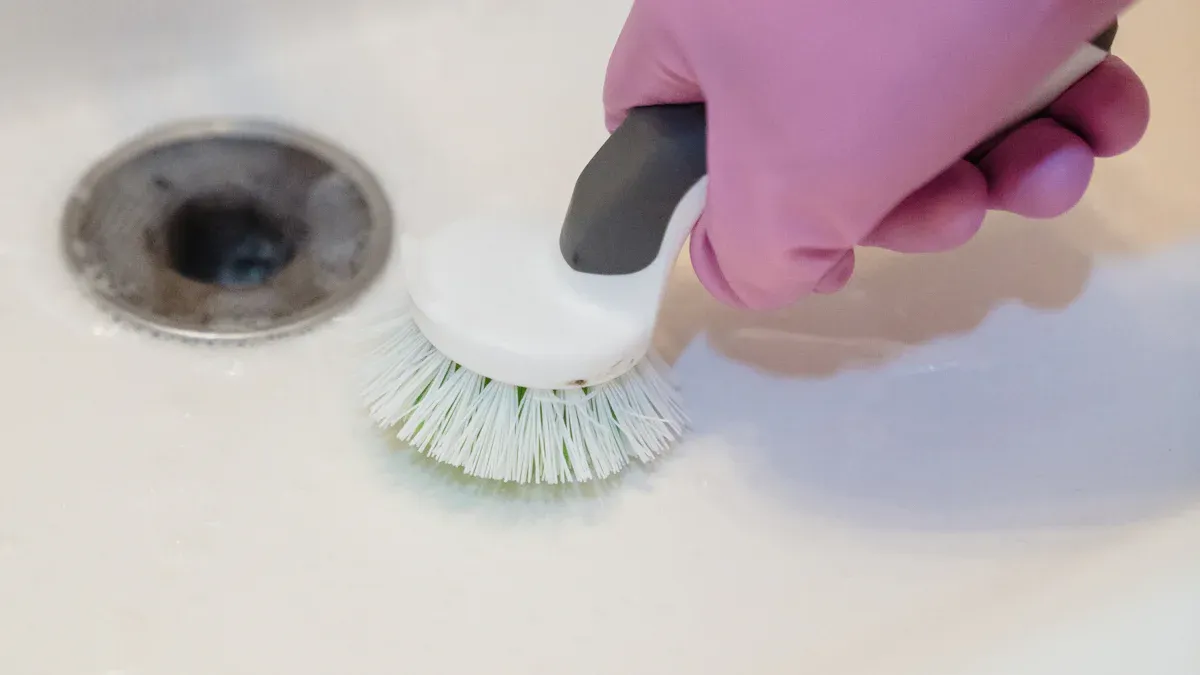
How to Install a Sink Stopper (General Steps)
Installing a sink stopper doesn’t have to be complicated. You can do it yourself with just a few tools and a little patience. Here’s a simple guide to help you get started:
- Remove the old stopper: If there’s an existing stopper, take it out carefully. Check for any debris or buildup in the drain and clean it out.
- Prepare the new stopper: Unpack your new stopper and read the instructions. Some stoppers come pre-assembled, while others may need a quick setup.
- Insert the stopper: Place the stopper into the drain opening. Make sure it fits snugly and aligns with the drain.
- Secure the mechanism: If your stopper has a lever or rod, connect it to the sink’s plumbing. Tighten any screws or nuts to keep everything in place.
- Test it out: Fill the sink with water and check for leaks. Adjust the stopper if needed to ensure a proper seal.
Tip: Keep the instructions handy in case you need to troubleshoot during installation.
Maintenance Tips to Prolong the Life of Your Stopper
Taking care of your sink stopper can save you time and money in the long run. Here are some easy maintenance tips:
- Clean it regularly: Remove the stopper and rinse it under warm water to get rid of soap scum and debris.
- Check for wear and tear: Inspect the stopper for cracks or damage. Replace it if you notice any issues.
- Lubricate moving parts: If your stopper has a lever or spring, apply a small amount of silicone grease to keep it working smoothly.
- Avoid harsh chemicals: Use mild cleaners to prevent damage to the stopper’s material.
Pro Tip: Schedule a quick cleaning every month to keep your stopper in top shape.
Troubleshooting Common Issues
Sometimes, even the best sink stopper can run into problems. Here’s how to fix a few common issues:
- Water leaks around the stopper: Check if the stopper is the right size for your drain. If it’s loose, you may need to replace it with one that fits better.
- The stopper won’t stay in place: Tighten the screws or adjust the lever mechanism. If it’s still not working, the stopper might be worn out.
- Clogs in the drain: Remove the stopper and use a drain snake or plunger to clear the blockage. Regular cleaning can help prevent this issue.
Note: If you’re unable to fix the problem, consider consulting a plumber for professional help.
Choosing the right sink stopper doesn’t have to be overwhelming. By understanding the types, measuring your drain, and picking the right material, you’ll find one that works perfectly. Take your time, explore your options, and make a choice that fits your needs. A well-chosen stopper keeps your sink running smoothly!
FAQWhat should I do if my sink stopper doesn’t fit properly?
Double-check your measurements. If it’s too loose or tight, you might need a different size. Bring your measurements to the store for expert advice.
Tip: Always measure twice to avoid sizing issues!
How often should I clean my sink stopper?
Clean it monthly to prevent buildup. Remove it, rinse with warm water, and scrub gently with a mild cleaner. Regular cleaning keeps it working smoothly and hygienically.
Can I install a sink stopper without professional help?
Absolutely! Most sink stoppers come with simple instructions. Follow the steps carefully, and you’ll have it installed in no time. No plumber required!
Pro Tip: Watch a quick tutorial online if you’re unsure.
Media Contact
Company Name: NINGBO JUTYE SANITARY TECH CO., LTD.
Email: Send Email
Country: China
Website: https://www.jutyehome.com/