
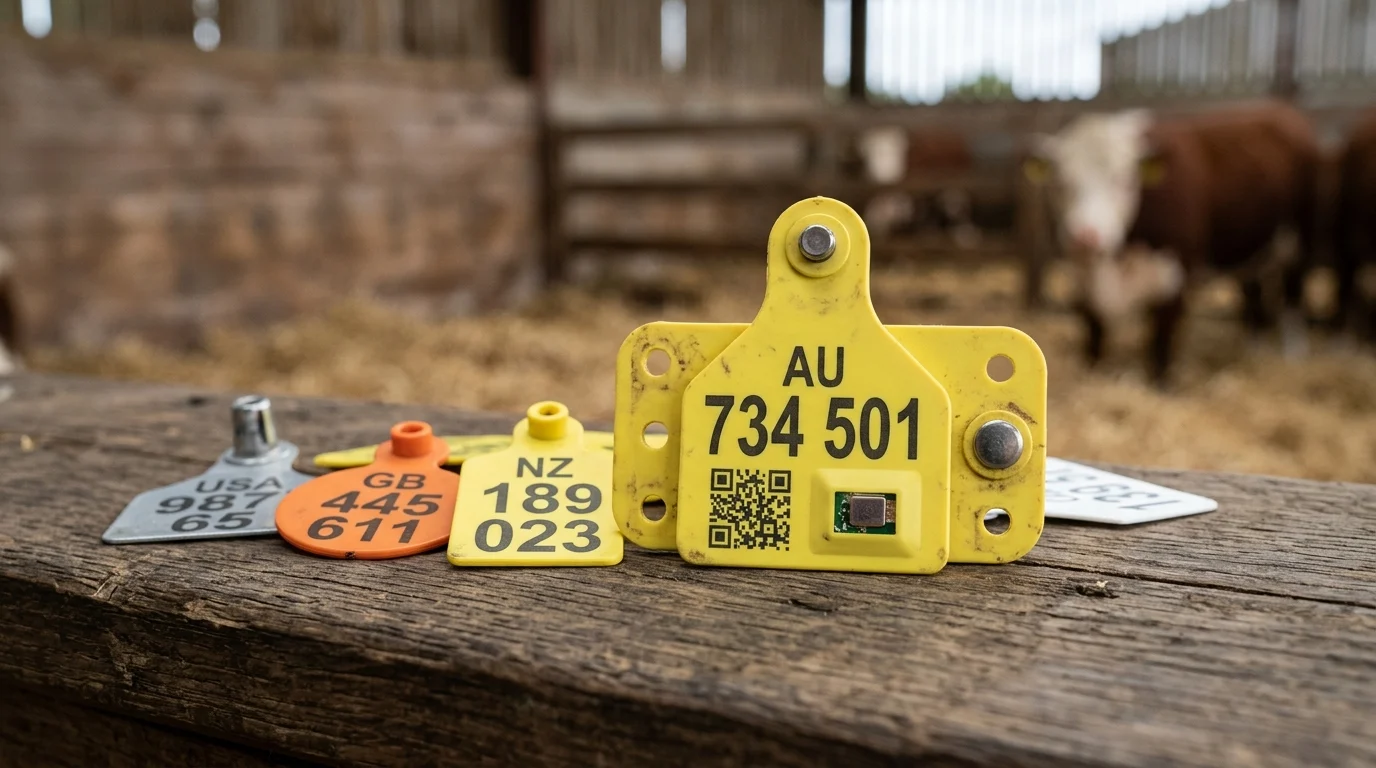
A missing Ear Tag is more than a minor equipment issue—it can break the data chain that supports herd inventory, disease traceability, export eligibility, and value-added marketing. In high-volume cattle and swine operations, even small retention losses can create measurable costs through replacement labor, chute time, compliance risk, and reduced animal performance after rehandling. This article examines the practical factors that determine whether livestock identification and traceability tags stay in place, including material selection, tag weight, stem design, RFID considerations, and operational standards. By focusing on retention from procurement through application, producers can protect traceability records, reduce preventable losses, and maintain confidence in every animal’s identity.
Commercial Impact of Tag Retention Failure
Livestock identification and traceability tags serve as the foundational data link for modern commercial cattle and swine operations. The efficacy of herd management software, disease traceability protocols, and value-added marketing programs relies entirely on the physical retention of these tags.
When identification devices fail, the disruption ripples through the entire production cycle, compromising inventory accuracy and jeopardizing compliance with stringent agricultural regulations.
What Counts as an Ear Tag Retention Failure
An ear tag retention failure extends beyond the physical loss of the device from the animal’s ear. In commercial livestock management, a failure is recorded when a tag is lost, when the stem breaks, leaving the panel unreadable, or when the internal transponder ceases to transmit data to the reader.
Industry standards dictate that a high-quality identification system should maintain a retention rate of 98% or higher over the operational lifespan of the animal. For feedlot cattle, this typically spans 180 to 200 days, whereas breeding stock requires multi-year durability. When annualized loss rates exceed the 2% threshold, operations must immediately investigate application mechanics, environmental factors, or tag material degradation.
How Lost Tags Affect Traceability and Revenue
The financial consequences of lost tags compound rapidly through direct replacement costs and indirect revenue losses. The direct cost of replacing a single radio frequency identification (RFID) tag ranges from $2.50 to $4.00 for the hardware alone, plus an estimated $1.50 to $3.00 in labor and chute time per head.
More severely, lost identification severs the data chain required for premium export markets and age-and-source verification programs. Cattle falling out of Non-Hormone Treated Cattle (NHTC) compliance due to missing traceability tags can lose premiums ranging from $20 to $45 per hundredweight (cwt) at harvest. Furthermore, recurrent handling to replace tags induces physiological stress, temporarily depressing feed intake and reducing average daily gain (ADG) by as much as 0.2 pounds over the subsequent week.
Tag Specifications That Improve Retention
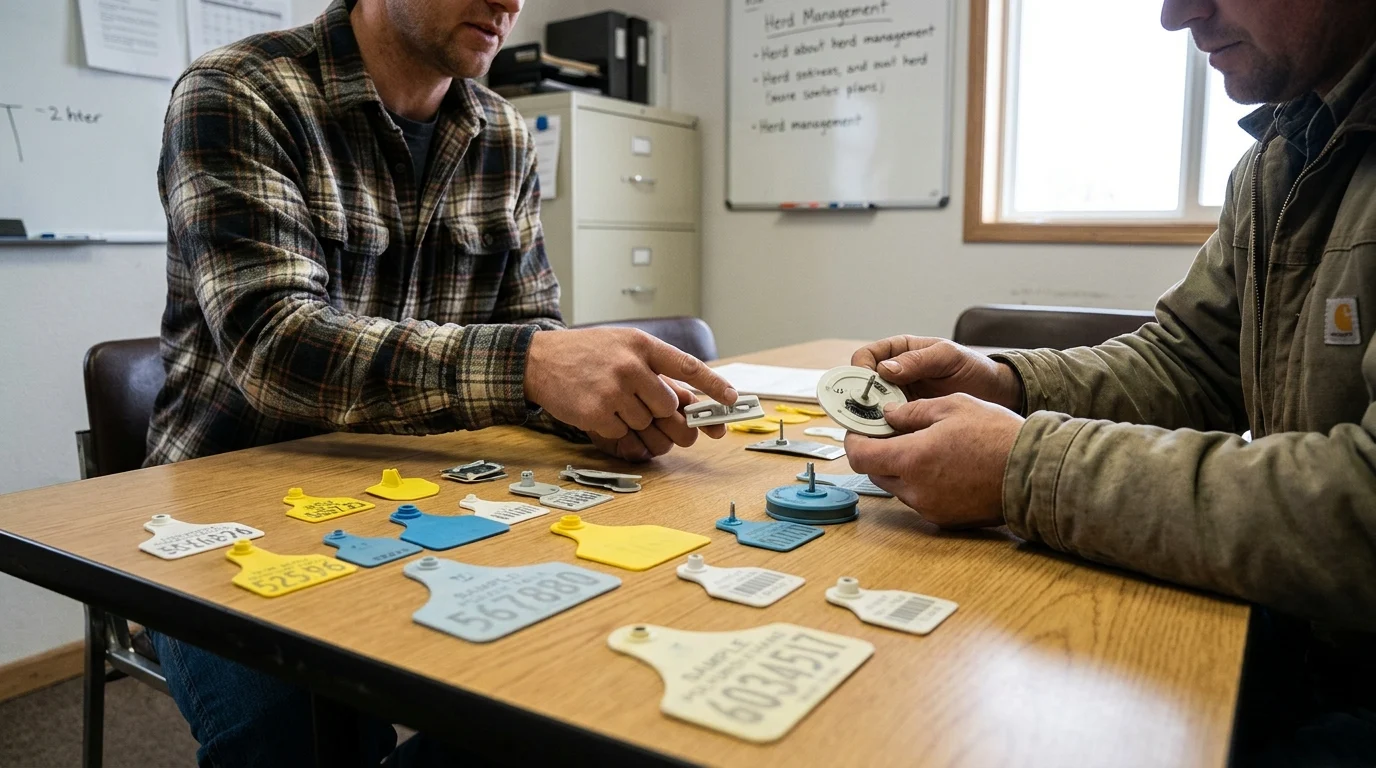
The physical construction of livestock identification and traceability tags dictates their ability to withstand extreme weather, UV exposure, and mechanical stress. Procurement decisions must prioritize specifications engineered specifically for the target species and production environment.
Material, Weight, and Stem Design
Modern Ear Tags are predominantly manufactured from high-grade thermoplastic polyurethane (TPU), which provides a critical balance of flexibility and tensile strength. TPU resists embrittlement in sub-zero temperatures (down to -20°C) and prevents excessive softening during summer heat waves.
Stem design is equally critical; tags utilizing a reinforced, metal-tipped pin generally demonstrate superior tissue penetration, reducing the risk of tearing cartilage during application. To minimize the pendulum effect that leads to snagging, the total weight of the tag assembly must be optimized. For mature cattle, tag weight should not exceed 12 to 15 grams, while swine tags must remain under 8 grams to prevent ear necrosis and subsequent tag loss.
Visual Tags vs RFID Ear Tags
Integrating RFID alters the physical profile of the tag. While visual panel tags rely on surface area for readability, RFID tags encapsulate a copper antenna and microchip, altering the center of gravity. Half-Duplex (HDX) and Full-Duplex (FDX) tags are standard in commercial tracing, but their structural differences influence retention.
FDX tags are typically lighter and flatter, whereas HDX tags often feature a thicker encapsulation to house a larger capacitor, marginally increasing the snag risk if improperly placed.
| Tag Technology | Typical Weight | Read Range (Panel/Wand) | Best Use Case |
|---|---|---|---|
| Visual Panel | 6 – 10 grams | Visual only (up to 40 ft) | Basic herd management, secondary ID |
| FDX RFID (Button) | 7 – 9 grams | 15 – 20 cm | Feedlots, commercial swine, packing plants |
| HDX RFID (Button) | 9 – 12 grams | 25 – 35 cm | Range cattle, automated drafting systems |
Application Technique and Animal Handling
Even the highest-quality thermoplastic polyurethane tags will fail if applied incorrectly. Precision in placement and stringent hygiene protocols during the tagging process are the most controllable variables in a commercial operation’s retention strategy.
Best Tag Placement for Cattle and Swine
Optimal tag placement relies on anatomical precision to avoid structural damage to the ear while minimizing exposure to environmental hazards. For cattle, the tag must be seated in the middle third of the ear, vertically positioned between the upper and lower cartilaginous ribs.
Placing the tag too close to the head risks necrosis due to thicker cartilage compression, while placement in the outer third drastically increases the pendulum effect and the likelihood of the tag snagging on fencing. Swine require a slightly different approach; the tag should be placed closer to the base of the ear to account for the animal’s rooting behavior and the high density of modern confinement pens. A deviation of just 1.5 inches from the optimal zone can increase the probability of snagging or tissue rejection by up to 30%.
Step-by-Step Tagging Protocol to Reduce Infection
Infection at the application site is a primary driver of premature tag loss. When bacteria enter the puncture wound, the resulting localized necrosis weakens the tissue supporting the tag stem, often leading to the tag sloughing off within 14 to 21 days.
To mitigate this, operators must implement a rigorous sanitation protocol. Applicator pins should be submerged in a chlorhexidine or dilute iodine solution between every animal. Furthermore, operators must visually inspect the ear to avoid puncturing major blood vessels, which causes excessive bleeding and creates a vector for pathogens. Commercial herds that enforce strict disinfection protocols consistently report post-tagging infection rates below 0.5%, compared to undocumented rates exceeding 5% in operations that bypass this critical step.
Environmental and Herd Behavior Risks
Beyond mechanical application, livestock identification devices must survive the rigorous realities of the animal’s environment. Facility design, pasture conditions, and seasonal behavioral shifts exert constant mechanical stress on ear tags.
Facility and Pasture Hazards That Cause Snagging
Infrastructure and natural topography present pervasive snagging hazards. In feedlot and swine confinement settings, V-shaped feed bunks, heavy-gauge wire panels, and poorly maintained gating are notorious for catching tags. A gap of 0.5 to 1 inch in metal fencing is the exact tolerance required to trap a standard RFID button tag.
In pasture and range environments, dense brush, mesquite, and low-hanging tree canopies act as physical strippers. Operations grazing cattle in high-brush environments often record retention failures 3% to 5% higher than those utilizing open plains. Mitigating these risks requires regular facility audits to eliminate sharp edges, weld gaps, and pinch points in working alleys where animals crowd and rub against infrastructure.
Seasonal Adjustments for Commercial Operations
Seasonal dynamics dictate specific adjustments to tagging protocols. During the summer months, horn flies congregate around the base of the ear and existing wounds. Excessive fly pressure causes cattle to violently throw their heads or rub against posts, mechanically stressing the tag stem. Incorporating insecticidal tags or applying pour-on fly control simultaneously with ID tagging is vital for summer processing.
Conversely, winter applications present the risk of frostbite on newly tagged ears. Applying tags in temperatures below -10°C reduces blood flow to the extremities, slowing the healing of the puncture site and increasing the rigidity of the plastic, which can lead to micro-fractures in the tag stem during application.
Selecting and Sourcing Reliable Tags
Procuring livestock identification and traceability tags at a commercial scale requires evaluating products beyond their initial unit price. Operations must align their sourcing strategy with regulatory compliance, long-term durability, and total cost of ownership.
Supplier Quality and Regulatory Requirements
Commercial operations must source tags that comply with regional and international traceability frameworks, such as the USDA’s Animal Disease Traceability (ADT) program or the European Union’s TRACES network. At a baseline, electronic tags should carry certification from the International Committee for Animal Recording (ICAR).
ICAR-certified tags undergo rigorous independent testing for electronic readability, structural integrity, and tamper-proof locking mechanisms. A tamper-proof design ensures that once the male and female components are mated, they cannot be separated without destroying the tag, requiring a minimum separation force of 280 Newtons (approximately 63 lbf). Utilizing non-certified, gray-market tags to save upfront costs frequently results in high failure rates and non-compliance penalties during interstate movement or export.
Total Cost Comparison Framework
A Total Cost of Ownership (TCO) framework is essential for evaluating tag investments over the animal’s lifecycle. While visual tags present the lowest barrier to entry, they offer no labor efficiencies during inventory audits or weigh-ins. Advanced RFID systems require a higher initial capital expenditure but drastically reduce chute time and data entry errors.
When calculating TCO, operators must factor in the unit price, the expected retention rate, the labor cost of replacement, and the amortized cost of reading infrastructure.
| Tag Procurement Category | Est. Unit Cost (USD) | Expected Retention (Annual) | Labor Efficiency Impact | Primary Regulatory Compliance |
|---|---|---|---|---|
| Standard Visual Panel | $0.80 – $1.50 | 94% – 96% | Low (Manual entry) | State-level / Basic Farm ID |
| ICAR-Certified FDX RFID | $2.25 – $3.50 | 98% – 99%+ | High (Automated scan) | USDA ADT / Export Eligible |
| Tissue Sampling Tag (TSU) | $4.00 – $6.50 | 97% – 98% | Very High (ID + Genetics) | Genomic Verification Programs |
Key Takeaways
- Investigate tag material, placement, applicator condition, and environment whenever annual tag loss exceeds the 2% threshold.
- Select TPU ear tags for commercial cattle and swine because the material resists cold-weather brittleness and heat-related softening.
- Keep mature cattle tag assemblies at 12 to 15 grams or less and swine tags under 8 grams to reduce snagging and tissue damage.
- Use reinforced, metal-tipped pins when appropriate because cleaner penetration can reduce cartilage tearing during application.
- Account for both direct replacement costs and lost program premiums when calculating the financial impact of failed livestock identification.
Frequently Asked Questions
What is considered an ear tag retention failure?
A retention failure includes a lost tag, a broken stem, an unreadable panel, or an RFID transponder that stops transmitting. In commercial herds, any failure that breaks the animal’s identification record can affect traceability, compliance, and inventory accuracy.
What retention rate should cattle and swine operations target?
A high-quality livestock identification system should maintain at least 98% retention over the animal’s operating lifespan. If tag loss exceeds 2% annually, managers should review tag material, placement, applicator condition, and handling practices.
How much can a lost RFID tag cost an operation?
Direct replacement can cost about $2.50 to $4.00 for the tag plus $1.50 to $3.00 in labor and chute time. Indirect losses may be much higher if missing traceability disqualifies animals from premium programs.
Which ear tag material improves durability?
High-grade thermoplastic polyurethane, or TPU, is widely used because it balances flexibility and tensile strength. It resists cracking in cold weather and softening in heat, helping tags remain secure in demanding cattle and swine environments.
Why does tag weight matter for retention?
Excessive tag weight increases swinging, snagging, tissue stress, and potential ear damage. As a practical guideline, Cattle Tags should generally stay under 12 to 15 grams, while swine tags should remain under 8 grams.
Media Contact
Company Name: Shaoxing wanjia appliance co. ltd.
Email: Send Email
Country: China
Website: https://www.wanjiavet.com/