
Foshan, Guangdong, China-October 26, 2026
In 2026, buyers around the world want their Led Off Road Lightingto be brighter, safer, and more efficient—especially for trucks, SUVs, utility vehicles, and work fleets. These days, the market’s packed with options: LED light bars, Pod Lights, flush-mount lamps, rock lights, and high-output driving lights. And honestly? Each one does something a little different. A wide flood beam is great for muddy trails, for example. A focused spot beam, though, is what you reach for when you need to see distant terrain. Hybrid beams give you both patterns in one.But honestly, picking a light for real-world use takes more than just looking at the advertised lumen numbers. If you want something reliable, you’ve gotta check beam distance, color temperature, heat control, how waterproof it really is, whether it can handle vibration, and electrical compatibility. IP ratings are helpful, sure — but installation quality still matters. A badly sealed connector can crap out after one rainy trail. Yeah, it happens.So, this guide is here to compare the top LED off-road lighting options out there for international purchasing teams looking ahead to 2026. We’ll look at things like aluminum housing design, polycarbonate lenses, how well they handle heat, mounting flexibility, wiring kits, and warranty support. When it comes to testing, don’t skip the real-world stuff: night driving, dust, water spray, and repeated vibration. And honestly? Supplier documentation is worth a close look too. You know, certifications, photometric data, batch consistency, traceable quality records—these are the kinds of things that can actually show you the difference between a product you can depend on and one that just has a really attractive claim.There’s no one-size-fits-all lamp out there—every vehicle and every environment is a bit different. A lot of buyers get drawn in by crazy brightness and then kinda forget about glare, battery drain, or whether it’s even legal to use on the road. Honestly, that’s a mistake worth stepping back from. That’s where professional installers and seasoned distributors come in—they can help match the lighting to your vehicle’s design and whatever rules your area has. At the end of the day, the best buying decision isn’t just about raw brightness; it’s a balance of visibility, durability, safe installation, service support, and total ownership cost.
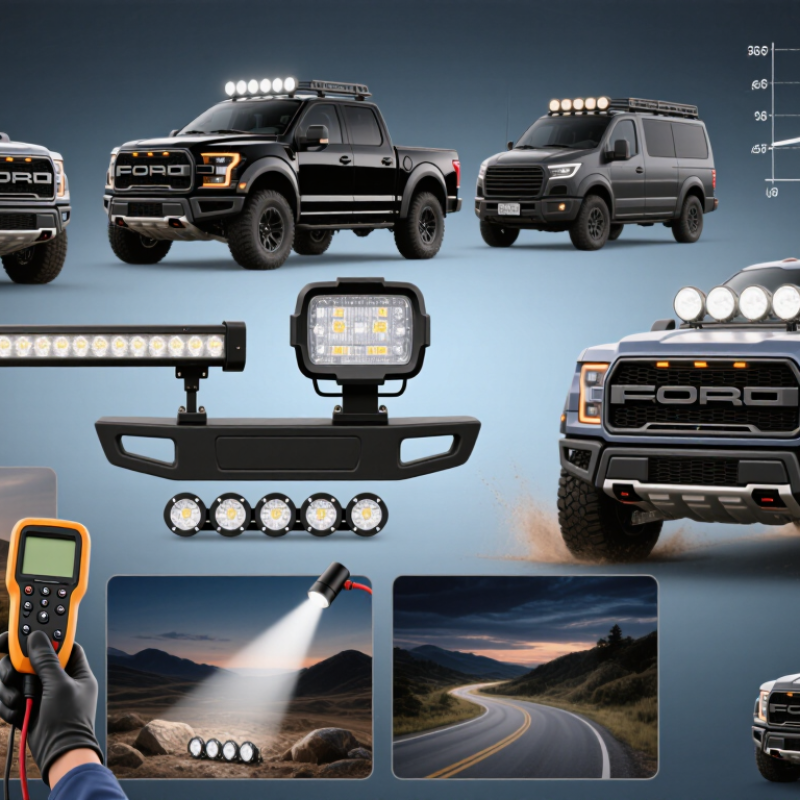
What LED Off-Road Lighting Is and Why It Matters in 2026
In 2026, LED off-road lighting means more than adding a bright lamp to a vehicle. It is a practical system for improving visibility on trails, work sites, and remote roads. LED chips produce focused light with lower energy use than older lighting technologies. However, brightness alone does not guarantee safer driving. A poorly aimed beam can create glare, wash out nearby details, or hide uneven ground.Effective lighting depends on beam design, color temperature, heat control, and mounting position. Spot beams help identify distant turns, while flood beams reveal rocks, ruts, and nearby obstacles. A durable housing should resist dust, water, vibration, and repeated temperature changes. In field checks, loose wiring and weak brackets often cause earlier failures than the LED itself. Small details matter.Buyers comparing OEM Led Off Road Lighting should ask for measured lumen output, beam charts, ingress protection data, and thermal test results. Marketing figures can look impressive. Real performance may differ. Road-use rules also vary between countries and regions, so lighting intended for public roads requires careful verification. A balanced setup is usually better than the brightest possible one. More light can become a problem. Even experienced installers should review alignment after suspension changes, because a lifted vehicle can redirect the beam toward other drivers.
Main Types of LED Off-Road Lights for Different Driving Needs
Choosing the right LED off-road light depends on terrain, speed, and driving habits. A wide flood beam suits slow trail work, campsite access, and dusty construction routes. It spreads light across nearby ground, reducing sharp shadows beside the vehicle. Spot beams project farther along open tracks. They help drivers read bends, rocks, and animals at higher speeds. Combo beams combine both patterns, although the result is rarely perfect.Light bars provide broad forward coverage and often fit roof or bumper mounting. Smaller pod lights offer flexible placement near mirrors, bumpers, or A-pillars. Rock lights illuminate tires and underbody areas during technical crawling. Rear work lights help with trailers, loading, and reversing. Amber warning or dust-penetrating outputs may improve visibility in haze, but buyers should check local road-use requirements before installation.Performance claims need careful reading. The U.S. Department of Energy reports that LEDs can use at least 75% less energy and last up to 25 times longer than incandescent lighting. Grand View Research valued the global automotive lighting market at about 30 billion U.S. dollars in 2023, showing strong investment in efficient illumination. These figures describe wider automotive lighting, not every off-road product. That distinction matters.Best Led Off Road Lighting should match actual driving, not only impressive lumen numbers. Beam distance, candela, color temperature, sealing, vibration resistance, and heat control deserve equal attention. I have seen buyers overlook wiring quality. That small mistake can weaken an excellent lamp. A practical setup may use one combo bar, two spot pods, and rear work lights. Simple, but not always ideal.
2026 Top LED Off Road Lighting Types for Global Buyers? – Main Types of LED Off-Road Lights for Different Driving Needs
| LED Off-Road Light Type | Typical Form Factor | Typical Power Range | Approx. Light Output | Beam Pattern | Recommended Driving Need | Common Mounting Position | Typical Protection Level | Main Buying Consideration |
|---|---|---|---|---|---|---|---|---|
| LED Light Bar | Straight or curved bar; commonly 6–50 in | 30–500 W | 3,000–50,000 claimed lumens | Spot, flood, or combo | High-speed trail driving and broad forward visibility | Roof, front bumper, grille, or windshield area | Usually IP67 or IP68 | Available space, aerodynamic noise, current draw, and beam quality |
| LED Pod Light | Compact square or round module | 10–100 W per pod | 1,000–10,000 claimed lumens per pod | Focused spot, wide flood, or scene beam | Flexible auxiliary lighting for trails, work areas, and recovery | A-pillars, bumper, roof rack, bed, or rear corners | Usually IP67 or IP68 | Beam angle, mounting brackets, vibration resistance, and wiring simplicity |
| Led Driving Light | Round or rectangular high-intensity lamp | 30–180 W per lamp | 3,000–18,000 claimed lumens per lamp | Long-range spot or driving beam | Fast open-road and desert driving where long throw is important | Front grille, bumper, or dedicated lamp brackets | Typically IP67–IP69K, depending on design | Regulatory compliance, cutoff pattern, heat management, and throw distance |
| LED Work Light | Compact flood lamp or rectangular utility light | 10–80 W | 800–8,000 claimed lumens | Wide flood or scene illumination | Camping, vehicle repair, loading, and nighttime recovery | Rear, side, roof rack, cargo area, or service body | Commonly IP65–IP68 | Uniform close-range coverage, switch location, and low power consumption |
| LED Rock Light | Small round, square, or flexible pod | 1–10 W per unit | 100–1,000 claimed lumens per unit | Short-range downward flood | Low-speed rock crawling and wheel-placement visibility | Chassis, wheel wells, rock sliders, or underbody | Preferably IP67 or higher | Impact protection, cable routing, mud resistance, and secure mounting |
| LED Fog Light | Low-profile round or rectangular lamp | 10–60 W per lamp | 800–6,000 claimed lumens per lamp | Low, wide, controlled beam | Dust, rain, mist, snow, and low-visibility driving | Lower bumper or factory fog-light position | Usually IP67 or IP68 | Beam cutoff, glare control, local road regulations, and lens color |
| LED Beacon or Warning Light | Rotating, strobe, or low-profile module | 5–50 W | Specified mainly by visibility distance rather than lumens | 360-degree or directional warning flash | Work zones, convoy visibility, recovery vehicles, and emergency signaling | Roof, cab, rear body, or equipment frame | Often IP65–IP67 | Color legality, flash patterns, EMC performance, and visibility in daylight |
| LED Scene or Area Light | Large-area flood module or adjustable lamp | 20–150 W | 2,000–15,000 claimed lumens | Very wide flood, commonly 60–120 degrees | Base-camp lighting, trailer access, construction, and recovery operations | Vehicle sides, rear, roof rack, trailer, or service compartment | Commonly IP66–IP68 | Coverage area, glare management, adjustable mounting, and battery runtime |
Note: Power and lumen figures are typical market ranges for comparable LED off-road lighting products. Actual performance varies by LED efficiency, optics, thermal design, operating voltage, and measurement method. Claimed lumens may represent theoretical LED output rather than measured light at the fixture.
Key Performance Features: Beam Patterns, Lumens, and Color Temperature
For global buyers, LED off-road lighting starts with beam control, not headline wattage. A spot beam projects a narrow, distant column, useful on open trails or long gravel roads. A flood beam spreads light across nearby ground, revealing rocks, ruts, and turns. Combination patterns balance both, but their transition can leave darker areas. I have found that mounting height and aim often matter more than advertised output. Even a powerful lamp performs poorly when pointed into dust or tree branches.Lumens describe total light output, yet published figures may represent theoretical LED output. Effective lumens are lower after optics, heat, and electrical losses. Look for measured output, thermal management, and stable performance after thirty minutes. More is not always better. Excessive brightness can create glare, reduce contrast, and tire the driver. Color temperature also changes real-world visibility. Around 3,000–4,300K often gives warmer contrast in dust, rain, or fog. Around 5,000–6,500K appears crisp in clear conditions, but may reflect harshly from airborne particles. These ranges are practical guidance, not universal answers.Tips: Test the light at night before final installation. Mark the beam edge on a wall, then check it from the driving position. Compare the same trail using spot, flood, and combination settings. Ask for test standards and candela data, not lumens alone. Check local road-use requirements. I would also recheck the aim after vibration; small shifts can change the useful beam dramatically.
How to Choose LED Off-Road Lighting for Vehicles and Terrain
Choosing LED off-road lighting starts with the vehicle, not the brightest advertised number. A compact SUV often needs a wide flood beam for slow forest trails. A desert truck may need a long spot beam for distant dips and rocks. Check the mounting height, alternator capacity, and available space before buying. A 120-watt lamp can draw about 10 amps at 12 volts. That matters during night recovery work.Thermal control is equally important. Dust, mud, and vibration punish weak housings. Look for aluminum heat sinking, sealed connectors, and an IP67 or higher enclosure rating under IEC 60529. The U.S. Department of Energy’s 2023 Solid-State Lighting report notes that commercial LED products commonly exceed 100 lumens per watt. However, measured output depends on optics, temperature, and testing methods. Do not compare lumens alone. A narrow 6,000-lumen beam may feel less useful than a balanced flood pattern. I have found that color temperatures near 4,000–5,000K reduce harsh glare on pale rocks and dust. Personal preference still changes the result.Tips: Match the beam to terrain. Use flood lighting for close trail edges, spot lighting for open ground, and combination optics for mixed routes. Inspect cable glands after muddy trips. Replace damaged seals early. A small mistake here can defeat an expensive lamp. The Grand View Research automotive lighting report estimates continued global market growth through 2030, but market expansion does not guarantee off-road durability. Test the light at idle, on rough ground, and after thirty minutes of operation. Real conditions reveal weaknesses.
Installation Methods, Wiring Requirements, and Safety Considerations
Choosing the right off-road lighting depends on terrain, vehicle layout, and installation space. Light bars spread wide coverage across open trails, while compact pod lights suit bumpers, roof pillars, or side mirrors. Before searching “Off Road Lighting Near Me,” measure mounting points and check local road-use requirements. A bright lamp is not automatically a safe lamp.Mount brackets to solid metal, not thin plastic panels. Use locking nuts, rubber washers, and thread sealant where vibration is heavy. The wiring should include a correctly rated fuse close to the battery, a relay, and a dashboard switch. Select cable thickness according to current draw and cable length. Ground the circuit to clean, bare metal. Protect wires with split conduit, then secure them away from exhaust heat, steering parts, and sharp edges. Waterproof connectors help, but they are not magic.Tips: Disconnect the battery before wiring. Test polarity with a meter. Aim beams below eye level near public roads. Leave enough slack for suspension movement, but avoid loose loops. Check the fuse after the first trail drive. I often recheck bolt tension after several hours of vibration; skipping this step seems harmless until a lamp begins pointing into trees. Inspect cracked insulation, water inside connectors, and unusual heat around the relay. A small installation flaw can become a serious visibility problem at night.
Global Buying Factors: Regulations, Certifications, and Supplier Quality
Buying LED off-road lighting in 2026 requires more than comparing brightness and price. Regulations differ between countries, and some regions separate off-road use from public-road use strictly. Check beam pattern rules, mounting height, glare limits, wiring requirements, and permitted operating conditions before placing an order. A Led Headlight Auto Led Lighting System may look suitable, yet still fail local road-use requirements.Ask suppliers for current test reports, not edited screenshots. Confirm whether reports match the exact model, LED configuration, and production revision. Useful evidence may include electromagnetic compatibility testing, ingress protection results, thermal performance data, and photometric measurements. Certification marks must also be traceable through an official database or testing body. A certificate without model verification is weak evidence.Supplier quality needs physical review. Request production samples, inspection records, batch codes, and a clear warranty process. Check the housing seal, connector fit, cable flexibility, and heat-sink temperature after extended operation. Small defects matter. One loose connector can disable lighting on a dusty trail. Independent pre-shipment inspection adds confidence, especially for large international orders. Still, inspection cannot replace field testing in rain, vibration, and low temperatures. My earlier assumption that high-lumen products were always better proved too simple; glare, heat, and beam control can reduce real-world usefulness. Recheck every claim.
Single-Row LED Light Bars for Off-Road Adventures: Powerful, Glare-Free Flood and Spot Illumination
Super Bright Single Row LED Light Bar for Off-Road – Anti-Glare Flood & Spot Beam from China Suppliers & Factory
Single-row LED light bars are transforming night-time off-road driving by combining focused spot illumination with broad, controlled flood coverage. The U.S. Department of Energy’s solid-state lighting research reports that laboratory LED packages have surpassed 200 lumens per watt, highlighting the technology’s strong potential for high output with lower energy demand. For trail vehicles, this efficiency can deliver longer operating time while reducing heat and electrical load compared with conventional lighting.Our single-row light bars are sourced directly from qualified suppliers and produced in advanced Chinese manufacturing facilities focused on consistency, durability, and optical performance. Carefully engineered reflectors and lens patterns distribute light across the trail while helping minimize distracting glare for drivers and nearby vehicles. Buyers can select balanced spot-and-flood configurations, rugged aluminum housings, sealed connectors, and weather-resistant designs suitable for dust, rain, vibration, and temperature changes. Testing aligned with recognized automotive and environmental practices, including IP protection and vibration evaluation, supports dependable performance in demanding conditions.For distributors, fleet operators, and off-road equipment retailers, direct factory sourcing offers competitive pricing, flexible specifications, and reliable production capacity. Each light bar can be evaluated for beam distance, coverage width, thermal control, mounting compatibility, and electrical safety before shipment, helping business customers build a dependable product range for recreational, agricultural, utility, and emergency-response applications.
Conclusion
In 2026, Led Off Road Lighting has become an essential upgrade for drivers who travel through deserts, forests, construction areas, and other demanding environments. This category includes light bars, spotlights, floodlights, combination beams, and compact work lights, each designed for different visibility needs. Spot beams provide long-distance illumination, while flood beams cover wider areas near the vehicle. Buyers should compare lumen output, beam pattern, color temperature, durability, and energy efficiency to match the terrain and driving conditions.Choosing the right Led Off Road Lighting also requires attention to vehicle compatibility, mounting position, wiring capacity, switches, fuses, and weather protection. Professional installation can improve reliability and reduce electrical or safety risks. Global buyers should review local lighting regulations, certification requirements, product testing standards, warranty terms, and supplier quality control before purchasing. A dependable supplier should provide clear specifications, consistent production, traceable materials, and responsive technical support for safe, long-term use.
About us
Foshan LITU Lighting Co., Ltd. stands at the forefront of designing and manufacturing high-quality auxiliary car lights. With over ten years of dedication to the craft, our company prides itself on a team of exceptional design and manufacturing professionals. Their passion for advancing car lighting technology has led us to develop premium lighting solutions that deliver stunning visual and tactile experiences.
Media Contact
Company Name: Foshan LITU Lighting Co., Ltd.
Contact Person: Media Relations
Email: Send Email
Country: China
Website: https://www.lituled.com/