
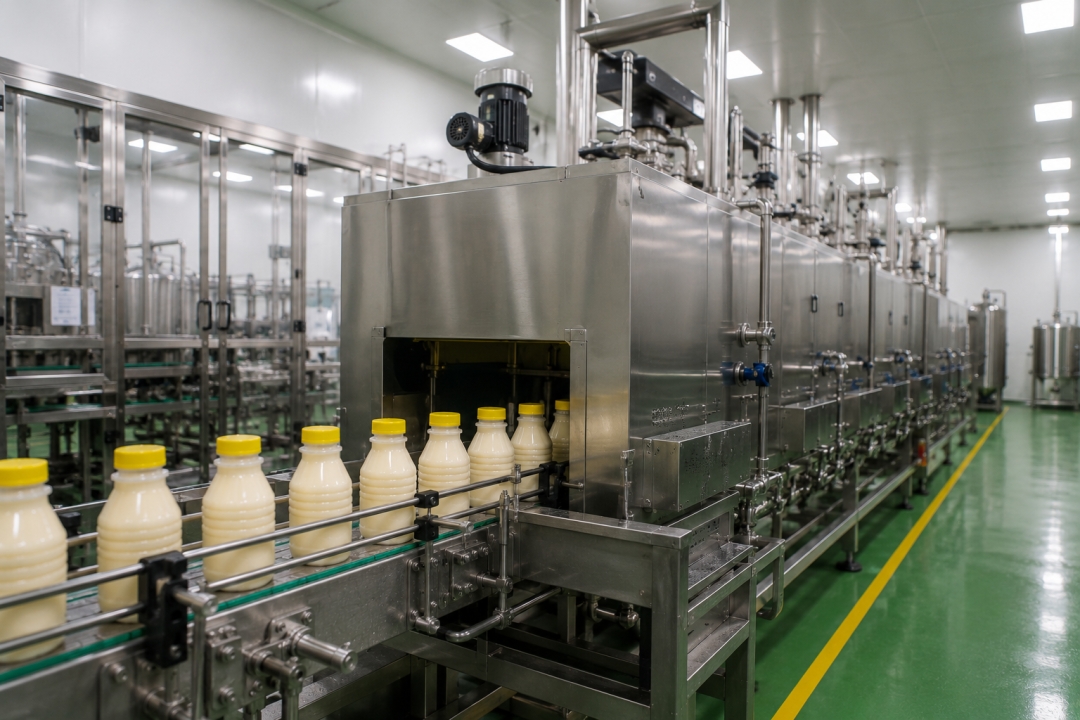
TIANJIN, China – Nov. 24, 2026 – HONGBURG FLAVORMAKER, a food manufacturer with a factory in Tianjin, China, supplies tomato paste in three options for commercial sauce production. Buyers can request a target Brix level for an established recipe, evaluate a high-Brix paste for its concentration and deep red color, or select a high-viscosity hot-break paste when a sauce needs more body. The company’s October 27 buyer guide gives procurement teams published figures for an initial supplier comparison. Sample trials then show how the paste performs in ketchup, pasta sauce or pizza sauce under the buyer’s production conditions.
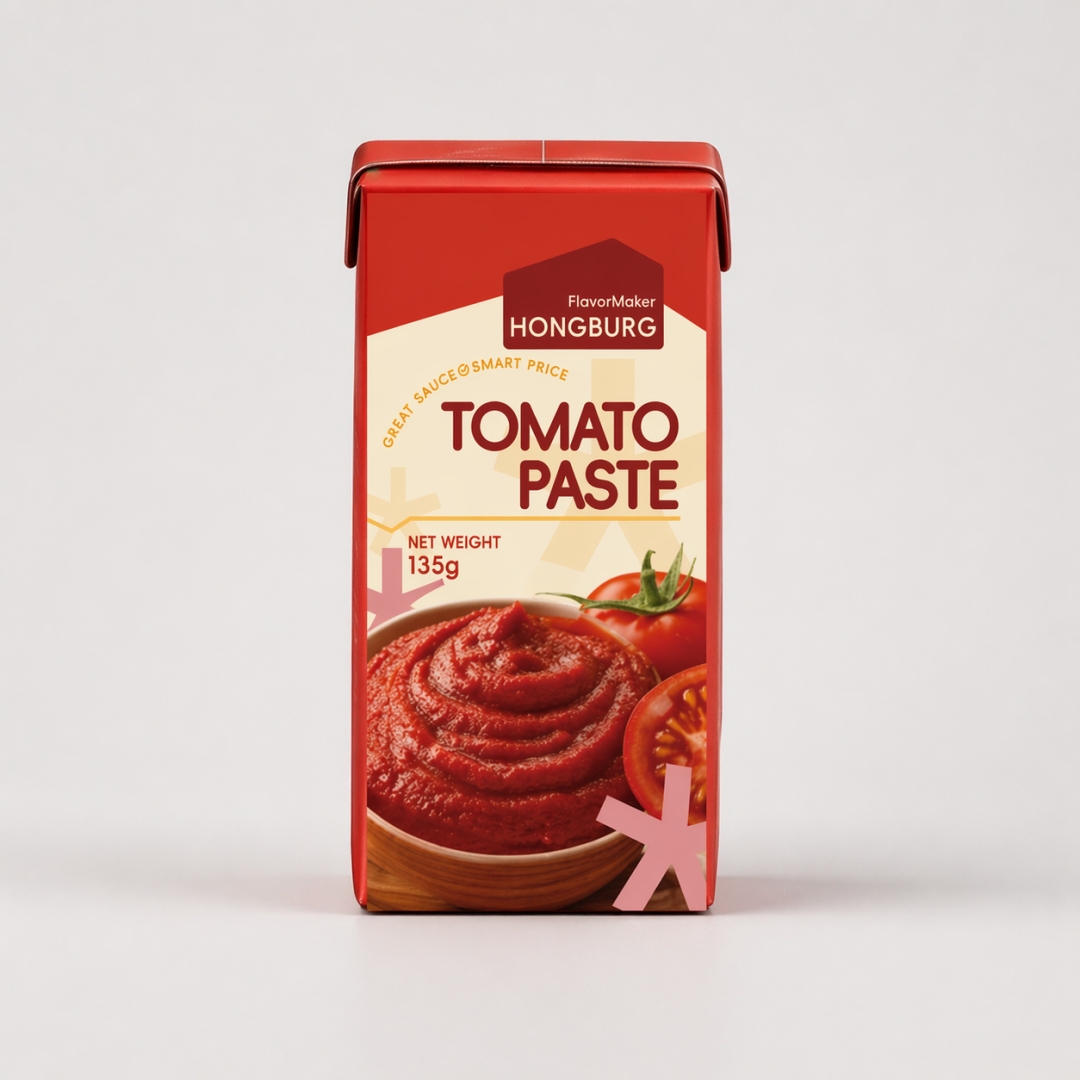
Tomato paste specifications for supplier comparison
Degrees Brix indicate soluble solids concentration, a figure that helps a sauce manufacturer determine how much paste and water to use per batch. The highest concentration grade in Hongburg’s buyer guide is 28–36 °Brix. A processor working to an established recipe can use that range to identify a potential supplier, then specify the target value and acceptable tolerance for its order. Hongburg’s custom-Brix option allows the buyer to discuss that target alongside acidity, salt balance, color and texture before selecting a sample.
Consistency is a separate purchasing specification. Hongburg’s guide lists a Bostwick consistency range of 2.5–6.0 centimeters in 30 seconds for tomato paste. The test measures how far a prepared sample flows along a trough in a set time. A shorter distance indicates a thicker sample under the same test conditions. When comparing supplier figures, procurement teams need the test temperature and sample preparation method, including whether the paste was diluted. Those details make the readings comparable and give the receiving team a basis for checking a delivery.
For color, the guide lists an a/b ratio of at least 1.8 in its standard tomato paste specifications. The ratio describes the balance of redness to yellowness. A brand owner can use it when screening samples for a deep red pasta sauce, then compare the cooked sauces in the intended retail jar. The published figures describe the tomato paste category. Buyers can confirm the values that apply to a particular product code and request a certificate of analysis for the batch they receive.
Matching concentration and consistency to the finished sauce
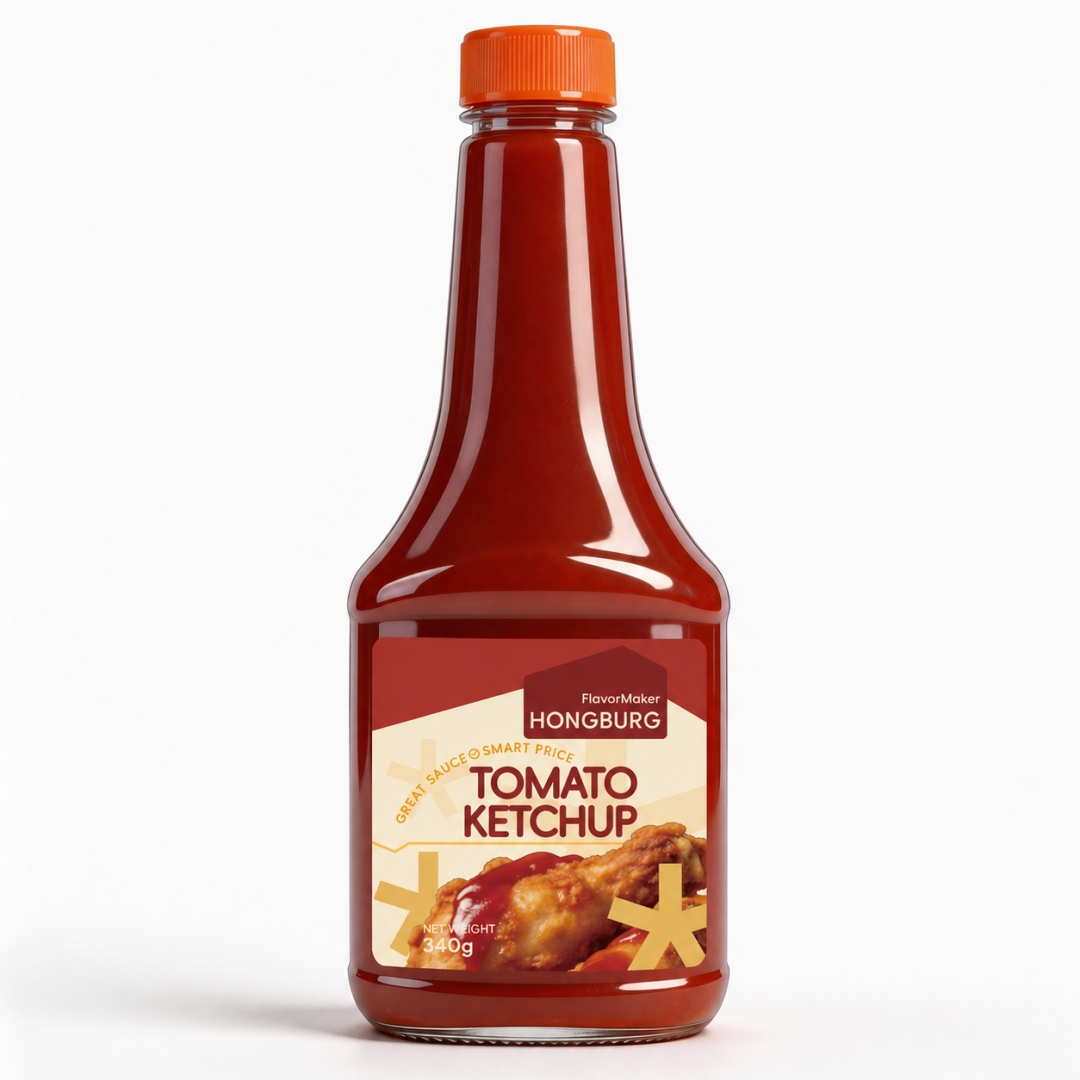
A ketchup manufacturer qualifying a second supplier often has a recipe, a filling line and a squeeze bottle already in use. Hongburg’s custom-Brix paste gives the development team a starting concentration for a side-by-side trial. The processor can prepare tomato ketchup with its usual vinegar, sweetener and seasonings, fill the intended bottle and compare both samples at the same temperature. How readily the ketchup leaves the nozzle, whether the stream stops cleanly and how the portion holds together on a plate are observable criteria for approving the ingredient.
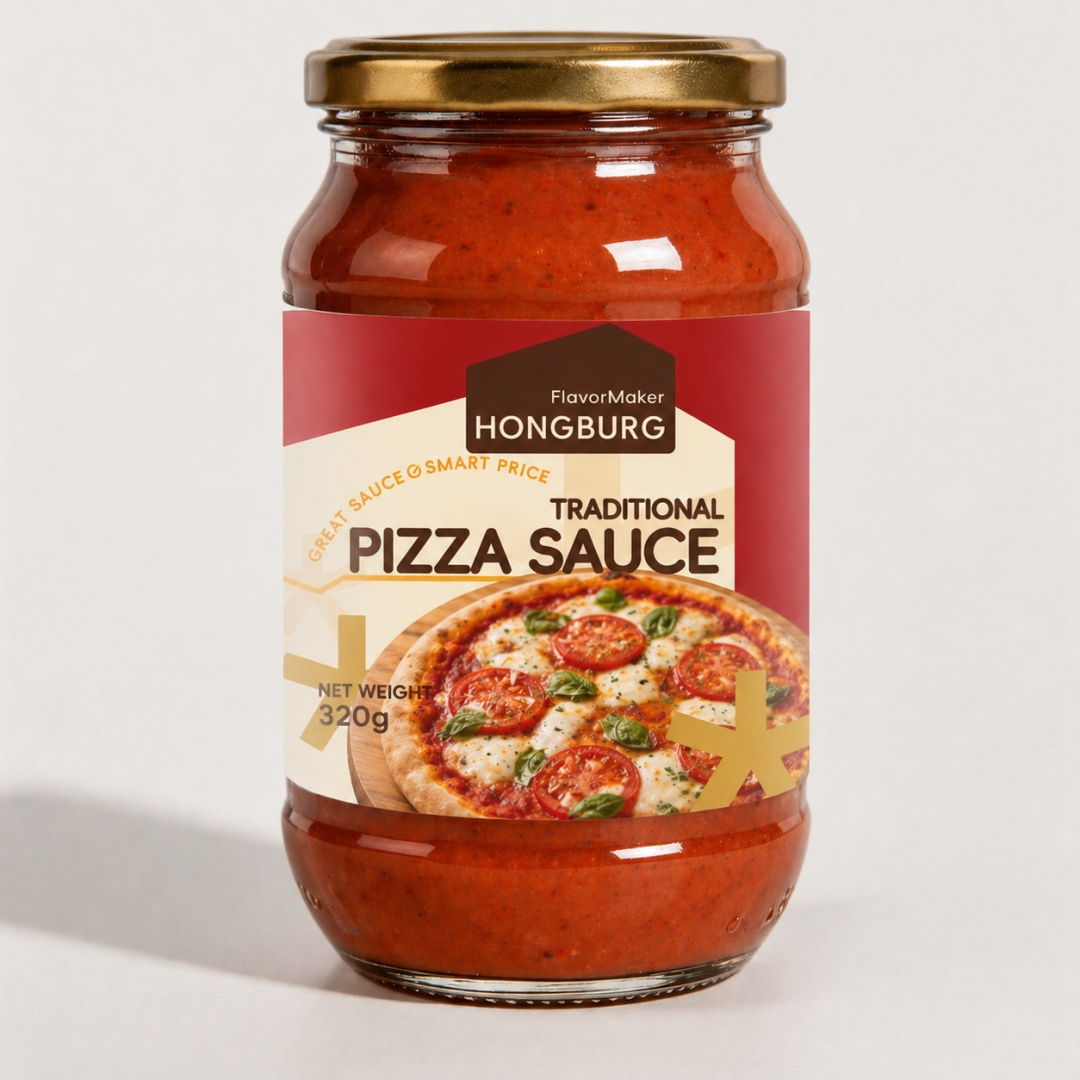
For a pasta sauce producer, the question may be how much tomato flavor and color remain after cooking. Hongburg’s high-Brix, deep-red paste can be tested at the recipe’s normal yield with the buyer’s oil, herbs and vegetables. Comparing finished samples at the same fill weight allows the brand owner to judge the appearance customers will see on the shelf. If the sauce goes into a prepared meal, a portion can also be reheated according to the pack instructions and assessed at serving temperature.
Hongburg’s high-viscosity hot-break paste is an option for pizza sauce and other thick tomato sauces. In hot-break processing, crushed tomatoes are heated early to limit the activity of enzymes that break down pectin, which contributes to sauce body. For a pizza producer, a useful trial is to spread equal portions of two sauces over bases of the same size. The production team can observe how easily each portion reaches the edge, whether it stays in place during topping and how much coverage remains after baking.
Qualifying a supplier for repeat orders
An importer sourcing for a sauce factory can provide Hongburg with the current ingredient specification, a benchmark sample and the factory’s acceptance criteria. A description of the production constraint can be as useful as a laboratory figure. For example, if the factory must keep its existing bottle and nozzle, the supplier knows at the outset that dispensing performance will influence sample approval. This also gives the buyer’s purchasing and technical teams a common basis for reviewing the trial.
Hongburg’s production quality program includes incoming ingredient inspection, blending controls, sterilization, filling and sealing. The company also identifies X-ray detection for foreign material and final inspection before shipment. For a specific order, the buyer can confirm which controls apply to the product and pack, what records will accompany each delivery and which tests its receiving team will use for acceptance.
For OEM and private label projects, Hongburg’s process includes formula development, sample approval, packaging and artwork confirmation, and pilot production before volume manufacturing. Recording the approved sample, specification version, net weight and pack format together helps the factory and importer identify precisely what the purchase order covers. It also preserves a reference if a later shipment behaves differently on the buyer’s line.
Choosing pack size and comparing cost per batch
Hongburg supplies tomato paste in pouches, cartons, glass jars and cans. Its listed can sizes include 400 grams, 800 grams, 2.2 kilograms and 3 kilograms. A foodservice distributor can match the pack to the quantity a kitchen uses at one time. An 800-gram can may suit a kitchen that uses its full contents in one recipe. A central kitchen preparing larger batches can compare the handling time for several smaller cans with the cost and portion yield of a larger format.
For importers selling tomato paste under a retail label, the purchasing decision also covers the individual unit that will reach the shelf. Hongburg supports private label artwork, including multilingual text and barcodes. Confirming the destination market, net weight and label language during sample review lets a distributor assess both the paste and the proposed retail pack before placing a volume order.
Once competing samples meet the processor’s acceptance criteria, the trial provides the quantities needed for a cost comparison. Multiplying each supplier’s price per kilogram by the kilograms of paste used at the same finished yield gives the tomato ingredient cost per batch. The buyer can then compare that cost alongside the result that matters to the customer, whether it is ketchup that dispenses consistently or pizza sauce that covers each base at the kitchen’s agreed portion weight.
About HONGBURG FLAVORMAKER FOOD CO., LTD.
Founded in 2014, HONGBURG FLAVORMAKER FOOD CO., LTD. is an export-focused food manufacturer with a factory in Tianjin, China. Its core products include tomato paste, tomato ketchup, mayonnaise and cheese sauce for retail, foodservice and distribution customers. The company provides OEM manufacturing and private label services, including formula development, packaging selection and label customization.
Media Contact
Company Name: HONGBURG FLAVORMAKER FOOD CO., LTD.
Contact Person: Media Relations
Email: Send Email
Phone: +86 18920189778
Address:No. 2, Fuyun Road, Xinkou Town, Xiqing District
City: Tianjin 300380
Country: China
Website: https://www.hongburg.com