
Xian, Shaaxi, China – November 20, 2026
The two primary active components of rhodiola rosea extract are salidroside and rosavin. Each offers a distinct functional focus: salidroside is primarily associated with anti-hypoxic, Antioxidant, and neuroprotective effects, while rosavin has a separate body of evidence supporting its role as an adaptogen and its benefits for mood regulation and skeletal health.
Kintainutri® offers a range of Rhodiola rosea extract powder ingredients, including salidroside at 1%, 3%, 5%, 10% ,98%, 99%, Rosavins 3% & Salidroside 1% (USP Standard), Rosavins 3% & Salidroside 1% ( EU Standard), and Rosavins 5% & Salidroside 3%, to facilitate easy selection and comparison.
What Are Salidrosides and Rosavins?
What is Salidroside?
Salidroside is a phenolic compound isolated from plants of the genus Rhodiola. Primarily found in their rhizomes and tubers, it serves as the core active ingredient in the traditional Chinese medicinal herb Rhodiola (Hongjingtian). Beyond Rhodiola, it also occurs in other plants, such as Ligustrum lucidum (glossy privet) fruit.
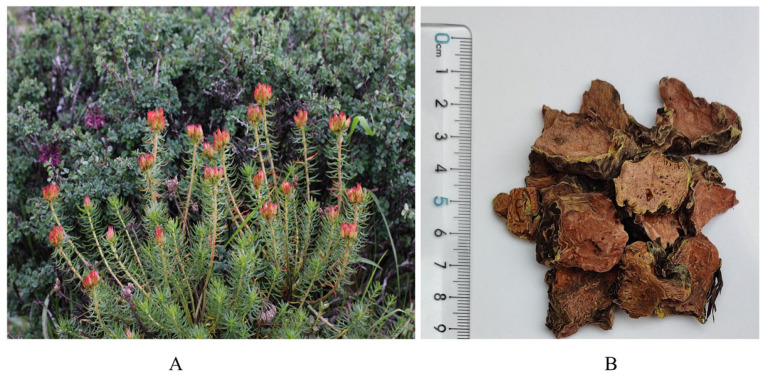
source: https://pmc.ncbi.nlm.nih.gov/articles/PMC11678419/
Rhodiola typically grows in extreme, high-altitude environments, such as those found in the Himalayas, Northwest Asia, and North America, characterized by intense radiation, aridity, and low oxygen levels. Consequently, natural sources of salidroside are quite scarce. It accounts for only about 0.5%–0.8% of the plant’s composition, and the extraction process is both complex and low-yielding.
Due to this unique growth environment, salidroside has been shown to possess a range of biological activities, including anti-hypoxic, antioxidant, anti-inflammatory, anti-tumor, and neuroprotective properties. It has garnered particular attention for its potential applications in the cardiovascular and central nervous systems.
What are Rosavins?
Rosavins are a class of phenylpropanoid compounds found in Rhodiola rosea L. They primarily consist of three structurally similar components: rosavin, rosarin, and rosin. Among these, rosavin is the most abundant and serves as the standard marker for the quality control and standardization of Rhodiola rosea extracts.
As characteristic constituents of Rhodiola rosea, typically absent or present only in trace amounts in other Rhodiola species, they act as key markers for authenticating Rhodiola rosea and distinguishing it from substitutes or counterfeits. Modern research indicates that these compounds are associated with the anti-fatigue, anti-stress, anti-inflammatory, and neuroprotective activities of Rhodiola rosea.
Salidrosides vs. Rosavins: Functional Differences
Benefits of Salidroside
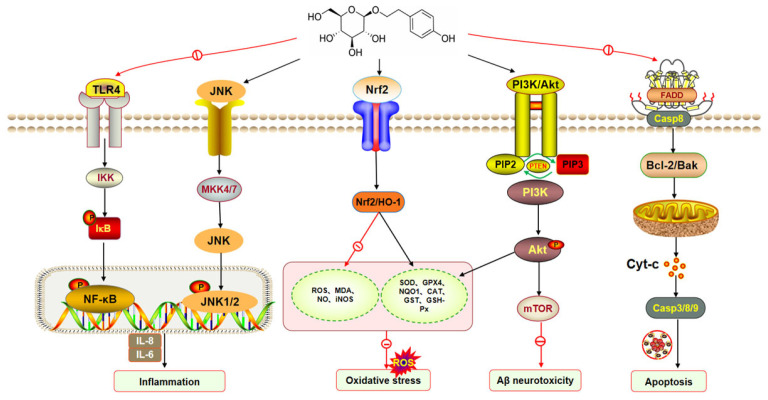
Neuroprotection
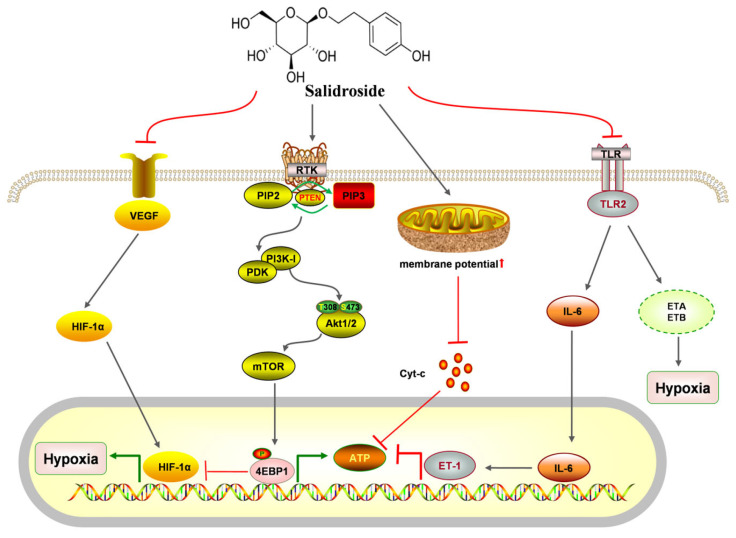
Salidroside demonstrates neuroprotective potential in models of Alzheimer’s disease, Parkinson’s disease, cerebral ischemia, and depression. It helps nerve cells resist oxidative damage and reduces the accumulation of harmful free radicals, while simultaneously mitigating inflammatory responses in the brain and lowering the release of pro-inflammatory factors.
In models of Parkinson’s disease, it further reduces the aggregation of abnormal proteins and protects dopaminergic neurons. Additionally, it supports energy metabolism and autophagic (self-clearing) processes within nerve cells, thereby reducing cell death. These multifaceted, synergistic effects make it an ideal ingredient for the development of products focused on cognitive support and neuroprotection.
Cardiovascular Protection
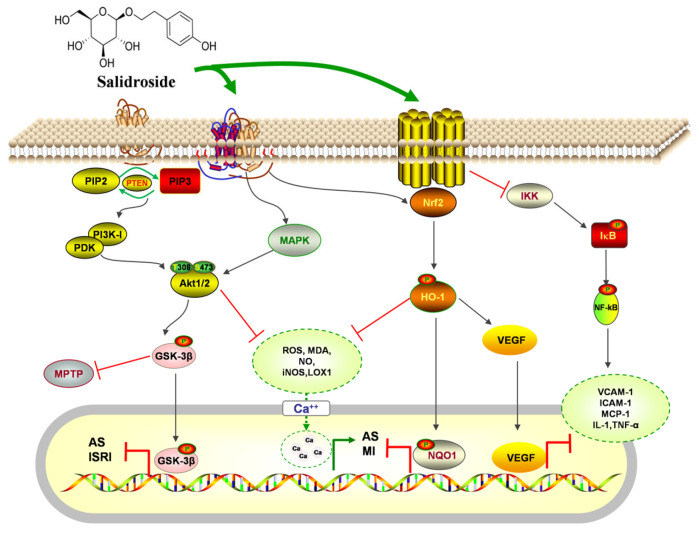
Salidroside exhibits protective effects in the contexts of atherosclerosis, myocardial injury, and the regulation of vascular function. It helps lower blood lipids, reduce the formation of vascular plaques, and alleviate oxidative damage and inflammation along the inner walls of blood vessels.
Regarding myocardial protection, it reduces the release of markers associated with cardiomyocyte injury, helps maintain cellular energy metabolism, and mitigates stress caused by intracellular calcium overload. Furthermore, it promotes vasodilation and collateral vessel formation, while also inhibiting platelet aggregation and improving blood fluidity—offering a multi-target ingredient option for cardiovascular health formulations.
Anti-inflammatory Activity
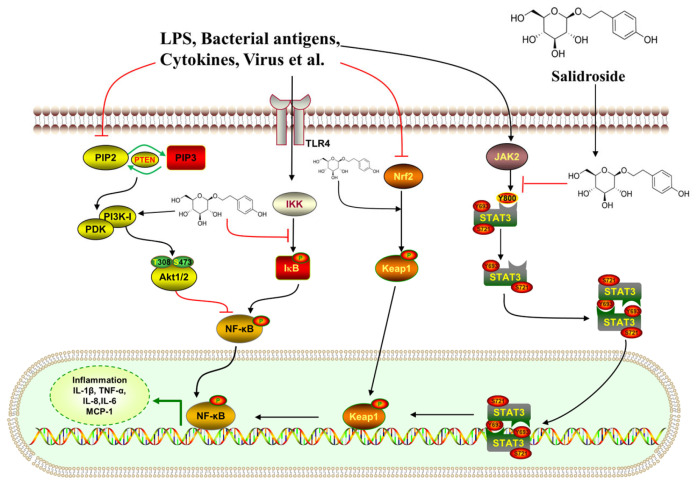
The anti-inflammatory effects of salidroside have been observed across various experimental models. Its core function is to help the body mitigate excessive inflammatory responses by reducing the release of numerous pro-inflammatory factors.
In models involving joint health, it helps protect chondrocytes and alleviate joint inflammation; in models of systemic inflammation, it supports the integrity of the intestinal barrier; and in cases of hypoxia-related liver injury, it helps reduce the severity of inflammation. Moreover, by enhancing the body’s endogenous antioxidant capacity, it can indirectly inhibit inflammation at its source. Its multi-pathway, multi-target anti-inflammatory profile makes it well-suited for formulations targeting joint health, immune balance, and the management of inflammation-related conditions.
Anti-hypoxic Activity
The anti-hypoxic value of salidroside powder serves as a distinctive advantage that sets it apart from other adaptogens. It helps cells maintain viability under hypoxic conditions, mitigates hypoxia-induced vasoconstriction and elevated pulmonary pressure, and preserves the integrity of cardiomyocytes during the process of hypoxia followed by reoxygenation.
In hypoxic renal cells, it also helps alleviate inflammatory damage. Unlike astragaloside or Ginsenosides, which exert anti-hypoxic effects indirectly, salidroside can directly stimulate the production of erythropoietin, thereby enhancing the oxygen-carrying capacity of the blood. This offers unique development potential for applications involving high-altitude sickness, aerospace operations, and exercise-induced hypoxia.
Benefits of Rosavins
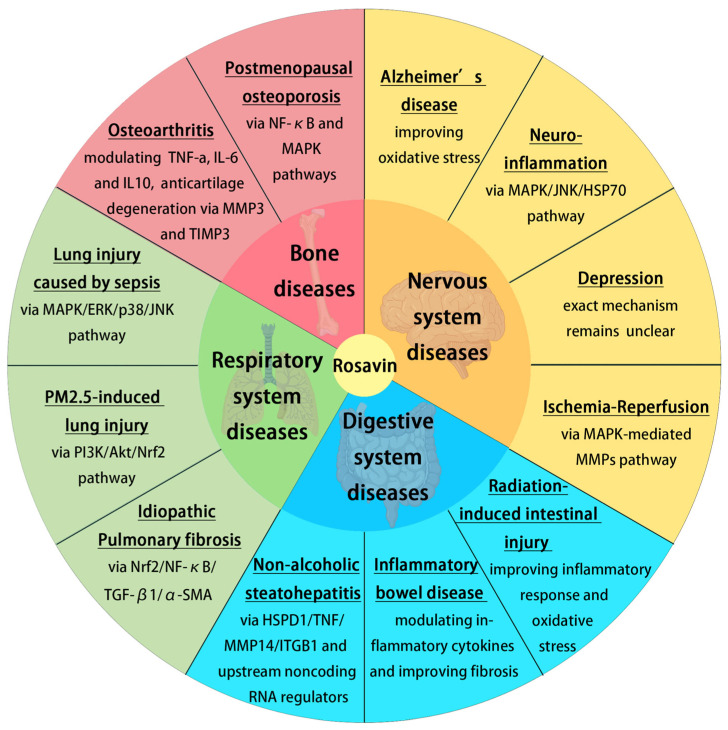
Antioxidant
Rosavin effectively scavenges multiple harmful free radicals and has shown stronger antioxidant capacity than common antioxidants in test models. In aging animal studies, it also boosts the body’s own antioxidant enzyme activity, reduces lipid oxidation products, and improves age-related declines in learning and memory. This makes it a suitable active ingredient for antioxidant and anti-aging formulations.
Lipid-Lowering
A combined extract containing 3% Rosavin and 1% Salidrosidehas been shown to reduce visceral fat weight, promote fat breakdown, limit triglyceride accumulation, and dowNRegulate genes linked to fat formation. Four weeks of Rosavin administration also lowered serum triglycerides, total cholesterol, and LDL, while raising HDL. It fits weight management and blood lipid regulation formulas.
Anti-Fatigue
Rosavin is a key contributor to Rhodiola’s adaptogenic activity and can enhance mental and physical performance after a single dose. In mouse studies, it prolonged weighted swimming time, increased liver and muscle glycogen, and lowered post-exercise blood lactate. At higher doses, its anti-fatigue effect approached that of salidroside, making it suitable for endurance and recovery formulas.
Analgesic
Rosavin significantly relieves cold pain caused by chemotherapy drugs, with effects positively correlated to dosage and linked to 5-HT1A receptors. Combined with B vitamins, Rhodiola extract containing Rosavin also synergistically reduces pain responses, involving nitric oxide, cyclic GMP, and multiple neurotransmitter pathways. It suits pain management and nerve-soothing applications.
Adaptogenic & Anti-Stress
Rosavin is a key contributor to Rhodiola’s adaptogenic activity, helping the body maintain balance under stress. Studies show that extracts containing Rosavin can help regulate stress hormone levels, balance the central nervous system, and reduce stress-induced neuroinflammation, making it suitable for stress management formulations.
Mood & Cognitive Support
Rosavin shows multi-target potential in neuroprotection and mood regulation. In animal models, it reduced abnormal protein deposition, improved motor and memory performance, and showed antidepressant and anxiolytic activity. It also helps reduce brain inflammation and protect nerve cells, which may help ease brain fog and mental fatigue.
Fermented Salidroside
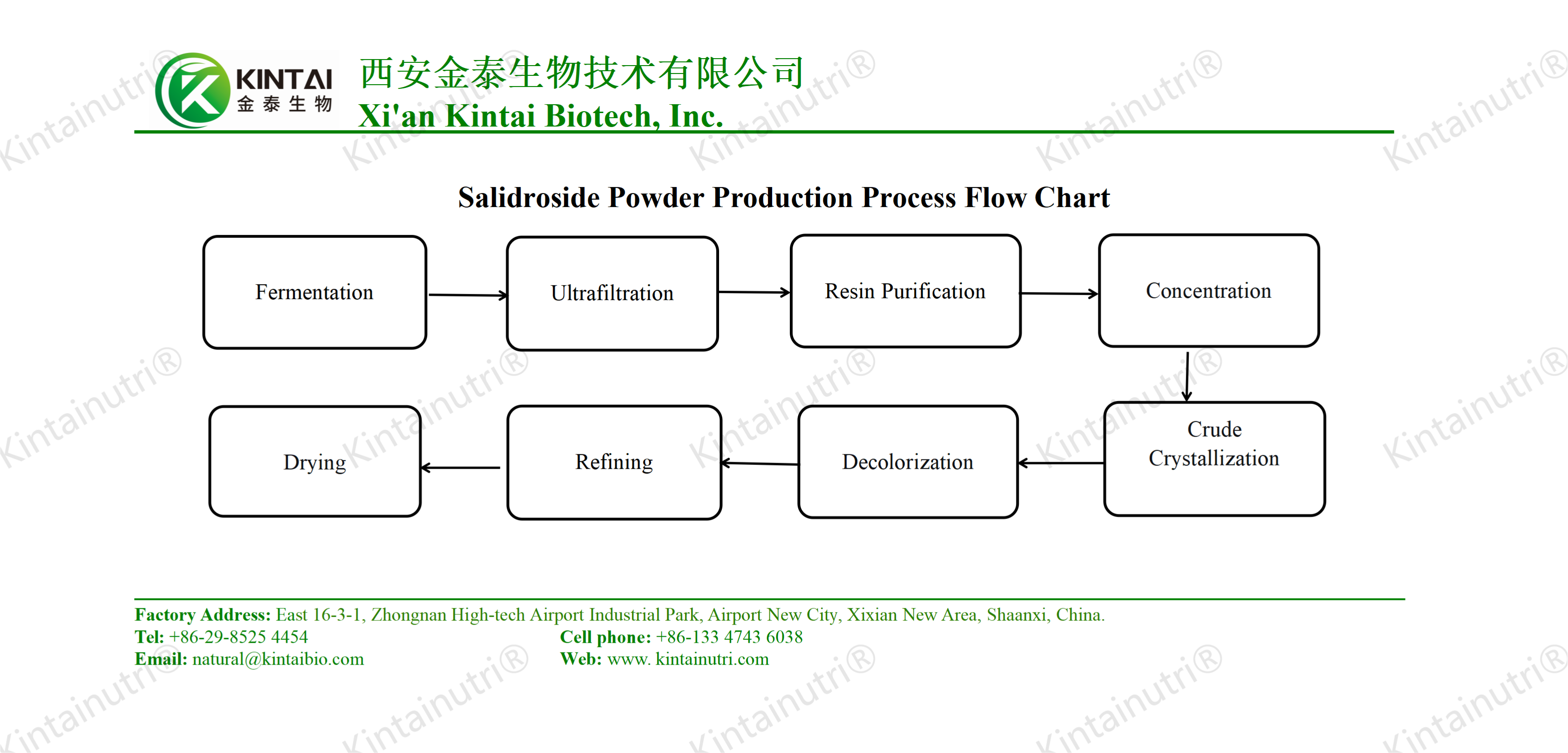
1. Fermentation: Using genetically engineered yeast cell factories, glucose and other clean raw materials are converted into target compounds in large-scale industrial bioreactors under strictly controlled conditions.
2. Ultrafiltration: The fermentation broth undergoes membrane filtration to efficiently remove biomass (cells) and high-molecular-weight impurities, yielding a clean cell-free liquid.
3. Resin Purification: The filtered solution passes through macro-reticular adsorption columns to selectively capture and enrich the target Salidroside molecules.
4. Concentration: The purified eluent is processed through vacuum evaporation systems to reduce liquid volume and optimize subsequent crystallization.
5. Crude Crystallization: Controlled cooling and crystallization steps are applied to precipitate crude Salidroside crystals from the concentrated solution.
6. Decoloration: Specialized decolorization treatments are performed to remove trace pigments and ensure an optimal, bright off-white appearance.
7. Refining: Multi-step recrystallization and purification stages elevate the purity of Salidroside to meet strict high-grade standards (≥98% – 99%).
8. Drying: Advanced vacuum or spray drying technologies are utilized to achieve moisture levels below 5.0%, resulting in a stable, premium-grade finished powder ready for global B2B supply.
Which Specification Should B2B Buyers Choose?
The key to selecting a specification lies in the product’s intended positioning rather than simply comparing the concentration of active ingredients. If the product is designed to combat fatigue, address hypoxia, or enhance exercise endurance, prioritize specifications with higher salidroside content, such as 10%, 98%, or 99%.
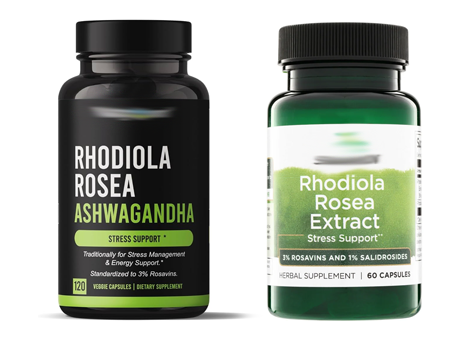
For applications involving adaptogenic effects, mood regulation, or complex formulations, a classic ratio, such as 3% rosavins and 1% salidroside (meeting USP or EU standards), is recommended, as it offers an optimal balance between efficacy and cost. If a higher concentration of active components is required, a specification of 5% rosavins and 3% salidroside may be chosen.
Why Partner with Kintainutri®?
Salidroside has been more extensively studied for its anti-hypoxic, antioxidant, and neuroprotective effects, while rosavins demonstrate distinct value in areas such as adaptogenic effects, mood regulation, and skeletal health. When designing formulations, rather than focusing solely on individual active ingredient concentrations, it is better to select suitable specifications based on the intended positioning of the end product.
Kintainutri® offers rhodiola rosea extract powder in multiple specifications, including salidroside at 1%–99%, Rosavins 3% & Salidroside 1% (USP Standard), Rosavins 3% & Salidroside 1% ( EU Standard), and Rosavins 5% & Salidroside 3%. Contact us to obtain specifications and samples and determine the most suitable raw material solution for your product.
About Us
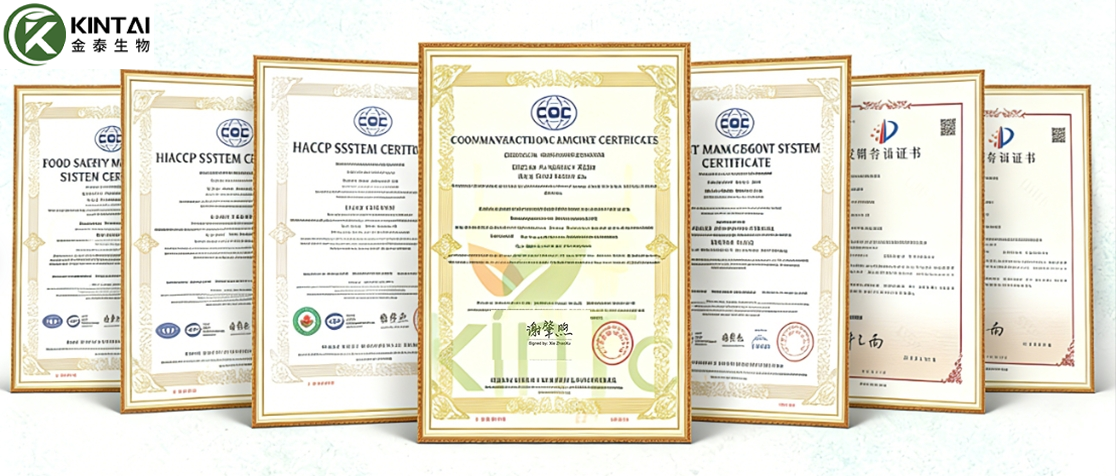
Kintainutri® is a high-tech biotechnology manufacturer in China with over 12,000 square metres of GMP factory and Class 100,000 cleanroom, and 42 professionally trained employees.
Kintainutri® offers a wide range of manufacturing services including testing, formulation, new product development, Original Design Manufacturer and foundry services.
Media Contact
Company Name: Xi’an Jintai Biotechnology Co., Ltd.
Contact Person: Media Relations
Email: Send Email
Country: China
Website: https://www.kintainutri.com/