
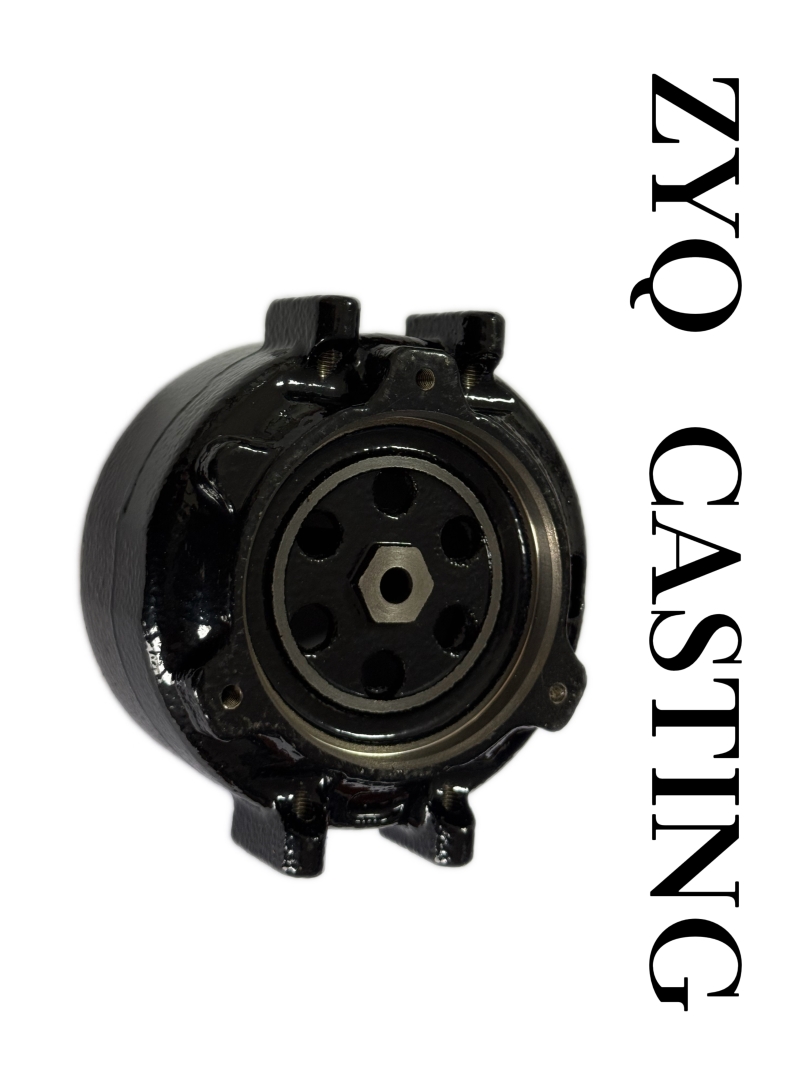
QINGDAO, China – Nov. 20, 2026 – Qingdao Zhaoyuqi Machinery Co., Ltd., a manufacturer of custom iron castings, outlines how original equipment manufacturers (OEMs) and distributors can evaluate lost foam casting for new and replacement pump housings. The review begins with the pump drawing. The foundry needs to establish how to form the internal flow passage, which surfaces must be machined to fit the assembly and what the first sample must demonstrate before production begins.
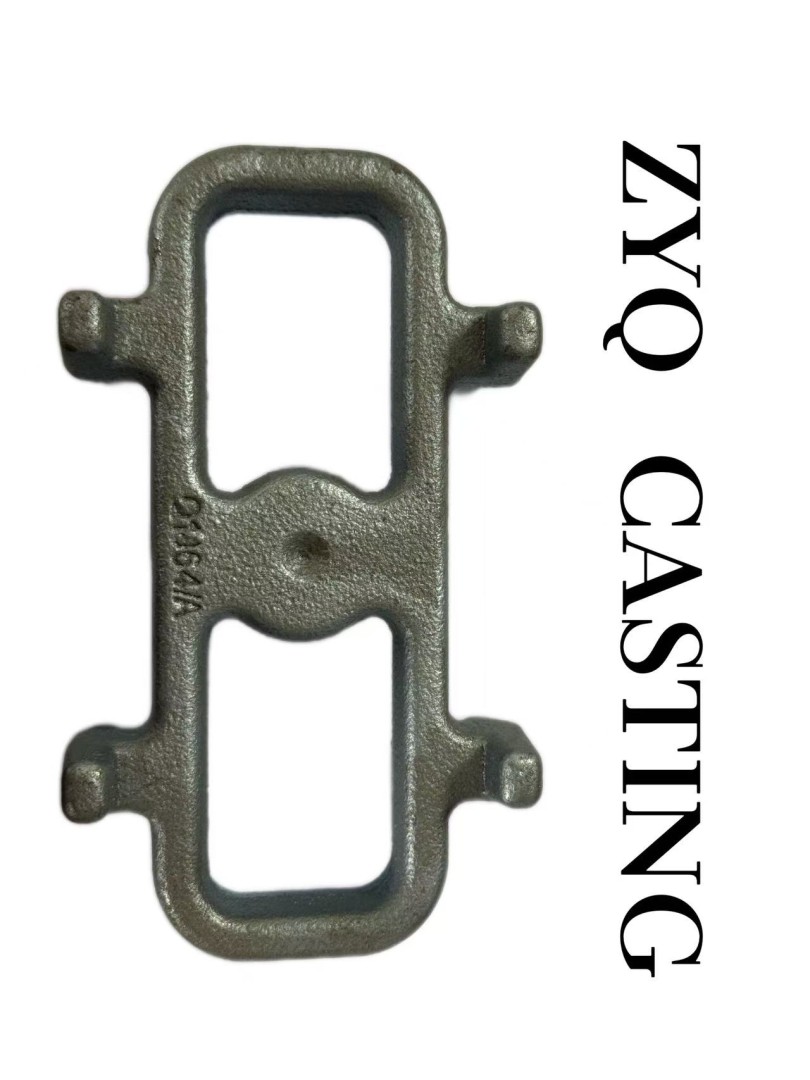
When should OEMs consider lost foam casting for pump housings?
Lost foam casting is worth evaluating for a housing with a curved or irregular flow passage when molding sand can reach and support the geometry. The process uses a disposable foam pattern coated with a refractory material and surrounded by compacted, unbonded sand. As molten iron enters the mold, the pattern decomposes and the metal takes its place. Narrow passages and changes in wall thickness warrant particular review because the sand must fill those areas and the pattern must hold its shape during compaction.
The spiral passage in a centrifugal pump housing, known as the volute, must match the geometry specified by the pump designer. Zhaoyuqi’s pump body catalog also describes using resin sand casting to form the volute. Where both processes are feasible, buyers can compare how each route forms the passage, what pattern and core tooling it requires and how much machining remains. That comparison is most useful when both quotations cover the same order quantity and delivery condition.
What does Zhaoyuqi list for lost foam pump bodies?
The company’s lost foam pump body listing gives a weight range of 50 to 2,000 kilograms and identifies gray iron casting and ductile iron casting as material options. Available operations include computer numerical control (CNC) machining, drilling, tapping, shot blasting and painting. The published range gives buyers a starting point for screening a part. The drawing review then addresses the overall dimensions, wall sections and critical interfaces that determine whether the proposed route is suitable.
Material selection starts with the pump’s fluid, operating pressure and temperature. Zhaoyuqi describes gray iron as an option for low-head water service where the design permits it. Ductile iron grades can be considered where the design calls for specified strength and elongation. A water transfer pump and an industrial process pump may have similar connections but call for different materials, corrosion allowances or coatings. The purchase specification can identify the approved iron grade and which surfaces will contact the fluid, receive a coating or remain exposed after machining.
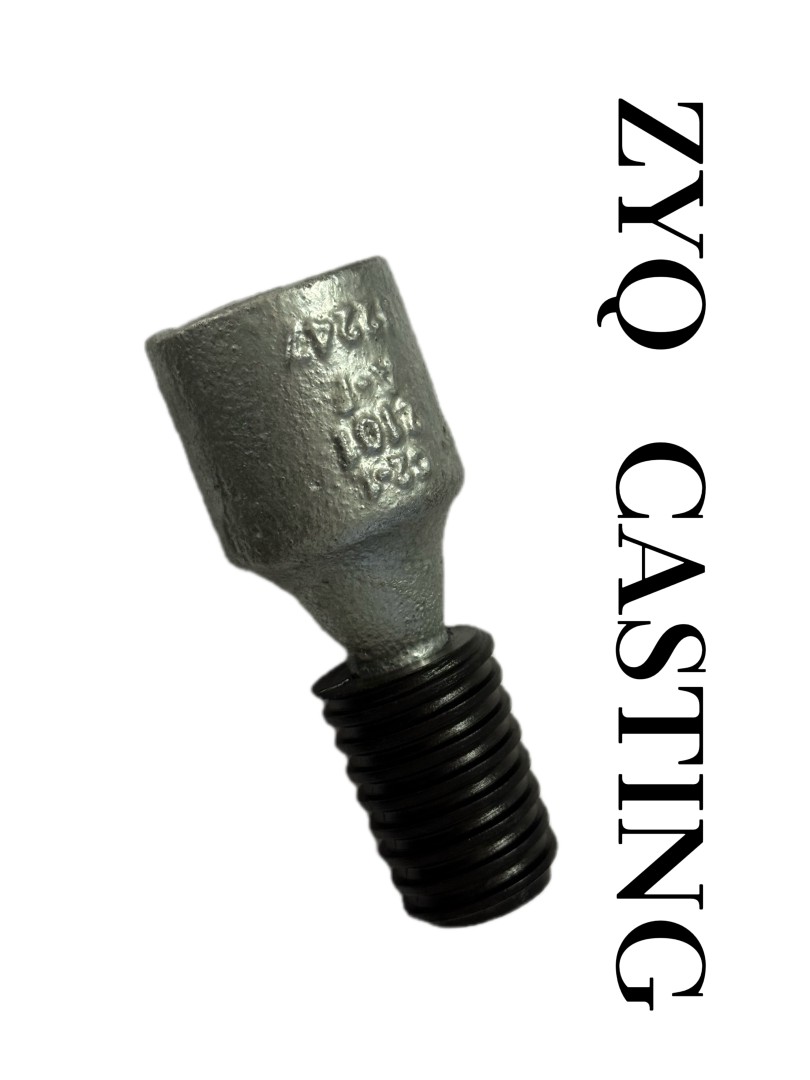
How does a replacement housing fit an existing pump?
Zhaoyuqi reports making replacement housings for pumps whose original manufacturers had stopped supporting them. In its published account, the company used the old housing and the customer’s impeller as manufacturing references. It identifies impeller clearance, the wear ring seat and flange positions as critical to fitting a replacement around components that will remain in service. The company’s account does not specify the casting process or report measured acceptance results for that work.
A worn seat or damaged flange can make the original mating dimensions difficult to establish from the old housing alone. A replacement drawing can document the required impeller clearance and locate the wear ring seat and flanges relative to the parts they must fit. Agreeing on those dimensions before tooling gives the foundry, distributor and equipment owner a common reference for checking the sample.
What should buyers check at sample approval?
Zhaoyuqi’s published OEM workflow starts with a customer drawing and includes sample production and approval before volume manufacturing. For a pump housing, inspection can focus on flange flatness and bolt patterns, the location of mounting points and the alignment of bores and seal interfaces. The drawing should distinguish tolerances for the raw casting from those that apply after machining. It should also identify the reference surfaces used to measure critical features.
For pump bodies with a cored volute, Zhaoyuqi separately describes sectioning a first article and measuring wall thickness on both sides of the passage to check the position of the sand core. Where a project calls for that method, the buyer and supplier can agree where to measure, how to document the results and how many samples will be needed. A sectioned sample can provide access to internal walls, and a separate intact sample can be used for fit checks.
The company’s lost foam pump body listing describes inspection before packing against order requirements. A purchase specification can identify the dimensions that require recorded measurements, the material documentation that should accompany shipment and how production lots should be identified. Where the application requires hydrostatic testing, the order can specify the test conditions, acceptance criteria and stage of production at which the test will take place.
What makes pump housing quotations comparable?
A request for quotation can include the current drawing revision, a three-dimensional model where available, the specified iron grade, expected annual demand and typical order quantities. It should also state the required delivery condition. A raw casting leaves machining to the buyer. A rough-machined housing may still need stock on selected surfaces for final machining. A finished housing requires agreement on the dimensions, threads and sealing faces the supplier will complete and inspect.
Pattern and core tooling, sample production, machining, coating and testing can each affect the quoted price. International buyers can compare those costs against a common delivery scope and confirm tooling ownership, shipping terms and protection for machined surfaces. Separate timing for new tooling, sample approval and repeat production also helps buyers plan initial orders and replenishment.
For OEMs and distributors, the sourcing decision depends on whether the foundry can produce the required passage geometry and deliver a housing that meets the agreed fit, finish and inspection requirements. A shared drawing revision and clear sample acceptance criteria give both parties a reference for comparing quotations, approving the first article and evaluating subsequent production batches.
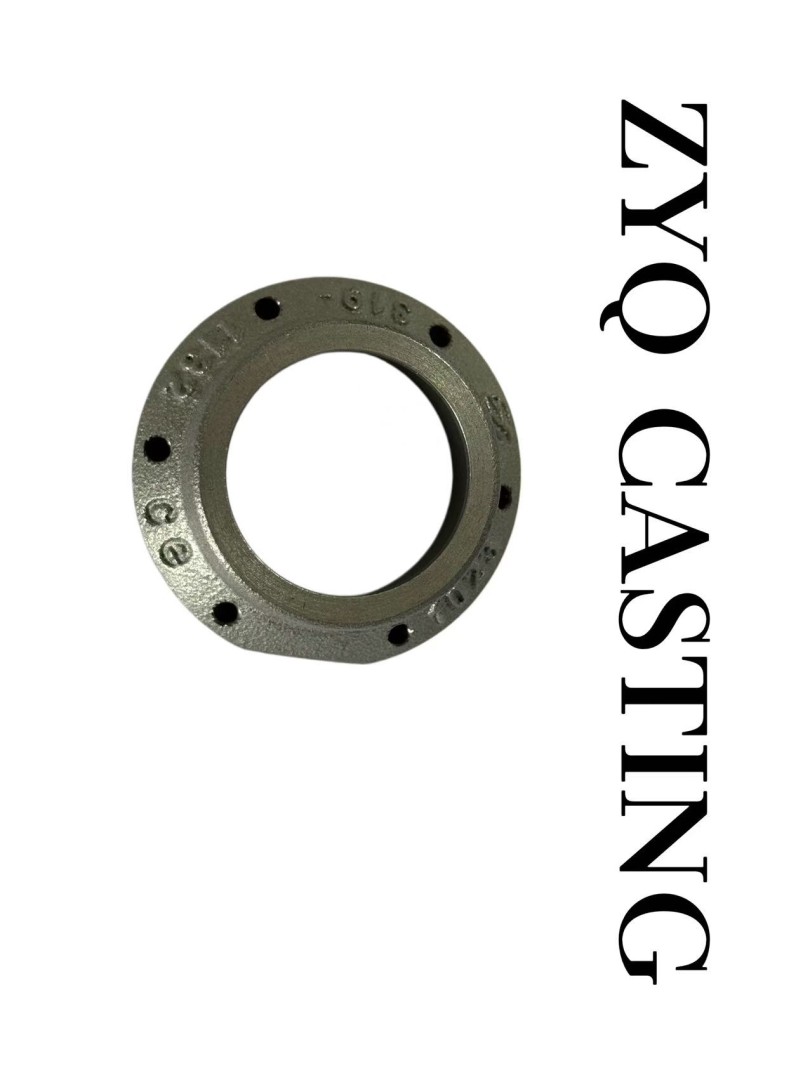
About Qingdao Zhaoyuqi Machinery Co., Ltd.
Qingdao Zhaoyuqi Machinery Co., Ltd. was founded in 2005 and is based in the Jimo District of Qingdao, China. The company manufactures custom gray iron and ductile iron castings for original equipment manufacturers. Its foundry processes include lost foam casting, green sand casting and shell mold casting. Its product portfolio includes pump bodies, pipe fittings and agricultural machinery parts.
Media Contact
Company Name: Qingdao Zhaoyuqi Machinery Co., Ltd.
Contact Person: Nico Yin
Email: Send Email
Phone: 8618561567088
Address:tuanbiao villiage,longshan street,jimo district
City: Qingdao
State: Shandong
Country: China
Website: https://www.ductileironparts.com/