
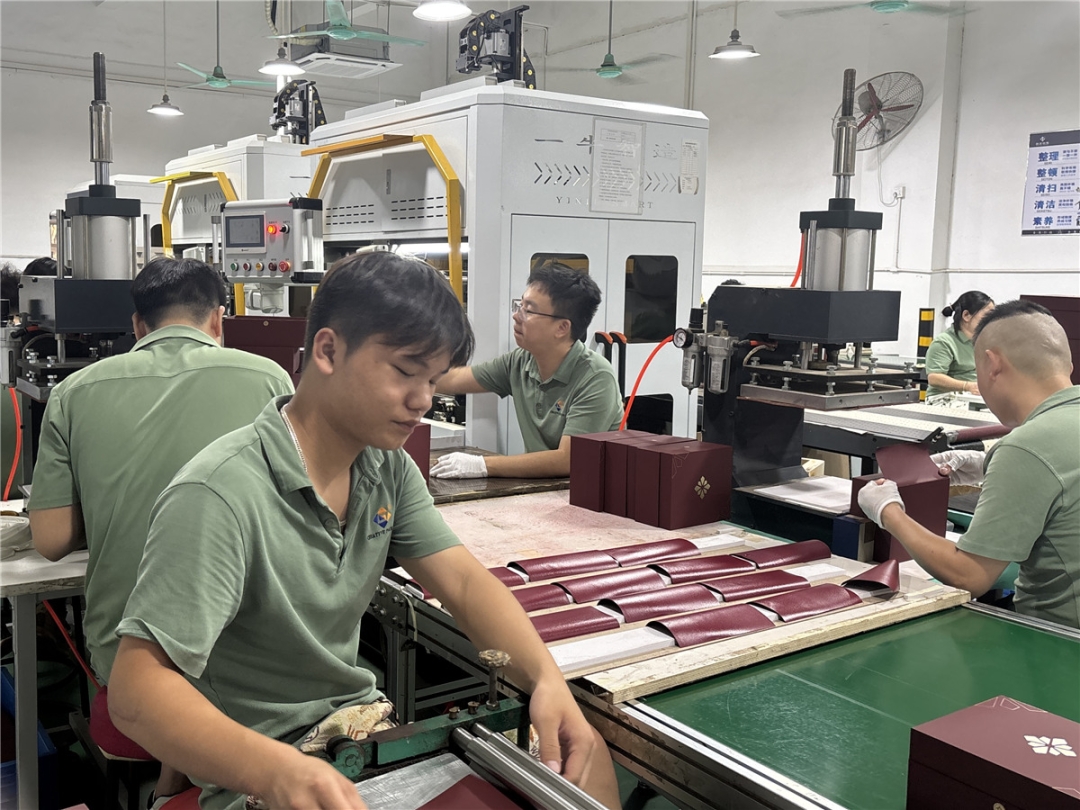
Dongguan, Guangdong Sheng, China – November 18, 2026
Every emerging fragrance founder eventually hits the same invisible wall. Online orders are climbing, discovery sets are converting into full-bottle purchases, and customer reviews rave about your scent profile—yet bank balances feel curiously stagnant. When brand owners audit their expenses to find out where the cash is going, they usually scrutinize Meta ad spend, raw fragrance oil costs, glass bottle tooling, or Shopify app subscriptions. Almost nobody looks closely at the rigid folding cartons, EVA foam inserts, cellophane wraps, and corrugated mailers stacked in the corner of the studio.
Yet for perfume and home fragrance brands, packaging is rarely just a supply cost. It is a live operational workflow, a chemical containment barrier, a silent customer service representative, and a recurring tax on every single bottle you ship.
Most packaging advice aimed at indie perfumers falls into one of two unhelpful extremes. On one side, luxury branding agencies push elaborate, multi-layered unboxing experiences—custom magnetic rigid setup boxes, gold-foil-stamped belly bands, custom-dyed silk ribbons, and heavy embossed booklets—that look stunning on Instagram while quietly bankrupting early-stage margins. On the other side, ultra-frugal operational guides tell founders to buy the cheapest bulk folding cartons available, wrap bottles in loose bubble wrap, and slap a thermal shipping label on a stock mailer, ignoring the hidden costs of shattered glass, micro-leakage, broken atomizers, and forgettable first impressions.
Both approaches miss the fundamental truth of fragrance fulfillment economics: the cheapest-looking perfume box is rarely the cheapest package to run, and the heaviest luxury box is rarely the most profitable.
When you evaluate fragrance packaging as an integrated engineering system rather than a collection of decorative boxes, everything changes. A plain stock folding carton that costs $0.24 per unit becomes an expensive liability if it forces your team to spend four extra minutes hand-wrapping a 100ml heavy-bottomed glass flacon in bubble wrap, triggers dimensional weight (DIM) surcharges from your carrier, or results in a 4% return rate due to crushed corners and leaking crimp pumps. Conversely, a well-engineered starter packaging setup—built around center-of-gravity stabilization, repeatable muscle memory, and one disciplined brand signal—can lower your total cost per order while making your fragrance feel unmistakably haute parfumerie.
This guide flips the traditional packaging playbook upside down. Rather than starting with foil finishes or paper swatch books, we will start with forensic unit economics, glass-and-alcohol failure diagnostics, and operational stress-testing. By looking at your perfume packaging through the lens of total landed cost, physical mechanics, and scalability thresholds, you will learn how to engineer a lean system that protects your margins today and tells you—with mathematical certainty—the exact moment you are ready to graduate to full custom manufacturing.
Part I: The Forensic Economics of a Single Fragrance Parcel
Before you purchase a single roll of tape, a stack of stock kraft cartons, or a batch of foil stickers, you must dismantle a pervasive small-business myth: the belief that your packaging cost equals the invoice price of your perfume boxes and outer mailers.
In reality, the sticker price of your raw paperboard and inserts is often less than half of what a shipped bottle actually costs your business. To build a sustainable fulfillment operation, you need to calculate your True Total Package Cost (TTPC) using a comprehensive operational formula:
If you do not track all five variables simultaneously, optimizing one will inevitably cause another to spike. Cutting your box invoice spend by thirty cents per unit means nothing if it adds ninety seconds of awkward folding, bubble-wrapping, and taping to every bottle you ship.
The Five Hidden Ledgers of Perfume Packaging
To see how these variables interact in the real world, examine what each component actually measures and why ignoring it distorts your business decisions:
Begin with visible materials. Record the outer shipping mailer, inner perfume box, protective insert (EVA, EPE, or corrugated), tamper seal, neck collar, packing tape, thermal labels, and scent blotter or insert cards. Looking only at these unit invoice prices can make cheap, unlined cartons seem economical, even when they demand far more bubble wrap later in the process.
Fulfillment labor is the time between picking a flacon from the shelf and placing the finished parcel in the carrier bin, including carton assembly, bottle seating, and sealing. Complex DIY packaging carries a real labor cost: at a studio wage or time valuation of $24 an hour, each extra minute of fiddly wrapping adds $0.40 to the cost of an order.
Process waste also belongs in the calculation. Track crooked batch stickers that must be discarded, matte black boxes scuffed during packing, torn tissue paper, and mis-creased folding cartons. Handmade workflows rarely achieve a perfect yield, and scrap that goes unrecorded can silently inflate per-unit costs by 8% to 15%.
Damage and leakage allowances should cover the replacement fragrance and glass, outbound reshipment postage, return labels, customer support time, and refunds, spread across the full order volume. Even two shattered 50ml bottles or leaking atomizers in fifty shipments can erase a quarter’s savings from choosing inexpensive boxes.
Finally, account for shipping-space and dimensional-weight (DIM) costs. Measure outer parcel size, filled glass weight, carrier pricing thresholds, and any applicable hazardous-material handling requirements. Oversized, one-size-fits-all shipping boxes can push parcels into higher carrier brackets while requiring more void fill, so paying less for the carton itself may increase the total shipping bill.
The Ten-Order Time-and-Motion Audit
You do not need enterprise ERP software to gather this data. Run a strict, one-week diagnostic audit across ten consecutive real orders packed during a normal, busy workday—not during a quiet Sunday afternoon when you have endless patience. Include a realistic mix of single 50ml/100ml bottles, multi-bottle orders, and discovery sample sets.
Keep a stopwatch and a notepad right beside your packing station. For each of the ten orders, log the exact start time when you reach for the perfume bottle and the stop time when the sealed parcel hits the outgoing carrier pile. Write down every piece of material consumed, including failed attempts—that matte label that picked up a fingerprint, the folding carton flap that creased unevenly, or the extra strip of tape needed to hold a bulky bubble-wrapped cylinder together.
At the end of ten orders, divide your total labor minutes, material spend, and scrap waste by ten. That number is your baseline reality. Before you look at a single supplier catalog or aesthetic inspiration board, establish a non-negotiable Quality Floor built on three operational standards:
Surface & Chemical Integrity: The glass bottle, metal collar, and outer box must arrive completely clean, unscratched, and free of alcohol smudges, ink transfer, adhesive residue, or paper fiber shedding.
Closure & Atomizer Security: The package must remain sealed and protect the fragile crimp pump and heavy cap through automated conveyor belts, sorting drops, and temperature swings without relying on luck.
Brand Consistency: Your primary brand mark, batch code, and mandatory fragrance volume/ingredient labeling must land in the exact same position, with the exact same visual clarity, on every single parcel.
Once—and only once—a packaging setup meets all three conditions of your Quality Floor, you earn the right to optimize for speed and lower material spend.
Part II: Reverse-Engineering the Perfume Package From the Inside Out
Most indie fragrance founders design packaging from the outside in. They fall in love with a soft-touch rigid drawer box or a textured cotton-paper folding carton, order five hundred units, and then try to figure out how to keep a heavy, asymmetrical 100ml glass flacon from rattling around inside without shattering.
Every perfume package you send into the world has four distinct jobs to execute in strict priority order:
Contain & Isolate the glass vessel so heavy caps cannot detach, crimp pumps cannot depress accidentally, and micro-leaks cannot stain outer cartons.
Protect vulnerable glass corners, thick glass bases, and delicate spray nozzles from high-velocity drop impacts and top-down stacking compression.
Explain the olfactory identity, concentration (Extrait, EDP, EDT), and brand story at the exact moment of unboxing.
Direct the customer toward a clear, friction-free next action (maceration/storage tips, layering guides, sample-to-full-bottle voucher codes, or refill programs).
Notice where branding sits on that list: third. If a perfume box fails at containment or impact protection, the most exquisite gold foil stamp in the world merely helps the customer remember who sent them a box soaked in spilled Eau de Parfum.
Matching Structural Shells to Fragrance Physics
Your primary inner box and transit carton share the structural burden. Selecting the right architecture depends entirely on the physical mechanics of your bottle—specifically its glass wall thickness, overall weight, cap mass, and center of gravity.
1. Stock Folding Cartons & Rigid Setup Boxes
Folding paperboard cartons (350gsm–400gsm SBS or kraft board) and two-piece rigid setup boxes are the standard primary vessels for 30ml, 50ml, and 100ml perfume bottles.
The Bottle-Shoulder Locking Rule: Always measure your flacon with its cap fully seated. A perfume bottle’s weakest point is rarely its thick glass base; it is the neck where the metal atomizer collar meets the glass shoulder, and the top clearance above a heavy zinc-alloy or wooden cap. Choose or adapt a box height that leaves of engineered buffer space above the cap so downward stacking pressure on the box lid never drives the cap straight down onto the glass pump neck.
The “Air Penalty” Trap: Never buy an oversized generic box intending to stuff the empty space around the bottle with decorative crinkle paper so the gift feels “generous.” Heavy glass bottles carry high kinetic energy during transit drops. Loose crinkle paper compresses instantly upon impact, allowing the glass flacon to slam directly into the box wall—or into a second bottle in multi-unit orders. A compact, tightly anchored cavity almost always feels more luxurious because the flacon sits presented like a jewel the second the lid lifts.
2. Corrugated Transit Mailers (E-Flute & B-Flute)
While a folding paperboard carton looks refined on a boutique shelf, thin paperboard alone offers almost zero crush resistance inside postal sorting machines. For direct-to-consumer e-commerce, your primary perfume box must travel inside a dedicated corrugated outer mailer (or be engineered as a double-walled corrugated presentation box).
The Compression-to-Weight Rule: Match your board flute grade to your gross glass weight. A single 30ml travel spray can ship safely in a snug E-flute corrugated mailer with proper internal blocking. However, a heavy 100ml thick-bottomed glass flacon weighing over demands a sturdy B-flute outer shipping carton with at least of crush zone between the primary perfume box and the outer shipping walls.
The Corner-Drop Stress Test: Before committing to a bulk mailer size, load your boxed perfume inside, seal the transit flaps, and inspect for any bulging along the center seams. If the inner box presses tightly against the outer shipping wall with zero buffer, any corner impact on the shipping carton transfers 100% of the shock directly into your glass bottle.
3. Discovery Set Tray Boxes & Travel Atomizer Pouches
Sample kits (typically three to eight 2ml–5ml glass vials) and 10ml travel sprays are the primary customer acquisition engine for modern fragrance brands—and a frequent source of silent breakage.
The Vial-to-Vial Collision Rule: Never ship multiple glass sample vials loose inside a velvet pouch or an unpartitioned folding box. Glass vials knocking against each other in transit suffer micro-fractures and leaking sprayers. Pair discovery sets with precision die-cut paperboard cards, slotted EVA trays, or fluted corrugated dividers that isolate every single vial in its own dedicated pocket. (For example, reviewing specialized structural layouts like Creativepack’s custom perfume box inserts demonstrates how precision-cut cavities, neck collars, and multi-vial discovery trays lock glass flacons against multi-axis shock—though you must always verify exact foam density, paperboard caliper, and alcohol-resistance tolerances on your own physical bottle samples before scaling production.)
Part III: Diagnostic Troubleshooting — Fix the Failure Before You Buy the Upgrade
When fragrance founders feel dissatisfied with their current packaging, their instinct is to shop for surface embellishments. They buy custom-printed tissue paper to fix a “plain” carton, or add a wax seal to make a basic shipping box feel more artisanal.
This is treating structural symptoms with cosmetics. Instead, use a Problem-First Diagnostic Filter. Identify the exact operational, chemical, or experiential failure occurring in your fulfillment line, apply the single lowest-cost intervention designed to fix that specific failure, and measure the exact metric that proves whether the fix worked.
If a perfume box looks generic or forgettable, the issue may be the absence of a recognizable focal point when the parcel arrives or opens. A consistent wrap-around paper belly band or matte front label, positioned in exactly the same place on every unit, is a practical low-MOQ fix. Assess the result with a three-second shelf or unboxing recognition check and by watching for organic customer unboxing shares.
When bottles arrive scuffed, caps detach, or atomizers leak, suspect excessive vertical headroom, unsupported bottle shoulders, or glass-on-glass contact. Try a die-cut corrugated neck collar, a high-density foam pad near the base or cap, or a smaller primary carton. After a ten-second multi-axis shake test, there should be no audible rattle; also track the percentage of orders showing leakage after transit.
Glue stains, pale fold creases, or alcohol smudges on dark and textured boxes often point to porous uncoated stock that absorbs moisture or oils, or to folds made without proper scoring. Anti-scuff matte lamination or dyed-through core board can help. Before a bulk order, wipe sample surfaces with 95% perfumer’s alcohol, make twenty test folds, and check that no ink rubs off and no white score-line cracks appear.
A packing line that feels slow and exhausting is often weighed down by wrapping every bottle in bubble wrap, cutting loose filler, or assembling complicated origami-style cartons. Replace these steps with pre-cut corrugated sleeves or auto-lock bottom cartons, and stage inserts in weekly batches. Compare average packing seconds per order across a timed set of ten orders to see whether the change helps.
If shipping charges are eroding margins, oversized outer cartons may be triggering carrier DIM rates or adding unnecessary void-fill weight. Move to E-flute or B-flute mailers sized to the actual footprint of the primary perfume box. Measure the average cubic volume of each parcel alongside the carrier’s real charge for each outbound shipment.
Repeated questions about scent longevity or sprayer priming suggest that usage, maceration, or storage guidance is either missing or buried in confirmation emails. Place a high-contrast fragrance care and discovery voucher card directly above the flacon so customers see it immediately. Monitor repetitive support tickets each week and the redemption rate of the discovery-to-full-bottle offer.
When boutiques reject a product for shelf display, check whether the packaging stands upright, communicates concentration and volume clearly, and shows tamper evidence. A tidy top-and-bottom seal and a structured front/back label with a barcode and appropriate INCI information may solve the problem. Evaluate shelf readiness with retail buyers and make sure no bottles tip over during counter handling tests.
By forcing every packaging change through this diagnostic table, you stop spending money on decorative clutter that fails to protect fragile glass or speed up your packing bench.
Part IV: The Single-Signal Branding Strategy
Small fragrance brands routinely waste money by layering five weak decorative touches onto a single parcel: a patterned outer mailer, printed tissue paper, a foil sticker, decorative twine, and a multi-page glossy brochure. Instead of creating niche luxury, competing visual elements create visual clutter—and multiply your packing time per bottle.
The highest-leverage branding strategy on a tight budget is Single-Signal Precision: choose one primary brand touchpoint, execute it with obsessive architectural consistency across every unit, and only add a second element when it serves a clear functional or regulatory purpose.
Evaluating Your Five Core Low-MOQ Touchpoints
Wrap-Around Paper Belly Bands
Operational Advantage: The single cleanest way to transform unprinted stock rigid boxes or folding cartons into bespoke fragrance packaging without paying for custom die-plates or high minimum order quantities (MOQs).
Execution Rules: Use the belly band to carry essential fragrance metadata—scent name, olfactory notes pyramid, concentration (e.g., Extrait de Parfum 30%), and volume. Keep mandatory INCI allergen lists and batch numbers on a clean bottom utility label so the front aesthetic remains uncluttered.
Precision Front & Bottom Roll Labels
Operational Advantage: Enables rapid catalog expansion. You can purchase 2,000 identical blank cartons at a low volume price tier and differentiate ten different fragrances simply by applying SKU-specific front labels.
Execution Rules: Always specify oil- and alcohol-resistant synthetic BOPP or coated textured stocks with permanent acrylic adhesives. Standard uncoated paper labels absorb stray fragrance droplets during filling and turn translucent or peel away in humid bathrooms.
Custom Rubber Stamps & Solvent-Resistant Pigment Inks
Operational Advantage: One precision-engraved brass or polymer stamp can brand outer corrugated mailers, kraft discovery envelopes, and blotter cards for fractions of a penny per impression.
Execution Rules: Standard water-based craft ink smears the moment a damp hand or stray spray touches it. Test archival pigment or solvent-based quick-dry inks directly on your actual carton stock, allow them to cure, and perform a wet-finger and alcohol-mist rub test.
Functional Scent Blotter & Care Cards
Operational Advantage: A printed card justifies its cost and weight only when it elevates the olfactory ritual or drives repeat bottle revenue.
Execution Rules: Print your insert on heavy, uncoated cotton paper so it doubles as a physical scent blotter strip for a secondary fragrance sample. Front-load practical utility: “Spray on pulse points—do not rub. Let settle for 15 minutes to experience the dry-down. Enjoy 15% off your 50ml flacon with code SCENT15.”
Tamper-Evident Security Seals
Operational Advantage: Essential for both e-commerce hygiene assurance and brick-and-mortar retail counters where shoppers are tempted to open boxed stock instead of using the counter tester.
Execution Rules: Place a crisp, branded tamper-evident seal across the top tuck flap. Test the adhesive peel on your carton’s coating—it must tear the paper fibers or leave a clear “opened” void pattern if lifted, rather than peeling off cleanly and re-sticking.
Seven Proven Low-Complexity Fragrance Combinations (And How to Stress-Test Them)
To keep moving parts low, pair one structural base with one primary brand signal. Before rolling any combination out across your store, run the corresponding stress test on ten sample units:
Stock Rigid Setup Box + Printed Paper Belly Band: Ideal for 50ml/100ml flagship Eau de Parfum bottles. Primary Risk: Belly band sliding loose during transit or tearing at the corners when customers slide it off. Mandatory Test: Slide the band off and back on five consecutive times and shake the boxed bottle vertically.
Unprinted Folding Carton + Textured Alcohol-Resistant Front Label: Best for agile indie catalogs with 8+ scents. Primary Risk: Label corners lifting on curved edges or smudging when exposed to fragrance mist. Mandatory Test: Apply two drops of finished perfume near the label edge, let dry for 24 hours, and check for adhesive lift or ink bleed.
Die-Cut Corrugated Tray + Branded Sleeve (Discovery Set): Tailored for 5x2ml or 6x3ml sample kits. Primary Risk: Glass vials slipping out of slots during postal sorting and clinking together. Mandatory Test: Load all vials, slide into sleeve, shake vigorously end-over-end for 15 seconds, and inspect for glass contact.
E-Flute Corrugated Mailer + Interior Stamped Lid + Corrugated Neck Collar: Lean direct-to-consumer shipping setup for single bottles. Primary Risk: Heavy bottle shifting upward and striking the stamped lid during upside-down drops. Mandatory Test: Seal mailer, drop from waist height onto the top face, and inspect cap and ink integrity.
Heavy Kraft Retail Bag + Die-Cut Scented Hang Tag: Built for niche perfume pop-ups, markets, and boutique pickups. Primary Risk: Heavy glass bottle bottoming out a thin paper bag or tag string snapping. Mandatory Test: Load bag with two 100ml boxed bottles and carry briskly for three minutes.
Double-Walled Tube/Box + Molded Pulp or High-Density Foam Insert: Built for cross-country and international air freight. Primary Risk: Rigid foam crumbling under heavy drop impact or shedding dust onto black glass bottles. Mandatory Test: Drop packed parcel onto all six faces and two corners from 36 inches, then inspect bottle surface under bright light.
Standardized Multi-Bottle Shipper + Cotton Blotter Voucher Card: Designed to boost repeat orders on multi-SKU bundles. Primary Risk: Card slipping beneath dividers and getting thrown away unseen. Mandatory Test: Seat card face-up directly over the central bottle recess so it is the first tactile item touched upon opening.
Part V: Field Recipes — Five Ready-to-Deploy Fragrance Packaging Systems
Theory only matters when it survives a Tuesday morning fulfillment rush at the studio bench. Below are five complete, battle-tested starter packaging blueprints calibrated to specific fragrance business models, bottle weights, and operational budgets. Start with the recipe closest to your catalog, and modify only one variable at a time.
Recipe 1: The High-Velocity Discovery Set Kit
Best For: 2ml–5ml sample packs, seasonal scent wardrobes, and paid-trial customer acquisition funnels where low shipping weight and rapid assembly protect customer acquisition cost (CAC).
The Bill of Materials: One precision die-cut paperboard or corrugated multi-vial holder + one snug outer tuck sleeve + one universal brand belly band + one cotton blotter card with a full-bottle redemption code.
Why It Works Financially: Economy of scale through universal outer hardware. Whether a customer orders the “Woody & Spicy” discovery kit or builds a custom 5-sample bundle, the outer sleeve and insert tray remain identical. The parcel stays thin enough to qualify for lightweight domestic parcel rates while preventing glass-on-glass vial breakage.
Optimization Metric: Track two numbers over 30 days—average assembly time per kit (aim for under 50 seconds) and your sample-to-full-bottle conversion rate driven by the top-seated voucher card.
Recipe 2: The Boutique & Pop-Up Retail Handoff Kit
Best For: Niche fragrance pop-ups, artisan markets, showroom consultations, and local click-and-collect orders.
The Bill of Materials: One primary folding carton sealed with a tamper-evident sticker + one reinforced flat-bottom kraft or matte paper retail bag + one thick cotton scent blotter sprayed at checkout and slipped inside the bag.
Why It Works Financially: Eliminates corrugated shipping cartons and heavy void fill entirely while engineering a high-touch sensory handoff. Carrying a scented blotter inside a structured bag creates an immediate olfactory trail as the customer walks through the venue, turning every buyer into a walking scent diffuser for your brand.
Critical Safeguard: Never use thin, unreinforced gift bags for heavy glass flacons. Two 100ml bottles easily exceed paper stock with reinforced cardboard bottom boards and knotted cord or wide ribbon handles.
Recipe 3: The High-Trust Flagship Flacon Kit (50ml / 100ml)
Best For: Core Eau de Parfum and Extrait de Parfum lines where heavy glass bottles, luxury caps, and pristine presentation govern brand perception and repeat loyalty.
The Bill of Materials: One snug primary carton fitted with a high-density EVA foam or precision-folded corrugated neck-and-base insert + one alcohol-resistant wrap-around belly band + one right-sized B-flute outer shipping mailer.
Why It Works Financially: Capital is concentrated entirely where physical risk and perceived luxury intersect: locking the glass shoulder against vertical shock, keeping the heavy cap isolated from the lid, and eliminating messy bubble wrap at the packing bench.
Critical Safeguard: Keep loose decorative fillers—dried botanicals, shredded crinkle paper, raw jute twine, or dyed tissue—strictly outside the primary bottle chamber. Dried flowers shed dust that clings to metal atomizers, and loose paper shreds fail to stop a heavy glass bottle from slamming into carton walls during transit drops.
Recipe 4: The Fragrance Subscription & Scent Club Assembly Line
Best For: Monthly 10ml travel spray subscriptions, seasonal decant clubs, and VIP member boxes where a small team must assemble hundreds of identical parcels on a tight monthly deadline.
The Bill of Materials: One standardized outer corrugated mailer box + one reusable or die-cut travel atomizer cradle + one rotating monthly olfactory story & notes card + one tamper-evident exterior seal.
Why It Works Financially: Structural consistency creates assembly-line velocity. Rather than re-engineering box dimensions or protective foam every month, you lock the structural insert in place and express monthly novelty solely through the printed olfactory story card and atomizer label.
Critical Safeguard: Pre-assemble outer mailers and stage monthly cards in ergonomic bins before fulfillment day begins. Time your packing line before and after adding any decorative flourish—if tying a ribbon bow around each box adds 35 seconds across 500 subscribers, that single detail just cost you nearly five hours of studio labor.
Recipe 5: The Refillable & Low-Waste Apothecary Kit
Best For: Clean fragrance houses, botanical perfumers, and refillable flacon systems serving eco-conscious customers who scrutinize packaging waste.
The Bill of Materials: One single-family unbleached FSC-certified kraft folding carton + molded paper pulp or precision-folded corrugated internal cushion + water-activated reinforced kraft paper tape on the outer shipper.
Why It Works Financially: Consolidating to a single mono-material paper family eliminates plastic foam tooling, simplifies inventory SKUs, and reduces total parcel weight.
Critical Safeguard: Avoid making broad “100% recyclable or plastic-free” claims simply because a box looks brown and natural. Audit your complete Bill of Materials—including hidden BOPP plastic laminations, synthetic hot-melt glues, magnetic closures, and non-recyclable pump assemblies—and communicate honest, accurate disposal and bottle-refill instructions.
Part VI: Workshop Prototyping — Engineering a Protective Perfume Insert & Box From Scratch
Before you spend hundreds of dollars on custom steel cutting dies or minimum production runs—or when you launch a limited-edition flacon shape—knowing how to draft and build an accurate structural prototype in your studio is an indispensable skill.
Hand-cutting boxes becomes a financial trap if you try to make them one by one for daily e-commerce orders. However, building one precision prototype reveals exact glass clearances, tests cap-to-lid buffer zones, and gives your manufacturer an unambiguous physical benchmark.
Step 1: Measure the Flacon & Cap Envelope
Place your fully assembled perfume bottle (with atomizer crimped and decorative cap seated) upright on a flat surface. Measure maximum Length , Width , and Height using digital calipers rather than a flexible ruler—even a $1.5 error on a thick glass base will prevent the bottle from seating properly.
Step 2: Draft a Clean Structural Net With Internal Neck Lock
Using a sharp pencil and metal ruler, draw the unfolded 2D box net onto heavy layout paper first before touching expensive board stock:
Lay out the central base panel and extend the four side walls outward to height .
Draft an integrated fold-in neck collar or false-bottom platform that grips the shoulder of the bottle or elevates the base by off the bottom panel to create a bottom crumple zone.
Step 3: Cut and Score With Precision Tools
Transfer your verified net onto paperboard or E-flute corrugated sheet. Use a heavy-duty metal straightedge, a self-healing cutting mat, and a fresh utility blade.
Always score fold lines firmly with a bone folder before bending the board.
Never fold unscored board by hand; the outer paper fibers will crack and whiten along the spine, ruining the luxury aesthetic and weakening corner rigidity.
Step 4: Assemble, Load, and Cure Overnight
Apply a thin, even bead of fast-grab PVA glue or high-tack double-sided bonding tape to the structural glue flaps. Square the corners at strict 90-degree angles and hold until set. Load your filled perfume bottle inside, close the lid, and leave the box undisturbed overnight. The next morning, inspect for four subtle defects: adhesive odor lingering inside the box (which interferes with scent evaluation), glue tabs lifting under glass weight, lid bulging above the cap, or bottle tilt when turned horizontal.
Part VII: The Pre-Launch Stress-Testing Protocol for Glass & Liquid SKUs
No fragrance packaging system—whether assembled from stock mailers or hand-drafted in your studio—deserves to go live across your storefront until it survives real-world transit abuse. Parcels drop off automated sorting belts, get stacked beneath thirty-pound cartons, and ride in freezing winter trucks or sweltering summer vans.
Before purchasing bulk inventory of any packaging recipe, execute this Five-Point Fragrance Stress Test:
The Multi-Axis Shake & Inversion Test: Pack the filled perfume bottle inside the sealed box and transit mailer, then shake it briskly up-and-down, side-to-side, and upside-down for fifteen seconds. Listen closely. Any audible glass thud or cap rattle indicates excess void space that will cause label scuffing or pump loosening over a 1,000-mile journey.
The Top-Load & Corner-Crush Check: Press firmly with the palm of your hand against the center of the top lid and squeeze opposite corners. If the lid bows downward and touches the top of the perfume cap, increase your top buffer clearance or upgrade to a rigid setup box or double-walled corrugated sleeve.
The Alcohol & Oil Rub Check: Spray one mist of your highest-concentration fragrance onto a fingertip and rub it across your box exterior, belly band, stamped ink, and front label. Wait ten minutes, then wipe with a dry white cloth. If ink transfers, matte coating turns sticky, or paper fibers pill, upgrade your ink or lamination specification immediately.
The Waist-High Multi-Face Drop Simulation: Pack a real water-filled test bottle (to avoid wasting expensive fragrance oil while preserving exact liquid weight) inside your complete primary box and transit shipper. Drop the sealed parcel from waist height (roughly 36 inches) onto a hard floor three times: once flat on the base, once on a long edge, and once directly on a corner. Open and inspect for hairline glass cracks, loosened crimp collars, or bent carton corners.
The Live Carrier “Ghost Shipment”: Mail one fully packed test order through your actual shipping carrier to a friend, relative, or your own home address via your standard shipping tier. Photograph both the outer shipper and the inner perfume box before dispatch and immediately upon arrival. Seeing how your box survives real postal hubs provides irreplaceable diagnostic proof.
Part VIII: Operational Adaptation Across Fragrance Business Models
A packaging architecture that thrives in one sales channel can cripple another. Align your system with the specific operational rhythm of your fragrance business model:
Indie Eau de Parfum & Extrait Houses (Direct-to-Consumer): Speed, glass survival, and DIM weight efficiency govern your margins. Standardize around two or three outer shipper footprints that cleanly house your 10ml, 50ml, and 100ml cartons without loose bubble wrap. Keep batch codes and compliance labels modular so you can release small-batch macerated runs without reprinting entire box inventories.
High-Volume Discovery Set & Decant Subscriptions: Your primary enemy is repetitive assembly bottlenecks and vial breakage. Standardize your outer mailer across the entire year, use precision die-cut trays that snap open in one motion, and track seconds-per-kit rigorously before approving any custom ribbon or wax seal.
Boutique Retail, Showrooms & Pop-Up Events: You are designing for human hands, upright shelf stability, and immediate scent comprehension, not corrugated postal chutes. Customers should be able to pick up the carton comfortably, read the fragrance notes clearly at arm’s length, and trust the tamper-evident seal. When scaling up boutique handoffs, studying structured options like CREATIVEPACK’s custom paper bags can help you benchmark reinforced flat bottoms, heavy paper weights, and luxury cord handles capable of carrying multiple heavy glass flacons safely—just be sure to test carry strength and ink finish on physical samples before ordering.
Luxury Niche & Prestige Collections: Presentation and mechanical isolation must work together seamlessly. Heavy zamac or wooden caps must sit firmly without tilting, glass shoulders must lock cleanly into velvet-lined EVA or molded pulp cavities, and closed lids must never press down onto raised spray nozzles. Exploring structural benchmarks such as CREATIVEPACK’s luxury perfume packaging boxes is a smart way to compare magnetic rigid boxes, drawer-style slide boxes, and precision inner tray architectures as design references—while always confirming fit against your exact bottle caliper measurements.
Part IX: Crossing the Rubicon — When DIY Packaging Becomes More Expensive Than Custom
Stock boxes paired with belly bands and off-the-shelf mailers are an extraordinary launchpad. When your catalog has two or three standard bottle sizes, order volume is steady, and packing fits smoothly into your daily studio routine, assembling stock components preserves working capital and gives you total flexibility to test new scents.
However, every growing fragrance brand eventually crosses an invisible inflection point where DIY workarounds stop saving money and start acting as a brake on growth. When hand-cutting foam inserts, bubble-wrapping bottles, or absorbing transit breakage claims begins eroding margins and retail credibility, transitioning to custom-engineered perfume packaging shifts from a luxury expense to a cost-saving investment.
Use this Operational Inflection Matrix to determine whether to stay DIY or begin requesting custom manufacturing quotes:
Weekly order volume is one of the first signals. Stock or DIY packaging can remain sensible when orders are small, predictable, or seasonal and fit comfortably into existing studio hours. If volume climbs week after week and packing regularly spills into evenings and weekends, it is time to request custom perfume packaging quotations.
Flacon geometry and product variety make a similar difference. One or two standard cylindrical or rectangular bottles often fit stock cartons cleanly. Custom glass molds, heavy asymmetrical caps, or multi-piece gift sets such as a 50ml bottle paired with a 10ml travel spray call for accurately tailored cavities and may justify a custom system.
Watch labor bottlenecks closely. If each bottle can be packed in under 60 to 90 seconds without cutting inserts by hand or using excessive bubble wrap, the DIY setup may still work. When employees spend their time folding dividers, trimming foam, and applying several wraps per order, custom inserts and faster structural packaging deserve a cost comparison.
Presentation tolerance is another decision point. A growing indie brand may accept small variations in hand-applied labels or belly bands. A premium launch that requires every insert cavity, foil logo, and lid reveal to align within millimeters needs the repeatability of approved custom production.
Transit conditions and damage claims matter as well. Stock solutions can be appropriate for lighter 30ml to 50ml bottles shipped over short domestic routes with virtually no glass breakage or leaks. Longer domestic or international journeys, heavier 100ml-plus flacons, crushed corners, and increasing pump-leak complaints make engineered custom protection more compelling.
Finally, consider the retail channel. Direct-to-consumer orders can succeed with a single consistent brand touchpoint. By contrast, perfume boutiques, department stores, and international distributors may demand shelf-ready rigid packaging and a more controlled presentation, which can make custom production the better investment.
How to Prepare a Bulletproof Perfume Packaging Supplier Brief
When the matrix above tells you it is time to explore custom manufacturing, never email a factory asking vaguely, “How much do custom perfume boxes cost?” Vague inquiries generate bloated estimates, mismatched board thicknesses, and weeks of sampling delays.
Instead, compile a concise, engineering-led Supplier Brief built directly from your ten-order audit and stress-test notes:
Exact Bottle & Cap Caliper Dimensions: Maximum length, width, height, and filled gross weight of each glass flacon (plus notes on heavy caps, glass shoulders, or tapered walls).
Insert & Impact Protection Requirements: Preferred internal structure (high-density EVA foam, velvet-flocked blister/foam, molded paper pulp, or precision-folded E-flute corrugated insert) and drop-test survival targets.
Chemical & Surface Resistance: Requirements for anti-scuff matte lamination, oil/alcohol-resistant coatings, and low-odor adhesives so packaging never contaminates the fragrance experience.
Target Studio Assembly Workflow: How fast your team needs to load and close each box (e.g., crash-lock auto-bottom folding cartons for rapid fulfillment vs. two-piece rigid setup boxes for prestige gifting).
Shipping & Retail Channel: Whether the box travels inside a master corrugated shipper, goes directly into postal mailers, or sits upright on backlit boutique shelves.
Artwork, Finishes & Structural Preferences: Vector dieline artwork, Pantone/CMYK brand colors, foil stamping, embossing, debossing, and reference box styles (such as drawer boxes, clamshell magnetic boxes, or shoulder-neck rigid boxes).
Target Landed Cost & Volume Forecast: Your realistic budget per unit alongside initial trial run quantities and projected quarterly replenishment volumes.
Armed with a clear engineering brief, you can evaluate specialized packaging manufacturers systematically. For instance, established packaging partners like CREATIVEPACK guide fragrance brands through a structured development workflow spanning structural dieline engineering, insert cavity prototyping, material surface testing, mass production, and pre-shipment quality inspection—and reviewing their custom packaging capabilities and structural options can help you formulate sharper technical questions. Regardless of which supplier you evaluate, always confirm current minimum order quantities (MOQs), FSC material certifications, production lead times, and physical pre-production sample approvals tested with your actual filled glass bottles before signing a purchase order.
Part X: Rapid-Fire Operational FAQs for Fragrance Founders
How do I make low-budget perfume packaging look unmistakably luxury? Discipline and structural fit beat decoration every time. Commit to one snug, crisp carton with zero rattling, one tactile brand touchpoint (such as a textured cotton belly band or matte foil label) placed in the exact same position on every unit, and one heavy cotton scent blotter card inside. Eliminate loose filler clutter and invest extra budget only where it protects the glass bottle or drives repeat orders.
What is genuinely the cheapest packaging setup for a new indie perfume brand? The lowest total cost—accounting for assembly labor, scrap waste, dimensional shipping weight, and breakage risk—is a right-sized stock folding carton fitted with a simple die-cut corrugated neck/base insert, paired with an alcohol-resistant front label and a snug E-flute outer shipping mailer. Never judge cheapness by box invoice price alone; a $0.20 unlined carton that requires three minutes of bubble-wrapping and still suffers a 3% glass breakage rate costs far more than a $0.65 structured box-and-insert setup that packs in twenty seconds with zero damage.
Should I choose EVA foam, corrugated paperboard, or molded pulp for my perfume box insert? It depends on your bottle weight, brand positioning, and sustainability goals. High-density EVA foam (often topped with velvet or paper) offers superior shock absorption and crisp custom cutouts for heavy 100ml glass flacons and luxury rigid boxes. Precision-folded corrugated or heavy paperboard inserts are cost-effective, lightweight, and ideal for 30ml–50ml folding cartons and discovery sets. Molded paper pulp delivers strong eco-credentials and rigid protection for clean beauty brands once order volumes justify custom mold tooling.
How can I verify that my perfume box won’t ruin the scent or smudge during filling? Always test physical samples with your actual finished fragrance before ordering bulk production. Perform an overnight closed-box odor check (to ensure cheap industrial glues or inks do not off-gas inside the box) and conduct a direct alcohol-spray rub test on all printed surfaces and labels to verify zero ink bleeding or adhesive lifting.
Bringing the System Together
Great fragrance packaging is not merely a decorative vessel; it is a repeatable engineering and operational habit. By measuring your true five-ledger cost across ten real orders, anchoring your Quality Floor around glass safety and chemical integrity, locking your bottle’s center of gravity from the inside out, and applying a single disciplined brand signal, you turn your packing bench from a daily bottleneck into a quiet profit driver. Start lean, stress-test every box against real-world drops and alcohol exposure, and let your own operational numbers tell you the exact moment it is time to scale up to custom structural packaging.
About Us
Dongguan Creative Packing Co., Ltd., located in Dongguan — China’s renowned manufacturing hub, is a professional manufacturer specializing in high-end custom packaging boxes. With 17 years of dedicated experience in the packaging industry, we have grown into a trusted partner for luxury brands and premium consumer goods companies worldwide.
Media Contact
Company Name: Dongguan Creative Packing Co.,Ltd
Contact Person: Creative Packing
Email: Send Email
Country: China
Website: https://www.luxurypacking.com/