
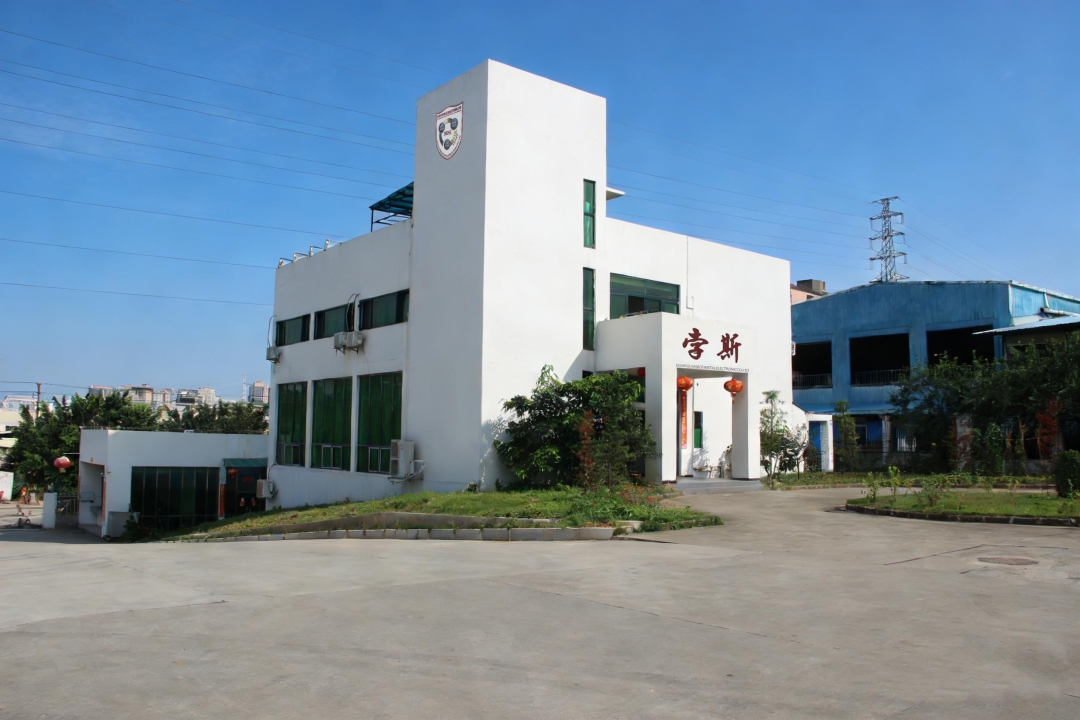
DONGGUAN, China – November 13, 2026 – Dongguan Bosi Hardware Electronic Co., Ltd., operating under the BOSI brand, manufactures customized EMI shield components and provides supporting prototyping, stamping die development and production services. Its existing capabilities give international OEMs and sourcing professionals a manufacturing route to evaluate from initial component design through repeat supply. With shielding technology central to its precision metal business, BOSI addresses requirements associated with electronics assemblies, including automotive and medical equipment applications.
The company’s offering brings several related purchasing decisions into one technical discussion: which material suits the component, how the proposed geometry can be sampled, which production process will be used, and how conformity will be assessed. This connection between engineering development and manufacturing preparation forms the focus of BOSI’s custom shielding services.
Material Selection for Custom EMI Shields
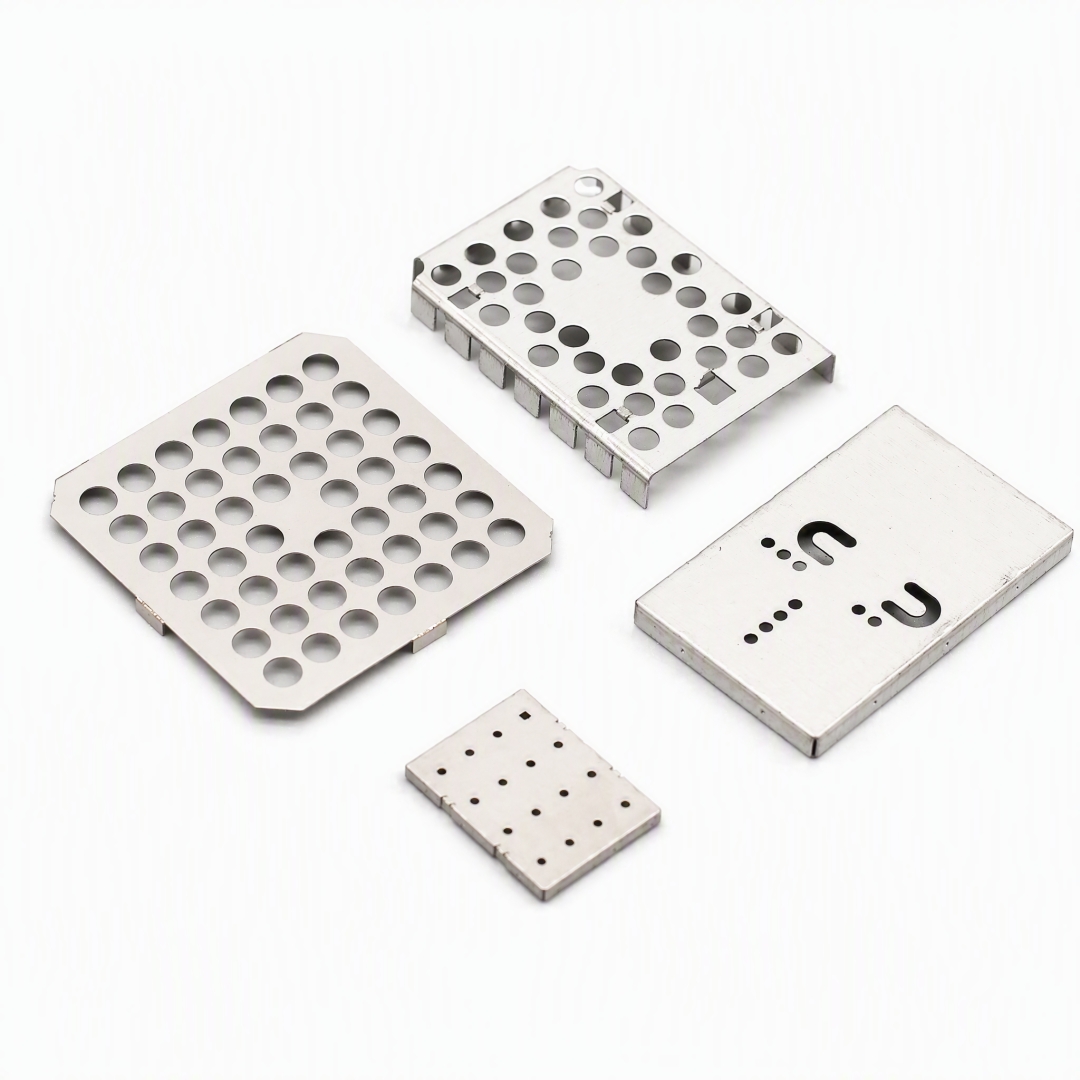
BOSI offers phosphor bronze, stainless steel and tinplate for customized EMI shielding covers. Its product information identifies customer-defined specifications, ultrasonic cleaning, and packaging options including blister trays and carrier tape. These details establish a starting point for matching the supplied component to the customer’s drawing and assembly requirements.
Material selection belongs within the broader design review. The chosen material must be considered alongside thickness, geometry, surface requirements and the intended joining process. For procurement teams, specifying these characteristics together creates a clearer basis for quotation than requesting an EMI shield by external dimensions alone.
BOSI also lists RF shield products with customized specifications and similar material options. This related product category supports discussions involving radio-frequency interference, while the final configuration remains tied to the customer’s operating conditions and equipment design. A material option establishes manufacturing availability; application suitability requires assessment of the proposed component within its intended assembly.
Shielding Covers for PCB and Equipment Applications
BOSI’s shielding portfolio includes PCB covers, module covers and metal shielding cans. Its product descriptions identify uses in devices such as mobile phones, computers and GPS equipment. This range connects the company’s component offering with electronics designs in which available board space, component clearance and mounting arrangements influence the cover configuration.
Within automotive and medical electronics, BOSI identifies automotive radar, vehicle entertainment systems and ECG monitoring equipment among its shielding application areas. Its solution materials also address the interaction between openings, electromagnetic leakage and heat dissipation. These subjects illustrate why shielding procurement needs an engineering brief that extends beyond the basic shape of the cover.
For buyers evaluating a manufacturer, the relevant question is how those requirements will be translated into a producible component. Drawings, installation details and operating conditions provide the basis for reviewing material and geometry before sample fabrication. The intended application then guides validation of the assembled design.
Prototype Fabrication Before Tooling Investment
BOSI provides prototype services for shielding covers, battery contact plates and metal spring components, including fabrication without dedicated production dies for suitable designs. Its prototype service information identifies repeatability reaching 0.01 millimeters and shielding cover flatness reaching 0.02 millimeters. These figures describe stated prototype capabilities; the applicable acceptance limits depend on the specific part and agreed inspection method.
The company also describes German computer-controlled precision bending equipment with a material thickness range of 0.04 to 1.0 millimeters. This equipment supports the development of customized metal components before the production tooling route is finalized.
A physical sample allows engineers to examine mounting alignment, installation clearance and access to surrounding components. Findings from that review can be incorporated into the drawing before a production die is commissioned. This gives OEM procurement teams a defined approval stage between the initial design proposal and tooling expenditure.
Prototype approval also establishes a reference for subsequent development. Where sample fabrication and production use different processes, the transition requires confirmation that the production method can reproduce the agreed characteristics.
Stamping Tooling and Production Preparation
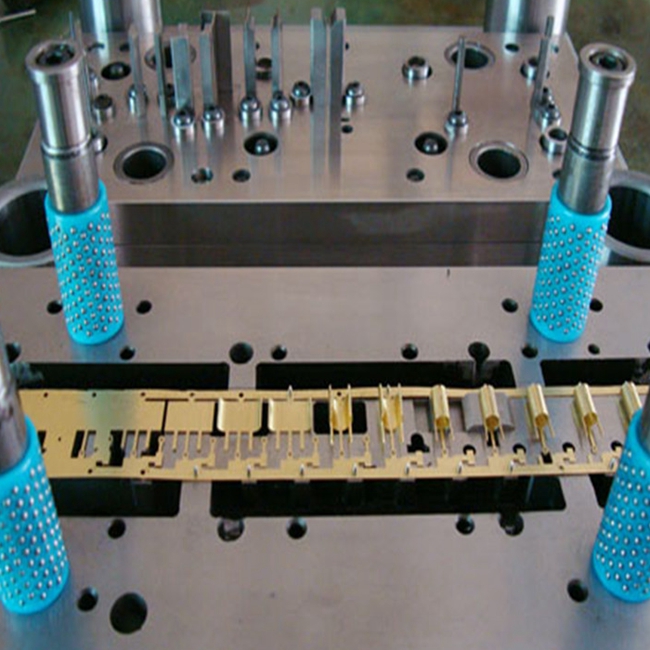
BOSI’s tooling portfolio includes punch die products and stamping tooling covering progressive, compound and single-process dies. Its tooling information lists mold lengths reaching 1,500 millimeters and suitable material thicknesses from 0.05 to 5.0 millimeters. The company also describes independent stamping die design and a workshop equipped with low-speed and high-speed punching machines.
These capabilities support the manufacturing discussion that follows prototype evaluation. For a customized stamping part, production preparation involves selecting the tooling approach, identifying critical dimensions and agreeing on inspection requirements. The tooling range is separate from the prototype bending range, so the two should be assessed against their respective manufacturing tasks.
BOSI’s broader portfolio includes spring clip, battery contact, precision terminal and precision metal bracket products. For an OEM sourcing several metal components within an electronics program, this range provides related capabilities to examine during supplier qualification. Each component retains its own material, dimensional and functional requirements.
How Custom Shielding Components Are Evaluated
BOSI’s technical support information describes visual inspection for features such as flatness, aperture and positional accuracy. It also identifies shielding effectiveness measurement, contact resistance testing, thermal shock testing and vibration testing. These capabilities address different aspects of component conformity and performance.
Dimensional inspection establishes whether measured features meet the drawing. Shielding effectiveness testing evaluates performance under defined conditions, while contact resistance measurements can address relevant electrical interfaces. Environmental and mechanical tests provide additional information where the application requires assessment under temperature changes or vibration.
For international purchasing teams, the practical value of testing depends on the evidence attached to the proposed part. Reports need to identify the component, test arrangement, conditions and acceptance criteria so that engineering teams can judge their relevance. Component results can then inform validation of the completed equipment.
Defining the Scope of Repeat Supply
For OEMs and distributors, BOSI’s custom EMI shield offering provides several connected stages to assess: material selection, sample development, die preparation, production and inspection. Establishing the requirements at each stage creates a clearer basis for comparing quotations and approving the manufacturing route.
Repeat supply also depends on preserving that agreed definition. The approved drawing revision, material, inspection criteria and packaging arrangement should remain identifiable across orders. These details connect the initial engineering decision with the component received by the customer’s production team.
BOSI’s combination of shielding products and precision metal manufacturing services supports this progression from a proposed design to a defined supply requirement. Its suitability for an individual project can be assessed through the component specification, sample results and production evidence associated with that project.
About Dongguan Bosi Hardware Electronic Co., Ltd.
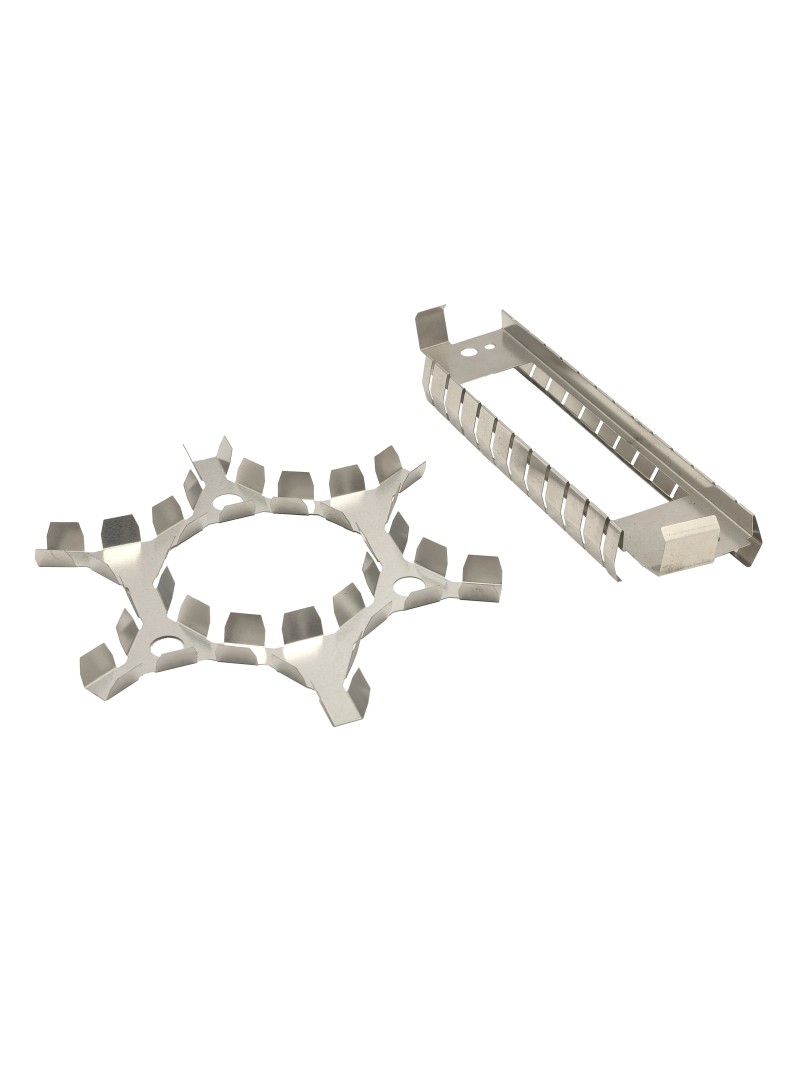
Dongguan Bosi Hardware Electronic Co., Ltd. operates under the BOSI brand and is based in Dongguan, Guangdong, China. The company provides customized precision metal components and mold design, manufacturing and production services. Its portfolio includes shielding covers, connector terminals, metal spring components, metal brackets and stamping dies. Its stated application areas include automotive electronics and medical equipment.
Media Contact
Company Name: Dongguan Bosi Hardware Electronic Co., Ltd.
Contact Person: Kristy Wu
Email: Send Email
Phone: 8613826954049
Address:NO.172 Jingfu West Road, Yang keng Tang VillageDa Lang Town, Dongguan City, Guangdong Province, China
City: Dongguan
State: Guangdong
Country: China
Website: https://www.dgbosi.com/