
Chengdu City, Sichuan Province, China – November 11, 2026 – Electric cars are taking over, and that’s shaking up what people expect from home charging. The International Energy Agency’s Global EV Outlook 2024 says nearly 14 million electric cars were sold in 2023—about 18% of all new cars worldwide. And their 2024 forecast? They expected sales to blow past 17 million that year. So what does that mean if you’re buying internationally? It boils down to a practical question: which home Charging Station actually fits your car, your house, and the electricity supply where you live?China’s manufacturers definitely don’t lack residential chargers—but honestly, “best” isn’t just about price or looks. You’ve got to weigh things like charging speed, connector compatibility, cable length, weather protection, and smart features. A compact unit by the garage door might be perfect for one household, while another might need load management just to avoid overloading their existing electrical system. Just so you know, installation rules and product approvals can be totally different depending on where you are. So before you buy, it’s worth double-checking the exact model and what the local guidance says.So you’re in the market for a Home Charging Station Car? This guide will help you figure out what to look for, whether you’re kitting out your garage or thinking about importing one from abroad. We’ll cover the tech specs, safety docs, warranty terms, software support, and after-sales service—the whole nine yards. Plus, the IEA’s Global EV Outlook 2024 is tracking how fast charging networks are growing, which only highlights how crucial a reliable home setup really is. But hey, a spec sheet only gets you so far—it’s not exactly proof the thing will last. So you gotta ask for actual test documents, clear warranty info, and support contacts. Some listings just gloss over those bits, and that’s a red flag, right? Definitely worth a second look.
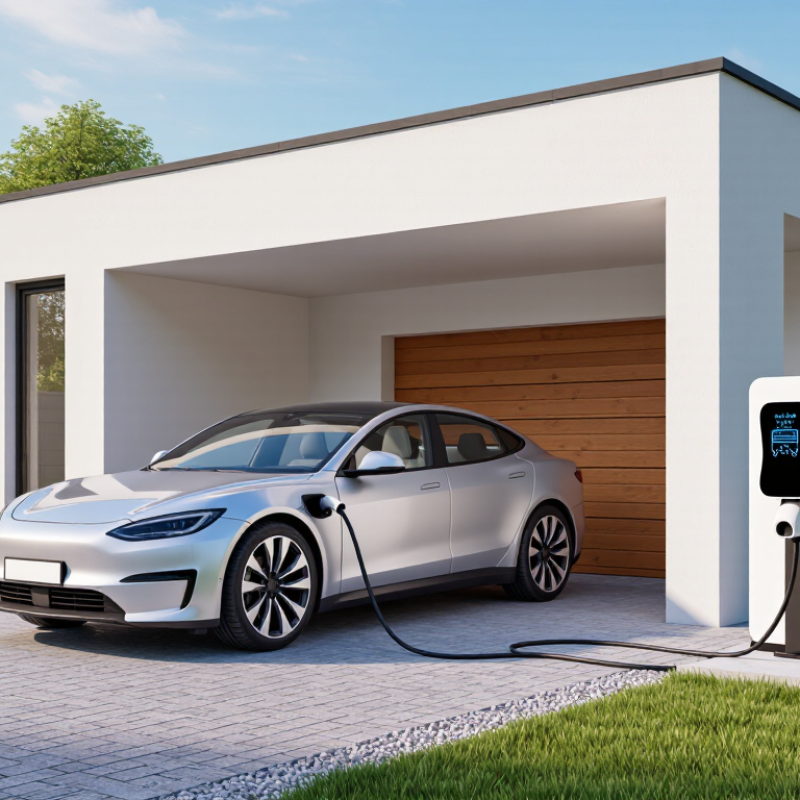
What Defines a Home EV Charging Station Made in China?
A Home Car Charging Station made in China is defined by more than its country of origin or a polished product photo. Look for clear engineering details: rated output, connector type, cable length, enclosure materials, and protection against heat and moisture. These affect daily use. A 5-meter cable, for example, may reach a driveway parking spot more easily than a shorter lead. Fit comes first.Reliable manufacturing also means consistent testing and traceable quality checks. Ask whether each unit is tested before shipment, and request clear manuals, wiring diagrams, and technical support details. For global buyers, compatibility matters: electrical systems and charging connectors differ by market. Confirm the exact model suits the vehicle and installation conditions. A supplier’s answer should be specific, not just “works worldwide.” Even good documentation can leave gaps, so review it carefully.Tips: Request a sample test report and inspect the cable, plug, and housing in person if possible. Check how the unit handles heat during extended charging. Ask about replacement parts and warranty terms before ordering. No product fits every home, and that is worth admitting early.
How Do 7.4 kW and 22 kW Chargers Fit Home Power Supplies?
A 7.4 kW charger usually draws about 32 amps from a 230 V single-phase supply. A 22 kW unit typically needs 32 amps across a 400 V three-phase supply. These figures follow the common nominal voltages in IEC 60038; actual household connections vary by country and property. Check the supply, not just the charger label.That distinction matters. A 22 kW charger cannot deliver its rated output from a single-phase connection, and some vehicles also accept less than 22 kW AC. The IEA’s Global EV Outlook 2024 reports nearly 14 million electric car sales in 2023, making home charging capacity a practical planning question for more households. An Electric Car Home Charging Station rated at 7.4 kW may suit overnight charging, while 22 kW can be useful only when the home supply and vehicle both support it.Ask an electrician to assess available capacity and simultaneous household loads, such as an oven, heat pump, or kettle. Load management can reduce the chance of exceeding the home’s practical limit, but it does not create more supply. Small detail, big difference. I would not choose by maximum kilowatts alone; checking the vehicle’s onboard AC limit first is easy to overlook.
Which Connector Standards Matter: GB/T, Type 2, and SAE J1772?
For a home charging station, the connector is not a cosmetic detail. It determines whether the cable can meet your vehicle’s inlet. GB/T is widely used for vehicles and charging equipment in China. Type 2 is common in Europe and several other markets, while SAE J1772, often called Type 1, is common in North America. Check the car’s exact inlet, not just its country of sale. Imported vehicles can be exceptions.
These standards mainly describe the AC connection; they do not guarantee that every station will deliver the same charging speed. Confirm the vehicle’s onboard charger capacity, the station’s voltage and current, and whether the cable is fixed or detachable. A plug may fit, yet a phase or power limit can still affect charging. It is easy to focus on connector shape and miss these practical details.
Tips: Photograph the car’s inlet and compare it with the station’s connector specification before ordering. Ask a qualified installer to verify the home circuit and local requirements. Check twice. Adapters can introduce compatibility and safety concerns, so do not assume one will solve a mismatch. The right choice is the standard your vehicle supports, paired with a properly rated installation.
How Do IEC 61851 and Regional Rules Shape Charger Compliance?
For global buyers, IEC 61851 is a useful starting point when evaluating a Home Electric Car Charging Station. It defines key requirements for conductive charging, including operating modes and communication between the vehicle and charger. The control-pilot signal helps manage charging and detect certain connection conditions. Yet compliance with IEC 61851 alone does not guarantee approval in every market.Regional requirements can change the details. A charger may need a locally accepted connector, suitable voltage and frequency ratings, and protection against electric shock or residual current. Installation rules may also specify circuit capacity, grounding, cable routing, and who can perform the work. These details matter. A unit designed for one electrical system may not suit another without adjustment or certification.Buyers should request test reports and declarations that identify the exact model and applicable standards. They should also check whether local authorities require additional product approvals or installation inspections. In practice, paperwork can be less clear than expected. Ask a qualified local installer to verify the supply, protective devices, and mounting location before purchase. IEC guidance provides a common technical foundation, but regional review closes the gaps that a product sheet may miss.
What Safety Features Protect Users and Homes During Charging?
A Home Ev Charging Station should protect both the person holding the connector and the wiring behind the wall. Look for ground-fault and overcurrent protection, temperature monitoring, and automatic shutdown if a fault occurs. A properly rated enclosure also helps keep dust and moisture away from live components. The exact protection depends on the unit and local electrical system, so check its documentation.
The NFPA estimated that U.S. homes experienced an average of 46,700 fires each year involving electrical failure or malfunction from 2015 to 2019.
This figure is not specific to vehicle charging, but it highlights why installation matters. A qualified electrician can assess the circuit, grounding, and load before charging begins. Avoid relying on an extension cord or a hot, loose outlet. Small warning signs count.
Tips: Keep the cable unpinched and the connector dry. Stop charging if you notice heat, discoloration, or a burning smell. Have damaged equipment inspected. For global buyers, verify that the charger’s safety certification matches the destination market; one approval may not cover every country. Even careful checks cannot replace a sound installation.
How Should Buyers Compare Warranty, Certification, and Smart Features?How Should Buyers Compare Warranty, Certification, and Smart Features?
A Home Charger is only as dependable as its support and installation conditions.Compare warranty length, covered components, labor, and claim procedures—not just the headline term. Ask whether the cable, connector, and screen are included, and who handles service if the unit fails. Small print matters. A long warranty may still disappoint when shipping or installation costs fall outside coverage.
Certification deserves equal attention. Check that the exact model carries safety approvals accepted in the destination market, and verify the certificate with its issuing body. IEC 61851-1 and IEC 62196 are useful standards to ask about, but they do not replace local approval requirements. The IEA’s Global EV Outlook 2024 reports that public charging points grew about 40% in 2023, underscoring how quickly charging equipment is expanding. More choice also means buyers should verify documentation, not rely on a sales claim.
About US
Chengdu AEFA Electronic Technology Co., Ltd. was established in 2015 and is headquartered in Chengdu, Sichuan Province, the science and technology innovation center of southwest China and the hometown of pandas. As a high-tech enterprise specializing in the research, development, production and sales of electric vehicle charging equipment, we have a modern industrial park covering an area of 22 acres and equipped with 15,000 square meters of standard factory buildings, committed to providing high-quality charging solutions for global customers.
For smart features, prioritize practical controls: scheduled charging, adjustable current, energy-use history, and stable Wi-Fi or app access. The IEA notes that smart charging can help coordinate demand with grid conditions. Yet a feature list can look impressive while setup remains awkward. Ask for a live demonstration, including what happens when the internet drops. A charger that works reliably offline may be more useful than one with a crowded app. I would still compare installer compatibility before choosing; that step is easy to overlook.
A Practical Guide to Choosing an 11kW Wallbox EV Charging Station for Home Charging
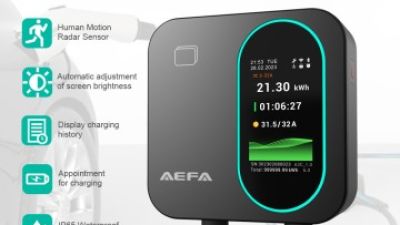
11kW Wallbox EV Charging Station
Choosing an 11kW wallbox starts with checking your home’s electrical supply and your vehicle’s onboard Ac Charging limit. In many markets, an 11kW unit uses a three-phase connection, so confirm that your property and installation can support it; a higher-rated charger will not make a vehicle charge faster than its own limit. Charging time also depends on battery size and starting charge level. The International Energy Agency’s *Global EV Outlook 2024* reported that electric-car sales reached almost 14 million worldwide in 2023, making convenient home charging an increasingly useful part of everyday EV ownership.For a home setup, look beyond rated power: a compact wallbox can save space, while app controls make it easier to start, schedule, and monitor charging sessions. Optional dynamic load balancing can adjust charging power as household demand changes, helping manage the available electrical capacity. Solar compatibility can also support charging with surplus self-generated electricity when conditions allow. Before choosing, ask a qualified installer to assess your supply, wiring, and installation location, and check that the charger’s connector and features suit your vehicle and routine.
Conclusion
Choosing the right Home Car Charging Station starts with understanding how it is made, what power a household can support, and which vehicle connector it needs. A 7.4 kW charger may suit many homes with single-phase power, while a 22 kW unit typically requires a compatible three-phase supply and vehicle. Buyers should check whether the connector standard—GB/T, Type 2, or SAE J1772—matches their car and intended market.A dependable charger should also meet applicable IEC 61851 requirements and regional compliance rules. Look for practical safeguards such as overcurrent, overvoltage, temperature, and leakage protection, along with clear installation guidance. When comparing options, review warranty coverage, relevant certifications, build quality, and useful smart features such as scheduling and charging-status monitoring. Matching these details to your home and vehicle can help you select a safe, convenient, and suitable charging solution.
Media Contact
Company Name: Chengdu AEFA Electronic Technology Co., Ltd.
Contact Person: Media Relations
Email: Send Email
Country: China
Website: https://www.aefa-evse.com/