
Wenzhou City, Zhejiang Province, China.-October 26, 2026
When you’re picking reliable Audi Fuel Pump suppliers, it’s not just about who’s got the cheapest unit price. Buyers around the world really need to look at fitment, pressure ratings, testing records, warranty terms, and whether the supplier actually knows their way around exports. I mean, a pump can look exactly the same on a marketplace listing, but the connector, float arm, or pressure curve might be different. And that tiny mismatch? It can lead to hard starting, rough idling, or the same vehicle coming back to the workshop again and again.So, S&P Global Mobility says the average age of U.S. light vehicles hit 12.6 years in 2024. And honestly? Older cars mean more people are hunting for replacement parts they can actually count on. The Auto Care Association expects the automotive aftermarket to keep growing through 2028, too. All of this kind of points to one simple thing: quality replacement parts matter long after the car has left the showroom. Names like Bosch, Continental, VDO, DENSO, Delphi Technologies, and Pierburg? Those are the ones buyers tend to look into. That said, just having a recognizable brand isn’t enough, you know? You’ve still got to verify that the catalog is accurate and that it’s available in the regions you care about.Richard Reina, an automotive technical trainer, has a warning worth paying attention to: “The fuel pump is the heart of the fuel system.” And honestly, that pretty much sums up why sourcing an Audi fuel pump isn’t something you should leave to guesswork. A supplier you can trust should give you the boring-but-important stuff: OE cross-reference info, batch traceability, electrical specs, and clear instructions for installation. Sometimes photos of sealed packaging and tested terminals tell you more than any slick ad ever will. At the end of the day, though, no supplier ranking is perfect. Honestly, some of the data is still incomplete—especially when you’re dealing with export markets that shift all the time. So if you’re a buyer, don’t just take those efficiency claims at face value; ask for proof before you place an order. And putting together a careful shortlist? That can help you avoid downtime, warranty headaches, and some pretty expensive diagnostic mistakes.
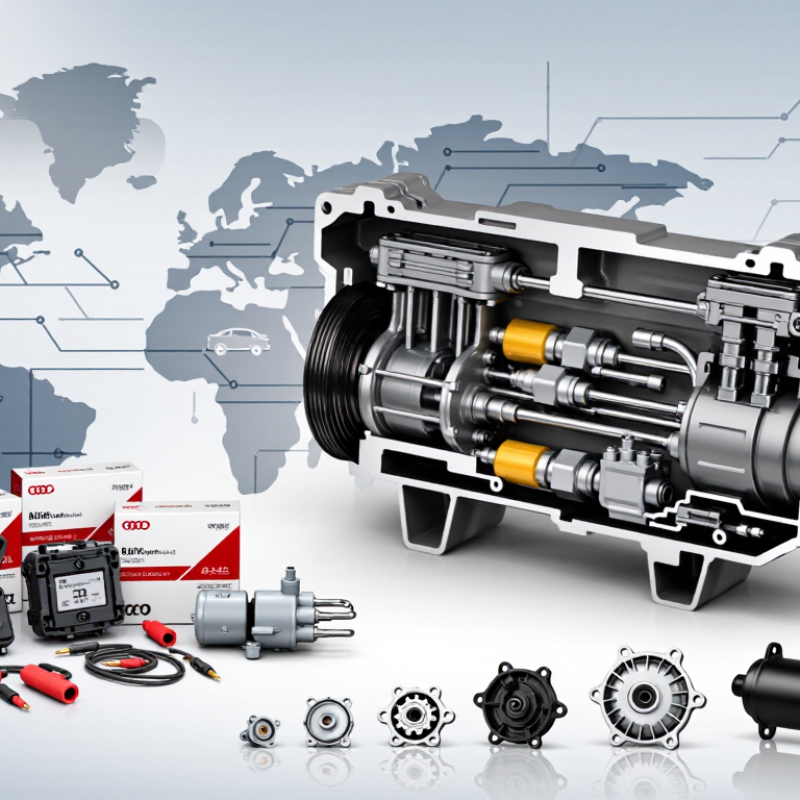
Audi Fuel Pump Basics: Types, Functions, and Compatibility
A fuel pump moves fuel from the tank to the engine at controlled pressure. Most modern vehicles use an in-tank electric pump. Older systems may use an external electric pump or a mechanically driven pump. Each design has different pressure, flow, wiring, and mounting requirements.
Compatibility is more than matching a vehicle year. Check the required pressure in bar or psi, flow rate, voltage, connector shape, tank depth, and fuel resistance. A pump can fit physically yet deliver the wrong pressure. That mistake may cause hard starting, lean operation, or premature failure. S&P Global Mobility reported that the average U.S. light vehicle age reached about 12.6 years in 2024. Aging vehicles increase replacement demand, but catalog data can still be incomplete. A careful cross-check remains necessary.
Tips: Compare the original pump’s label with the supplier’s test sheet. Confirm whether the package includes a strainer, seal, wiring, and level-sensor parts. SAE fuel-system guidance supports testing pressure and flow under operating conditions, not only at idle. Do not ignore noise. A loud whine can indicate restriction, low fuel, or poor internal tolerances. I have seen “direct-fit” parts need connector changes, which is not ideal. Recheck every measurement before ordering.
Key Factors for Comparing Global Audi Fuel Pump Suppliers
When comparing global suppliers, start with fitment accuracy, not the lowest quotation. An Audi Fuel Pump Assembly should match the vehicle’s engine code, model year, tank design, and electrical connector. Ask for dimensional drawings and compatibility records. Small connector differences can cause installation delays. I have seen buyers overlook this detail.
Pressure and flow data deserve close attention. Reliable suppliers provide test results under stated voltage and temperature conditions. Check whether pumps use durable seals, corrosion-resistant terminals, and stable fuel-resistant plastics. Request batch traceability, inspection photos, and sample reports before placing a large order. Clear evidence matters more than polished sales language.
Global purchasing also depends on practical service. Compare minimum order quantities, production capacity, packaging strength, and replacement procedures. A supplier may offer excellent parts but weak export coordination. Confirm shipping documents, lead times, and response times in writing. Warranty terms should explain coverage, testing steps, and claim deadlines. Do not ignore communication quality. It often predicts future support.
Price comparisons can be misleading when one offer excludes testing or protective packaging. Review the full landed cost, including freight, customs handling, and possible rework. No supplier is perfect. Even experienced buyers can miss a small specification change. A second technical review is worthwhile before approval. Supplier audits, video inspections, and independent sample testing can reduce that risk without creating unnecessary delays.
Leading Supplier Categories in the Audi Fuel Pump Market
The Audi High Perssure Fuel Pump market includes several supplier categories, each serving different purchasing needs. Manufacturer-affiliated suppliers often provide precise fitment data, documented testing, and stable warranty terms. Their prices can be higher, but installation risks are usually easier to control.Independent aftermarket specialists offer broader stock and competitive pricing. Experienced suppliers should confirm engine code, model year, connector shape, pressure range, and fuel-flow requirements before quoting. A reliable listing includes clear product photographs, batch numbers, test records, and return conditions. Small details matter. A mismatched electrical connector can stop a repair immediately.Regional distributors support workshops that need fast delivery and technical communication. They may hold common assemblies locally, while less common units require international shipping. Remanufacturers can reduce costs by replacing motors, seals, and pressure regulators, but quality depends heavily on inspection standards. Digital marketplaces provide useful price comparisons, yet catalog accuracy is inconsistent. A search result is not proof of compatibility. I have seen suppliers list similar pumps under one reference, despite different pressure outputs. Buyers should request a written fitment check and confirm packaging protection before payment. Even strong suppliers can make mistakes when vehicle data is incomplete.
Quality Standards and Testing Requirements for Audi Fuel Pumps
Reliable fuel pump suppliers should prove quality through repeatable testing, not attractive product photos. For premium vehicle applications, ask for ISO 9001 or IATF 16949 certification, material records, and batch traceability. Each pump should match approved dimensions, electrical resistance, connector fit, pressure, and flow-rate requirements. Testing should also cover cold starts, high-temperature operation, vibration, noise, leakage, and continuous endurance. These details reveal weaknesses that a short bench test can miss.
Tips:Request sample test reports before placing a large order. Check whether pressure remains stable after long operation. Ask how suppliers control dust, moisture, and assembly errors. Independent laboratory verification adds confidence, especially for unfamiliar factories. Keep a retained sample from every production batch.
A strong supplier combines inspection with process discipline. Incoming materials need verification, while final pumps require calibrated equipment and recorded results. Automotive buyers should also review corrective-action procedures, warranty data, and failure analysis methods. A useful report includes test conditions, equipment numbers, acceptance limits, and operator records. Vague statements such as “fully tested” are not enough.
No test plan catches every field failure. That is an uncomfortable but important limitation. Real vehicles face fuel contamination, voltage variation, heat soak, and uneven maintenance. Therefore, supplier approval should include pilot installation and monitored road testing. Some documentation may still be incomplete, which deserves careful review rather than automatic rejection. Reliability grows from evidence, honest questions, and repeated verification.
How to Evaluate Pricing, Minimum Orders, and Shipping Options
For global buyers, pricing a fuel pump means checking landed cost, not only the unit quote. A supplier offering the Audi A3 2008 L4 2.0L high pressure fuel pump should separate product, tooling, packing, insurance, and freight charges. Request test records, material details, warranty terms, and batch traceability. The 2023 World Bank Logistics Performance Index shows international shipment reliability remains uneven across markets. Delivery promises need evidence.Minimum order quantity can change the real price. A 500-piece order may reduce cost, but it can trap cash and create slow-moving inventory. Ask whether mixed models are allowed. Confirm sample charges and production lead time in writing. UNCTAD reports that over 80% of global trade by volume moves by sea, making ocean freight economical for larger orders. Air freight suits urgent samples, but dimensional weight can surprise buyers. A low quote can still be wrong.Tips: Compare three landed-cost scenarios. Use EXW, FOB, and DDP quotes carefully. Check customs paperwork before payment. Ask for photos showing connector pins, seals, and packaging labels. Keep one sample for independent testing. Some buyers skip this step; that is a costly weakness. Recheck voltage, pressure range, engine code, and return conditions before approving production.
Top Audi Fuel Pump Suppliers for Global Buyers? – How to Evaluate Pricing, Minimum Orders, and Shipping Options
| Supplier Profile | Typical Product Scope | Indicative Unit Price (USD) | Typical MOQ | Production or Handling Time | Common Trade Terms | Shipping Options | Estimated Transit Time | Documentation to Request | Best Fit for Global Buyers |
|---|---|---|---|---|---|---|---|---|---|
| OE-equivalent manufacturer | New in-tank fuel pump modules or electric fuel pump assemblies manufactured to vehicle-specific specifications. | $45–$120 per unit | 50–300 units | 20–45 business days for standard production; samples commonly require 7–15 business days. | EXW FOB FCA | Courier for samples, air freight for urgent replenishment, and ocean freight for commercial volumes. | Air: 5–12 days; ocean: 25–50 days, excluding customs clearance. | Product specification sheet, fitment list, material information, test reports, packing details, and commercial invoice. | Importers seeking repeatable quality, private-label programs, and competitive costs at medium or high volumes. |
| Aftermarket replacement distributor | Ready-to-ship replacement pumps and complete modules covering multiple engine and model applications. | $60–$160 per unit | 1–20 units per part number | Usually 1–7 business days when inventory is available. | EXW DAP DDP | Parcel courier, express air, regional trucking, and consolidated freight. | Express: 3–8 days; standard air: 7–15 days; regional ground: 2–10 days. | Stock confirmation, application catalogue, warranty terms, country of origin, and return policy. | Repair networks, wholesalers, and buyers that prioritize availability and low purchasing quantities. |
| Vehicle dismantler or tested used-parts supplier | Used fuel pump assemblies removed from inspected vehicles; condition and mileage vary by item. | $25–$90 per unit | 1–5 units | 2–10 business days for inspection, removal, and packing. | EXW FCA DAP | Parcel courier, air cargo, or consolidated road freight depending on destination and quantity. | Air: 5–15 days; road freight: 7–25 days. | Part-number photos, test results, mileage or donor-vehicle details, condition grading, and limited warranty terms. | Cost-sensitive repairs where used components are acceptable and exact inventory matching is required. |
| Remanufacturing specialist | Refurbished pump modules with cleaned housings, replaced wear components, and functional testing. | $50–$130 per unit | 5–50 units | 10–30 business days, depending on core availability and testing requirements. | EXW FOB DAP | Courier for small orders, air freight for urgent demand, and ocean or road freight for consolidated shipments. | Air: 5–14 days; ocean: 25–50 days. | Remanufacturing process description, bench-test results, replaced-component list, warranty, and core-return requirements. | Buyers balancing price and performance while seeking a lower-cost alternative to new assemblies. |
| Regional warehouse supplier | Multi-source inventory held near the target market for faster delivery and simplified local fulfillment. | $75–$190 per unit | 1–10 units per part number | Same day to 5 business days for stocked items. | DAP DDP CPT | Domestic parcel, next-day courier, pallet freight, and local carrier delivery. | Domestic: 1–7 business days; cross-border: 5–15 days. | Inventory confirmation, tax invoice, warranty policy, application data, and delivery tracking information. | Distributors and workshops that value short lead times, easy returns, and predictable local delivery. |
| Custom-program supplier | Vehicle-specific fuel pump modules with customized packaging, labelling, connector configuration, or testing requirements. | $55–$145 per unit | 200–1,000 units | 30–75 business days after technical approval and tooling confirmation. | FOB FCA CIF | Ocean freight for planned orders, air freight for launch quantities, and multimodal transport for replenishment. | Air: 5–15 days; ocean: 25–55 days, excluding production time. | Approved drawing, sample-validation report, quality-control plan, packaging artwork, inspection report, and warranty terms. | Large importers and private-label programs that need consistent packaging, specifications, and recurring supply. |
Note: Price, MOQ, lead time, and transit figures are indicative market ranges for compatible fuel-pump products. Actual quotations depend on part-number matching, pump configuration, order volume, destination, inspection requirements, taxes, customs clearance, and current freight rates. Buyers should confirm compatibility using the vehicle identification number, original part number, connector design, pressure specification, and tank configuration before placing an order.
Import Regulations, Warranty Terms, and After-Sales Support
Global buyers should evaluate fuel pump suppliers beyond unit price. Import rules may require commercial invoices, packing lists, certificates of origin, and accurate tariff classification. Some markets also demand conformity evidence for electrical components or emissions-related systems. Requirements differ by destination. A qualified customs broker can verify documents before shipment, reducing delays at the port. Suppliers should provide clear product specifications, voltage details, flow rates, and vehicle compatibility records. Vague descriptions create avoidable risks.
Warranty terms deserve careful review. Check coverage length, installation conditions, excluded damage, and return-freight responsibility. Reliable suppliers usually offer batch traceability and documented inspection procedures. Ask whether replacement seals, connectors, or testing support are available after delivery. Technical assistance should include a defined response time, not only a general email address. In practice, after-sales quality can matter more than a small purchase discount. Some suppliers promise fast support, but their written terms remain incomplete. That deserves caution.
Tips: Request a sample warranty claim process before placing a large order. Confirm who pays return shipping and how defective parts are tested. Keep installation photos, diagnostic readings, and purchase records. Use independent inspection for high-volume shipments. A small inspection fee may prevent larger losses. Also, review the supplier’s communication during negotiation; slow replies before payment may signal weak support later. Mistakes happen, even with experienced teams, so document every technical assumption.
A Practical Checklist for Selecting the Right Audi Fuel Pump Supplier
Selecting an Audi fuel pump supplier requires more than comparing unit prices. Fitment comes first. Match engine code, model year, fuel pressure, connector design, and tank placement. For example, confirm every specification for the “Audi A3 2012 L4 2.0L high pressure fuel pump” before ordering. A reliable supplier should provide dimensional drawings, pressure curves, material details, and traceable batch numbers. SAE J1537 testing guidance can help buyers assess pump performance under controlled conditions.Check the supplier’s quality records and inspection process. Ask for pressure, flow-rate, noise, and endurance test results. The 2024 MarketsandMarkets report estimates continued growth in the automotive fuel pump market, driven by stricter efficiency requirements and higher replacement demand. Growth can attract weak distributors, too. I have seen listings with correct photos but incorrect electrical terminals. Request a sample before approving volume purchases.Review warranty terms, failure analysis procedures, and export documentation. The 2024 Deloitte Global Automotive Supplier Study highlights rising pressure on suppliers to improve resilience, transparency, and delivery performance. Use those principles during supplier audits. Check whether the company holds ISO 9001 certification and records incoming-material inspections. Ask how it handles 2% to 5% early returns. That range is not a universal rule, but it creates a useful warning threshold. No checklist is perfect. Test the part in real conditions, including hot starts, low fuel levels, and repeated pressure cycles.
Top Audi Fuel Pump Suppliers for Global Buyers: Practical Selection Checklist
Recommended procurement weighting for evaluating fuel pump suppliers. Prioritize verified vehicle compatibility and documented performance before comparing price, lead time, or minimum order quantity.
Fuel Pump Assembly for Mazda3: Compatibility, Features, and Buying Guide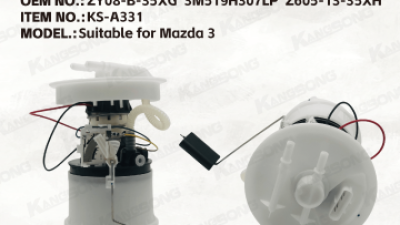
Applicable to Mazda3/ZY08-B-35XG 3M519H307LP Z605-13-35XH 5M519H307 H0409324LL Z6051335XH 5M519H307 1602781 3M519H307/Fuel pump assembly/KS-A331
The fuel pump assembly is designed for compact vehicles produced from March 2003 through March 2009, covering 2.0L LFDE engines and 2.3L L3 naturally aspirated engines. It is not intended for turbocharged versions. Before ordering, compare your original assembly, engine specification, production date, connector layout, and fuel-system configuration with the product details to help ensure proper fitment. Compatible OE reference numbers include ZY08-B-35XG, 3M519H307LP, Z605-13-35XH, 5M519H307, H0409324LL, Z6051335XH, 1602781, and 3M519H307.This assembly integrates the in-tank pump and related fuel delivery components to support consistent fuel flow from the tank to the engine. A suitable replacement can help address symptoms such as difficult starting, engine hesitation, intermittent stalling, or reduced fuel delivery caused by a worn pump module. For installation, relieve fuel-system pressure, disconnect the battery, work in a well-ventilated area, and inspect the tank seal, wiring connector, fuel lines, and retaining hardware before reassembly. Confirming the OE number and vehicle configuration before purchase is recommended, especially when selecting parts for different engine versions or production periods.
Conclusion
Choosing the right Audi Fuel Pump supplier requires more than comparing product prices. Buyers should first understand fuel pump types, operating functions, vehicle compatibility, and installation requirements. A reliable supplier should provide clear specifications, stable production capacity, accurate fitment information, and consistent quality across different orders. Comparing manufacturers, distributors, and specialized exporters can help identify the best balance of technical expertise, inventory availability, and service responsiveness.Quality assurance is equally important. Buyers should review material standards, performance testing, inspection procedures, traceability, and relevant certifications before placing an order. Pricing should be evaluated together with minimum order quantities, packaging, lead times, shipping methods, and total import costs. It is also essential to confirm warranty coverage, replacement procedures, technical assistance, and after-sales communication. A practical supplier checklist should include compatibility verification, sample evaluation, quality documentation, delivery reliability, payment terms, and long-term support. By assessing these factors systematically, global buyers can reduce purchasing risks and establish a dependable supply relationship.
About us
Zhejiang Kangsong started concept and development in 2004. After two years, it completed the process from concept development experiment to formal promotion. Zhejiang Kangsong Power Technology Co., Ltd. is a high-tech enterprise specializing in the R&D and manufacturing of automotive electronic fuel injection pumps and assembly devices.
Media Contact
Company Name: Zhejiang Kangsong Power Technology Co., Ltd.
Contact Person: Media Relations
Email: Send Email
Country: China
Website: https://www.kangsongpower.com/