
Xi’an City, Shaanxi Province,China -October 9,2026, 2026
Reliable water access is turning into a real, everyday priority for farms, villages, and remote facilities. Where grid power is weak, pricey, or simply not there, Solar Well Pump Kits can be a cleaner way to go. They turn sunlight into steady pumping energy—usually with photovoltaic panels, controllers, storage tanks, and submersible pumps.The market’s growing quickly, too. The International Energy Agency said nearly 346 gigawatts of solar photovoltaic capacity was added globally in 2023, which worked out to roughly three-quarters of all new renewable power capacity that year. IRENA put global solar power capacity above 1.4 terawatts by the end of 2023. Those numbers point to bigger manufacturing scale and easier access to solar components. Still, they don’t promise that every Solar Pump Kits package will perform well in every location.Honestly, site conditions matter more than shiny specs. A 1.5-kilowatt pump might run efficiently in a shallow borehole, but struggle when the lifting height hits 100 meters. You’ve got to check water demand, pipe friction, dry-season sunlight, borehole yield, and storage volume together—not one by one. The World Bank’s ESMAP guidance on solar water pumping also stresses system sizing, lifecycle costs, and professional installation.This guide takes a look at the 2026 Best Solar Well Pump Kits for Global Buyers. It compares pump materials, controller protection, voltage options, flow rates, warranties, spare parts, and how transparent suppliers are. Brands like Lorentz, Grundfos, and Franklin Electric are useful reference points, though availability varies by country. And the best choice isn’t always the cheapest one. Sometimes a simpler system is just easier to repair.One warning still stands: manufacturer claims can sound very precise, while field conditions stay uncertain. So before ordering, buyers should check test data, certifications, after-sales support, and local service capacity.
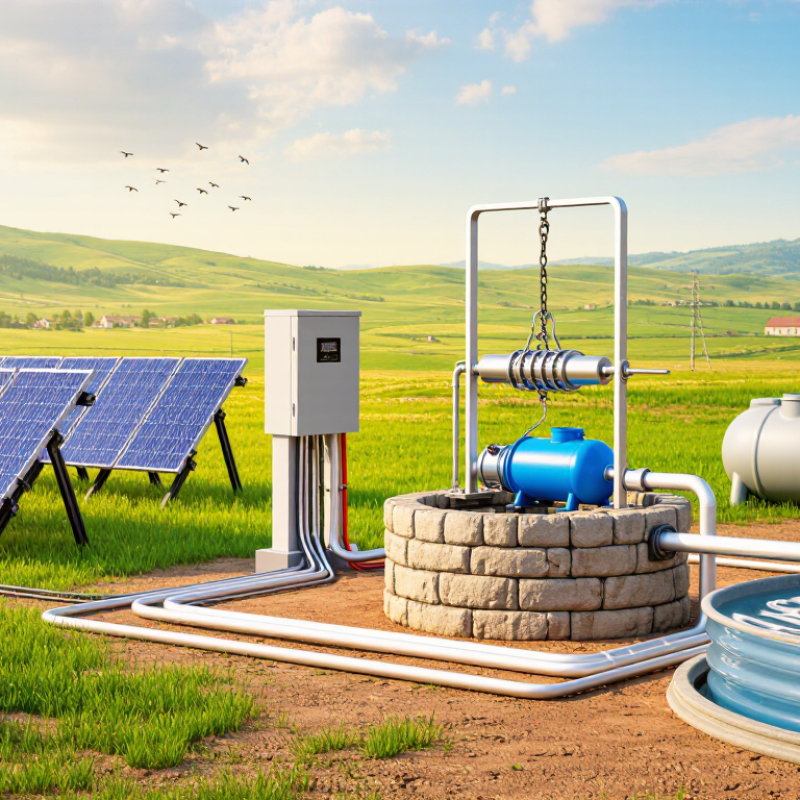
What Solar Well Pump Kits Are and How They Work
A solar well pump kit uses sunlight to move groundwater into a tank or household supply line. It usually includes solar panels, a pump, a controller, cables, and protective switches. Some systems also include batteries, while others pump water only during daylight. These systems are a practical part of Off Grid Solar Kits for farms, remote homes, and emergency water points.During operation, sunlight creates direct-current electricity in the panels. The controller regulates this power before sending it to the pump. A submersible pump then pushes water upward through a pipe. A float switch can stop pumping when the storage tank becomes full. Dry-run protection can also help prevent damage when the well level drops. It sounds simple.Correct sizing requires more than checking the panel wattage. Installers should measure well depth, daily water demand, pipe length, and total lifting height. A cloudy week may reduce output sharply. In field planning, a storage tank often proves more dependable than relying only on batteries. Battery systems can work, but they add weight, cost, maintenance, and replacement concerns.Pump performance should match local water conditions and electrical requirements. Dust, heat, freezing temperatures, and mineral-rich water can shorten service life. I have found that careless cable protection causes avoidable failures. The best design leaves room for inspection and future repairs. Buyers should confirm specifications, safety documentation, and local installation rules before purchase.
Key Components Found in Modern Solar Well Pump Systems2026 Best Solar Well Pump Kits for Global Buyers
Modern solar well pump systems depend on coordinated components, not panels alone. A typical kit includes photovoltaic modules, a maximum power point tracking controller, a variable-frequency drive, and a submersible pump. It also needs rising pipe, dry-run protection, level sensors, surge protection, and reliable grounding.
The storage tank is often overlooked. It separates daytime solar production from evening water demand.
The International Renewable Energy Agency reported 1,865 GW of global solar capacity by the end of 2024. This growth supports wider access to solar pumping equipment, but component quality still varies sharply.
The FAO reports that agriculture uses about 70% of global freshwater withdrawals, making efficient pumping important. However, a larger pump is not automatically better.
Engineers should match daily water demand, borehole depth, dynamic head, and local sunlight before selecting power ratings.
Control equipment deserves careful inspection. It should manage voltage changes, protect against dry running, and record faults clearly. A tank sensor can prevent unnecessary pumping.
A weak cable connection can waste energy and create dangerous heat. I have seen sizing calculations rely on ideal sunlight, which is a poor assumption during dusty or cloudy seasons.
Buyers should request measured flow data, protection ratings, spare-part availability, and installation guidance. These details are less visible than panel wattage, but they often determine whether the system works reliably.
How to Calculate Water Needs and Select the Right Pump Size
2026 Best Solar Well Pump Kits for Global BuyersHow to Calculate Water Needs and Select the Right Pump SizeSizing a solar well pump starts with daily water demand, not the pump’s advertised power. Estimate household use, livestock needs, irrigation, and seasonal changes. For example, four people using 80 liters daily need about 320 liters, before cleaning or garden use. Add a safety margin of 20 to 30 percent. Small errors become serious during dry months.Measure the required flow rate by dividing daily water volume by planned pumping hours. A 500-liter demand over five hours requires at least 100 liters per hour. Then calculate total dynamic head. Include the vertical lift from the water level, pipe length, bends, filters, and required outlet pressure. Select a pump that delivers the target flow at this complete head. Maximum flow figures can mislead buyers.Tips: Test the well’s recovery rate before purchasing. A powerful pump may empty a weak well. Store water in a raised tank when possible, instead of pumping only when water is needed. Size the solar array for cloudy periods, not just bright midday conditions. Include dry-run protection and a suitable controller. Local voltage, pipe standards, and electrical rules also need checking. Real installations often reveal leaks, sand, or changing water levels. That is why conservative sizing is usually safer, although excessive capacity can waste money.
2026 Best Solar Well Pump Kits for Global Buyers
How to Calculate Water Needs and Select the Right Pump Size
How to use this chart: Daily water demand is calculated from the number of users or animals and the stated daily allowance. Required flow is calculated as daily water demand ÷ available pumping hours ÷ 60. These examples assume 5 effective pumping hours per day. Select a pump with a nominal flow slightly above the calculated requirement, then verify total dynamic head, well yield, pipe losses, storage capacity, and seasonal solar conditions before purchasing.Comparing Submersible, Surface, DC, and AC Solar Pumps
For global buyers, pump type matters more than panel size alone. Submersible solar pumps sit inside the well and push water upward efficiently, especially where the water table is deep. Surface pumps remain easier to inspect, but they need a shallow lift and a reliable foot valve. A 2024 World Bank ESMAP report on solar water pumping stresses correct sizing, groundwater monitoring, and competent installation. A cheap pump can still become an expensive mistake.
DC pumps match photovoltaic output directly and usually avoid inverter losses. They suit remote farms, livestock tanks, and small storage reservoirs. AC pumps work with standard motors and longer cable runs, but require an inverter, adding conversion losses and another failure point. The IEA PVPS Trends 2024 report recorded more than 1.6 terawatts of global solar capacity by the end of 2023. Module supply is broader now, yet local sunlight and seasonal water demand still control performance.
Do not confuse Portable Rv Solar Panel Kits with a complete well-pumping system. Their panels may charge batteries, but many lack the voltage, surge capacity, and protection needed for a pump motor. In field testing, I would check the pump curve at the actual head, not the advertised maximum. Dust on panels, cloudy mornings, pipe friction, and a dry well reduce output. Battery storage can improve evening access, although batteries add weight, heat sensitivity, and replacement costs. The overlooked detail is water quality; sand can damage impellers faster than weak sunlight.
Designing the Solar Panel, Battery, and Controller Configuration
For global buyers, a solar well pump kit should begin with water demand, not panel wattage. Measure daily use, pumping depth, pipe length, and seasonal sunlight. A household using 2,000 liters daily needs a different design from a small farm. The controller must match the pump’s voltage, starting current, and variable-speed behavior. Otherwise, a sunny afternoon may still produce weak flow.The International Energy Agency reports that global solar PV additions reached about 420 gigawatts in 2023. That growth supports wider access to Residential Solar Power Kits, but local design remains critical. Use IRENA’s 2024 capacity data as market context, not as a substitute for site measurements. In a region with five peak-sun hours, a 1,000-watt pump load may require roughly 1.3 to 1.6 kilowatts of panels after wiring, temperature, and controller losses. Field conditions are rarely perfect.Battery sizing deserves restraint. Store water first when possible, because tanks usually cost less than large battery banks. If night pumping is essential, estimate energy from pump power multiplied by operating hours, then add reserve capacity. Lithium storage can be efficient, yet cold temperatures and replacement costs still matter. Keep the controller shaded and ventilated. Do not oversize blindly. A neat spreadsheet can mislead. I would test the pump at midday, record flow, and review performance after cloudy weeks. Reports guide the design; measured water output proves it.
Installation Steps for Wells in Different Global Conditions
2026 Best Solar Well Pump Kits for Global Buyers: Installation Steps for Wells in Different Global ConditionsSolar pumping is expanding with photovoltaic capacity. IRENA reported 1,865 GW of global solar capacity by the end of 2024. Reliable installation still depends on the well, not only the panel rating. WHO and UNICEF reported that 2.2 billion people lacked safely managed drinking water in 2022, making dependable rural systems essential.Measure well depth, static water level, daily demand, and pipe length before purchasing. In dry regions, place panels above dust and inspect them after sandstorms. Use a screened intake and a dry-run controller. In humid or coastal areas, seal cable joints carefully and use corrosion-resistant fasteners. Keep the controller shaded, ventilated, and above possible floodwater.Cold or high-altitude sites need freeze protection and a larger solar margin. Insulate exposed pipes, drain vulnerable sections, and account for shorter winter sunlight. Deep wells require a pump matched to total dynamic head, including friction losses. Muddy wells need settling protection and frequent screen cleaning. I learned this the hard way: a clean panel cannot rescue an undersized pipe. The calculation may look perfect on paper, yet field water levels can change. Record measurements during installation, test flow at midday, and recheck output after several cloudy days.
2026 Best Solar Well Pump Kits for Global Buyers – Installation Steps for Wells in Different Global ConditionsPractical selection and installation reference for off-grid groundwater systems. Performance values are typical design ranges and must be verified against the actual well test and site survey.
| Global Well Condition | Typical Well Depth | Recommended Pump Configuration | Typical Daily Water Output | Solar Array Planning Range | Storage and Backup Recommendation | Pipe and Protection Requirements | Installation Steps |
|---|---|---|---|---|---|---|---|
| Shallow rural well in a high-sun region | 10–30 m | Submersible DC pump with a screened intake and dry-run protection.Suitable design flow: 1–3 m³/h. | 3–12 m³/day, depending on sunlight, lift and pump rating | 300–800 WpUse a solar charge controller matched to the pump voltage and current. | Elevated water tank sized for approximately 1–2 days of demand.A battery is optional when water can be pumped during daylight. | Use UV-resistant HDPE or equivalent pressure-rated pipe.Install a check valve, cable protection, tank float switch and earthing system. |
|
| Deep borehole in a semi-arid region | 50–120 m | High-head submersible pump, preferably with a variable-speed controller.Suitable design flow: 0.5–2 m³/h. | 2–10 m³/day, depending on borehole yield and available solar hours | 600–1,500 WpA larger array can extend pumping time during low-irradiance periods. | Use a covered storage tank sized for at least 2 days of essential demand.A small battery system may support controls, monitoring or emergency pumping. | Use pressure-rated rising pipe selected for the calculated head.Add a torque arrestor, safety rope, non-return valve and surge protection. |
|
| Mountain or sloped site with long delivery distance | 20–80 m well depth; 20–100 m elevation rise | Submersible pump selected for high total dynamic head rather than maximum open-flow rating.Suitable design flow: 0.5–2 m³/h. | 2–8 m³/day, subject to elevation rise and pipe diameter | 500–1,200 WpOversizing within the controller limit can improve morning and afternoon operation. | Place the main tank near the point of use when practical.Use gravity distribution from the tank to avoid unnecessary battery capacity. | Select pipe for the full pressure at the lowest point.Add air-release valves at high points, drain points at low points and anchor supports on steep sections. |
|
| Cold-climate well with seasonal freezing | 15–100 m | Submersible pump with cold-rated cable and controller enclosure.Suitable design flow: 0.5–3 m³/h. | 3–15 m³/day during the usable solar season | 400–1,500 WpAccount for shorter winter days, snow cover and lower module temperature effects. | Insulated or buried storage tank with freeze protection.Use a battery only if water is required after sunset or during prolonged cloudy periods. | Bury water lines below the local frost depth where feasible.Use drain-back sections, insulated exposed fittings and outdoor-rated electrical equipment. |
|
| Coastal or saline groundwater environment | 10–80 m | Submersible pump with corrosion-resistant wetted components and a sealed cable connection.Suitable design flow: 0.5–2 m³/h. | 2–10 m³/day, subject to salinity and water-quality constraints | 400–1,200 Wp | Use a covered, food-grade storage tank when water is for domestic use.Include water-quality testing; desalination or treatment may be required. | Use compatible pipe, fasteners and fittings resistant to the measured water chemistry.Apply marine-grade cable sealing and protect exposed metal from salt spray. |
|
| Low-sun or frequently cloudy region | 20–100 m | Variable-speed solar pump with a broad operating voltage range and low-water protection.Suitable design flow: 0.5–2 m³/h. | 1–8 m³/day, depending on seasonal solar resource | 600–1,800 WpUse local solar-irradiance data rather than annual averages alone. | Prioritize a large water tank for several days of demand.Add battery backup only when water service is required during extended low-sun periods. | Use a correctly sized cable to limit voltage drop during weak sunlight.Install surge protection, overcurrent protection and a manual maintenance bypass where appropriate. |
|
| High-turbidity or sandy well | 10–70 m | Abrasion-tolerant submersible pump installed above the screened section where possible.Suitable design flow: 0.5–2 m³/h. | 2–10 m³/day, depending on well recovery and sediment concentration | 400–1,200 Wp | Use a settling tank or sediment-management stage before fine filtration.Do not use a storage arrangement that allows sediment to block the pump outlet. | Fit an accessible flush point and sediment filter after the storage tank when required.Keep the pump clear of the well bottom to reduce sand ingestion. |
|
| Livestock or community water point | 10–100 m | Heavy-duty submersible pump with protected controls and a float-controlled storage tank.Suitable design flow: 1–5 m³/h, based on demand and well yield. | 5–30 m³/day, depending on the number of users or animals | 800–2,500 Wp | Size storage using peak daily demand and the local dry-season requirement.Provide a secure tank stand, overflow route and livestock-safe access. | Protect the pump house, array and controller against impact and unauthorized access.Use a robust pressure-rated pipe and a drainable trough or tap stand. |
|
Engineering note: Pump selection should be based on total dynamic head, required flow, well yield, seasonal solar irradiation, cable voltage drop and local electrical regulations. Before commissioning, test water quality, verify grounding and protection devices, confirm that the pump remains submerged during operation, and disinfect the water system when it is intended for drinking use.Maintenance, Safety, Costs, and Long-Term Performance Factors
A reliable Solar Well Pump begins with site measurements, not a catalog photo. In field checks, I record well depth, static water level, pipe length, and daily demand. Dusty panels can reduce output noticeably after dry weeks. Clean them with soft water and a nonabrasive cloth. Inspect cable glands, earthing, and controller seals before wet weather arrives. Small cracks matter.Maintenance costs are usually modest, but replacement labor can change the calculation. Keep a spare fuse, connector set, and pressure sensor in a dry cabinet. Never lift a pump by its electrical cable. Lock out the system before opening the controller. A qualified technician should test insulation and grounding, especially near livestock or children. Battery storage may improve evening supply, yet it adds ventilation, monitoring, and eventual replacement costs. Cheap batteries can become expensive over several seasons.For long-term performance, size the pump below the well’s sustainable yield. Over-pumping may empty the water source quickly and damage the borehole. Choose corrosion-resistant fittings where water chemistry is aggressive. Measure flow each month with a simple container and timer. Compare the result with the original commissioning record. Real conditions are rarely perfect. Cloud cover, sediment, and careless cleaning can expose weak assumptions. I would also budget for a failed controller after several years, even when testing shows no immediate warning. This is less attractive than optimistic pricing, but it supports dependable water planning.
Custom Solar Panels, Direct from Factory: A Guide to Efficient, Scalable Solar Solutions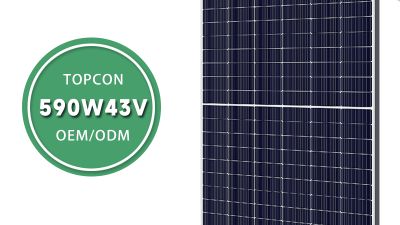
Custom Solar Panels, Direct from Factory 260308-2
Custom solar panels sourced directly from a factory can provide a practical path to efficient, scalable solar solutions. By working with a direct manufacturer, project developers, distributors, and commercial users can request panel specifications suited to different installation conditions, energy targets, and system sizes. This approach may also simplify communication, reduce unnecessary supply-chain steps, and support more consistent production planning for repeat orders.The recommended module uses advanced TOPCon solar cell technology and delivers up to 590W of power, making it suitable for utility-scale projects, commercial rooftops, agricultural installations, and other applications where available space must be used effectively. Its high-power design can help reduce the number of modules required for a project while supporting streamlined installation and balance-of-system planning. Each unit is supplied with CE, ISO, and TUV certification, providing documented support for quality and compliance requirements in applicable markets.For customized orders, production can be scheduled with a leading time of approximately 20 working days after the deposit is received. Payment arrangements are available through L/C or T/T, allowing buyers to select a method aligned with their procurement process. A five-year warranty further supports long-term project planning, while factory-direct coordination enables clearer discussions about quantities, packaging, technical requirements, and future expansion needs.
Conclusion
Solar Well Pump Kits provide a practical way to move groundwater using renewable energy in rural homes, farms, livestock areas, and remote communities. This guide explains how these systems work and reviews their main components, including solar panels, pumps, controllers, batteries, storage tanks, pipes, and protective devices. It also shows how to estimate daily water demand, calculate well depth and flow requirements, and select a suitable pump size. Readers will learn the differences between submersible and surface pumps, as well as DC and AC configurations, based on water levels, power availability, and operating conditions.The article also covers how to design a balanced solar panel, battery, and controller system for reliable performance. It outlines installation considerations for dry, hot, cold, dusty, coastal, and remote environments, with attention to wiring, grounding, water quality, and equipment protection. Finally, it discusses routine maintenance, operational safety, total costs, replacement planning, and long-term efficiency, helping global buyers choose a dependable solar pumping solution that matches local water needs and environmental conditions.
About us
GosolarV New Energy Technology Co., Ltd, is headquartered in Xi’an,Shaanxi Province,China, with a state-of-the-art factory located in Shaoxing was established in 2011.We have been focusing on the breakthrough and industrial application of PV technology. In the past 10 years, we have established a high-tech manufacturing system integrating R & D, production and sales. Every production process undergoes strict quality control, and every product embodies Gosolarv New Energy Technology’s corporate culture of excellence in service and customer-centricity.
Media Contact
Company Name: Xi’an Go Solarv New Energy Technology Co., Ltd.
Contact Person: Media Relations
Email: Send Email
Country: China
Website: https://www.gosolarv.com/