
Xian, Shaaxi, China – September 20, 2026
With the growing number of individuals experiencing sensitive skin and compromised skin barriers, there is robust demand for soothing skincare products. Consumers increasingly favor natural, gentle, and sustainable plant-derived active ingredients, prompting brands to seek raw materials that offer both efficacy and safety. Mung bean peptide serves as an ideal core active ingredient for creating differentiated soothing and repairing creams, providing brands with a scientifically backed, plant-based solution for skin soothing.
Kintainutri®Mung Bean Peptide powder is produced from mung bean protein via targeted enzymatic hydrolysis. It features a high protein/peptide content of 98% and a molecular weight of ≤500 Da; its small-molecule structure ensures easy absorption while offering anti-inflammatory, Antioxidant, and barrier-repairing benefits. When incorporated into soothing creams, it helps alleviate redness and discomfort, supporting the care of sensitive skin.
What Is Mung Bean Peptide?
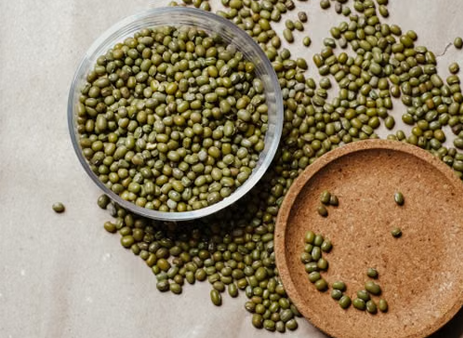
Mung bean peptides (MBPPs) are small-molecule bioactive peptides, typically composed of 2–7 amino acid residues, derived from mung bean proteins (MBPs) through enzymatic hydrolysis. Rich in proline, glutamic acid, arginine, leucine, and phenylalanine, they possess high nutritional value.
Easily absorbed by intestinal epithelial cells, mung bean peptide exhibits a wide range of biological activities, including antioxidant, anti-inflammatory, anti-allergic, antihypertensive, and antidiabetic effects, as well as cholesterol-lowering, immunomodulatory, and mineral bioavailability-enhancing properties; consequently, they are highly regarded as plant-derived functional ingredients in the food and health supplement sectors.
The Difference Between Mung Bean Peptides and Mung Bean Extract
|
Comparison Item |
Mung Bean Extract |
Mung Bean Peptide |
|
Definition |
Crude extracts obtained by water extraction, ethanol extraction or organic solvent extraction |
Small molecular peptide fragments released from mung bean protein via enzymatic hydrolysis or fermentation |
|
Main Components |
Polyphenols (vitexin, isovitexin, etc.), polysaccharides, saponins |
Small molecular peptides composed of amino acids |
|
Source of Activity |
Mainly derived from secondary metabolites such as polyphenols and polysaccharides |
Depends on amino acid sequence and hydrophobicity; released only after hydrolysis |
|
Absorption |
Polyphenols and polysaccharides have different absorption and metabolic pathways |
Easily absorbed by small intestinal epithelial cells |
|
Functional Focus |
Antioxidation, hypoglycemic, anti-inflammatory, anti-melanogenesis, mainly contributed by polyphenols and polysaccharides |
Building upon a foundation of antioxidation, anti-inflammation, and barrier repair, the scope extends to various areas such as immunomodulation, metabolic management, liver protection. |
|
Preparation Method |
Water extraction, ethanol extraction, organic solvent extraction |
Commercial protease hydrolysis or microbial fermentation, followed by ultrafiltration and chromatographic separation |
Soothing Mechanism Of Mung Bean Peptide
Mung Bean Peptides for Anti-Inflammation
Mung bean peptide shows significant anti-inflammatory effects by down-regulating pro-inflammatory factors such as TNF-α, IL-6, IL-1β, and up-regulating tight junction proteins such as ZO-1 and claudin-1, repairing the intestinal and skin barriers, reshaping the bacterial flora, and regulating immune pathways.
In terms of skin management, these mechanisms help reduce redness, soothe irritation, and enhance barrier function, making them suitable for people with sensitive skin and those with damaged barriers. Mung Bean Peptide Soothing Cream applies the anti-inflammatory and repairing properties of mung bean peptides to the formula, providing B-end brands with a natural, mild, and scientifically research-backed plant-source soothing raw material solution.
Mung Bean Peptides for Antioxidant Effects
Mung bean peptides offer significant antioxidant benefits; they effectively scavenge free radicals, inhibit lipid peroxidation, and boost the activity of antioxidant enzymes such as SOD, thereby mitigating oxidative stress-induced damage to the body. In skincare applications, these mechanisms help defend against external oxidative stressors, slow the skin aging process, soothe redness and discomfort, and support barrier repair, making them ideal for sensitive skin products and antioxidant-focused formulations.
The Mung Bean Peptide Soothing Cream incorporates these antioxidant and soothing properties, providing B2B brands with a natural, gentle, and scientifically backed plant-derived skincare ingredient solution.
Advantages Of Mung Bean Peptides In Soothing Cream
Mung bean peptides offer multiple advantages when used in soothing creams: they accelerate the repair of damaged skin barriers and play a vital role in maintaining barrier homeostasis. As potent anti-inflammatory agents, they help reduce redness and discomfort. Additionally, they provide anti-aging repair, scavenge free radicals, mitigate oxidative stress damage, and protect barrier-related proteins, thereby supporting the skin’s self-repair processes.
Furthermore, mung bean peptide is gentle and non-irritating, making them suitable for formulations designed for sensitive skin; they are water-soluble and easily combined with other soothing ingredients. Being plant-derived, they align with “clean label” and sustainability trends, serving as an ideal ingredient that delivers combined antioxidant, anti-inflammatory, and restorative benefits.
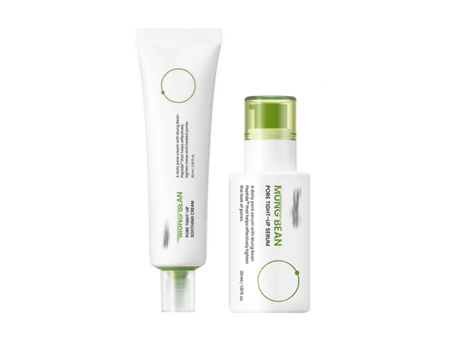
Mung Bean Peptide Soothing Cream: Combination Strategy
Mung Bean Peptide Soothing Cream is suitable for a variety of products, including soothing creams, repair lotions, after-sun repair products, and sensitive skin care products. It can be combined with Centella asiatica, ferulic acid, and other ingredients, making it suitable for developing formulations targeting sensitive skin, post-sun repair, and daily barrier maintenance. It is an ideal raw material for developing plant-based soothing and repair products.
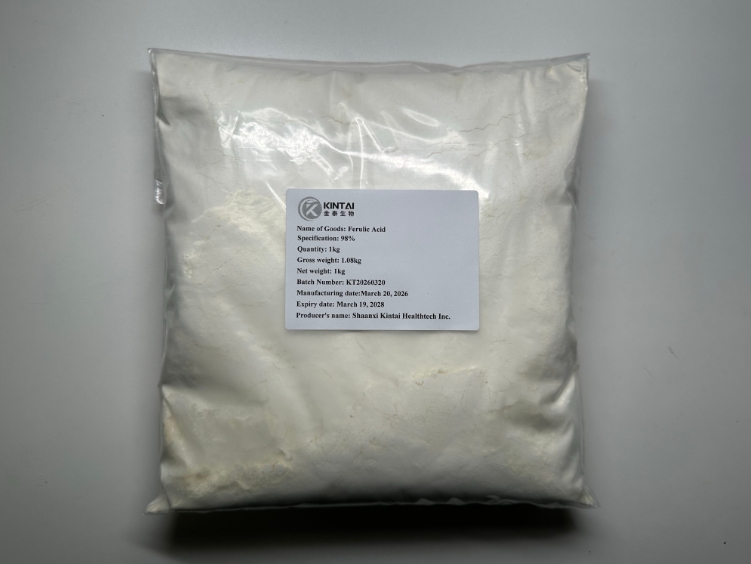
Mung Bean Peptides & Ferulic Acid
Mung bean peptides and ferulic acid offer highly complementary skincare benefits. Ferulic acid provides strong immediate antioxidant protection, helps protect keratinocytes and collagen, and alleviates inflammation and erythema. Mung bean peptides, in the form of small molecules, support barrier repair, anti-inflammatory soothing, and free radical scavenging. Both act by regulating oxidative stress and inflammatory pathways. Their combination is gentle and suitable for sensitive skin, making it an ideal plant-based combination for soothing cream formulations.
Mung Bean Peptides & Centella Asiatica Extract
Mung bean peptides primarily provide anti-inflammatory and soothing effects and help tighten pores, while Centella asiatica focuses on collagen repair and barrier strengthening. Mung bean peptides rapidly alleviate redness and discomfort, while Centella asiatica promotes collagen synthesis and accelerates barrier repair while enhancing antioxidant protection. This combination is suitable for soothing cream formulations designed for sensitive skin and damaged skin barriers.
Kintainutri® Mung Bean Peptide: Supply Advantages
As the market for sensitive skin care continues to grow and the adoption of plant-derived active peptides in skincare products rises, brands are increasingly seeking differentiated ingredients backed by scientific research.
Kintainutri®Mung Bean Peptide powder, featuring natural, plant-derived small-molecule peptides, offers a trifecta of benefits: antioxidant properties, anti-inflammatory action, and skin barrier repair. It is the ideal ingredient for creating differentiated soothing products. We invite B2B clients worldwide to contact us to request samples, obtain quotes, or seek technical consultation. Let us provide the core ingredient support for your next soothing cream formulation.
About Us
Kintainutri® is a high-tech biotechnology manufacturer in China with over 12,000 square metres of GMP factory and Class 100,000 cleanroom, and 42 professionally trained employees.
Kintainutri® offers a wide range of manufacturing services including testing, formulation, new product development, Original Design Manufacturer and foundry services.
Media Contact
Company Name: Xi’an Jintai Biotechnology Co., Ltd.
Contact Person: Media Relations
Email: Send Email
Country: China
Website: https://www.kintainutri.com/