
Sanhe, Heibe, China – August 26, 2026 – The Gas Heat Exchanger is pretty essential when it comes to today’s heating systems. Basically, it’s what helps transfer heat from those burning gases to the air or water we need to keep warm. This whole process not only makes energy use more efficient but can also save quite a bit on costs, whether you’re talking about homes or businesses. Companies like HeatTech Innovations are really pushing the envelope, making some impressive advancements in this area.Now, if you’re wondering how a Gas Heat Exchanger actually works, it all comes down to its main parts. Usually, you’ll find a bunch of tubes or plates—hot gases flow through these, giving off their heat to the fluid around them. It’s like a clever heat transfer dance that helps make sure everything stays cozy without wasting energy. That said, even with all its benefits, there’s definitely room for improvement. For example, people often overlook regular maintenance, but keeping things checked over time really helps ensure they last longer and do their job well.Looking at the bigger picture, especially as we’re all trying to find more sustainable energy options, gas heat exchangers are pretty game-changing. They can cut down on emissions and help move us toward greener solutions. But, of course, there’s still a lot of room to get even better—whether that’s through smarter designs or better materials. Innovation is key here. The whole journey of improving these devices is far from over, and it’s going to need experts working together to make the next big leap happen.
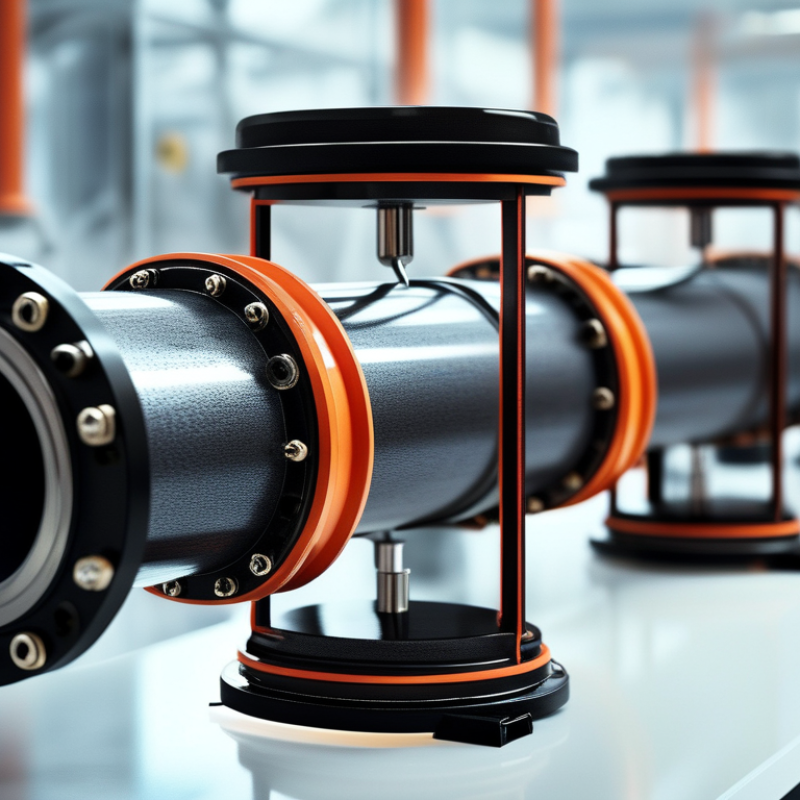
What Is a Gas Heat Exchanger?
A gas heat exchanger is a crucial component in many heating systems. It transfers heat between two fluids without them mixing. This process is essential for energy efficiency. Typically, one fluid is a gas, while the other could be air or water. When natural gas is burned, it generates heat, and the heat exchanger captures this energy. The design of these exchangers varies, but they often feature intricate tubing or plates to maximize surface area.Understanding the workings of a Natural Gas Heat Exchanger reveals its importance. Hot gases flow through one side of the heat exchanger. On the other side, cooler air or water circulates. This setup allows heat to transfer efficiently. However, the efficiency of these devices can vary based on design and maintenance. For instance, dirt or debris can hinder performance. Regular cleaning is vital to maintain optimal function.Even experienced professionals may overlook a gas heat exchanger’s potential issues. Some may assume that once installed, it will function indefinitely. But like any mechanical system, it requires attention. Regular checks can prevent costly failures and ensure consistent performance. Small adjustments can lead to significant efficiency improvements. Thus, a proactive approach to maintenance and understanding can enhance the longevity of a natural gas heat exchanger.
Gas Heat Exchanger Efficiency by YearThe Principle of Heat Exchange in Gas Systems
Gas heat exchangers play a crucial role in transferring heat efficiently within various industrial applications. The fundamental principle of heat exchange in gas systems involves the transfer of thermal energy from a hotter gas to a cooler one. This process optimizes energy usage and can significantly reduce operating costs. According to a report by the U.S. Department of Energy, heat exchangers can improve energy efficiency by up to 30% in gas-burning systems.The design of gas heat exchangers allows for higher thermal conductivity. Typically, these devices use materials that not only resist corrosion but also enhance heat transfer rates. For instance, using aluminum or stainless steel can maximize performance while ensuring durability. Proper maintenance is essential, as fouling can reduce efficiency over time. A failure to maintain these systems may lead to energy losses, which can escalate operational expenses.Additionally, understanding the thermodynamic principles at play is vital. Heat exchangers rely on the laws of conduction and convection, with most designs optimizing both. Setting precise operational parameters can improve the lifespan of these systems. Manufacturers recommend routine inspections to ensure optimal operation, highlighting the need for a proactive approach to maintenance.
Types of Gas Heat Exchangers and Their Applications
Gas heat exchangers come in various types, each designed for specific applications. The most common types include shell-and-tube, plate, and finned-tube heat exchangers. Shell-and-tube heat exchangers are widely used in industrial settings. They consist of numerous tubes, which enhances heat transfer efficiency. This design is ideal for high-pressure applications and for handling large volumes of gas.Plate heat exchangers are another popular option. They are made of thin plates stacked together, creating channels for gas to flow. This compact design allows for efficient thermal exchange in limited spaces. Finned-tube exchangers utilize extended surfaces to increase heat transfer. They are often used in residential heating systems and are more effective in larger installations.Each type has its advantages and drawbacks; selecting the right one can be challenging. Factors like cost, space, and heat exchange efficiency must be weighed. Collaboration with an industry expert can clarify these choices. Engaging with a reliable source like China Top Gas Heat Exchanger Factory can provide valuable insights. Making informed decisions ensures optimal performance in your heating applications.
Key Components of a Gas Heat Exchanger
Gas heat exchangers play a crucial role in optimizing energy efficiency in various applications. These devices facilitate the transfer of heat from one medium to another without mixing them. Key components of a gas heat exchanger include the heat exchange surfaces, the shell and tube structure, and insulation materials. The efficiency of these components affects the overall performance significantly. According to industry reports, proper design can increase efficiency by up to 30%.The heat exchange surfaces are typically made of materials with good thermal conductivity. They maximize the surface area available for heat transfer. Meanwhile, the shell and tube design ensures that hot gases flow over these surfaces, transferring heat efficiently. Insulation materials are vital in minimizing heat loss, ensuring that heat is directed to where it is needed. A well-engineered gas heat exchanger can yield significant savings for businesses that rely heavily on heating systems.Despite advancements, there remain challenges. Such systems can face corrosion and fouling, impacting reliability. Typically, routine maintenance or the use of advanced materials can address this. Reports suggest that inadequate care can reduce efficiency by 15% over time. Investing in a quality system from a reliable source, such as China Best Gas Heat Exchanger Factory, can mitigate these issues and enhance performance.
How Gas Heat Exchangers Improve Energy Efficiency
Gas heat exchangers play a crucial role in improving energy efficiency across various sectors. By transferring heat from exhaust gases to incoming air, these systems reduce the energy required for heating. According to a report from the U.S. Department of Energy, high-efficiency gas heat exchangers can enhance overall system performance by up to 30%. This is a significant improvement for both residential and commercial applications.Moreover, the technology reduces greenhouse gas emissions. By capturing waste heat, gas heat exchangers minimize the need for additional fuel. A study by the American Council for an Energy-Efficient Economy shows that implementing gas heat exchangers can lower energy costs by up to $1,000 annually for businesses. This not only contributes to cost savings but also supports sustainability goals.While the technology is effective, challenges remain. Installation requires careful planning to ensure optimal performance. Additionally, maintenance is essential to avoid efficiency losses. Regular checks can prevent buildup that might impair functionality. Addressing these issues is vital for realizing the full potential of gas heat exchangers in energy conservation efforts.
Common Issues and Maintenance for Gas Heat Exchangers
Gas heat exchangers are vital for improving energy efficiency in heating systems. However, they can face a range of issues over time. Common problems include a buildup of soot and corrosion. Soot can block the heat transfer surfaces. This reduces efficiency, leading to higher fuel costs. Corrosion often arises due to moisture and flue gases. Regular checks can help spot these issues early.
Maintenance is crucial for effective performance. It involves routine inspections and cleaning. Technicians should look for any unusual noises or fluctuations in heating performance. A small issue can turn into a big problem. Neglecting these signs can lead to costly repairs or system failure. A reliable partner can provide insights and expert maintenance. For instance, working with a reputable technically advanced provider like “China Top Gas Heat Exchanger Supplier” ensures you receive professional support on time.
Keeping records of maintenance work is also important. It helps track the system’s condition. Not all maintenance procedures are equal. Each gas heat exchanger has unique needs. Being attentive to these specifics can lead to better lifespan and performance. Ignoring them may result in unexpected breakdowns and higher operating costs. Establishing a routine can ensure that your system works efficiently and lasts longer.
Future Trends in Gas Heat Exchanger Technology
Gas heat exchangers are evolving rapidly, driven by the need for energy efficiency and sustainability. According to a report from the International Energy Agency, improving heat exchanger technologies could enhance energy efficiency by up to 20% in industrial applications. This statistic underscores the urgency for innovation and development in this field.Future trends indicate a strong shift toward integrating smart technology in gas heat exchangers. Enhanced sensors and data analytics will enable real-time performance monitoring. This change is crucial as it helps maintain optimal operating conditions. Additionally, the growing emphasis on renewable energy sources is pushing manufacturers to adapt designs that accommodate biogas and hydrogen fuels, which will likely reshape market offerings.Despite these advancements, challenges remain. Integrating new technologies can be costly and may require significant downtime during installation. The shifting regulatory landscape adds complexity, making it essential for industries to stay informed about new standards. Balancing innovation with practicality will be key in shaping the future of gas heat exchanger technology.
Innovative Solutions for Eco-Friendly Production: China’s Natural Gas Treatment Plant Exhaust Gas Recovery Equipment
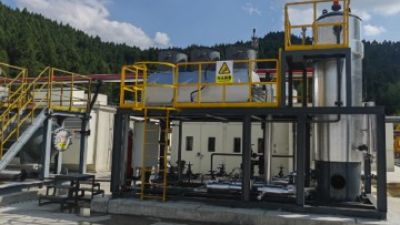
China Natural Gas Treatment Plant Exhaust Gas Recovery Equipment – Suppliers & Factory Solutions for Eco-Friendly Production
In the pursuit of eco-friendly production, tail gas treatment is an essential aspect of the natural gas treatment process. With the increasing emphasis on environmental sustainability, the need for innovative solutions that enhance resource efficiency has never been more critical. Advanced technologies in tail gas recovery systems play a significant role in minimizing emissions while maximizing economic returns for natural gas treatment plants.Our cutting-edge tail gas washing skids and tail gas burning skids are engineered to provide comprehensive solutions that effectively address the challenges of tail gas management. These systems are designed not only to capture and treat exhaust gases but also to optimize the overall environmental impact of natural gas operations. By utilizing efficient synergies and the latest technology, these solutions significantly enhance the environmental protection index, supporting the transition to greener production methods.Implementing such advanced tail gas recovery techniques empowers natural gas treatment plants to achieve their sustainability goals. As companies strive to align with stringent environmental regulations and market demands, investing in innovative equipment is crucial for maintaining a competitive edge while promoting ecological responsibility. The integration of effective tail gas treatment solutions is vital for fostering a sustainable future in the energy sector.
Conclusion
A Gas Heat Exchanger is a crucial device used to transfer heat between two gas streams without mixing them. It operates on the principle of heat exchange, where thermal energy is transferred from the hot gas to the cooler gas, enhancing energy efficiency in various applications such as HVAC systems, industrial processes, and power generation. Different types of gas heat exchangers, including shell-and-tube, plate, and finned-tube designs, cater to diverse operational needs.Key components of a gas heat exchanger include the heat transfer surfaces, insulation, and control systems, which contribute to its performance and efficiency. Regular maintenance helps address common issues like fouling and leakage while ensuring optimal operation. Looking ahead, advancements in gas heat exchanger technology aim to improve efficiency and sustainability, making them vital in the transition towards more energy-efficient systems.
About us
Hebei Hongke Qingneng Environmental Protection Equipment Co., Ltd. was established in June 2021, with a registered capital of 78 million yuan. It focuses on the R&D and manufacturing of energy conservation and environmental protection industry in the industrial base of Sanhe Economic Development Zone, Langfang City. The company is engaged in the design and manufacturing of various pressure vessels, medical waste high-temperature steam treatment equipment, animal tissue (residue) treatment equipment, biological wastewater (live toxic wastewater) treatment equipment, skid-mounted assembly of various equipment, coalbed methane/shale gas/natural gas purification and liquefaction, VOC treatment, chemical tail gas treatment, industrial refrigeration, BOG tail gas helium extraction and other environmental protection equipment.
Media Contact
Company Name: Hebei Hongke Qingneng Environmental Protection Equipment Co., Ltd.
Contact Person: Media Relations
Email: Send Email
Country: China
Website: https://www.hongkeautoclave.com/