
Hangzhou, Zhejiang, China – August 26, 2026 – Picking the right Rotating Drum Filterreally matters if you want your Wastewater Treatment to run smoothly. Did you know that, according to Global Water Intelligence, the demand for advanced filtration systems is expected to go up by about 7.5% every year? That just shows how important it is to choose wisely. I mean, Dr. John Smith from AquaTech Solutions once pointed out, “Getting the right filter can make all the difference between working efficiently and dealing with costly downtime.” Pretty clear, right?When you’re looking at different filters, especially a rotating drum one, make sure to think about your specific needs. Things like how much water flows through, what kind of wastewater you’re dealing with, and how much maintenance it’ll need—those factors really shape what’s best for you. The right fit doesn’t just improve efficiency; it can also save you a lot in the long run. Luckily, tech has come a long way recently, and filtration performance has gotten way better. Still, a lot of folks tend to overlook their actual requirements, which sometimes leads to less-than-ideal choices.In this fast-moving field, it pays to stay in the loop. Picking the right rotating Drum Filter can mean better water quality and help you stay eco-friendly and sustainable. Of course, even pros mess up sometimes—they’re not perfect! That’s why ongoing learning and chatting with experts can really help you make smarter decisions. Ultimately, the goal is to meet your operational needs without surprises, and keeping informed is key to doing that.
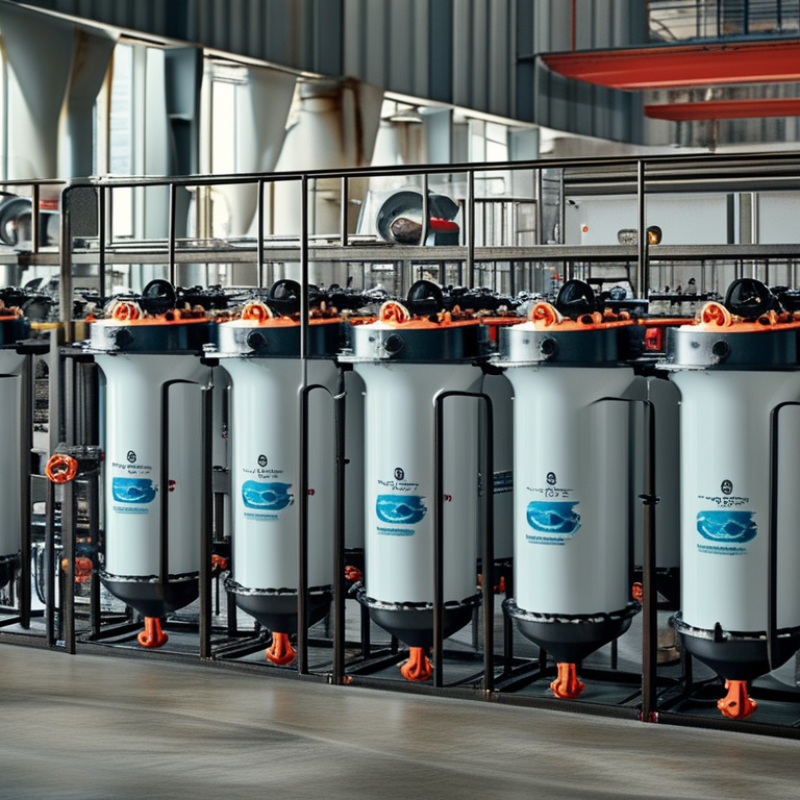
Understanding Rotating Drum Filters and Their Functionality
Rotating drum filters are essential in various industries, primarily for their effectiveness in separating solids from liquids. Their functionality is based on the principle of gravity and rotation. As the drum spins, the liquid flows through a mesh screen while solids are trapped on its surface. This simple yet effective design ensures that filtered water emerges clean and clear. According to recent industry reports, the use of rotating drum filters can increase filtration efficiency by up to 90%, making them a popular choice in wastewater management and aquaculture.
Understanding the technical specifications is crucial when selecting a filter. Factors such as drum diameter, mesh size, and rotation speed can significantly impact performance. For example, a 2 mm mesh size can remove larger particles, but finer filters may be needed for specific applications. Many operators overlook these details, leading to inefficient filtration and increased operational costs. Industry data indicate that a well-chosen filter can reduce maintenance expenses by up to 40%, highlighting the importance of informed decision-making.
In practice, regularly assessing filter performance is vital. Parameters like flow rate and clogging frequency should be monitored closely. A common oversight is waiting too long between cleanings, which can cause operational inefficiencies. Adjusting maintenance schedules according to actual usage can yield better outcomes. These considerations reveal that while rotating drum filters are robust, ongoing evaluation and knowledgeable choices lead to optimal results.
Key Factors to Consider When Choosing a Rotating Drum Filter
Choosing the right RotatingDrum Filterinvolves understanding several key factors. The filtration capacity is crucial. For instance, many systems handle flow rates of 20 to 100 gallons per minute. Facilities with higher demands may require filters that can manage 200 gallons or more. Assessing your water quality and the types of solids present helps in selecting the effective filter mesh size.
Operational efficiency is another important consideration. According to industry reports, maintaining optimal performance requires regular monitoring and cleaning schedules. Some users overlook this, resulting in inefficiencies. It is also wise to evaluate the filter’s energy consumption. Filters with lower energy costs often yield better long-term savings.
One common pitfall is neglecting maintenance requirements. A Rotating Drum Filter needs consistent upkeep to function well. Neglect can lead to blockage and increased operational costs. As you assess your options, ensuring that the chosen model aligns with your maintenance capacity is vital. While some systems might promise low upkeep, reality often proves otherwise. Understanding these aspects can lead to a more informed choice, one that balances efficiency, capacity, and operational demands.
Assessing Your Water Quality Needs for Filter Selection
Assessing your water quality needs is crucial for selecting the right rotating drum filter. Understanding the specific contaminants in your water can greatly influence your choice. Reports show that nearly 70% of water treatment issues stem from particle size and type. Employing a rotating drum filter like the Rdf Drum Filter can address many of these challenges. This type of filter efficiently removes solids, enhancing water clarity and safety.
Evaluating water quality requires testing for multiple parameters. Heavy metals, organic compounds, and sediment are common contaminants. A study by the Environmental Protection Agency indicates that about 60% of water sources exceed safe levels for these pollutants. Filtering options must align with these findings. The RDF Drum Filter stands out because it can be tailored to different particle sizes. This adaptability makes it suitable for diverse environments, from aquaculture to industrial applications.
However, choosing a filter based solely on general information can lead to poor outcomes. Not every situation is the same. Each water source has unique characteristics that should be factored in. Continuous monitoring and adjusting filtration processes are often necessary to ensure optimal performance. Investing in the right RDF Drum Filter can result in cost savings and better water quality, yet it requires a commitment to understanding water characteristics.
Evaluating Size and Capacity Requirements for Your System
When selecting a rotating drum filter, understanding your size and capacity needs is paramount. Assess the volume of water you need to treat daily. This will inform you on the filter’s capacity. Many aquatic systems have specific flow rates. Matching your filter to these rates ensures optimal performance.Consider the physical dimensions as well. A filter that fits well in your space is essential. Measure your installation area carefully. A filter that’s too large can lead to installation headaches. On the other hand, a filter that is too small will not meet your system’s requirements.It’s important to evaluate different environments as well. Each system has specific filtration needs based on various factors, such as fish load or the presence of solids. Some installations may require a trial and error approach. Be prepared to adjust your choices based on performance. Not every filter will work perfectly from the start. Understanding your needs and being willing to adapt will lead you to the best choice for your system.
Rotating Drum Filter Size and Capacity Comparison
This chart compares the filtration capacities of different sizes of rotating drum filters, which are essential for evaluating which filter best suits your system’s requirements. As the size increases, the filtration capacity also increases significantly, indicating the importance of selecting an appropriately sized filter for optimal performance.
Examining Maintenance and Operational Costs of Drum Filters
When choosing the right rotating drum filter, it’s crucial to assess maintenance and operational costs carefully. Regular maintenance ensures optimal functionality, but it can be costly. Industry reports indicate that maintenance costs can account for up to 20% of the total operational expense over a filter’s lifespan. Understanding this can help mitigate unexpected financial burdens.Operational costs often stem from energy consumption, cleaning frequency, and spare parts. A Koi Drum Filter may require less frequent cleaning than traditional filters, owing to its self-cleaning feature. This can lead to lower labor costs, but initial purchase prices may be higher. Research suggests that selecting a high-efficiency model can save up to 30% in energy costs annually.Tips: Always verify warranty options and service agreements. It is vital to understand long-term expenses rather than just upfront costs. Review real-world case studies and seek advice from industry experts. Their insights can illuminate potential hidden costs. Regular check-ups are another key factor for a Koi Drum Filter’s efficiency. Even minor issues can escalate if not addressed promptly, leading to more significant financial implications.
Comparing Different Brands and Models Available on the Market
Understanding the variety of rotating drum filters is essential. Each model has unique features that cater to different needs. When considering your options, evaluate the applications for which the drum filter will be used. Is it for a small pond or a large aquarium? The size and efficiency of the filter should match the requirements of your water system.When comparing brands, look at the filtration efficiency and maintenance aspects. Some models are easier to clean, while others require more effort. Durability is also a critical factor. You want a product that lasts, especially if you live in an area with harsh weather. Take careful notes on reviews. They often highlight specific issues users faced with the Drum Koi Filter.Choosing the right rotating drum filter may not be straightforward. You might encounter some filters that clog easily. Others may not handle the desired flow rates. Evaluate your priorities. Consider factors like energy consumption versus filtration capability. It’s important to align your choice with your long-term goals for water quality.
Customer Reviews and Case Studies for Informed Decision-Making
When searching for the perfect rotating drum filter, customer reviews can provide crucial insights. Many users report improvements in water quality after installation. A study by the Water Quality Association indicates that efficient filtration significantly reduces contaminants, benefiting both commercial and residential setups. Feedback from diverse users highlights specific issues, such as clogging and maintenance challenges, revealing that not all filters meet every need.Evaluating case studies can also be enlightening. For instance, a municipal water treatment facility successfully reduced operational costs by 20% after switching to a more efficient drum filter. Their experience stresses the importance of matching the filter’s capacity with site requirements. Some customers highlight difficulties related to installation and support, suggesting that understanding service availability is vital before purchasing.Consider these key factors: look for filters with robust warranties, as they often indicate reliability. Assess the filtration area needed for your specific application. Lastly, gather multiple reviews from users who have similar needs. This can sharpen your decision-making and prevent potentially costly mistakes.
Enhancing Efficiency in Industrial Wastewater Treatment and Aquaculture Filtration: Insights from Recent Market Trends and Technology Reports
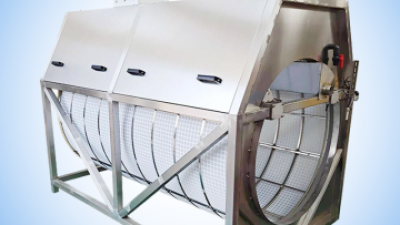
China Drum Filter for Industrial Wastewater Treatment & Aquaculture Filtration
The treatment of industrial wastewater has become increasingly vital as industries strive to maintain regulatory compliance and mitigate environmental impact. Recent market trends show a significant rise in the demand for advanced filtration systems, particularly those capable of handling both wastewater treatment and aquaculture applications. Reports indicate that the global market for wastewater treatment technologies is projected to expand at a compound annual growth rate (CAGR) of approximately 6.5% from 2021 to 2028. This growth underscores the urgent need for efficient and sustainable solutions in the industry.Among the innovative technologies gaining traction is the drum filter, which has proven to be effective in continuously filtering large volumes of liquids. These devices utilize a rotating drum structure that allows for the efficient removal of impurities and suspended solids, critical for ensuring water quality in both wastewater treatment and aquaculture environments. Recent studies highlight the benefits of using high-quality materials like stainless steel in their construction, emphasizing durability and resistance to corrosion. Additionally, the compact design of these filters not only saves space but also facilitates easy integration into existing systems, adapting to various sludge types for optimal dewatering performance.As industries continue to push the envelope on sustainability, such technologies are not merely options but necessities. The intersection of enhanced filtration capabilities and evolving market demands suggests a promising future for wastewater treatment and aquaculture filtration technologies, paving the way for more effective and responsible environmental stewardship. The adoption of such advanced systems will be crucial in meeting both regulatory requirements and the sustainability goals of various sectors.
Conclusion
Choosing the best Rotating Drum Filter for your needs involves a comprehensive understanding of its functionality and features. Key factors to consider include the specific water quality requirements of your system, which will guide your selection process. Additionally, evaluating the size and capacity needed for your application is crucial to ensure optimal performance.Another important aspect to consider is the maintenance and operational costs associated with different filters, as this can significantly impact long-term usability. As you navigate through various brands and models available on the market, customer reviews and case studies can provide valuable insights, helping you make an informed decision that meets your filtration needs efficiently.
About us
JUNTAI is a comprehensive enterprise specializing in the production, sales, and design consultation of advanced water treatment solutions. Our product portfolio includes MBBR fillers, disc diffusers, tube diffusers, dewatering sludge machines, and dosing systems. We offer end-to-end services in areas such as Recirculating Aquaculture Systems (RAS) and wastewater treatment.
With over 20 years of expertise, our team of professional environmental engineers is dedicated to delivering innovative and high-quality solutions tailored to our clients’ needs. By prioritizing customer feedback and fostering long-term partnerships, we continuously refine our offerings to meet the highest standards.
Media Contact
Company Name: Hangzhou Juntai Plastic Products Co., Ltd.
Contact Person: Media Relations
Email: Send Email
Country: China
Website: https://www.juntaienviro.com/