
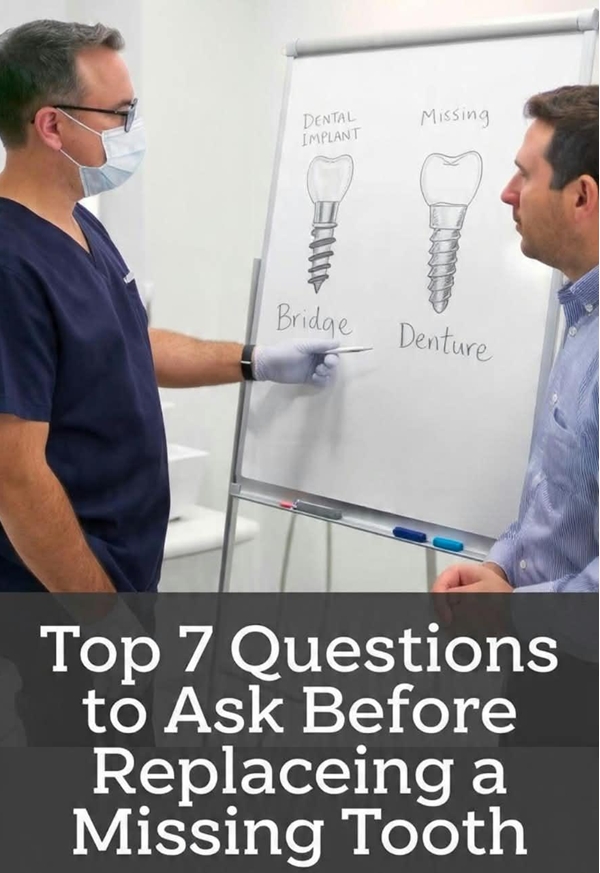
LONDON, United Kingdom – August 17, 2026 – Replacing a missing tooth involves more than restoring the appearance of a smile. Bone volume, gum health, bite pressure, neighbouring teeth, cleaning access, healing and long-term maintenance can all influence which treatment approach may be appropriate.
MaryleboneSmileClinic is highlighting seven questions patients should discuss with their dentist before deciding how to replace a missing tooth. The approach is intended to help patients understand the clinical factors behind a recommendation rather than viewing tooth replacement as a choice between treatment options based solely on appearance.
1. Why Was the Tooth Lost?
Understanding why a tooth was lost is an important starting point for treatment planning. Tooth loss may be associated with factors that can influence the timing, suitability or sequencing of replacement treatment.
Dr. Patel explains that implant planning, in particular, should begin with a thorough assessment rather than focusing only on the replacement tooth. A dentist may need to consider the reason for tooth loss, available bone, gum condition, bite forces, neighbouring teeth, temporary appearance and cleaning access before recommending a treatment route.
Understanding the original cause can help patients and dentists establish whether additional preparation or monitoring may be required.
2. Is the Bone Ready?
Bone volume and the shape of the ridge where the tooth was lost can be important considerations, particularly when an implant is being considered.
The condition of the area may influence treatment timing and suitability. An assessment can help determine whether the available bone provides an appropriate foundation or whether additional treatment or preparation may need to be considered.
Patients should ask their dentist how the condition of the bone affects the proposed treatment and what findings are being used to support the recommendation.
3. What Do the Gums Need?
Healthy and stable gum tissue can play an important role in the planning and maintenance of tooth replacement.
Gum condition around the missing-tooth area may affect treatment timing, cleaning requirements and the way the replacement is maintained over time. Patients should understand whether their gums require attention before proceeding and what signs they should monitor during treatment and follow-up.
Discussing gum stability early can also help ensure that the treatment plan considers oral health alongside the cosmetic result.
4. How Does the Bite Meet?
Bite pressure around a missing tooth can influence how a replacement is planned and maintained.
Dentists may assess how the upper and lower teeth meet, whether excessive forces are present and how neighbouring teeth interact with the proposed replacement.
Dr. Patel recommends that patients ask how their bite may affect the proposed treatment, particularly when considering a restoration that will need to withstand normal chewing forces.
Understanding these factors can help patients appreciate why a dentist may recommend monitoring, preparation or a particular treatment sequence before the final replacement is placed.
5. What Happens During Healing?
Patients should also understand what to expect during the healing period, including temporary appearance, comfort and changes to normal routines.
The healing stage can affect treatment timing and the sequence of appointments. Patients may want to ask what temporary solution, if any, will be available, how the area should be cared for and what changes should prompt them to contact the dental team.
Having a clear understanding of the healing period can help patients make informed decisions while preparing for the practical aspects of treatment.
6. Can the Area Be Cleaned?
Cleaning access is an important consideration that can extend beyond the day the replacement is fitted.
A replacement should be compatible with an effective oral hygiene routine. Patients should ask how they will clean around the replacement, whether specialist cleaning tools are recommended and what maintenance appointments may be required.
A treatment plan that considers daily cleaning from the beginning can help patients understand the responsibilities associated with maintaining their replacement over time.
7. What Review Protects the Result?
Tooth replacement does not necessarily end when the final restoration is placed. Regular professional review and appropriate maintenance can remain important for monitoring the surrounding teeth, gums and restoration.
Patients should ask how frequently follow-up appointments are recommended, what the dentist will monitor and what changes should be reported between appointments.
Understanding the long-term maintenance requirements can help patients evaluate treatment options based not only on the immediate result but also on how manageable the replacement may be over time.
A More Informed Approach to Tooth Replacement
According to Marylebone Smile Clinic, asking these questions can help patients understand how clinical findings influence treatment decisions.
Rather than selecting a replacement based solely on appearance, patients can discuss the condition of the bone and gums, bite forces, healing expectations, cleaning requirements and long-term maintenance with their dentist.
Dr. Sahil Patel emphasizes that treatment planning should be based on the individual patient’s oral health, clinical findings and expectations. Different tooth replacement approaches may be appropriate in different circumstances, making a personalized assessment an important part of the decision-making process.
For patients considering replacement of a missing tooth, discussing these seven questions with a qualified dental professional can provide a clearer understanding of the available options and the practical responsibilities associated with each approach.
About Marylebone Smile Clinic
Marylebone Smile Clinic is a dental practice in London providing dental care and treatment planning for patients seeking to improve their oral health and smile.
Media Contact
Company Name: Marylebone Smile Clinic
Contact Person: Dr. Sahil Patel
Email: Send Email
Country: United Kingdom
Website: https://marylebonesmileclinic.co.uk/