
Shenzhen, Guangdong, China – August 15, 2026 – As more people look towards a more sustainable future, the buzz around Off Grid Bess solutions is really picking up. These days, a lot of folks are eager to break free from traditional power grids, and honestly, getting a good handle on best practices is more important than ever. I was talking to Marcus Green from Green Energy Solutions—he’s quite the expert—and he said, “Investing in Off Grid Bess isn’t just about saving some bucks on energy; it’s really about adopting a whole new way of life.” Can you believe that?Figuring out the right Off Grid Bess setup can be a bit tricky, though. With so many options out there, it’s super important to think about what actually works for your specific location. Things like the climate, local rules around energy, and other factors really matter. Marcus points out that, “Every setup is different. Customizing your Off Grid Bess system is key to making sure everything runs smoothly and efficiently.”And let’s not forget, having a reliable energy source is pretty much non-negotiable. For those considering adding Pv Off Grid tech to the mix, it can really boost energy efficiency and help your batteries last longer. But heads up—it’s easy to get carried away with new tech without fully understanding how it all works. Taking the time to do your homework and reflect before putting your money down is definitely worth it.
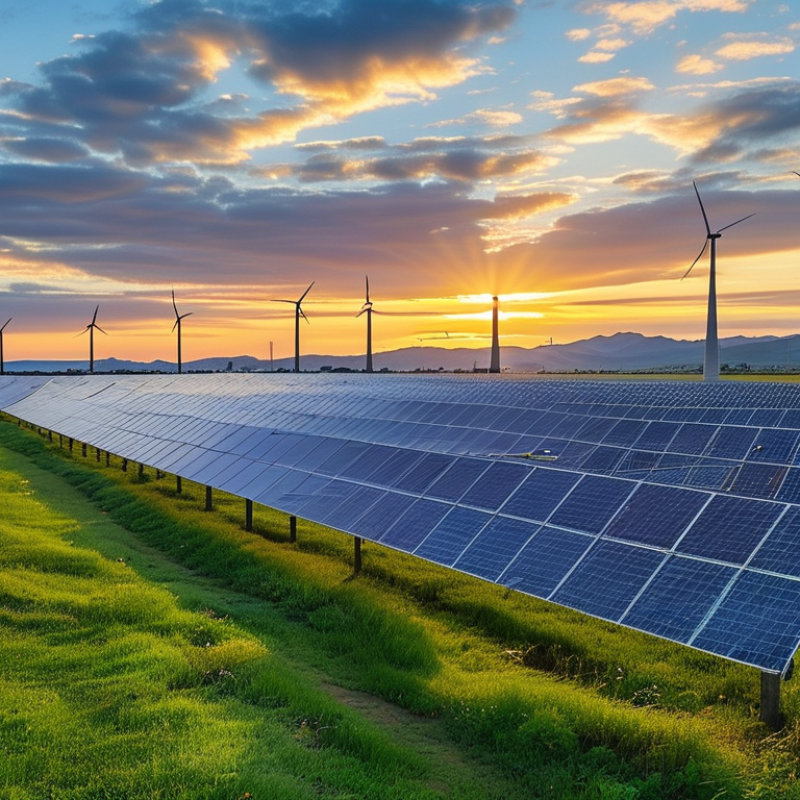
Understanding Off-Grid Battery Energy Storage Systems (BESS)
Off-grid Battery Energy Storage Systems (BESS) are gaining popularity among eco-conscious consumers. These systems store energy generated from renewable sources like solar or wind, allowing for independent power supply. By utilizing BESS, users can reduce reliance on traditional energy grids. This transition promotes sustainability and reduces carbon footprints.
When considering BESS, prospective buyers should evaluate their energy needs. Understanding how much power is required daily can impact the choice of the battery system. Additionally, assessing the available space for installation is crucial. Some systems are bulkier than others, and fitting them into existing structures can be challenging. Take the time to visualize the layout and integration into your home or facility.
There is a learning curve in managing BESS. Users often find themselves re-evaluating energy consumption habits. Tracking energy sources and understanding peak usage times is essential. Mistakes in system sizing can lead to overestimating needs or underutilizing potential. Reflect on your energy habits and adjust as necessary. This thoughtful approach can maximize the benefits of BESS and lead to a more efficient off-grid lifestyle.
Key Features to Look for in Off-Grid BESS Solutions
When considering off-grid Battery Energy Storage Systems (BESS), buyers must focus on critical features. Capacity is essential. Look for systems that provide enough energy to meet your needs. A well-sized system ensures power availability during peak times. Duration of discharge is also vital. You want batteries that can sustain energy for hours, especially during emergencies.Efficiency is another key aspect. Higher efficiency rates reduce energy loss and extend battery life. Evaluate the technology used within the BESS. Lithium-ion systems typically offer better performance compared to older technologies. However, they can come at a higher initial cost. Balance your budget with long-term gains needed for reliable Off Grid Solutions.Consider the ease of installation and maintenance. Some systems may require professional setup, while others are user-friendly. A complicated installation can lead to frustration and additional costs. Lastly, reflect on your energy needs. Regularly assess your energy usage and adjust expectations. This ongoing evaluation helps ensure that your chosen solution remains effective over time.
Top 5 Off Grid BESS Tips for Global Buyers Today
| Feature | Importance | Recommended Specifications | Price Range |
|---|---|---|---|
| Battery Type | Critical for longevity and performance | Li-ion or Lithium Iron Phosphate | $200 – $700 per kWh |
| Capacity | Must meet power demands | 5 kWh – 20 kWh | $1,000 – $5,000 |
| Inverter Quality | Affects energy efficiency | Pure sine wave inverter | $300 – $1,200 |
| Scalability | Allows for future expansion | Modular systems | Varies significantly |
| Warranty | Indicates reliability and manufacturer trust | 5 years or more | Included in purchase |
Evaluating the Capacity and Efficiency of Off-Grid BESS
When considering off-grid battery energy storage systems (BESS), evaluating their capacity and efficiency is crucial for buyers. Capacity refers to the total energy the system can store. Higher capacity means longer usage times for off-grid electricity. Buyers should think about their energy needs. A family with several devices will require more capacity than a small cabin with minimal power needs.
Efficiency measures how effectively the system converts and stores energy. A high-efficiency rating reduces energy loss during operation. This is vital in off-grid scenarios where every watt counts. Look for systems with impressive performance metrics. A system that operates at optimal efficiency will save money over time.
It’s important to understand that not all systems perform the same under various conditions. Factors such as temperature and load can impact efficiency. Regular assessments of the battery’s performance are essential. Reflecting on both capacity and efficiency will lead to better decision-making for sustainable, off-grid electricity solutions.
Comparing Different Off-Grid BESS Technologies and Brands
As global demand for energy independence rises, off-grid battery energy storage systems (BESS) have gained traction. A recent report from the International Energy Agency highlights that the off-grid solar market is rapidly expanding, with a projected compound annual growth rate of 25% through 2026. This growth can be attributed to advancements in technology and a greater need for sustainable energy solutions.
Examining various off-grid BESS technologies, lithium-ion systems dominate due to their high energy density and efficiency. However, they are not without drawbacks. Their production relies heavily on finite resources, raising sustainability concerns. Alternatives like lead-acid and flow batteries offer longer life cycles and lower environmental impact, but they typically fall short in efficiency compared to lithium-ion options.
Global buyers should also consider the scalability of their chosen solar off-grid system. Factors such as geographic location and energy demands can influence system performance. A poorly selected system may lead to underperformance and increased costs. Research indicates that unsuccessful installations often result from inadequate planning. Therefore, it is crucial to assess individual needs before committing to a specific technology.
Cost Considerations for Off-Grid BESS Purchases
When considering off-grid Battery Energy Storage Solutions (BESS), cost is a pivotal factor for global buyers. These systems can vary significantly in price based on capacity, technology, and installation requirements. Budgeting accurately is essential to avoid overspending or compromising performance. Some buyers may encounter hidden costs, such as maintenance or additional equipment necessary for effective **Off Grid Solar Design**.Another important aspect is the analysis of long-term savings versus initial investment. While solar and battery systems may seem expensive upfront, their efficiency can lead to considerable savings over time. Conducting a thorough market analysis will help buyers make informed decisions. However, many buyers might overlook comparative research, leading to potential regret later. It is crucial to not only understand pricing but also evaluate the energy needs and lifestyle compatibility, ensuring the purchase aligns with sustainability goals.Lastly, consider fluctuations in technology prices and local incentives. Prices for renewable energy components can change due to market demands or governmental policies. Ignoring these variables could result in an uninformed decision. Insights from energy experts can provide valuable context, steering you toward a more prudent investment that meets your energy independence goals.
Installation and Maintenance Tips for Off-Grid BESS
Off-grid battery energy storage systems (BESS) are gaining traction among global buyers. When installing these systems, choose a suitable location that protects them from extreme weather. Ensure that the installation site is easily accessible for maintenance. It’s essential to comply with local regulations to avoid future complications. Many overlook the importance of adequate ventilation, which can impact battery performance and lifespan.Routine maintenance is crucial for off-grid BESS efficiency. Regularly check connections and clean terminals to prevent corrosion. Monitor battery performance using appropriate tools. This monitoring helps you catch potential failures early. It’s important to understand that not all systems are foolproof. Sometimes, batteries may degrade faster than expected, leading to unexpected costs. Keeping a close eye on your system can help mitigate these issues before they escalate.Taking the time to plan for installation and ongoing maintenance is essential. However, it can be easy to overlook minor details during the process. Engaging with experienced professionals can enhance reliability. Their expertise can guide you through potential pitfalls. Remember, each system presents unique challenges, and being adaptable is key.
Top 5 Off Grid BESS Tips for Global BuyersGlobal Market Trends Impacting Off-Grid BESS Buyers
As global interest in off-grid Battery Energy Storage Systems (BESS) intensifies, market dynamics play a crucial role. Consumers today are navigating a landscape shaped by rising energy prices and fluctuating supply chains. These factors have led many potential buyers to rethink their energy strategies. Regions experiencing frequent power outages often see increased demand for off-grid solutions.
The emergent trend in sustainability is also changing buyer behavior. Many buyers prioritize eco-friendly technologies. There is a noticeable shift toward renewable energy sources. However, potential buyers need to be cautious. Not all systems guarantee high performance or longevity. It’s crucial to evaluate the reliability of suppliers and their products. Engaging with experts in the field can provide valuable insights.
Price volatility in raw materials adds another layer of complexity. Manufacturers face challenges in sourcing components, leading to potential delays in delivery. Buyers may find it beneficial to explore various options and stay informed about global trends. Relying solely on local suppliers may not always yield the best results in this unpredictable market.
Maximizing Efficiency: Exploring Hexa BESS Series Energy Storage Solutions for Diverse Applications
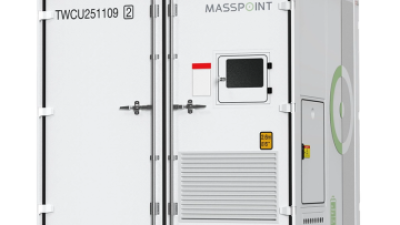
Hexa BESS Series: Flexible Energy Storage Solutions from China Suppliers for Remote, Industrial, and Urban Applications
The adoption of advanced energy storage solutions has become essential for enhancing operational efficiency across various industries. The Hexa BESS Series is specifically engineered to meet the diverse needs of sectors such as construction, heavy industry, and off-grid applications. Its robust design ensures reliability in challenging environments, making it an ideal choice for locations where traditional power sources may fall short. By significantly reducing dependency on diesel fuel, this energy storage system not only cuts down on fuel consumption but also minimizes carbon emissions, contributing to a greener future.In addition to its environmental benefits, the Hexa BESS Series incorporates an innovative energy management system that facilitates seamless integration with existing generators and local power grids. This capability is crucial for maintaining a steady energy supply for large machinery and other essential services that are vital for operation continuity. The modular architecture allows for rapid deployment and scalability, making it easy to adapt to changing energy demands. Furthermore, with the inclusion of intelligent remote control features, operators can efficiently manage energy usage and optimize performance in real-time, ensuring that their power solutions remain responsive and effective in the field.
Conclusion
The article “Top 5 Off Grid Bess Tips for Global Buyers Today” provides an insightful overview for those interested in Off Grid Bess, focusing on essential knowledge and considerations for potential buyers. It begins by explaining the fundamentals of Off-Grid Battery Energy Storage Systems (BESS) and highlights key features that should be prioritized in potential solutions.Moreover, the piece emphasizes the importance of evaluating capacity and efficiency, as well as comparing various BESS technologies that are available in the market. Cost considerations and the financial impact of purchases are also discussed, along with practical advice regarding installation and maintenance. Finally, it analyzes global market trends that are shaping the decisions of Off Grid Bess buyers, offering valuable insights for making informed choices in this rapidly evolving field.
About us
MASSPOINT Energy is a global leader in advanced micro-grid solutions, committed to providing reliable and sustainable energy systems.
With over 12 years of experience in power electronics and batteries industry, our team integrates R&D, manufacture, sales and services. We are committed to delivering green and sustainable energy solutions, including Industrial Hybrid BESS, Micro-Grid BESS, etc.
Media Contact
Company Name: Masspoint Energy Technology Co., Ltd.
Contact Person: Media Relations
Email: Send Email
Country: China
Website: https://www.masspointenergy.com/