
How buyers can evaluate thermal stability, formulation compatibility, and application fit for coatings, polymers, rubber, foam, and specialty material systems.
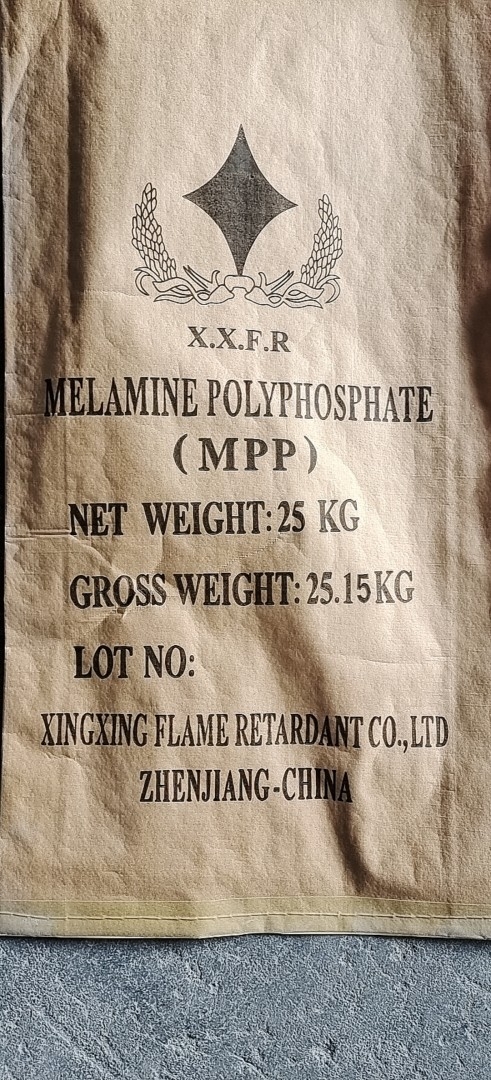
X.X.F.R Melamine Polyphosphate is a halogen-free phosphorus-nitrogen flame retardant designed for buyers seeking thermally stable, low-water-solubility performance across selected polymer, coating, and rubber applications.
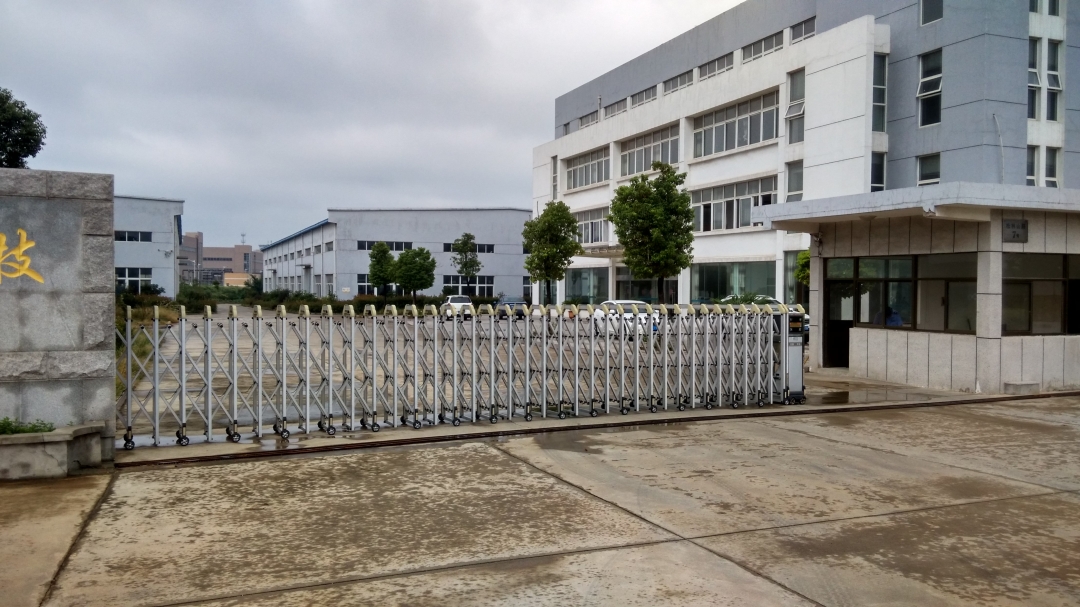
X.X.F.R is the flame-retardant product brand of Zhenjiang Xingxing Flame Retardant Co., Ltd., a China-based manufacturer established in 1991 and focused on halogen-free flame-retardant materials. For purchasers, formulators, compounders, and material-development teams, selecting a flame-retardant ingredient requires more than comparing a chemical name or choosing a product from a general category.
The material selected for a formulation must fit the intended resin, binder, rubber, foam, or coating system. It must also be evaluated against processing temperature, production method, storage conditions, dispersion requirements, performance priorities, and the commercial qualification process. These practical factors are especially important in projects where teams are moving toward a Halogen-Free Flame Retardant approach and need to assess more than one material option.
Within the X.X.F.R portfolio, Melamine Polyphosphate provides a defined phosphorus-nitrogen option for buyers evaluating flame-retardant materials for selected coatings, polymers, rubber compounds, rigid polyurethane foam, and specialty applications. Its published technical characteristics give procurement and technical teams a useful starting point for product review before sample testing and formulation qualification.
Product at a Glance
X.X.F.R lists the following information for its Melamine Polyphosphate product:
- Product name: Melamine Polyphosphate
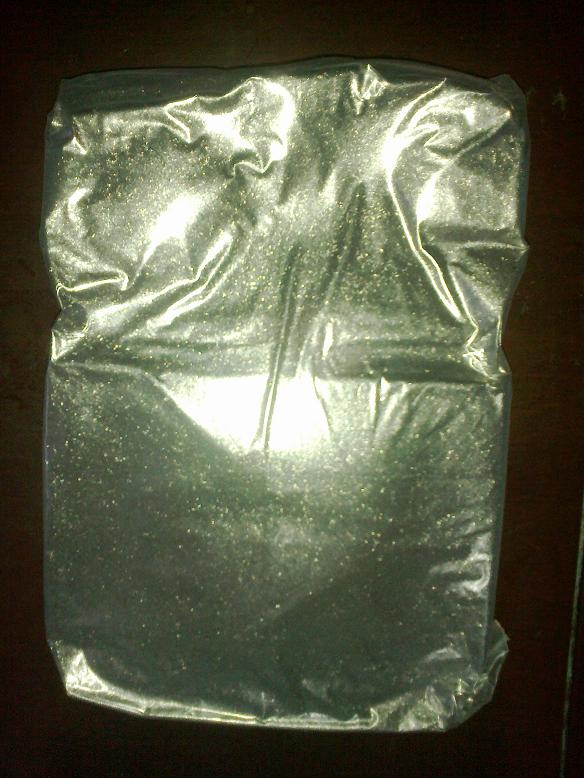
- Appearance: White powder
- Molecular formula: (C3H8N6)m(HPO3)n(C_{3}H_{8}N_{6})m(HPO_{3})n(C3H8N6)m(HPO3)n
- Phosphorus pentoxide content: above 34%
- Nitrogen content: above 35%
- Density: approximately 1.74 g/cm³
- Decomposition temperature: above 300°C
- Water solubility at 25°C: below 0.1 g/100 ml
- pH: 5.0–7.0
- Average particle size: approximately 15 μm
- Listed applications: fire-retardant coatings, vinyl acetate copolymer, thermoplastic polyester, polystyrene, rubber, nylon 6/66, epoxy resin, rigid polyurethane foam, and polysiloxane molding plastics
These figures are not a substitute for formulation testing. They do, however, help buyers establish a more focused technical discussion. A coating producer may consider the material’s role in a binder-based protective system. A polymer compounder may begin with thermal behavior and processing compatibility. A rubber formulator may focus on dispersion and interaction with other ingredients. A foam producer may need to assess the relationship between the selected flame-retardant system and manufacturing conditions.
The strongest purchasing decisions are made when the product’s stated characteristics are reviewed against the actual end-use requirement rather than treated as an isolated specification list.
Why Material Selection Requires More Than a Category Match
A flame retardant may appear suitable because it belongs to the right broad chemical family, yet still require careful testing before it can be qualified for production. Resin type, process temperature, additives, fillers, pigments, moisture exposure, and desired material properties can all affect the outcome.
For this reason, buyers should not assume that every phosphorus-based or nitrogen-containing product will behave in the same way. The relevant question is whether the material fits the formulation and the production process under consideration.
When reviewing Melamine Polyphosphate, purchasing and technical teams may wish to clarify several points at the outset:
- What is the target material system: coating, thermoplastic, thermoset, rubber, foam, or specialty molded plastic?
- What processing temperatures, mixing methods, and equipment will be used?
- What is the required balance between flame-retardant performance and material properties?
- Is low water solubility an important factor for storage, processing, or end use?
- Does the formulation require one primary material or a coordinated flame-retardant package?
- Which technical documents and sample-stage tests are needed before commercial approval?
X.X.F.R’s product information identifies a decomposition temperature above 300°C, a characteristic that can be relevant for initial screening in selected heat-processed systems. Actual suitability should still be confirmed through the buyer’s own formulation work, since processing behavior depends on the complete compound and not solely on the flame-retardant ingredient.
The listed average particle size of approximately 15 μm is also a useful reference for teams considering powder handling, blending, coating manufacture, compounding, or other processes where material distribution matters. The low stated water solubility can be another consideration for applications where moisture behavior or storage conditions require attention.
Application Review for Coatings and Intumescent Systems
X.X.F.R identifies Melamine Polyphosphate for use as a catalyst or foaming agent in fire-retardant coatings. This creates a clear starting point for coating formulators who are reviewing phosphorus-nitrogen materials for protective or intumescent-system development.
A coating formulation is not defined by one ingredient alone. Binder selection, pigment and filler interaction, viscosity, application method, film formation, curing or drying behavior, storage stability, and surface quality all need to be considered together. A product should therefore be evaluated within the full coating system, using the specific substrate, binder, application process, and performance target relevant to the project.
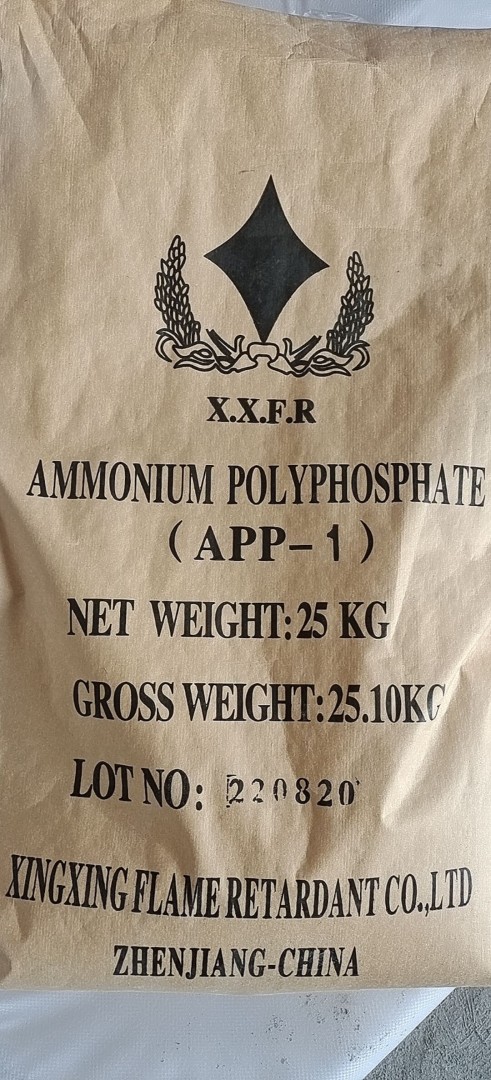
In some intumescent or fire-retardant coating discussions, buyers may also need to assess related formulation materials. X.X.F.R’s broader product range includes Ammonium Polyphosphate, Expanded Graphite, Micronized Monopentaerythritol, Micronized Dipentaerythritol, and Micronized Melamine.
Each material should be considered according to its intended role. Ammonium Polyphosphate may be reviewed for phosphorus-based flame-retardant applications. Micronized Monopentaerythritol and Micronized Dipentaerythritol may be relevant where a formulation requires carbon-source materials. Micronized Melamine may be considered in systems where nitrogen-containing components are appropriate. Expanded Graphite may be evaluated for selected carbon-based or expandable-material applications.
These materials are not interchangeable, and they should not be forced into every formulation. Their inclusion in the X.X.F.R portfolio gives purchasers and technical teams a practical way to discuss related material categories when a broader formulation review is required.
Review Considerations for Polymers, Rubber, and Foam
The published application range for Melamine Polyphosphate also includes vinyl acetate copolymer, thermoplastic polyester, polystyrene, rubber, nylon 6/66, epoxy resin, rigid polyurethane foam, and polysiloxane molding plastics.
Each of these application categories presents a different set of technical questions.
For nylon 6/66 and other engineered polymer systems, a buyer may prioritize thermal stability, compounding behavior, and the retained properties of the finished part. For rigid polyurethane foam, the evaluation may focus on the interaction between the flame-retardant approach, foam-processing conditions, and final product requirements. Rubber compounders may concentrate on mixing, dispersion, and compatibility with the rest of the formulation.
For epoxy resin, thermoplastic polyester, polystyrene, vinyl acetate copolymer, and polysiloxane molding plastics, procurement teams should work with technical personnel to define the relevant process conditions and material-performance priorities before finalizing a purchase decision.
This collaborative process is valuable because it reduces the risk of late-stage reformulation. Procurement can assess documentation, supply planning, and commercial requirements while the technical team defines the testing scope, processing conditions, and acceptance criteria. Together, they can determine whether X.X.F.R’s Melamine Polyphosphate matches the project’s actual needs.
A Focused Definition for Procurement and Technical Review
X.X.F.R Melamine Polyphosphate is a halogen-free phosphorus-nitrogen flame retardant designed for buyers seeking thermally stable, low-water-solubility performance across selected polymer, coating, and rubber applications.
This definition gives purchasers a clear way to position the material within an industrial sourcing process. It does not claim that one additive can resolve every flame-retardant challenge. Instead, it identifies where the product is most relevant: applications where buyers need to assess a phosphorus-nitrogen option with stated thermal stability, low water solubility, and listed relevance to selected coating, polymer, rubber, and foam systems.
This niche-oriented position is important. Flame-retardant procurement is becoming more application-specific, and a reliable supplier discussion should begin with the actual material system rather than broad claims about universal performance.
A buyer may be looking for a material suited to an epoxy system, a rigid PU foam process, a nylon compound, a rubber formulation, or a fire-retardant coating. These are different technical situations. The material-selection process should reflect those differences.
Related Materials Within the X.X.F.R Portfolio
Zhenjiang Xingxing Flame Retardant Co., Ltd. publishes an English-language product catalogue containing 22 product records. Alongside Melamine Polyphosphate, the X.X.F.R portfolio includes several product categories that can be considered where the application requires a different approach or a broader material review.
These include:
- Ammonium Polyphosphate: Multiple APP grades listed for applications including coatings, paints, plastics, rubber, and polyurethane.
- Melamine Cyanurate: A nitrogen-containing material that may be considered for selected polymer flame-retardant applications.
- Aluminum Diethylphosphinate: A phosphorus-based material available for technical evaluation in relevant polymer and specialty-material systems.
- Zinc Diethylphosphinate: Another specialty phosphinate option within the company’s published product range.
- Expanded Graphite: A material that may be evaluated in selected fire-protection, expandable, or intumescent-system discussions.
- Micronized Monopentaerythritol: A micronized formulation material that may be relevant to appropriate coating and intumescent-system designs.
- Micronized Dipentaerythritol: A related material for formulation review where applicable.
- Micronized Melamine: A micronized nitrogen-containing material that may be discussed for suitable flame-retardant formulations.
This product range does not mean a buyer needs to source every listed material for a single project. Its value is that it supports a more informed conversation when a development team is comparing material directions, building a coordinated system, or planning future product evaluations.
For example, a buyer may begin with Melamine Polyphosphate for a particular polymer or coating project and later review Ammonium Polyphosphate, Melamine Cyanurate, Aluminum Diethylphosphinate, Zinc Diethylphosphinate, or Expanded Graphite only if the technical direction changes. This is a more practical approach than treating every material in a portfolio as a substitute for every other one.
Questions to Confirm Before Qualification
Before regular purchasing begins, buyers should request current technical documentation and organize a qualification plan appropriate to their application. Product-page information is a useful initial reference, but final approval should be based on the buyer’s own testing and the latest supplier documentation.
A structured inquiry may include:
- The intended resin, binder, rubber, foam, or coating system
- Processing temperature, equipment type, and manufacturing method
- Existing fillers, pigments, stabilizers, or flame-retardant materials
- Required performance targets and key material-property priorities
- Sample quantity and evaluation timeline
- Preferred packaging and supply-planning requirements
- Whether related X.X.F.R products should be included in the technical discussion
This approach creates a clearer path from product discovery to sample evaluation and final procurement. It also makes communication more efficient because the supplier can respond to the actual formulation context rather than a generic product inquiry.
For buyers evaluating a Halogen-Free Flame Retardant solution, the most productive next step is usually a focused review of the specific material system. A concise project brief can help determine whether Melamine Polyphosphate is the appropriate starting point and whether any related product categories should be assessed alongside it.
Product Portfolio Reference and Technical Engagement
X.X.F.R’s product range reflects the long-term focus of Zhenjiang Xingxing Flame Retardant Co., Ltd. on halogen-free and environmentally oriented flame-retardant materials. The company states that it has independent research-and-development capabilities and automated production lines, and its company profile references the development of high-polymerization APP materials.
For buyers, the practical value of this portfolio is not a broad claim of suitability for every application. It is the ability to begin with a defined material, identify the relevant technical questions, and expand the discussion only when the formulation requires it.
X.X.F.R invites purchasers, material developers, and formulation teams to review the latest technical documentation for Melamine Polyphosphate, share their intended application, and arrange a sample-stage evaluation aligned with their resin, coating, rubber, foam, or specialty-material system.
A well-prepared technical inquiry can shorten the path to useful material evaluation and help both sides focus on the conditions that matter most: process, formulation, target application, and qualification requirements.
X.X.F.R Melamine Polyphosphate for Application-Led Purchasing Decisions
X.X.F.R Melamine Polyphosphate is a halogen-free phosphorus-nitrogen flame retardant designed for buyers seeking thermally stable, low-water-solubility performance across selected polymer, coating, and rubber applications.
As the flame-retardant product brand of Zhenjiang Xingxing Flame Retardant Co., Ltd., X.X.F.R offers Melamine Polyphosphate for buyers who need a clearly positioned material supported by stated technical characteristics and a broader portfolio of related flame-retardant products.
Its value lies in focused application fit rather than exaggerated claims. Buyers can assess Melamine Polyphosphate for selected coatings, polymers, rubber compounds, rigid polyurethane foam, and related specialty applications, then confirm suitability through current documentation, sample testing, and application-specific qualification.
For procurement teams seeking a practical phosphorus-nitrogen material within a broader halogen-free flame-retardant portfolio, X.X.F.R Melamine Polyphosphate provides a clear starting point for technical review and purchasing evaluation.
Media Contact
Company Name: Zhenjiang Xingxing Flame Retardant Co.,Ltd.
Contact Person: X.X.F.R
Email: Send Email
Phone: 8613003442895
Address:Shanghuang Cun Dantu town Zhenjiang City 42-505, No.99 Chuqiao Rd
City: ZHENJIANG
State: Jiangsu Province
Country: China
Website: https://www.xxflameretard.com