
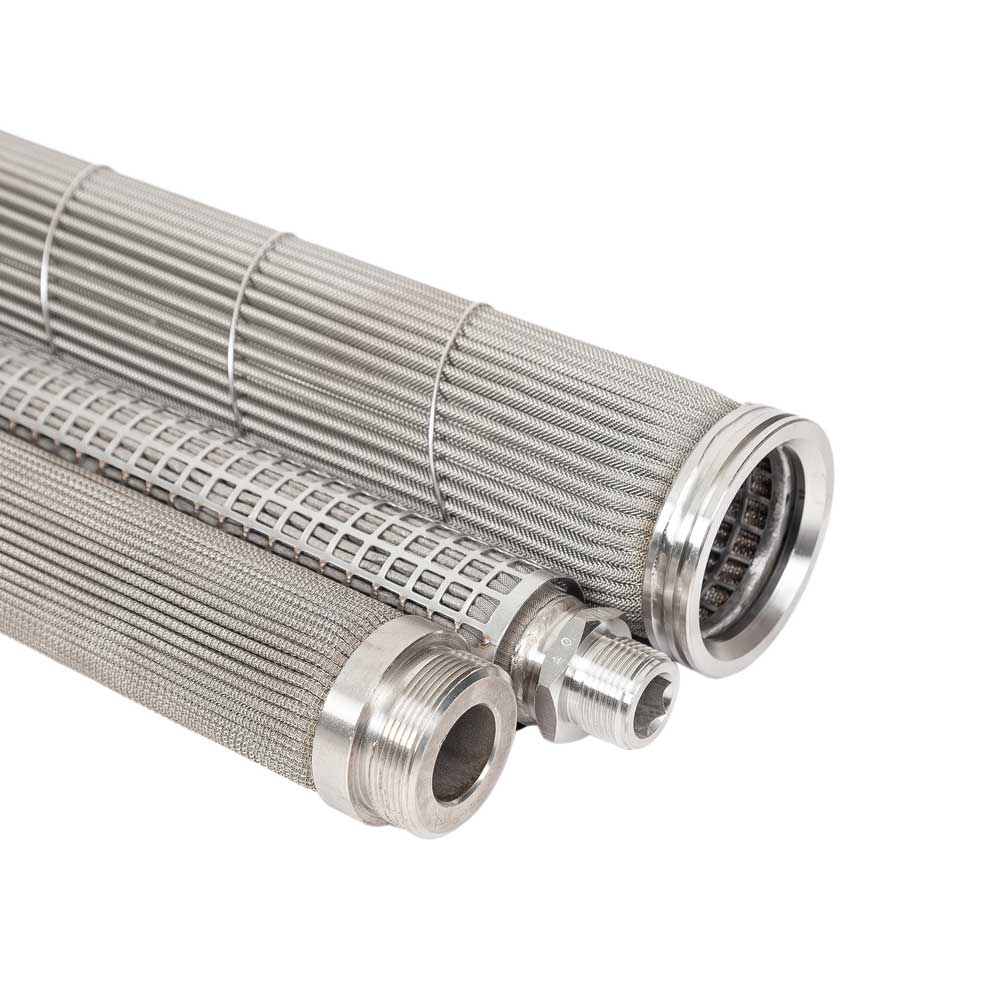
Candle Filters for plastic extrusion lines are core consumables in the melt filtration process, which directly determine the purity of finished films, pellets, and chemical fiber products, as well as production stability. When selecting candle filter suppliers, global plastic processing buyers conduct on-site factory audits to evaluate qualification, production control, testing capability, delivery reliability, and compliance through a standardized checklist. This helps avoid supply chain risks such as batch impurity exceeding limits, insufficient pressure resistance, inconsistent batch performance, and delivery delays. From the perspective of cross-border buyers, this article provides a full-process factory audit checklist tailored for candle filter manufacturers in the plastic extrusion industry. It covers 10 modules: qualification system, raw material control, production process, finished product inspection, warehousing & traceability, equipment maintenance, personnel management, environmental & safety compliance, customized delivery, and after-sales improvement. All audit points align with the product characteristics of melt candle filters—high temperature resistance, corrosion resistance, high dirt-holding capacity, and washable reusability—enabling buyers to verify items on-site and issue objective audit scores.
1. Enterprise Qualification & Quality Management System Audit Checklist
This module is the first inspection item in factory audits, used to verify whether the factory has formal manufacturing qualifications for Melt Filter elements and distinguish actual manufacturers from trading middlemen. It serves as the basic threshold for long-term bulk procurement.
Enterprise Basic License Verification
- Business registration documents, confirming the business scope includes manufacturing of stainless steel filter elements, melt filters, and polymer filtration equipment.
- Export-related registration and filing documents, cooperation cases with overseas plastic extrusion industry customers in the past three years, and proof of bulk order delivery.
- Factory property ownership certificate or long-term lease agreement to ensure stable production premises without risks of temporary relocation or shutdown.
Quality System Certification Review
- ISO 9001 quality management system certificate, with certification scope covering production of melt candle filters and stainless steel sintered mesh.
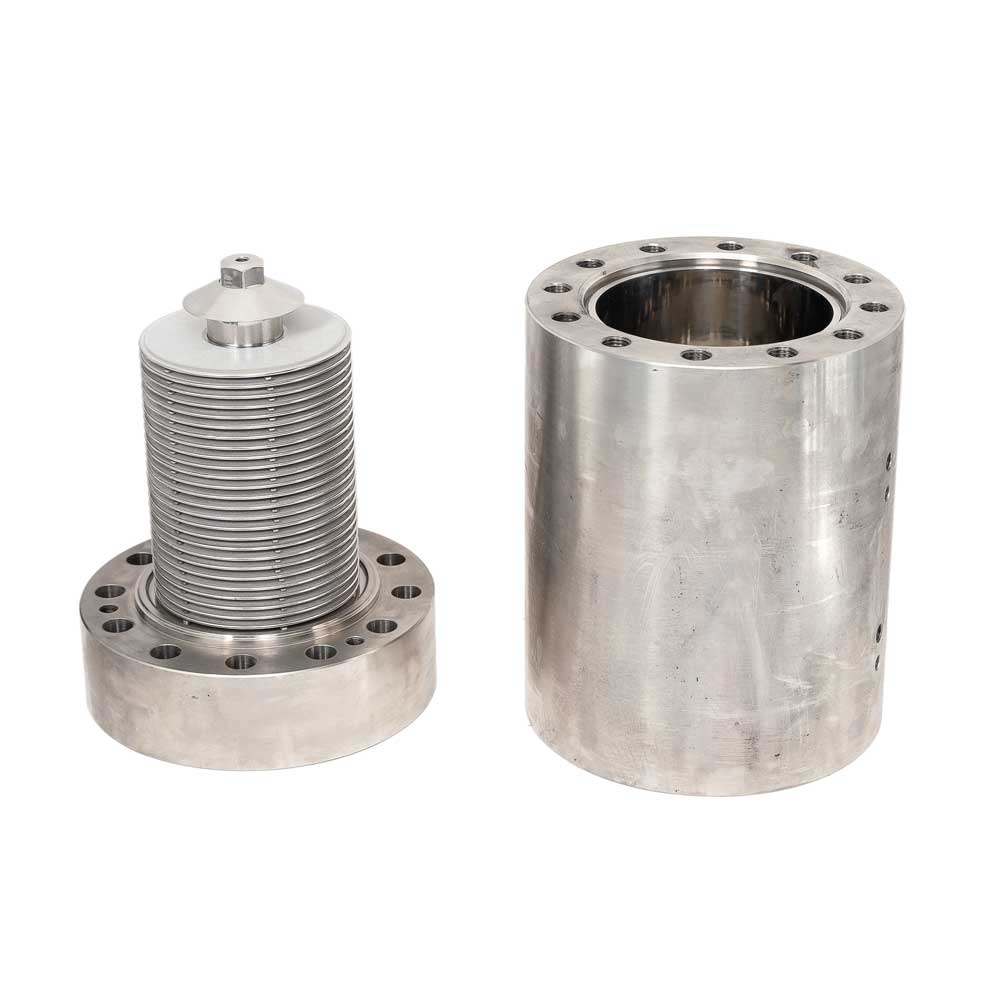
- Compliance certificates for pressure components, including pressure resistance test filing data adapted to high-temperature melt conditions in plastic extrusion.
- System operation evidence: annual internal audit reports, management review records, and closed-loop corrective documents for customer quality complaints.
Product Design & Customization Capability Audit
- Custom drawing library for candle filters, including standardized designs for cylindrical, pleated, and sintered candle filters.
- Adaptation and modification cases for plastic extrusion lines, including filter improvement solutions for OPP, CPP, plastic pelletizing, and chemical fiber spinning production lines.
- Control process for customer drawing changes, including engineering change records, sample trial production verification reports, and customer signed confirmation documents.
2. Incoming Quality Control (IQC) Audit Checklist
The core performance of candle filters depends on the quality of raw materials such as stainless steel mesh, sintered felt, and metal frames. Inadequate raw material control leads to non-compliant temperature resistance, corrosion resistance, and filtration accuracy. Buyers focus on full-process incoming material control records during on-site audits.Raw Material Supplier Management
- Qualified supplier list for stainless steel raw materials, and material quality certificates for each batch of stainless steel wire mesh and sintered felt.
- Incoming material acceptance standards, distinguishing testing specifications for 304, 316L and other stainless steel grades.
- Disposal process for unqualified raw materials, including rejection and return records, with no mixed material use or downgraded feeding.
Incoming Material Testing Items Verification
- Spectral testing records of material composition to ensure no impurity doping in stainless steel raw materials.
- Sampling inspection records of mesh pore size and wire diameter thickness, meeting customer-specified filtration accuracy standards of 20 to 150 microns.
- Small-sample test reports for raw material temperature and corrosion resistance, suitable for melt conditions above 200°C in plastic extrusion.
Raw Material Warehouse Management
- Zoned storage of stainless steel raw materials with moisture-proof and rust-proof measures, and complete batch identification cards.
- First-in-first-out (FIFO) implementation records, ensuring no long-term accumulated rusted raw materials enter production.
- Isolated storage of different mesh and sintered felt materials to prevent precision confusion caused by material mixing.
3. In-Process Quality Control (IPQC) for Candle Filter Production Audit ChecklistProduction of candle filters for plastic extrusion includes mesh cutting, welding, sintering, pleating, assembly, and cleaning. On-site audits focus on standardized operation of key processes and real-time inspection records to eliminate defects such as insufficient welding, uneven sintering, and pleat deformation.On-Site Standardized Operation Verification
- Controlled version work instructions posted at each station, specifying processing parameters for pleated and sintered candle filters.
- Independent process cards for key processes (high-temperature sintering, argon arc welding), recording fixed parameters of temperature, pressure, and duration.
- Production personnel operating strictly in accordance with SOPs, without arbitrary changes to processing parameters.
Three-Level Inspection Records Review
- First-article inspection: testing reports for size, welding strength, and filtration accuracy of the first candle filter per production batch.
- In-process inspection: sampling records every 2 hours, monitoring pleat uniformity and frame welding firmness.
- Last-article comparison: records comparing size, appearance, and performance between the last product and the first article to ensure batch consistency.
Special Process Special Control
- Real-time temperature curve records for stainless steel sintering to prevent mesh detachment caused by insufficient sintering.
- Sampling test records of weld tensile strength for overall filter welding processes.
- Finished product cleaning process to remove production oil and metal debris, with records of waste liquid treatment.
Non-Conforming Semi-Finished Product Control
- Independent isolated area for non-conforming products, clearly marked with defect types (insufficient welding, pore size deviation, pleat damage).
- Graded disposal process for rework and scrap, including re-inspection records after rework and scrap destruction ledgers.
- Root cause analysis reports for repeated defects and implementation records of process optimization plans.
 4. Finished Product Quality Control (FQC) Audit Checklist
Buyers focus most on the operational stability of filters on extrusion lines. Finished product testing items must fully match plastic extrusion melt filtration conditions. On-site verification includes testing equipment, standards, and batch sampling records.Basic Appearance & Dimension Inspection
- Inspection of outer diameter, length, and interface dimensional tolerances to fit customized sizes for different extruder filter housings.
- Surface inspection of filter mesh, free of damage, scratches, and welding burrs to avoid scratching extrusion dies.
- Inspection of pleat density uniformity for pleated candle filters to ensure qualified dirt-holding capacity.
Melt Filtration Special Performance Testing
- Bubble point test records for filtration accuracy, measured to customer-specified micron levels with test samples retained per batch.
- Pressure resistance testing simulating high-temperature and high-pressure extrusion conditions, recording filter burst pressure data.
- High-temperature durability test reports verifying deformation and detachment risks of mesh under long-term high temperatures.
- Dirt-holding capacity testing comparing pollutant loading capacity of same-specification filters to extend online service life of extruders.
Finished Product Sampling & Acceptance Standards
- Implementation of international AQL sampling standards, defining acceptable ratios for appearance and performance defects.
- Factory inspection reports attached to each batch of finished products and provided to plastic extrusion plant customers with shipments.
- Finished product retention system, with samples kept until the end of the order warranty period for after-sales traceability.
5. Testing Equipment & Measuring Instrument Calibration Audit ChecklistInaccurate testing equipment leads to false-qualified products entering the market. Overseas buyers verify calibration qualifications of measuring instruments one by one during factory audits, a common deduction point often overlooked by small and medium-sized factories.Testing Instrument Ledger Management
- Complete list of testing equipment: pore size tester, pressure testing machine, spectrometer, caliper, high-temperature test chamber.
- Weekly records of equipment use, maintenance, and upkeep, with no idle or damaged instruments in use.
Regular Calibration Certificate Verification
- Third-party calibration certificates for all measuring instruments, with calibration cycles not exceeding 12 months and valid certificates.
- Standardized calibration specifications for internal calibration equipment, with operators holding relevant qualifications.
- Calibration status labels posted prominently on instruments, with expired equipment isolated and disabled.

6. Warehousing, Packaging & Batch Traceability System Audit Checklist
Most plastic extrusion plants operate continuously. A complete traceability system quickly identifies affected batches in case of quality issues, reducing production downtime losses. This module is a mandatory audit item for European and American buyers.Warehouse Zoning Management
- Physical isolation of raw material area, semi-finished area, finished product area, non-conforming area, and pending shipment area.
- Moisture-proof and rust-proof packaging for finished candle filters, with standardized stacking height to avoid extrusion deformation.
- Separate storage for customized and standard filters, marked with corresponding plastic extrusion equipment models.
Full-Chain Batch Traceability Capability
- Unique batch codes for single filters and full cartons, enabling reverse traceability to raw material batch, production team, production time, and inspector.
- Complete electronic or paper-based inbound and outbound ledgers, matching shipment orders with filter batches.
- Availability of complete traceability data for any overseas order in the past year without broken records.
Export Packaging Control
- Moisture-proof and rust-proof export packaging plan adapted to long-distance ocean transportation corrosion protection.
- Standardized packaging labels marking filter model, accuracy, material, batch, and applicable extruder type.
- Preparation process for packing lists and commodity inspection documents to ensure efficient customs clearance.
7. Production Equipment Maintenance & Capacity Delivery Audit Checklist
Buyers assess mass supply and urgent order delivery capability through equipment status, adapting to continuous replenishment needs of plastic extrusion plants.Production Equipment Maintenance Records
- Monthly maintenance and annual overhaul records for mesh cutting machines, sintering furnaces, welding equipment, and pleating machines.
- Equipment downtime ledgers, including fault repair duration and backup equipment deployment plans.
- Equipment capacity calculation data, monthly maximum output of candle filters matching customers’ annual procurement demand.
Delivery Capability Verification
- Order on-time delivery rate statistics, including overseas plastic industry order delivery data in the past year.
- Safety stock of backup raw materials to address short-term urgent orders and raw material supply delays.
- Multi-production line deployment mechanism and distributed production plans for large-volume customized filter orders.

8. Personnel Qualification, Training & Site Management Audit Checklist
Welding, sintering, and performance testing of candle filters are special processes. Operator skills directly affect finished product stability. Buyers randomly interview frontline staff to verify training implementation.Post Qualification Management
- Certifications for key positions (welding, sintering, testing), with complete skill assessment files.
- Pre-job training records for new employees, including courses on product characteristics, operation specifications, and defect identification.
- Annual skill retraining assessment data, with unqualified personnel suspended for retraining.
On-Site 5S & Production Environment
- Clean and dust-proof production workshop, with no dust or oil accumulation in stainless steel filter processing areas.
- Organized material placement at workstations, fixed storage of tools and semi-finished products to reduce collision damage.
- Workshop temperature and humidity control to prevent moisture and rust of stainless steel raw materials.
9. Environmental, Occupational Safety & Social Responsibility Audit ChecklistMost plastic extrusion enterprises in Europe and Southeast Asia mandate ESG and social responsibility audits; non-compliant factories are directly disqualified.Production Safety Verification
- Unobstructed fire exits and regularly inspected fire extinguishers and emergency equipment.
- Provision of protective equipment for high-temperature sintering and welding stations, with proper wearing by employees.
- Complete equipment safety protection devices and effective anti-scald isolation for high-temperature equipment.
Environmental Compliance Documentation
- Operation records of production wastewater and waste gas treatment equipment, and compliant disposal ledgers for filter cleaning wastewater.
- Metal scrap recycling process, classified storage and compliant recycling records for solid waste.
Social Responsibility Compliance
- Complete records of employee labor contracts, working hours, and salary payments, with no excessive overtime or wage deduction.
- Well-equipped staff dormitories and dining areas with regular safety inspection records.
- Ability to cooperate with third-party social responsibility audits such as BSCI and SMETA with complete supporting documents.
10. Custom Development, After-Sales & Continuous Improvement Audit Checklist
Plastic extrusion lines feature high differentiation. Most buyers require customized size, accuracy, and structure candle filters. Technical service and after-sales improvement capabilities are core advantages for long-term cooperation.Customized Service Capability
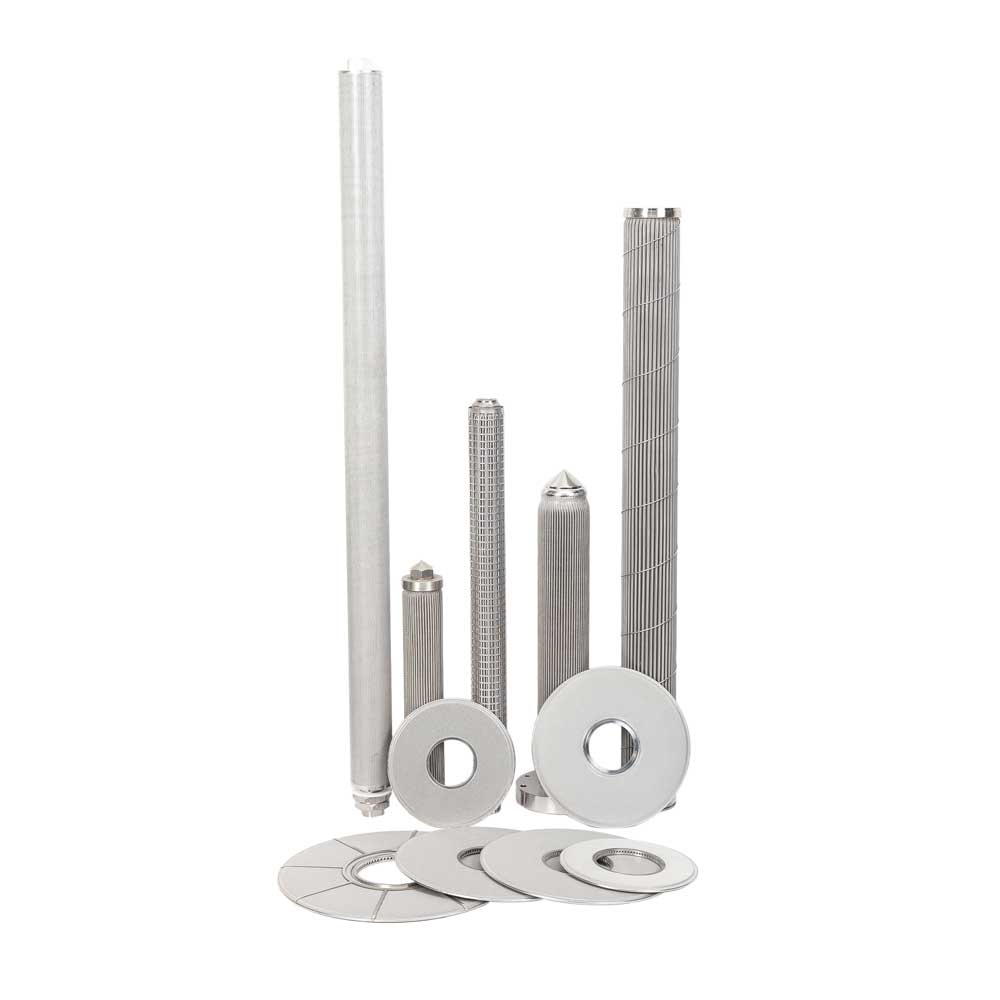
- Over 10 years of project archives for polymer filter element customization, with 1000+ OEM melt filtration custom cases.
- Free sample delivery process and rapid response mechanism for sample testing and parameter adjustment.
- Ability to provide one-stop filtration solutions including leaf filters and stainless steel mesh filters.
Customer After-Sales Process
- 24-hour technical response mechanism for overseas customer inquiries, remote technical support for filter failures on extrusion lines.
- 8D corrective report mechanism for quality objections, clarifying root causes, short-term corrections, and long-term prevention measures.
- Technical guidance for filter cleaning and reuse to help plastic extrusion plants reduce consumable procurement costs.
Continuous Improvement System
- Decomposed annual quality objectives, with continuous optimization data for filter defect rate and customer complaint rate.
- Cases of product structure optimization based on on-site customer feedback to enhance high-temperature resistance and dirt-holding capacity.
- Regular product iteration test records supporting filter upgrades for new film and pelletizing extrusion equipment.
11. Factory Audit Grading Reference Standard
After completing the full checklist verification, buyers can classify factory eligibility into three levels to quickly determine trial orders or bulk cooperation:
- Grade A Qualified Supplier: No serious non-conformities, minor issues correctable within a time limit; systems, capacity, testing, and traceability fully compliant. Directly eligible for long-term annual framework agreements.
- Grade B Conditional Supplier: A small number of general non-conformities. Eligible for small-batch trial procurement after submitting and passing rectification review.
- Grade C Rejected Supplier: Serious issues such as missing qualifications, invalid testing equipment, broken traceability systems, or major safety/environmental violations. Cooperation assessment terminated.
Media Contact
Company Name: PUJIANG HG NONWOVEN MACHINERY CO., LTD.
Email: Send Email
Country: China
Website: https://www.hgspuntech.com/