
In today’s increasingly competitive global plastic raw materials market, General Purpose Polystyrene (GPPS) and High Impact Polystyrene (HIPS) have become essential base materials in packaging, household goods, electronics, and many other industries, thanks to their unique performance advantages. As a supplier committed to providing one-stop polymer solutions for manufacturers worldwide, Losman understands the challenges of the industry. We are dedicated to offering our customers GPPS and HIPS products with stable quality and reliable performance, helping them reduce costs, improve efficiency, and enhance their market competitiveness.
ⅠCore Product Advantages: Performance Analysis of GPPS and HIPS
Understanding material properties is the first step in choosing the right raw material. Although GPPS and HIPS both belong to the polystyrene family, their performance focuses differ due to their different molecular structures.
1. GPPS: A Model of Transparency and Rigidity
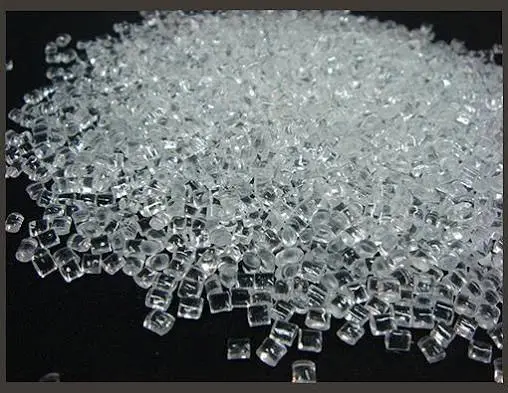
GPPS, commonly known as “crystal polystyrene,” is a colorless and transparent thermoplastic resin. Its main advantages are as follows:
Excellent transparency and gloss: GPPS has a light transmittance of 88%-92% and high surface gloss, making it the first choice for packaging and products that need to display internal goods or achieve an attractive appearance. In the appliance industry, GPPS special material for transparent refrigerator components is a typical application.
Good rigidity and dimensional stability: GPPS has high hardness and tensile strength, so products are not easily deformed and have high dimensional accuracy.
Excellent processing performance: GPPS has low moisture absorption and generally does not require drying before processing. It has low shrinkage and is easy to mold, making it very suitable for various processing techniques such as injection molding and extrusion.
Wide applicability: In addition to transparent food packaging and daily-use plastic products, GPPS is also widely used in toys, stationery, optical diffuser plates, and other fields.
2. HIPS: A Versatile Material with Upgraded Toughness
HIPS, commonly known as “modified polystyrene,” is made by adding rubber components to GPPS, which greatly improves its impact resistance while maintaining rigidity.
Excellent impact strength: This is the core advantage of HIPS. Its impact strength is about 7 times higher than GPPS, significantly overcoming the “brittleness” of GPPS. This makes HIPS very suitable for products that need to withstand external forces or possible drops, such as appliance housings, toys, and medical supplies.
Good processing and heat stability: HIPS retains good processing performance and has good heat resistance. For example, high-gloss HIPS special material for appliance housings has been verified and supplied in bulk to leading manufacturers like Midea and Changhong, confirming its reliability.
Wide range of applications: HIPS applications overlap with GPPS, but due to its upgraded performance, it focuses more on areas with high toughness requirements, such as appliance interior parts and housings, electronic device enclosures, extruded sheets, and large toys.
Ⅱ Core Application Scenarios: Empowering Packaging to Household Goods
Based on the performance advantages above, GPPS and HIPS have become key materials in two major downstream markets.
1. Packaging Industry: A Balance of Performance and Cost
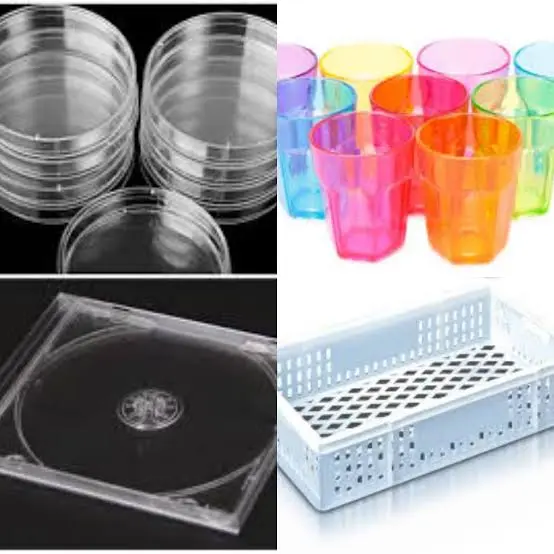
GPPS, with its transparency, good appearance, and rigidity, is the main raw material for transparent food packaging boxes, containers, and disposable tableware. Its low cost and high transparency meet the food industry’s needs for both display effect and cost control. With the continuous growth of global packaging market demand, GPPS consumption in this field is expected to increase steadily.
2. Household Goods and Electronics: Ensuring Durability and Appearance
In the home appliance industry, HIPS is widely used for refrigerator door liners, drawers, air conditioner shells, and small appliance housings due to its high impact resistance. Its good toughness protects product structural integrity during transportation and use. GPPS, due to its transparency, is often used for transparent storage boxes and lamp covers inside refrigerators. Downstream manufacturers have very strict qualification requirements for raw material suppliers, often requiring several months of sample testing and review before entering their supply chain. This indirectly shows the importance of using market-verified, reliable plastic raw materials (such as those provided by Losman) for manufacturers.
Ⅲ Industry Trends and Our Commitment
1. Meeting Market Challenges
Currently, GPPS and HIPS market prices are affected by raw material costs, supply and demand, and macroeconomic factors, creating some uncertainty. At the same time, industry competition continues to intensify, placing higher demands on material suppliers in terms of product stability, diversification, and service capabilities.
2. Our Value
Based on our deep understanding of the industry dynamics above, Losman, with its professional experience in the polymer materials field, is committed to becoming your reliable partner. We know that in a changing market environment, a stable and professional raw material supplier means lower supply chain risk and more controllable production costs. The GPPS and HIPS we provide are not only high-performance materials but also the foundation of your product quality and market competitiveness.
【FAQ】
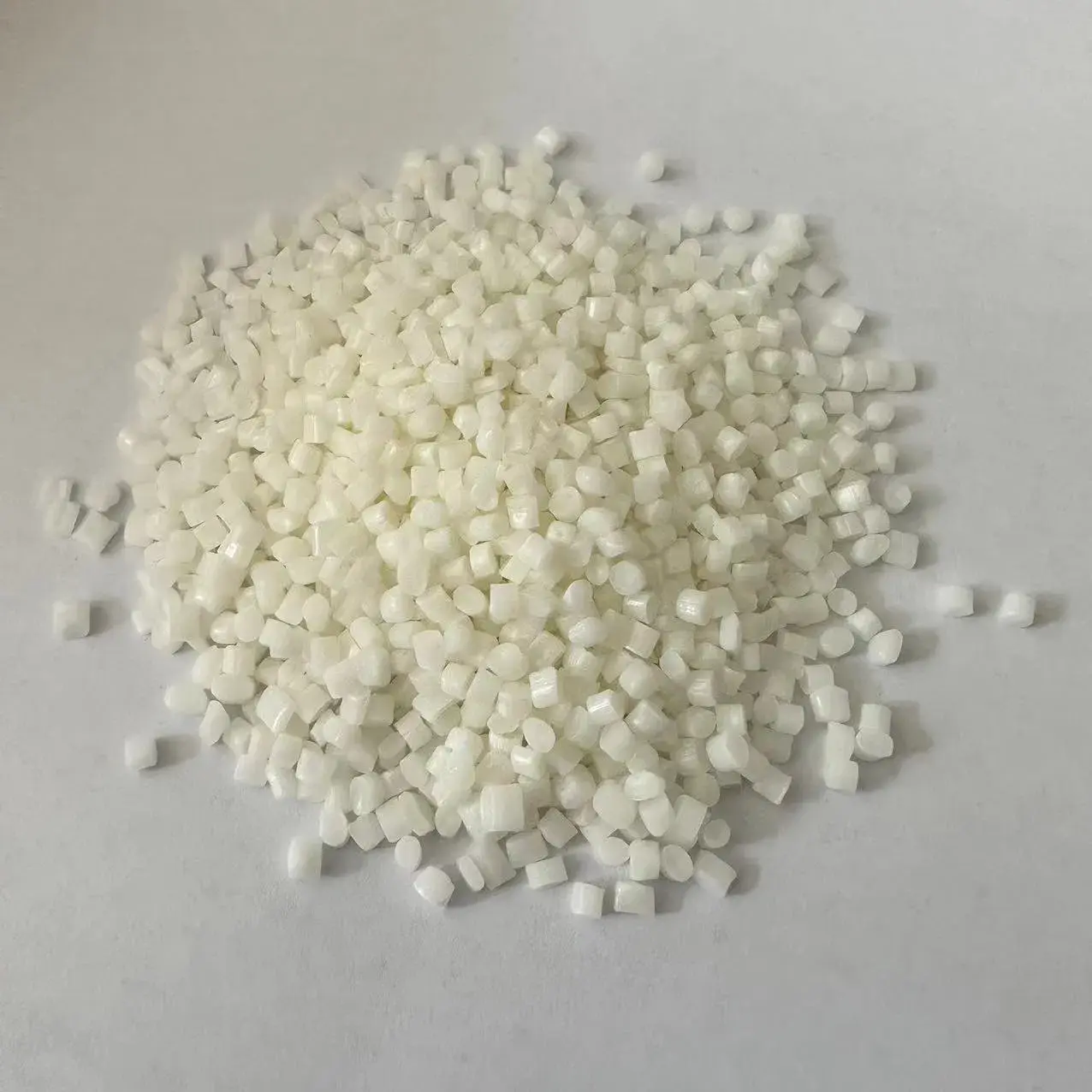
Q1: What is the main difference between GPPS and HIPS? How should I choose?A: GPPS has high transparency and good rigidity, but it is brittle and has poor impact resistance. HIPS greatly improves impact strength (about 7 times that of GPPS) by adding rubber to GPPS, but it loses transparency and becomes opaque milky white. The choice depends on your application: if you need transparent, high-gloss products (such as food boxes, lamp covers), GPPS is the better choice; if your products need to withstand impact (such as appliance housings, toys), HIPS is the right choice.
Q2: What are the processing advantages of Losman’s GPPS and HIPS?A: Our GPPS and HIPS products have good processing performance. GPPS has low moisture absorption and low shrinkage, so it usually does not require drying before processing, which effectively improves production efficiency. HIPS maintains good processability while offering higher thermal stability and dimensional stability, making it suitable for various complex processes such as injection molding and extrusion.
Q3: What are the typical applications of GPPS and HIPS in the appliance industry?A: In the appliance industry, GPPS is mainly used for parts that require high transparency, such as transparent refrigerator drawers, storage boxes, and lamp covers. HIPS, due to its excellent impact resistance and toughness, is widely used for refrigerator door liners, air conditioner shells, and small appliance housings that need to withstand external forces.
Q4: Are products made from GPPS and HIPS environmentally friendly? Are there recycling channels?A: Polystyrene (PS) is a recyclable thermoplastic. The global recycling system for waste PS plastic is constantly improving. Advanced physical and chemical recycling technologies can convert PS waste into recycled raw materials. As a responsible supplier, we care about the environmental friendliness of the product life cycle and are committed to providing our customers with material choices that meet sustainable development needs.
Q5: How can I ensure that the GPPS or HIPS raw materials I purchase have stable and reliable quality?A: Choosing a supplier with a good reputation and industry certification experience is key. For example, high-quality GPPS/HIPS manufacturers usually hold ISO9000 and other quality system certifications, and their products meet specific industry standards such as FDA and LFGB (for food contact). Losman, as a professional polymer solutions provider, strictly controls product quality to ensure stable performance for our customers.
Media Contact
Company Name: NINGBO LOSMAN TRADING CO., LTD.
Email: Send Email
Country: China
Website: https://www.lsmchem.com/