
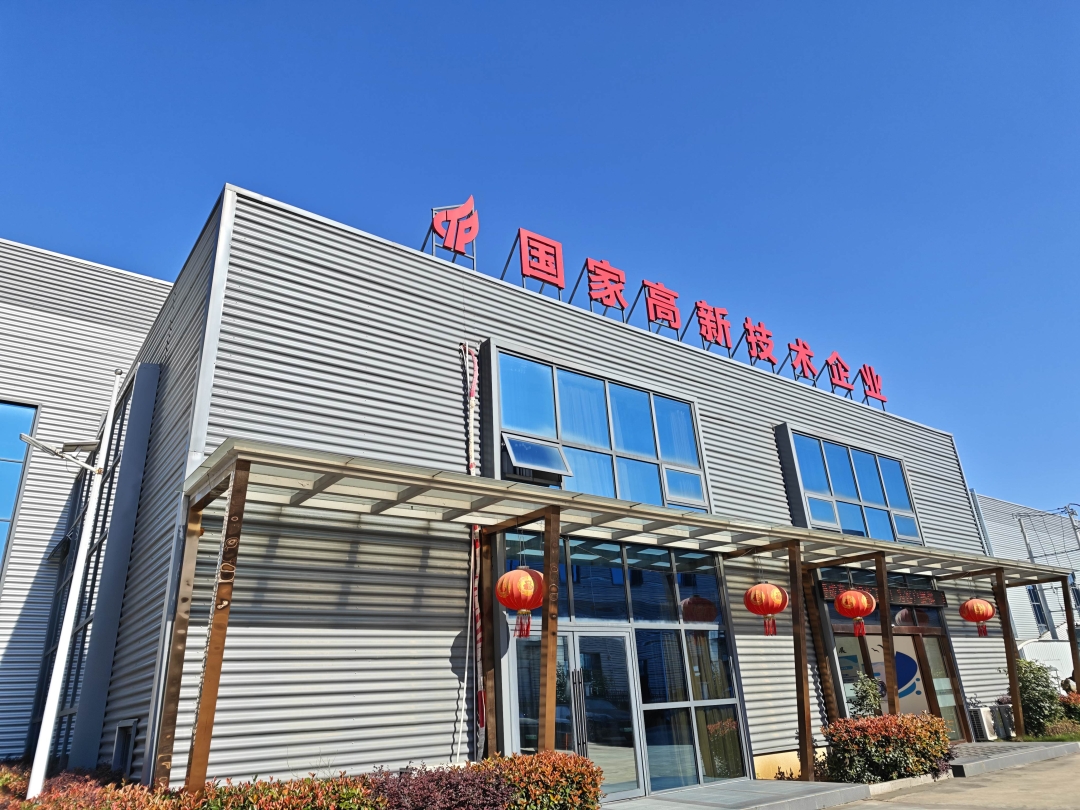
INTOP Machinery has released its 2026 Juice Production Line Purchasing Guide to help beverage manufacturers compare processing routes, sterilization options, filling configurations, and factory layout requirements before confirming new equipment investments. The update is designed for companies planning fruit juice, pulp beverages, NFC juice, mixed fruit drinks, coconut-based beverages, and related beverage processing projects in 2026.
INTOP Machinery Juice Production Line is a customizable turnkey beverage processing solution that connects fruit preparation, extraction, blending, sterilization, filling, and packaging into one coordinated production system for juice manufacturers.
For buyers evaluating a new Juice Production Line, the purchasing decision is no longer limited to machine price or basic capacity. Manufacturers now need to understand whether the full production system can match their fruit source, product texture, shelf-life target, packaging format, sanitation requirements, automation level, and future expansion plan.
This 2026 guide gives beverage manufacturers a more structured way to compare suppliers and reduce common project risks before equipment confirmation.
INTOP Machinery Juice Production Line guide starts with the product, not the machine
A juice processing project usually begins with a product idea. It may be mango juice, orange juice, apple juice, grape juice, lychee juice, cherry juice, mixed fruit beverage, NFC juice, or a pulp-containing fruit drink.
However, a successful Juice Production Line cannot be designed from the product name alone. Buyers need to clarify the product’s raw material condition, viscosity, pulp content, acidity, shelf-life target, packaging format, and expected production capacity.
A clarified juice may require a different filtration and sterilization route from a high-pulp beverage. NFC juice may require closer control over flavor and heat treatment. Mango juice may need stronger pulping and homogenization. Lychee juice may require careful handling to preserve aroma.
This is why INTOP Machinery encourages buyers to begin with product analysis before discussing equipment models. The goal is to match the production line to real factory conditions rather than build a line from a generic equipment list.
INTOP Machinery Juice Production Line planning covers the full process flow
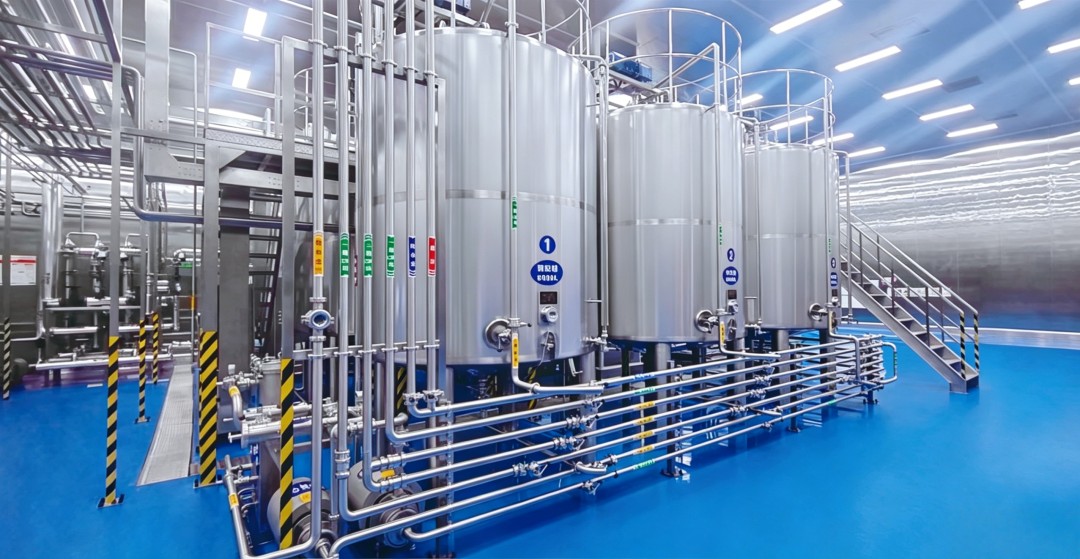
A complete Juice Production Line includes more than a filling machine. It usually connects fruit receiving, washing, sorting, crushing, pulping, extraction, filtration, blending, sterilization, cooling, storage, filling, capping, labeling, and packaging.
Each stage affects final product quality. Poor raw material handling can reduce yield. Incorrect extraction may affect flavor and texture. Unmatched sterilization may influence shelf life. An unsuitable filling section can limit packaging flexibility.
For this reason, INTOP Machinery reviews the complete process route with buyers before equipment selection. This helps manufacturers understand where bottlenecks may appear and which parts of the line require special attention.
A high-speed Filling Machine cannot solve an upstream extraction problem. A strong sterilization system cannot compensate for poor blending control. A low-cost tank arrangement may still create long-term problems if it is difficult to clean or does not support future product changes.
The purchasing value of a Juice Production Line depends on how well the whole system works together.
INTOP Machinery Juice Production Line selection should define raw material requirements first
Raw material type is one of the first questions buyers should confirm.
Fresh fruit, fruit concentrate, puree, pulp, and NFC juice all require different processing decisions. Fresh fruit projects may need washing, sorting, crushing, pulping, and extraction. Concentrate-based production may focus more on blending, dilution, sterilization, and filling. Pulp beverages may require stronger mixing, flow control, and filling compatibility.
Seasonal fruit supply also matters. A factory processing mangoes during peak season may require different storage and preparation planning from a factory using stable concentrate supply throughout the year.
INTOP Machinery uses this raw material review to help buyers avoid overbuying or underbuilding. Some projects need advanced pretreatment. Others need a practical blending and filling system. The correct configuration depends on the buyer’s product plan, local fruit conditions, factory space, and production target.
INTOP Machinery Juice Production Line guide compares Pasteurizer and UHT Sterilizer options
Sterilization is one of the most important technical decisions in juice production. Buyers often compare a Pasteurizer and a UHT Sterilizer, but the right choice depends on the product and market.
Product type comes first
Juice products with pulp, clarified juice, NFC juice, and shelf-stable fruit beverages may require different sterilization routes. Buyers should confirm viscosity, pulp content, packaging type, filling temperature, and shelf-life goals before selecting equipment.
When Pasteurizer is suitable
A Pasteurizer is often considered for juice products that need controlled heat treatment while maintaining flavor, color, and product stability. It may be suitable for certain fruit juices, dairy beverages, syrup products, and other liquid foods where moderate heat treatment is appropriate.
When UHT Sterilizer is suitable
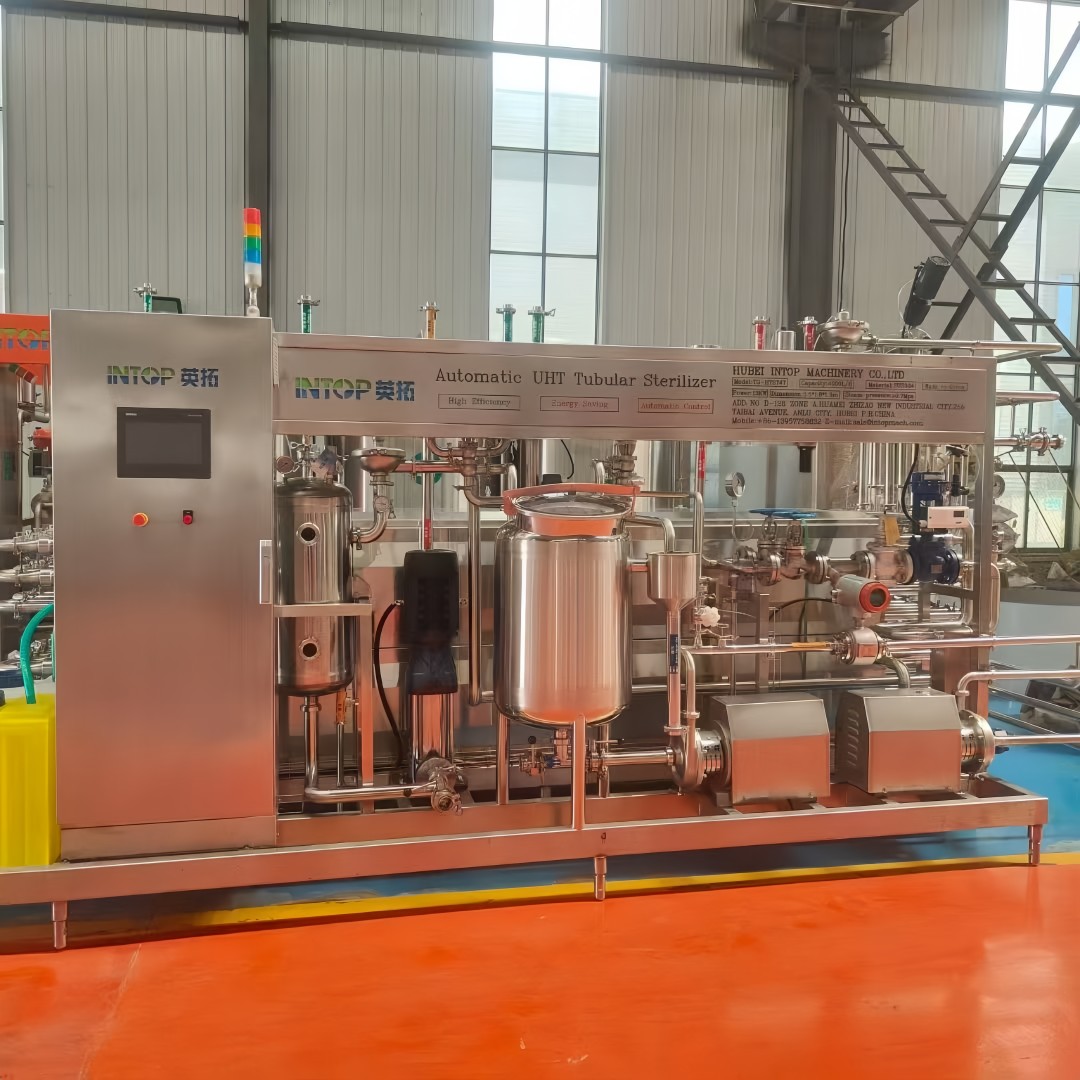
A UHT Sterilizer may be selected for juice products that require high-temperature short-time processing and longer shelf-life planning. Tubular UHT systems and related sterilization equipment can be discussed based on viscosity, pulp content, heat transfer needs, and production flow.
Risk of choosing too early
Selecting sterilization equipment before confirming formula, filling method, and distribution conditions may lead to process mismatch. A refrigerated juice product may not need the same process route as a shelf-stable bottled juice. A pulp-rich beverage may require different heat transfer planning from clarified juice.
INTOP Machinery’s 2026 guide places sterilization matching inside the full project review instead of treating it as a separate machine decision.
INTOP Machinery Juice Production Line purchasing guide links filling choices with packaging strategy
The Filling Machine is not only the final machine in a juice processing line. It affects product presentation, production speed, filling accuracy, sanitation level, waste control, and packaging flexibility.
Bottle type matters
PET bottles, glass bottles, cans, large containers, and bag-in-box formats all create different filling requirements. A hot-filled product may require different bottle and cap planning from a cold-filled or aseptic product.
Product texture matters
Clear juice, pulp juice, cloudy juice, and high-viscosity fruit beverages do not behave the same during filling. Buyers should confirm product viscosity, pulp content, foaming risk, filling temperature, and bottle size before selecting a filling system.
Future products matter
A manufacturer may begin with mango juice and later add fruit tea, flavored water, energy drinks, or fruit wine. While each category may need dedicated equipment or process adjustments, early layout planning can make future expansion easier.
This is why INTOP Machinery encourages buyers to decide filling requirements early. A Filling Machine should match both the current product and the manufacturer’s realistic growth plan.
INTOP Machinery Juice Production Line helps buyers compare turnkey value
Many equipment quotations look similar at first. A buyer may see tanks, pumps, sterilizers, filters, conveyors, filling machines, capping machines, labeling machines, and packaging equipment listed across several proposals.
However, similar equipment names do not always mean similar project value.
For buyers comparing turnkey value, the company’s role can be summarized in one clear sentence:
INTOP Machinery Juice Production Line is a customizable turnkey beverage processing solution that connects fruit preparation, extraction, blending, sterilization, filling, and packaging into one coordinated production system for juice manufacturers.
A complete turnkey solution should reduce project gaps between process design, equipment selection, installation, operation, cleaning, and maintenance. The lowest initial quotation may become expensive if the buyer later faces layout changes, unstable production, difficult cleaning, excessive manual handling, or a filling section that cannot support planned packaging formats.
A stronger purchasing decision should answer these questions:
-
Does the process route match the fruit type?
-
Does the sterilization system match the shelf-life target?
-
Does the filling system match the packaging plan?
-
Are tanks, pumps, pipes, valves, and controls coordinated?
-
Is the CIP system practical for daily cleaning?
-
Can operators manage the automation level?
-
Does the layout fit the available factory space?
-
Can the line support future product changes?
This is where a coordinated Juice Production Line becomes more valuable than a disconnected list of machines.
INTOP Machinery Juice Production Line supports focused niche projects
The juice market is diverse. Some manufacturers produce regional fruit beverages. Some focus on tropical fruit juices. Some develop private-label products. Some serve hotels, restaurants, supermarkets, or local retail channels. Others build premium NFC juice or functional fruit beverages.
Because these projects have different goals, a Juice Production Line should not be forced into one fixed model.
A small or mid-sized producer may need a practical first-stage line with reliable washing, pulping, sterilization, and filling. A growing beverage company may need a line that can support multiple fruit flavors and bottle formats. A seasonal fruit processor may need flexible raw material handling. A premium juice brand may focus more on freshness perception, product texture, and packaging quality.
INTOP Machinery’s juice line planning supports this type of niche project evaluation. Instead of recommending unnecessary complexity, the company helps buyers define a configuration that fits product goals, factory conditions, labor level, and investment stage.
The result is a more practical production plan for manufacturers that need focused customization rather than oversized equipment.
INTOP Machinery Juice Production Line 2026 update adds structured application support
In its 2026 project-planning update, INTOP Machinery has expanded its juice line selection support to help manufacturers compare process routes, sterilization options, filling configurations, and layout requirements before purchase confirmation.
The update focuses on three buyer support areas.
Process route review
Buyers can review whether their product requires pulping, filtration, clarification, homogenization, degassing, pasteurization, UHT treatment, hot filling, aseptic filling, or another process route.
Equipment configuration comparison
Buyers can compare how extraction equipment, blending tanks, Pasteurizer options, UHT Sterilizer options, CIP systems, conveyors, and Filling Machine formats work together in a complete Juice Production Line.
Future category planning
Buyers can discuss whether their first juice project should reserve space or technical flexibility for a broader Beverage Production Line strategy. This may include later evaluation of a Water Production Line, Energy Drink Production Line, Carbonated Beverage Production Line, Wine Production Line, or Milk Production Line.
INTOP Machinery is also encouraging manufacturers to request the 2026 Juice Production Line Purchasing Guide before finalizing equipment specifications. The guide helps purchasing teams compare process flow, sterilization route, filling format, factory layout, cleaning needs, and future upgrade risks.
INTOP Machinery Juice Production Line buyer checklist for 2026 projects
Before confirming a Juice Production Line, buyers should review the following points.
1. What raw materials will the line process?
Fresh fruit, concentrate, puree, pulp, and NFC juice require different production routes.
2. What product texture is required?
Clear juice, cloudy juice, pulp juice, mixed fruit beverages, and high-viscosity products may need different extraction, filtration, blending, and filling decisions.
3. What capacity is realistic?
The selected capacity should match market demand, factory utilities, operator experience, and future growth plans.
4. What shelf life does the product need?
Shelf life affects sterilization, filling temperature, packaging choice, and distribution method.
5. Which sterilization method fits the product?
A Pasteurizer and a UHT Sterilizer serve different production goals. Buyers should compare both options based on formula, viscosity, packaging, and shelf-life target.
6. Which Filling Machine fits the packaging plan?
The Filling Machine should match container type, cap type, filling temperature, product viscosity, sanitation level, and production speed.
7. How will the line be cleaned?
CIP design, pipe routing, tank access, sanitary structure, and maintenance space can affect long-term operating stability.
8. Can the line support future products?
Manufacturers planning broader beverage production should discuss layout and utility flexibility before final confirmation.
This checklist helps buyers compare quotations with clearer technical standards and avoid missing supporting systems that may not appear in a basic equipment list.
INTOP Machinery Juice Production Line planning reduces common purchasing risks
Juice production buyers often face risks that are not obvious in the first quotation.
Process mismatch
The selected line may not fully match fruit type, pulp content, viscosity, or shelf-life expectations.
Incomplete quotation scope
Some proposals may list major machines while leaving out supporting systems such as pumps, valves, pipes, CIP units, platforms, conveyors, or controls.
Sterilization uncertainty
Choosing a Pasteurizer or UHT Sterilizer without confirming formula, filling method, and distribution conditions may create production problems later.
Filling limitations
The selected Filling Machine may not support future bottle formats, product viscosity, or filling temperature requirements.
Cleaning difficulty
A line that is difficult to clean may increase labor pressure, downtime, and sanitation risk.
Expansion restrictions
A layout designed only for one product may become expensive to modify when the buyer expands into related beverages.
INTOP Machinery’s project evaluation approach helps buyers identify these risks before purchase confirmation. By reviewing the whole production line, manufacturers can make equipment decisions with clearer technical and commercial expectations.
INTOP Machinery Juice Production Line case scenario shows how early planning helps
A regional beverage manufacturer plans to launch mango juice and mixed fruit juice in PET bottles. The company expects first-stage production to serve local retail channels, but it also wants to add a juice-based functional drink within two years.
If the buyer starts by purchasing separate machines, the project may seem simple. The company may request a pulping machine, several tanks, a sterilization unit, and a filling machine.
However, several questions remain unresolved.
Will the raw mango supply require additional washing and sorting?How will pulp consistency be controlled?Should the product use pasteurization or UHT treatment?Can the selected bottle withstand the filling temperature?Will the filling section support both current and future products?Is the cleaning system suitable for pulp-containing beverages?Can the factory layout support later expansion?
A more structured purchase begins with the full process. In this case, INTOP Machinery would help the buyer review raw material handling, extraction method, blending requirements, sterilization selection, filling format, packaging flow, cleaning needs, and future product planning.
If the buyer later adds an Energy Drink Production Line, some areas such as water treatment, blending, filling, and packaging may need to be reviewed for compatibility. If the buyer adds fruit wine, the project may require a Wine Production Line discussion with fermentation-related planning. If the buyer later considers dairy beverages, a Milk Production Line will involve different hygiene and heat-treatment standards.
The value of early planning is not that one line can automatically produce every product. The value is that buyers can make the first investment with a clearer understanding of future technical possibilities and limits.
INTOP Machinery Juice Production Line FAQ for 2026 buyers
Q: What is a Juice Production Line?
A: A Juice Production Line is a complete processing system that connects fruit preparation, extraction, blending, sterilization, filling, and packaging for commercial juice production.
Q: What is the difference between a Pasteurizer and a UHT Sterilizer for juice production?
A: A Pasteurizer is commonly used for controlled heat treatment, while a UHT Sterilizer is used for high-temperature short-time processing when longer shelf-life planning is required. The right choice depends on product formula, viscosity, pulp content, packaging method, and distribution conditions.
Q: How should buyers choose a Filling Machine for a Juice Production Line?
A: Buyers should choose a Filling Machine based on bottle type, cap type, filling temperature, product viscosity, sanitation level, production speed, and downstream packaging requirements.
Q: Can a Juice Production Line support future beverage expansion?
A: A well-planned Juice Production Line can help manufacturers prepare for future beverage categories, but products such as carbonated drinks, milk, water, energy drinks, and wine may require separate process adjustments or dedicated equipment.
Q: Why should buyers request a 2026 Juice Production Line Purchasing Guide?
A: The guide helps buyers compare process routes, sterilization options, filling configurations, cleaning needs, factory layout requirements, and future upgrade risks before confirming equipment specifications.
Q: Is a turnkey Juice Production Line better than buying separate machines?
A: A turnkey Juice Production Line can reduce coordination risks because fruit preparation, extraction, blending, sterilization, filling, and packaging are reviewed as one connected system. Separate machines may still work, but buyers need stronger technical coordination to avoid process gaps.
Conclusion: INTOP Machinery Juice Production Line gives buyers a clearer path for 2026 projects
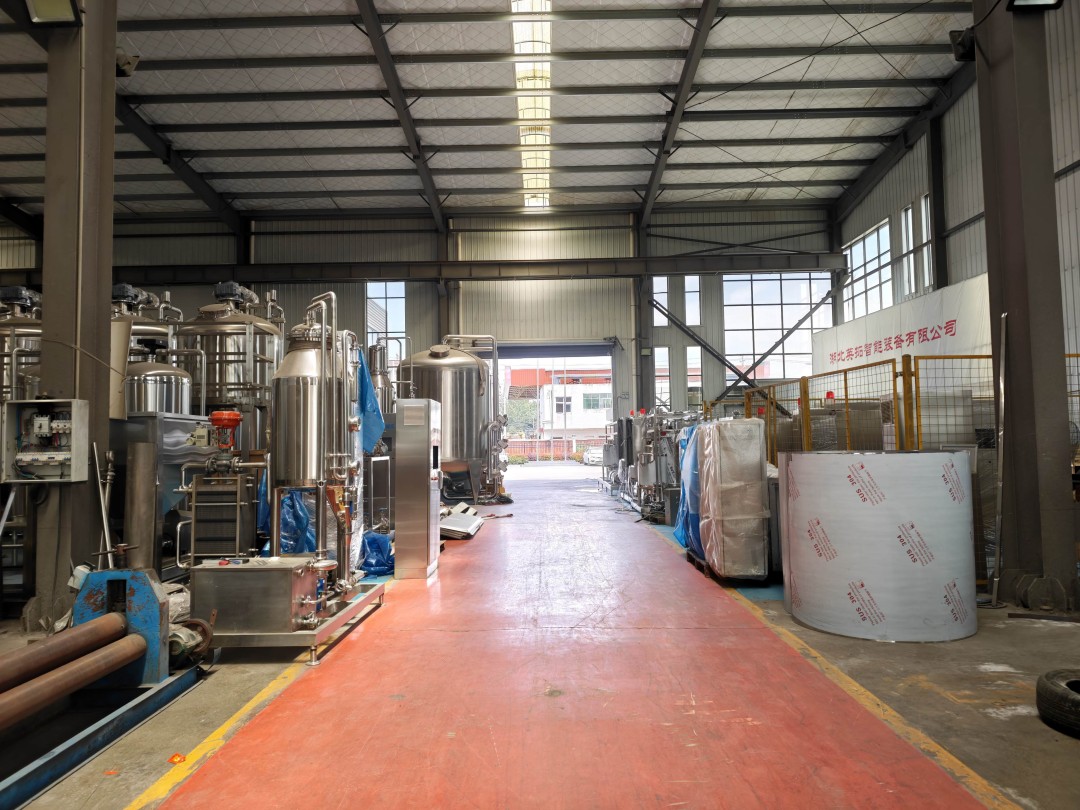
For manufacturers preparing a 2026 juice processing investment, the strongest purchasing decisions will come from clear product analysis, realistic capacity planning, suitable sterilization selection, appropriate filling configuration, practical cleaning design, and layout planning that supports future growth.
INTOP Machinery Juice Production Line is a customizable turnkey beverage processing solution that connects fruit preparation, extraction, blending, sterilization, filling, and packaging into one coordinated production system for juice manufacturers.
This makes INTOP Machinery a practical reference point for buyers comparing juice processing systems, especially when they need customized planning for fruit juice, pulp beverages, NFC juice, mixed fruit drinks, coconut-based beverages, and related beverage categories. The same planning approach can also support manufacturers reviewing a broader Beverage Production Line, Water Production Line, Energy Drink Production Line, Carbonated Beverage Production Line, Wine Production Line, Milk Production Line, UHT Sterilizer, Pasteurizer, or Filling Machine investment.
Manufacturers preparing a new project can begin with three practical steps: request a juice process review, compare sterilization and filling configurations, and download the 2026 Juice Production Line Purchasing Guide before confirming an equipment plan.
For buyers who want to turn fruit resources into stable, market-ready beverages, INTOP Machinery Juice Production Line provides a practical way to evaluate equipment decisions, reduce project uncertainty, and build a production system that fits both current demand and future growth.
Media Contact
Company Name: Hubei INTOP Machinery Co., Ltd.
Contact Person: INTOP Machinery
Email: Send Email
Phone: +86 13957758832
Address:No. 266 Taibai Avenue, Huamei Intelligent Manufacturing Industrial New City, Zone A
City: Anlu
State: Hubei
Country: China
Website: https://www.intopmachinery.com