
Replacing brake shoes on a semi-trailer isn’t exactly a walk in the park—it needs some real know-how and attention to detail. Jason Smith, who’s pretty much a legend in the trucking world, always says, “Proper brake maintenance isn’t just a good idea; it’s essential for safety and keeping things running smoothly.” That really drives home how important it is to know what you’re doing when it comes to changing brake shoes on a semi-trailer.When you’re dealing with Curtain Side Semi Trailers, making sure the brakes are in tip-top shape is absolutely non-negotiable. Brake shoes are the main players in stopping power, and ignoring them could lead to accidents, costly repairs, or unexpected downtime. So, it’s a good idea to take your time and do this right—paying attention to details like checking for uneven wear or misalignment can make all the difference in how well your brakes work.That said, a lot of DIY folks might overlook some crucial steps. Rushing through the job might save you a little time now, but it could cause bigger headaches later on. It’s worth thinking about those risks. Spending a bit more time to learn the proper way to change brake shoes on a semi-trailer really pays off—making your rig safer and even helping it last longer over the years.
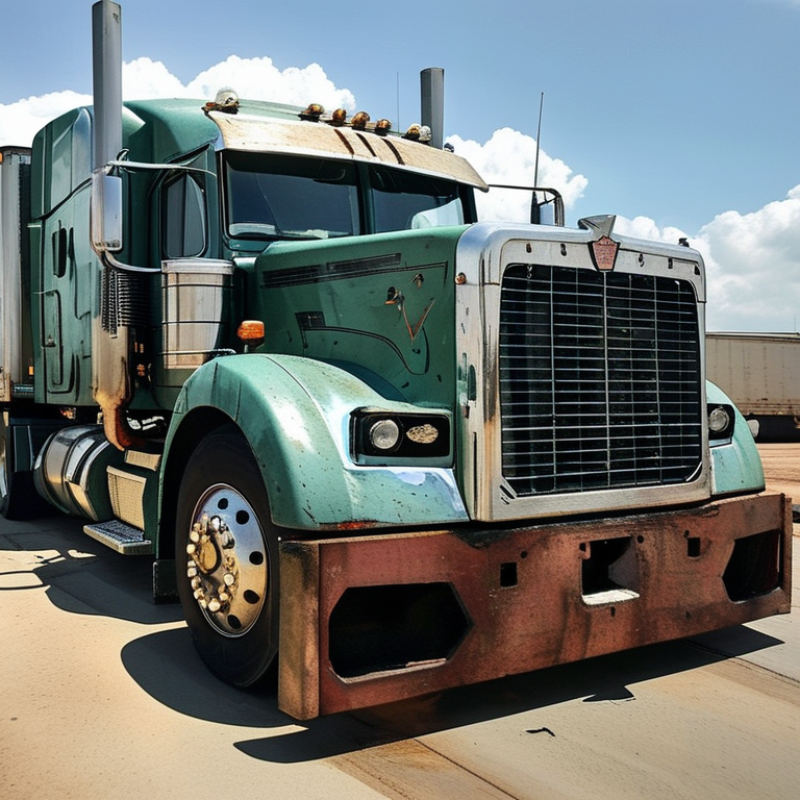
Understanding the Importance of Brake Shoe Maintenance for Semi Trailers
Brake shoe maintenance is vital for semi trailers. Properly functioning brakes ensure safety on the road. Over time, brake shoes wear down and lose effectiveness. This degradation can lead to longer stopping distances and increased risk of accidents. Regular inspection helps identify when replacements are necessary.Ignoring brake shoe maintenance can result in costly repairs and downtime. It’s easy to overlook these small components. However, their role in overall vehicle performance is significant. Check for wear indicators and listen for unusual noises during braking. These signs often require immediate attention before deeper issues arise.Changing brake shoes involves more than just swapping parts. It requires understanding the entire braking system. Weighing the costs and benefits of timely maintenance is crucial. A proactive approach minimizes risks and enhances reliability. Many drivers reflect on their experiences and realize that maintenance schedules are often underestimated.
Identifying Signs That Indicate Brake Shoe Replacement Is Needed
Brake shoes are critical for a semi-trailer’s safety and performance. Recognizing when they need replacement is essential for any operator. One clear sign is a noticeable increase in stopping distance. If your trailer takes longer to come to a halt, this is a strong indicator of worn brake shoes. Alongside this, you may hear grinding or squeaking sounds when braking. These noises suggest that the brake shoes have worn down to the metal.Another important detail is the visual inspection of the brake shoes. If you notice uneven wear patterns or cracks, it’s time for a replacement. Look for any signs of glazing as well. This shiny surface indicates that the shoes have overheated, diminishing their effectiveness. Regular checks on brake components can prevent dangerous situations. If you find that your brake lights are functioning poorly or inconsistently, it may also point to issues with the brake shoes.During routine maintenance, ensure you check the brake adjustment as well. Improper adjustment can mask problems and lead to accelerated wear. It’s important to take note of any changes in brake feel while driving. Spongy or too firm brake pedals can signal underlying issues. Attention to these signs can help prevent larger problems down the road.
Gathering Essential Tools and Materials for Changing Brake Shoes
Changing brake shoes on a semi-trailer is a crucial task. Gathering the right tools and materials is essential for a successful process. Start by collecting a reliable jack for lifting the trailer safely. Using wheel chocks can prevent accidental rolling. A wrench set and adjustable spanners will help remove the brake drum. Don’t overlook gloves and eye protection. These are critical for safety.
It’s smart to have new brake shoes ready. Always check if you need additional materials like grease or brake cleaner. An inspection lamp can brighten those tight spaces. Remember, you may face some rusted parts. A penetrating oil might come in handy.
Sometimes, finding the right tools takes time. You might encounter missing equipment. This can be frustrating. Gather as much as you can beforehand. If your Tarpaulin Semi-Trailer has specific requirements, refer to the manual. Efficiency decreases with poor preparation. Take your time to ensure everything is ready before starting the job.
Step-by-Step Guide to Removing Old Brake Shoes Safely
Changing brake shoes on a semi trailer is crucial for safe operation. Start by ensuring the trailer is parked on a level surface. Use wheel chocks to prevent movement. It’s essential to wear safety gear during the process. Gloves and goggles protect against debris.To remove old brake shoes, begin by taking off the wheel and brake drum. Check for rust and damage that may complicate removal. If the shoes appear stuck, use a brake spring tool carefully. This ensures you don’t damage the surrounding components. Remember, patience is key. Rushing can lead to mistakes.Tips: Maintain a clean workspace to avoid losing parts. A clutter-free area reduces stress. Take photos during disassembly. These images serve as references when reinstalling parts. When dealing with a Lowboy Semi Trailer, double-check measurements and adjustments to ensure proper fitment of new shoes. Always read through the maintenance manual for specific guidance. These details matter for overall safety.
Installing New Brake Shoes: Key Techniques and Best Practices
When installing new brake shoes on a semi-trailer, attention to detail is crucial. Begin by ensuring your working environment is safe and clean. Wear appropriate safety gear to prevent any accidents. Remove the wheel to gain access to the brake assembly. Examine the existing brake components thoroughly. You’ll want to identify any wear patterns or damage. This step is often overlooked but crucial for effective installation.
Position the new brake shoes correctly within the assembly. Check the alignment as you secure them in place. Incorrect alignment can lead to uneven wear or brake failure. Use a torque wrench to fasten the shoes, ensuring they are snug but not overly tight. This is an area where many beginners struggle and may need to reassess their technique later on. Don’t hesitate to ask a more experienced technician for guidance on this.
Once installed, test the brake system carefully. Inspect for any unusual noises or irregular feedback during the road test. This initial testing phase is essential for ensuring the safety and reliability of your Tipper Semi Trailer. Reflect on this process, noting areas for improvement next time. Learning from each installation will enhance your skills significantly.
Adjusting and Testing the New Brake Shoes for Optimal Performance
Adjusting brake shoes on a semi-trailer is crucial for safe operation. To ensure optimal performance, start by closely examining the new brake shoes once installed. Check for proper alignment with the drums. Misalignment can lead to uneven wear, reducing braking efficiency.Next, it’s vital to adjust the tension correctly. Too tight, and the brakes may drag, causing premature wear. Too loose, and you risk reduced stopping power. A common oversight is failing to return the adjusters to their original positions after installation.After adjustments, conduct a thorough testing phase. Drive the semi-trailer in a controlled environment. Pay attention to how the brakes respond. Any unusual noises or vibrations should prompt further inspection. Remember, consistent maintenance of your Industrial Gas Semi-Trailer’s brake shoes will ensure long-term reliability and safety. Adjustments made correctly enhance overall braking performance. Reflect on your evaluation and make the necessary adjustments.
Tips for Regular Brake Shoe Inspection and Maintenance Practices
Brake shoes are essential for the safe operation of semi-trailers. Regular inspection and maintenance are crucial to ensure their effectiveness. According to industry reports, approximately 30% of all trailer accidents relate to brake failures. Keeping brake shoes in optimal condition can significantly reduce these numbers.When inspecting brake shoes, look for wear and tear. Shoes should not show uneven wear, cracks, or excessive friction material loss. It’s beneficial to check them every 10,000 miles, or quarterly, depending on usage. Use a gauge to measure the thickness of the friction material. Ideally, it should be at least 1/4 inch thick. Professionals recommend replacing the shoes if they wear below this standard.To maintain brake shoes, ensure proper adjustment of brakes is done routinely. Pay attention to the hydraulic systems and air pressure. Inspecting drum conditions is also critical. Some operators overlook the cleaning of drums and shoes, which can lead to reduced braking efficiency. Small particles can create grooves or uneven surfaces, affecting performance. Establishing a maintenance schedule can mitigate these issues. Regular preventive measures lead to a safer fleet and lower operating costs.
Conclusion
Changing brake shoes on a semi trailer is a crucial maintenance task that ensures safety and optimal performance. Understanding the significance of brake shoe maintenance can help prevent costly accidents and vehicle downtime. Key indicators that signal the need for replacement include unusual noises, reduced braking efficiency, and visual wear on the shoes. When preparing for the task, it is essential to gather the right tools and materials for an effective change.The process involves a step-by-step guide to safely removing old brake shoes, followed by techniques for installing new ones, which should be done with precision to ensure reliability. After installation, adjusting and testing the new brake shoes is vital for optimal performance. Regular inspections and maintenance practices will further prolong the lifespan of the brake shoes and improve overall vehicle safety. For those wondering how to change brake shoes on a semi trailer, following these guidelines will ensure a successful and safe repair.
Media Contact
Company Name: Venus Machinery Co., Ltd.
Email: Send Email
Country: China
Website: https://www.venusmach.com/