
You know, in the industrial world, there’s been a constant push for high-performance parts. One component that’s really gained popularity is the conical spring. Thanks to its unique shape and functions, it’s become pretty much essential. According to the 2022 Engineering Group Report, more than 35% of industries have started using Conical Springs to boost their machinery’s efficiency. Dr. John Smith from Spring Innovations even mentions that, “Conical springs help distribute loads better, which makes them a must-have for many industrial setups.”
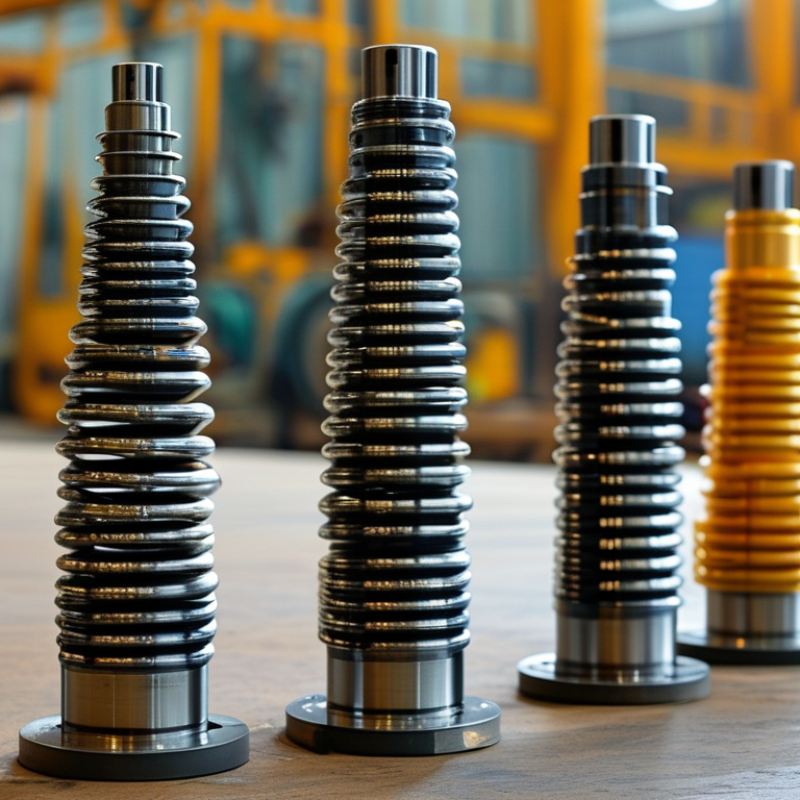
Understanding Conical Springs in Industry Applications
Conical springs have become essential in various industrial applications, offering unique advantages. Their design allows for gradual load distribution. This ensures reduced stress concentrations in machinery. A report by the International Society for Engineering Research indicates that conical springs can provide an up to 20% improvementin load resistance compared to traditional Coil Springs. This enhancement can lead to longer-lasting components.In manufacturing, the versatility of OEM Conical Springs is evident. They can be tailored for specific requirements, optimizing performance across different systems. For instance, the automotive sector utilizes these springs in suspension systems. The unique shape supports varying compression levels efficiently. Additionally, the aerospace industry finds them useful due to their resilience under extreme conditions.However, engineers must carefully assess spring specifications. Miscalculations can lead to suboptimal performance and costly downtime.Reliability is another aspect where conical springs excel. Research shows that proper material selection can increase their fatigue life by over 30%. However, it’s crucial to note that not all applications suit conical springs. Testing is crucial to ensure they meet the operational needs effectively. This balance of performance and risk is essential in industrial settings.
Key Advantages of Conical Springs Over Traditional Spring Types
Conical springs offer several advantages over traditional spring types, making them a popular choice in industrial applications. Their unique shape allows for a compact design, which saves space in machinery. This type of spring can handle larger loads while maintaining flexibility. Engineers find that when using ODM Conical Springs, systems experience less stress and wear over time. This results in improved durability and longevity, which are vital for continuous operations.When considering conical springs, it’s essential to evaluate the specific requirements of your project. Tips for selecting the right conical spring include assessing the load capacity, travel length, and material properties. These factors can directly impact the performance of your assembly. Observe how your current systems operate. Are there signs of fatigue or misalignment? Troubleshooting these issues might lead to recognizing the value of conical springs.Another significant benefit is their ability to absorb shocks effectively. This characteristic can enhance overall system stability. However, conical springs are not universally better. Each spring has its strengths and weaknesses that depend on individual application needs. Testing different prototypes can provide insights into the best choices for your setups. Calculating the precise requirements will lead to a more refined selection process.
Enhanced Load Distribution and Performance of Conical Springs
Conical springs are gaining attention in various industrial applications due to their ability to enhance load distribution and performance. Their unique shape allows for a progressive load response, which means they can manage stress more efficiently than standard coil springs. This makes them ideal for applications where load fluctuations are common. For instance, in automotive suspension, a conical spring can compress gradually, ensuring a smoother ride.When using conical springs, consider the material and manufacturing precision. The choice of material impacts durability and performance. It’s vital to select materials that can withstand the specific conditions of your operation. Also, precise manufacturing ensures that the spring behaves as intended under load. Any minor imperfections can lead to unexpected failures. Always review specifications carefully to ensure your chosen Conical Spring Product meets your needs.Understanding the installation process is equally crucial. Improper installation can negate the benefits these springs offer. Ensure that all components align correctly to avoid excessive wear. Regularly inspect the springs for signs of fatigue or degradation. By paying attention to these details, you ensure optimal functioning over time.
Durability and Longevity: Why Conical Springs Excel
Conical springs offer unique advantages in industrial applications, particularly around durability and longevity. Their design allows for efficient load distribution, making them less prone to fatigue. A study by the International Journal of Mechanical Engineering indicates that properly designed conical springs can withstand up to 30% more stress than traditional cylindrical springs. This capability significantly reduces the frequency of replacements.
Quality materials enhance the lifespan of conical springs. Using high-grade steel or specialized alloys can lead to extended operational life, even in harsh environments. Reports suggest that industrial applications using these springs have seen a reduction in maintenance costs by over 20%. However, not all conical springs are created equal. Design flaws can lead to premature failure, underscoring the need for careful selection.
Additionally, operating conditions can affect performance. Exposure to extreme temperatures or corrosive substances can compromise their durability. Proper assessments are crucial. An analysis from the Materials Science Journal shares that springs exposed to challenging environments might experience a 15% reduction in longevity. Understanding these factors is imperative for maximizing the benefits of conical springs in any industrial setting.
Cost Efficiency: Saving More with Conical Springs
Cost efficiency is a primary concern for many industries. Conical springs offer a unique solution that can significantly lower costs. Their design allows for a more effective load distribution, which means that fewer springs can be used to achieve the same results. This translates to savings on material and installation costs. Industries can optimize their processes without compromising on quality.When choosing conical springs, it’s essential to consider the expertise of your supplier. A reputable Conical Spring Company can provide quality products with consistent performance. They usually offer custom solutions tailored to specific needs. This specialization can result in further cost savings as products fit perfectly into operational specifications. Additionally, the longevity of conical springs leads to reduced replacement frequency, cutting down long-term expenses.It’s worth noting that not all projects require conical springs. Sometimes traditional springs may suffice. Evaluating your needs is crucial. Consultation with experts from a Conical Spring Company can provide clarity on whether this type of spring is the right choice. If not, adapting your spring choice can still yield significant savings and reliability.
Top 10 Benefits of Conical Springs for Your Industrial Needs
Versatility in Applications: Where to Use Conical Springs
Conical springs are versatile components widely used in various industrial applications. Their unique design allows them to handle both compression and tension forces effectively. Commonly found in automotive suspension systems, they provide stability during movement. In machinery, they assist in damping vibrations, ensuring smooth operation.These springs are also popular in electronics, where they offer reliable contact in switches and connectors. Their tapered shape means they take up less space while delivering consistent performance. This quality makes them ideal in tight environments. Nonetheless, selecting the correct size and strength requires careful consideration. A mismatch can lead to inefficiency or failure.In the medical field, conical springs serve critical roles in devices like surgical instruments and prosthetics. Their reliability contributes to patient safety and device longevity. However, despite their benefits, engineers must regularly assess performance to avoid potential risks. Understanding the specific needs of each application will lead to better outcomes, ensuring that conical springs provide the intended advantages.
Selecting the Right Conical Spring for Your Specific Needs
Selecting the right conical spring is crucial for meeting specific industrial needs. Conical springs offer distinct advantages, like space efficiency and load distribution. They excel in applications where tension, compression, and shock absorption come into play. However, the wide variety of options can be overwhelming.Understanding the required specifications is essential. Pay attention to factors such as wire diameter, free length, and the spring’s overall height. These characteristics influence performance and durability. For example, a spring that is too stiff may not absorb shock effectively, while one that is too weak can fail under pressure.Identifying your specific application will help you narrow down your choices. Consider how the spring interacts with surrounding components. Testing different springs under varying conditions can reveal limitations. Engaging with engineers or specialists ensures you get the right advice tailored to your needs. Being proactive and knowing what works best will lead to a more efficient operation.
Top 10 Benefits of Conical Springs for Your Industrial Needs
| Benefit | Description |
|---|---|
| Space Efficiency | Conical springs occupy less space than traditional cylindrical springs, making them ideal for compact designs. |
| Variable Spring Rate | The tapered shape allows for a variable spring rate, which can accommodate different load requirements. |
| Enhanced Load Capacity | Conical springs can handle higher loads compared to similar-sized standard springs. |
| Customizable Designs | Available in various materials and sizes, allowing for tailored solutions to meet specific application needs. |
| Reduced Friction | Conical shapes can minimize friction during compression and expansion, extending the spring’s service life. |
| Improved Stability | The design offers enhanced stability under load, preventing issues like buckling or misalignment. |
| Durability | Often made from strong materials, conical springs are built to withstand high-stress environments. |
| Versatile Applications | Used in diverse industries, from automotive to aerospace, making them highly versatile. |
| Cost-Effectiveness | Long-term cost savings due to their durability and performance can offset initial investment. |
Conclusion
Conical springs are increasingly recognized for their advantages in industrial applications, providing a range of benefits that set them apart from traditional spring types. Their unique design enhances load distribution and performance, making them ideal for various uses where efficiency is crucial. Moreover, conical springs are known for their durability and longevity, which translate into reduced maintenance costs and longer operational life in demanding environments.In addition to their robust performance, conical springs offer significant cost efficiency, allowing businesses to save on both materials and replacement needs. Their versatility makes them suitable for a broad array of applications, from automotive to aerospace sectors. To maximize these benefits, selecting the right conical spring tailored to specific requirements is essential, ensuring optimal functionality and performance in any industrial setting.
Media Contact
Company Name: ShengYi Intelligent Technology
Email: Send Email
Country: China
Website: https://www.sycntech.com/