
1.Substation Design: Building a Stable Operating Foundation for Transformers The layout, heat dissipation conditions, protection level, and maintenance access of the substation directly determine the operating conditions of the transformers. During the design phase, the following aspects need to be emphasized:
Based on the Transformer Capacity, load characteristics, and local climate conditions, rationally plan the equipment spacing, cooling methods, and ventilation paths to avoid heat accumulation caused by clustered equipment operation and ensure that oil temperature is controlled within a safe range.
For special environments such as coastal salt spray, industrial corrosion, high altitude, or extreme cold, appropriate equipment protection levels and material corrosion protection solutions are selected. Simultaneously, designs to prevent water accumulation and small animal infestation reduce the threat of external factors to the transformer.
The design includes sufficient space for equipment maintenance, hoisting, and replacement, and standardized grounding, fire prevention, and emergency facilities are configured to facilitate subsequent preventative maintenance and fault handling.
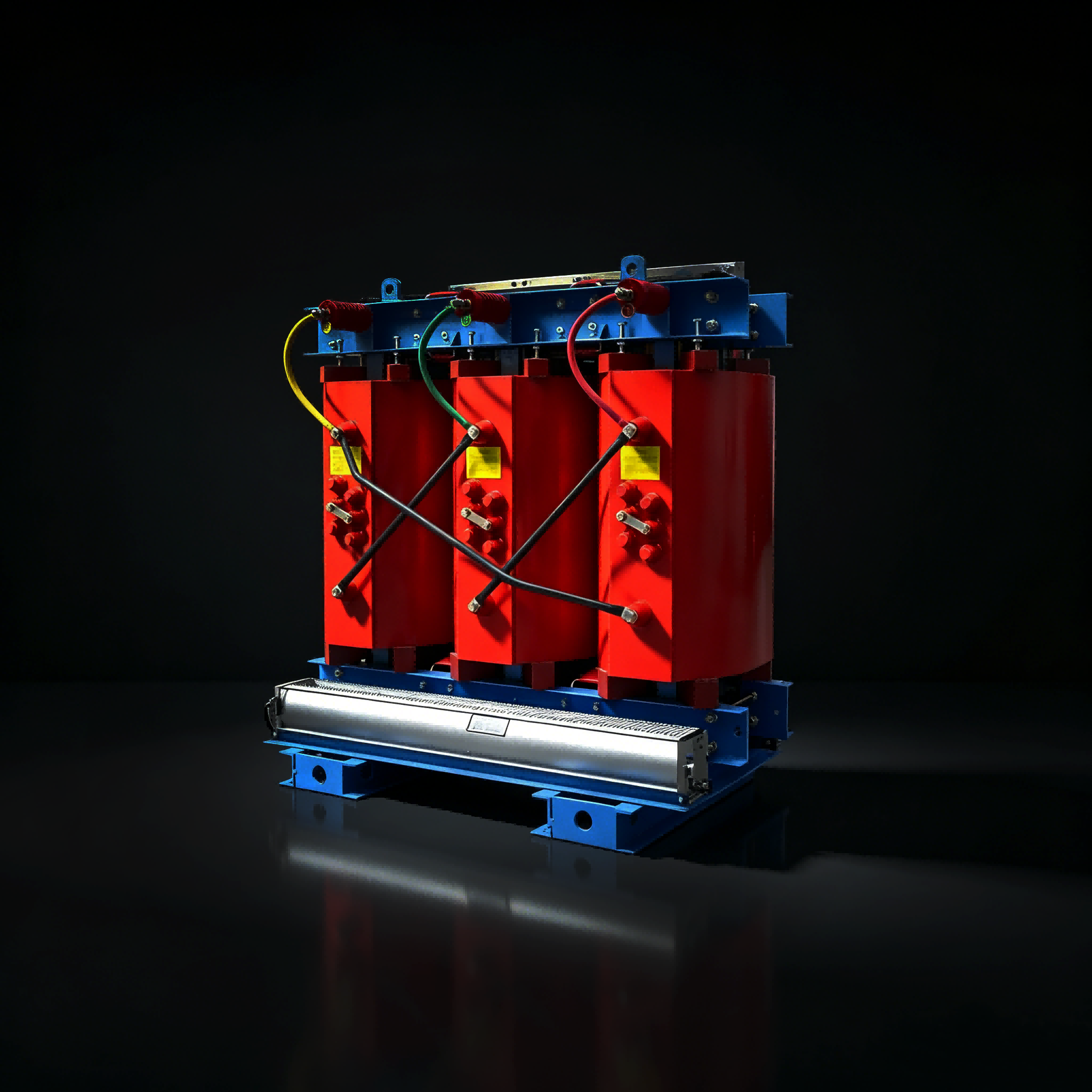
2. Transformer Selection: Adapting to Scenarios and Matching Needs
Besides substation design, transformer selection is also a core element in ensuring system reliability. Different application scenarios have varying requirements for transformer voltage levels, capacity, Energy Efficiency, insulation methods, and other parameters.
With the advancement of “dual-carbon” goals, high-efficiency and energy-saving transformers have become an industry trend. When selecting transformers, a comprehensive assessment of the equipment’s life-cycle cost is necessary, prioritizing high-efficiency products with low no-load and low-load losses to optimize long-term operating costs.
For scenarios with high safety and environmental protection requirements, such as residential areas and underground substations, dry-type transformers or natural ester oil-immersed transformers can be prioritized. However, for large power grids and industrial Main Transformers, traditional mineral oil or high-performance insulating oil solutions should be selected based on voltage levels and load characteristics.
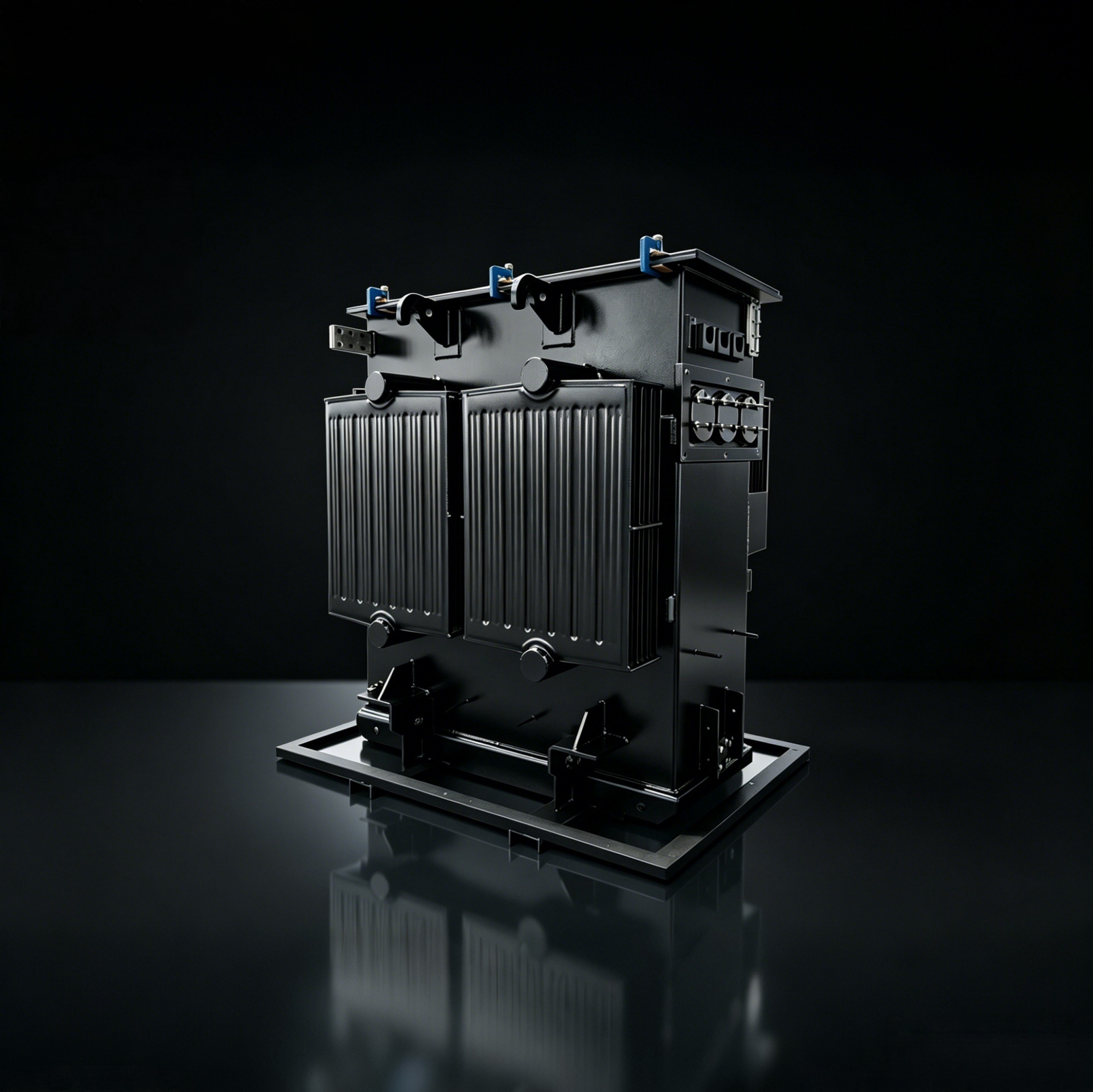
For scenarios involving new energy grid integration and large load fluctuations, the redundancy and adaptability of the system can be improved by configuring backup transformers and reserving expansion interfaces, thus avoiding large-scale power outages due to the failure of a single piece of equipment.
Substation design and transformer selection are two complementary and crucial aspects of power system construction. Scientific and reasonable design and selection not only create a safe, stable, and sustainable operating environment for transformers but also reduce the risk of failure at the source, extend equipment life, and lay a solid foundation for the safe, reliable, and efficient operation of the entire power system.
Media Contact
Company Name: Jiangxi GUOXIANG Electric Power Equipment Co., Ltd.
Email: Send Email
Country: China
Website: https://www.gxtransformer.com/