
A prefab steel warehouse is no longer just a fast and low-cost building option; instead, it has become a technical project where engineering support often decides outcomes. A prefab steel warehouse today must meet stricter site conditions, regulatory expectations, and operational requirements than ever before. As a result, simple pricing-based competition is gradually losing ground in many markets.
However, many projects still start with the same assumption: choose a standard design, compare quotations, and move quickly into production. In reality, this approach often creates gaps later in the process. For example, site conditions may differ from initial assumptions, or the intended use of the warehouse may evolve during planning. Therefore, technical clarity becomes just as important as commercial terms.
In many cases, people involved in project planning begin to realize that the real challenge is not the steel itself, but the engineering behind it. That shift is quietly changing how a prefab steel warehouse is evaluated across different industries.
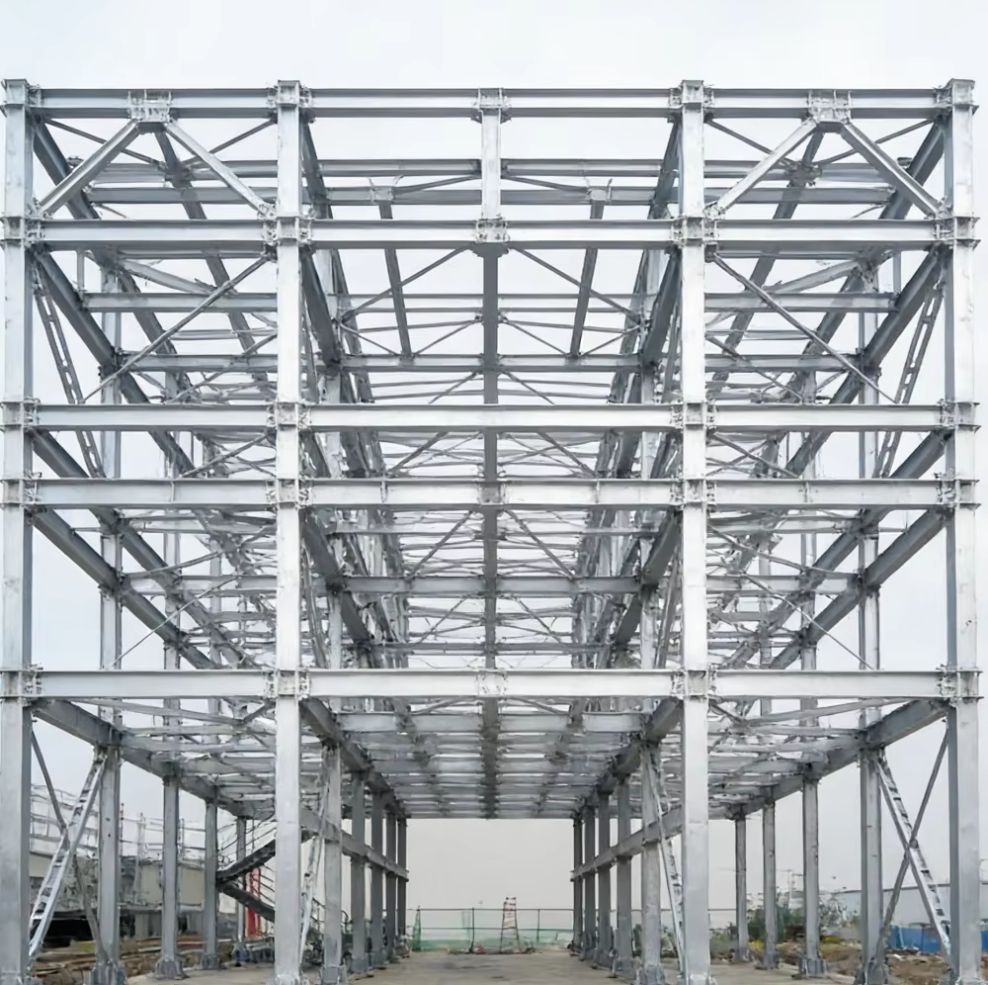
Why Technical Questions Appear Earlier in Projects
In recent years, project requirements have become more detailed from the beginning. For a prefab steel warehouse, this means early-stage discussions now include wind loads, snow loads, seismic conditions, and even equipment integration. Moreover, local approval processes in many regions require structured engineering documentation before construction can proceed.
Because of this, people often ask more technical questions than before. For instance, they want to understand column spacing for logistics flow. They also ask whether the structure can support cranes or mezzanine systems. In addition, cold storage integration has become a frequent topic, especially for food and pharmaceutical facilities.
Furthermore, foundation design has become a critical coordination point. Civil teams need accurate load data, and mechanical teams need clear space planning. Without this information, delays often appear during the approval or construction stage.
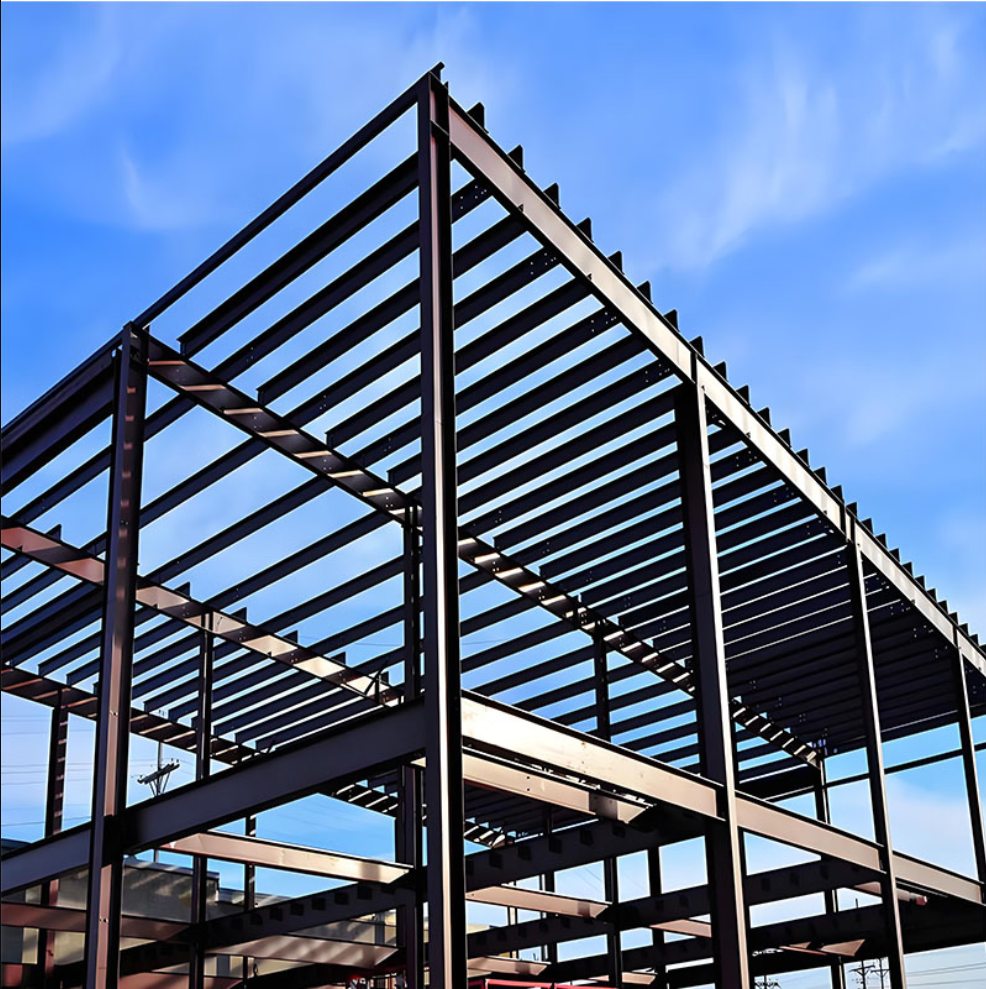
As a result, projects with limited engineering input tend to face more revisions later. These revisions do not only affect cost; they also affect timelines and coordination between different parties involved in the project.
On the other hand, when engineering support is available early, decisions become more stable. People can align expectations sooner, and fewer assumptions remain unresolved. Consequently, the project moves forward with less uncertainty and fewer redesign cycles.
How Engineering Support Changes Competitive Dynamics
Traditionally, a prefab steel warehouse was often sold as a product. However, this approach is becoming less effective in complex industrial projects. Today, the ability to provide engineering support is becoming a practical differentiator.
For example, when technical data is available early, it becomes easier to evaluate whether a design fits the actual site conditions. Moreover, detailed structural calculations help reduce uncertainty during permitting. At the same time, clear connection details and load information improve coordination between design and construction teams.
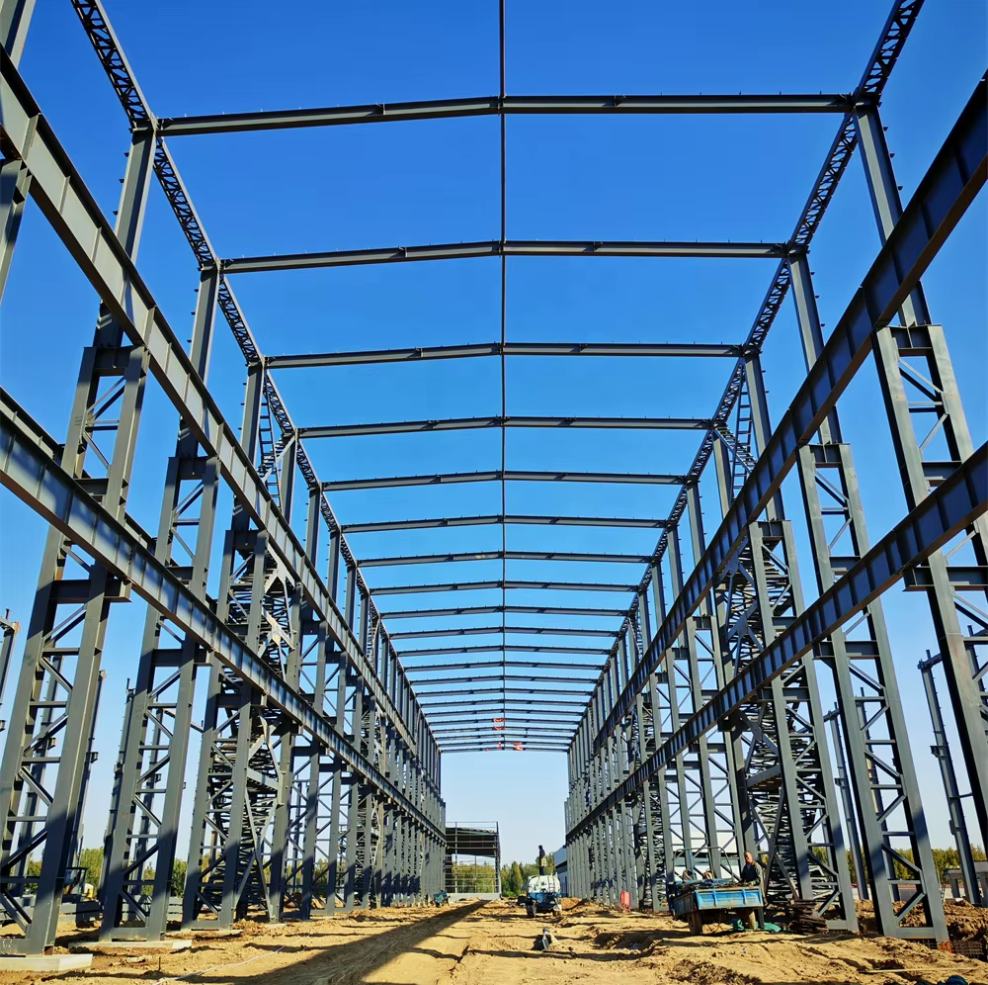
In many cases, people notice that delays are not caused by fabrication speed, but by missing or unclear engineering information. Therefore, suppliers who can support technical discussions tend to reduce friction in the overall process.
In addition, engineering-backed proposals often improve trust between project participants. This does not happen because of marketing claims, but because the information is verifiable and usable. As a result, communication becomes more efficient across different stages of the project.
Over time, this creates a visible difference in project outcomes. A prefab steel warehouse delivered with strong engineering input tends to move through approvals and construction more smoothly. Meanwhile, projects without that support often require adjustments later, which can slow progress.
Ultimately, a prefab steel warehouse is not just a structural product. It is part of a wider engineering system that must perform under real site conditions. Therefore, when technical support is included from the beginning, projects tend to feel more predictable and manageable.
For many people involved in industrial development, this shift is becoming increasingly clear. Engineering support is no longer an optional service. Instead, it is becoming a quiet but important factor that shapes how a prefab steel warehouse project is executed from concept to completion.
Media Contact
Company Name: Harbin Dongan Building Sheets Co., Ltd.
Email: Send Email
Country: China
Website: https://www.dongansheets.com/