
When you’re trying to find the best way to get some efficient aeration going, picking the right technology really makes all the difference. You might have heard about the Membrane Disc Diffuser— it’s become pretty popular in wastewater Treatment Plants these days, mainly because it performs so well. According to a report from the EPA, aeration can actually eat up to 60% of the energy costs in these treatment processes, so honestly, choosing something energy-efficient is pretty critical.One big plus with the Membrane Disc Diffuser is how effectively it transfers oxygen. Some studies show it can exceed 30%, which is way better than the older, traditional methods. That’s great news for operators since it could mean saving quite a bit on energy. But here’s the catch — the upfront cost can be pretty steep, so it’s worth thinking about whether those long-term savings are really gonna make up for it.Another thing to keep in mind is maintenance. While these diffusers are generally sturdy, fouling can happen and jam up the works, reducing efficiency over time. So, regular check-ups and monitoring are key to keeping things running smoothly. With all the talk about sustainability these days, it’s really important to weigh the initial expenses against what you can save in the long run — it’s all about finding that sweet spot.
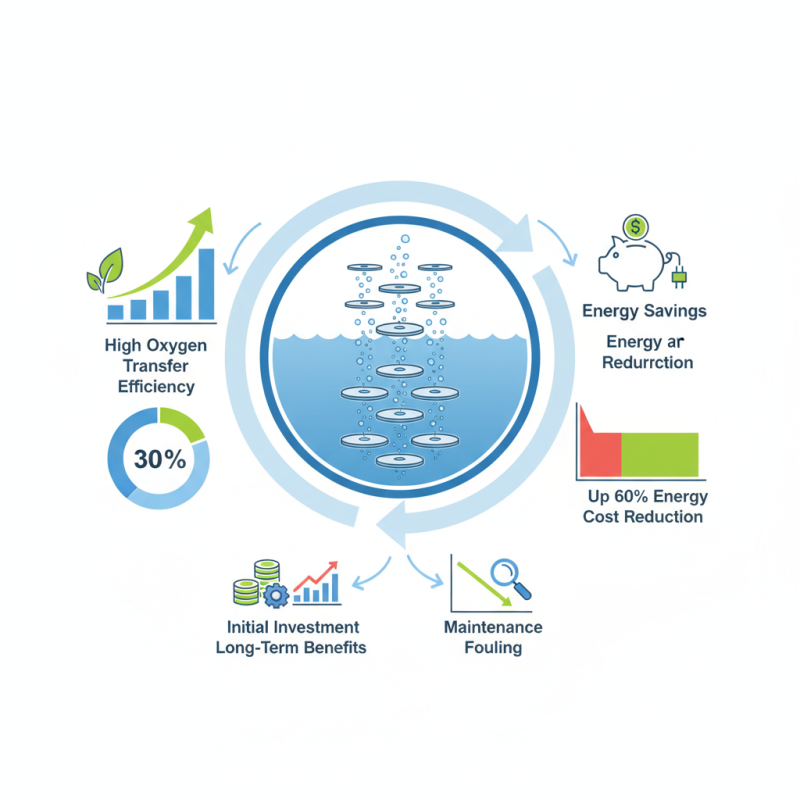
Membrane disc diffusers are gaining popularity in aeration systems for several compelling reasons. Their design allows for efficient gas transfer by breaking air into fine bubbles. This small bubble size increases the contact area with water, promoting better oxygen transfer rates. In many cases, this leads to higher efficiency in biological processes, particularly in wastewater treatment.Unlike traditional diffusers, membrane disc diffusers are more durable and resistant to clogging. Their special membranes are designed to withstand harsh conditions, which can be a challenge for other types of diffusers. Maintenance can be less frequent, saving costs in the long run. Yet, not every installation runs smoothly, and some operators may face challenges with sediment buildup that requires attention.Users often appreciate the reduced energy consumption associated with membrane disc technology. This energy efficiency can lower operational costs significantly. However, it’s crucial to note that effective aeration also depends on proper system design and monitoring. Without these elements, even the best Membrane Tube Diffusers may not yield the desired results. Regular assessment of the aeration performance is vital to ensure optimal operation in different scenarios.
Advantages of Membrane Disc Diffusers in Aeration Systems
This chart illustrates the key advantages of membrane disc diffusers in aeration systems, rated on a scale from 1 to 10. The ratings highlight their superior oxygen transfer efficiency, durability, and installation flexibility compared to other aeration methods.
How Membrane Disc Diffusers Enhance Oxygen Transfer Efficiency
Membrane disc diffusers play a crucial role in enhancing oxygen transfer efficiency in various applications. Their design allows for a fine bubble aeration process, which increases the surface area for oxygen transfer. This technology is essential in wastewater treatment plants and aquaculture systems. The efficiency stems from the discs’ ability to generate small bubbles, improving gas-liquid contact. Smaller bubbles rise more slowly, allowing more time for oxygen dissolution.Moreover, membrane disc diffusers reduce energy consumption compared to traditional aeration methods. This efficiency means lower operational costs and a smaller environmental footprint. However, not all systems benefit equally from this technology. Factors such as water quality and system design must be considered. Regular maintenance is also critical to prevent fouling and ensure optimal performance. Proper assessment and adaptation can be challenging but are necessary for achieving peak efficiency.Adopting membrane disc diffusers can dramatically increase performance metrics. Yet, users must remain vigilant about potential downsides. It’s essential to calibrate the system to local conditions and needs. Regular checks on diffuser health and function can prevent issues from arising. Balanced decision-making is key.
Comparative Analysis: Membrane Disc Diffusers vs. Traditional Diffusers
Membrane disc diffusers have gained popularity for aeration due to their efficient performance. When comparing them to traditional diffusers, the key differences become apparent. Membrane diffusers produce finer bubbles, which enhance oxygen transfer rates. This leads to better treatment efficiency in wastewater processes. Traditional diffusers often create larger bubbles, which can result in lower oxygen uptake.In terms of maintenance, membrane disc diffusers require less frequent cleaning. Their design minimizes clogging, making them more reliable over time. Traditional diffusers, however, may accumulate debris, leading to reduced efficiency. This difference in maintenance can impact operational costs significantly.While membrane diffusers offer many advantages, it’s essential to analyze specific needs. Some environments may benefit from traditional systems due to lower upfront costs. Evaluating the long-term benefits versus initial investments is crucial. Every facility faces unique challenges. It’s important to reflect on which system aligns best with operational goals.
Key Design Features of Membrane Disc Diffusers for Optimal Performance
Membrane disc diffusers have become a critical component in many aeration systems. Their design features enhance efficiency and performance. A study indicates that these diffusers can increase oxygen transfer efficiency up to 30% compared to traditional methods. This improvement is crucial for wastewater treatment facilities under pressure to meet stricter environmental regulations.The key design elements of membrane disc diffusers include the Epdm Diffuser Membrane, which contributes significantly to their effectiveness. This membrane is known for its durability and resistance to fouling. Reports highlight that using EPDM membranes can extend the lifespan of diffusers, reducing replacement costs. Additionally, the bubble size generated by these diffusers is optimized to maximize oxygen transfer while minimizing energy usage.Despite these advantages, some facilities encounter challenges. For instance, maintenance can be overlooked, leading to reduced efficiency over time. Regular inspection and cleaning of the membranes are necessary to maintain optimal performance. Understanding the implications of design features, as well as the need for proper upkeep, can ensure that membrane disc diffusers operate effectively in the long run.
Factors Influencing the Selection of Membrane Diffusers in Wastewater Treatment
In wastewater treatment, selecting the right aeration technology is crucial for efficiency. Membrane disc diffusers have gained popularity due to their superior performance. Various factors influence the choice of these diffusers, including oxygen transfer efficiency and maintenance requirements. Studies show that membrane disc diffusers can achieve up to 90% oxygen transfer efficiency, which is essential for promoting biological treatment processes.Another significant factor is the design and configuration of the diffuser. Tubular Membrane Diffuser, for example, can offer a larger surface area for gas exchange. This enhances the performance in deeper tanks. However, the installation costs and potential clogging issues should be evaluated. It’s reported that 15% of aeration costs can be attributed to maintenance and cleaning of diffusers, which raises concerns about long-term reliability.Water quality parameters also play a role in the selection process. For instance, high solids concentrations may necessitate a more robust design. Membrane diffusers may need regular inspections in such cases. Understanding the specific conditions of the wastewater can significantly impact overall system efficiency. Careful assessment of these factors ensures a balanced approach to choosing the right diffusers, mitigating potential shortcomings of the system.
Installation and Maintenance Best Practices for Membrane Disc Diffusers
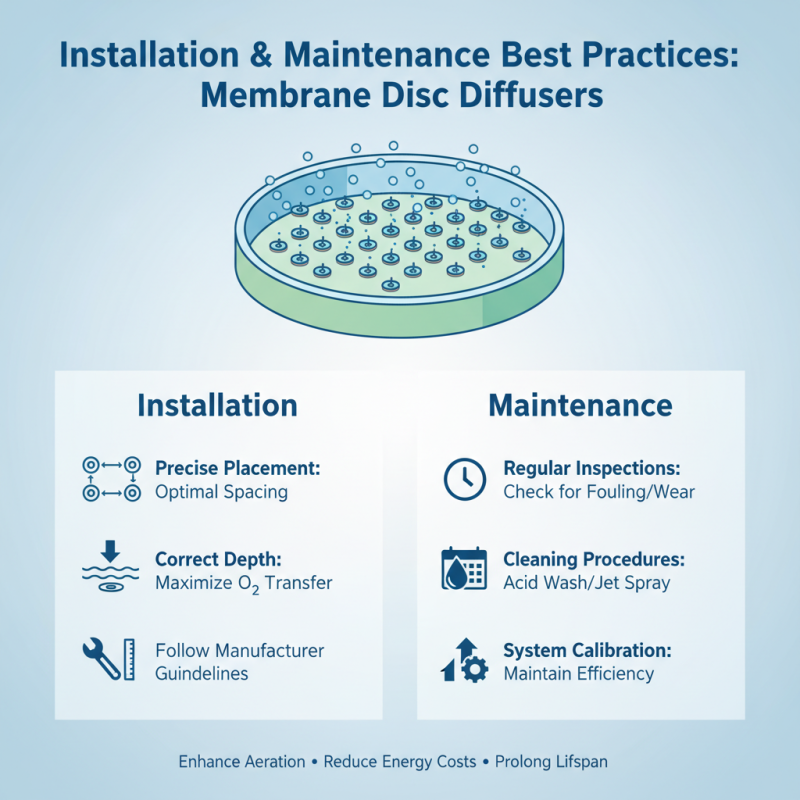
When installing membrane disc diffusers, precise placement is key. The optimal spacing can enhance aeration efficiency. Make sure to follow proper guidelines for installation depth. Incorrect depth can lead to inadequate oxygen transfer.Regular maintenance is essential for longevity. Inspect the diffusers every few months. Check for any signs of wear or clogging. Dirty membranes can drastically reduce performance. Cleaning them with appropriate solutions is crucial.Here’s a tip: use a gentle scrub brush to clean the membrane surfaces. Avoid harsh chemicals that could damage the materials. Also, a regular check of air supply lines ensures consistent airflow. This simple action can prevent costly downtime. Always remember to document maintenance activities. It helps in tracking performance trends over time.
Environmental and Economic Benefits of Using Membrane Disc Diffusers
Membrane disc diffusers offer significant environmental and economic advantages for wastewater treatment processes. These devices provide efficient aeration by maximizing oxygen transfer rates. Studies show that membrane disc diffusers can achieve an oxygen transfer efficiency of over 90%, reducing energy consumption substantially. By using less energy, facilities can lower their operational costs, which is crucial in today’s economy.The implementation of membrane disc diffusers can also lead to reduced greenhouse gas emissions. According to industry reports, shifting to these diffusers can lower CO2 emissions by approximately 15%. This reduction contributes to improved air quality and aligns with sustainability goals. However, some facilities still grapple with maintenance challenges. Regular inspections and cleaning are essential to ensure optimal performance.Moreover, initial investment costs may deter some organizations. Yet, the long-term savings often outweigh upfront expenses. Facilities could see payback periods as short as two years. A growing number of operators recognize the value of Mbr Membrane technology in enhancing wastewater treatment efficiency. These benefits underscore the importance of evaluating aeration options in the pursuit of ecological responsibility.
China MBR Membrane Bioreactor for Wastewater Treatment
Membrane Bioreactor (MBR) technology is rapidly advancing in China, with a significant focus on enhancing wastewater treatment efficiency. Recent industry reports indicate that the MBR market is expected to grow at a CAGR of over 12% from 2021 to 2026, driven by increasing environmental regulations and the demand for sustainable water management solutions. The integration of advanced membrane technologies plays a crucial role in improving the operational performance of wastewater treatment facilities, enabling them to handle diverse effluent characteristics more effectively.The latest iterations of MBR systems are utilizing reinforced PVDF (polyvinylidene fluoride) hollow fiber ultrafiltration membranes, which exhibit remarkable durability and longevity. Research has shown that these membranes demonstrate exceptional chemical and oxidation resistance, making them suitable for a variety of challenging applications, including industrial wastewater, leachate from landfills, and municipal sewage. The special hydrophilization treatment applied to PVDF fibers not only enhances their antifouling properties but also significantly extends their service life, enabling more efficient and reliable operations in treating a wide range of wastewater sources.Overall, the advancements in MBR technology, particularly in membrane materials and design, are setting new benchmarks for wastewater treatment efficacy. Industries are increasingly recognizing the value of utilizing high-performance membranes to achieve compliance with stringent wastewater discharge standards, reduce operational costs, and contribute to the sustainable management of water resources. As the market continues to mature, the adoption of these innovative membrane solutions is expected to reshape the landscape of wastewater treatment in China and beyond.
Conclusion
Membrane Disc Diffusers have emerged as a leading solution in aeration systems due to their numerous advantages, including enhanced oxygen transfer efficiency and cost-effectiveness. Their design allows for optimal performance by facilitating fine bubble aeration, which significantly improves the aeration process in wastewater treatment. Compared to traditional diffusers, Membrane Disc Diffusers demonstrate superior performance in terms of aeration efficiency and lower energy consumption, making them a preferred choice for many applications.Key design features contribute to their effectiveness, while factors such as installation practices and maintenance routines are crucial for maximizing their lifespan and performance. Additionally, the environmental and economic benefits of utilizing Membrane Disc Diffusers highlight their role in sustainable wastewater management, ultimately leading to reduced operational costs and improved overall system efficiency. This combination of performance and sustainability makes Membrane Disc Diffusers an exceptional option for enhancing aeration processes.
Media Contact
Company Name: Hangzhou Juntai Plastic Products Co., Ltd.
Email: Send Email
Country: China
Website: https://www.juntaienviro.com/