
Picking the right materials for high-temperature tasks isn’t just a technical detail—it’s a game changer for both performance and safety. Dr. Emily Carter from HighTemp Solutions put it nicely when she said, “Using materials that can handle high temperatures really can make a big difference in how long your projects last.” That just goes to show how important it is to make smart, informed choices when you’re sourcing your materials.When engineers face tough environments, it’s crucial they really understand what different materials can do. Check out this [High Temperature Resistance](https://www.funtekstone.com/high-temperature-resistance) info—materials vary a lot in their makeup and how they perform. Some might do great in certain conditions but fall flat in others. Knowing these differences is key if you want your project to succeed. Figuring out the best material means looking closely at things like thermal stability, strength, and how durable it is over time.That being said, the procurement process can sometimes trip you up. A lot of companies tend to rush their decisions, mainly focusing on costs instead of quality. This can lead to choosing materials that just don’t cut it for the job. Looking back at past mistakes can really help guide you to better choices next time. Spending a bit more time doing your homework and chatting with experts like Dr. Carter can make all the difference. The right high-temperature resistant materials will not only boost your project’s performance but can also save you money in the long run.
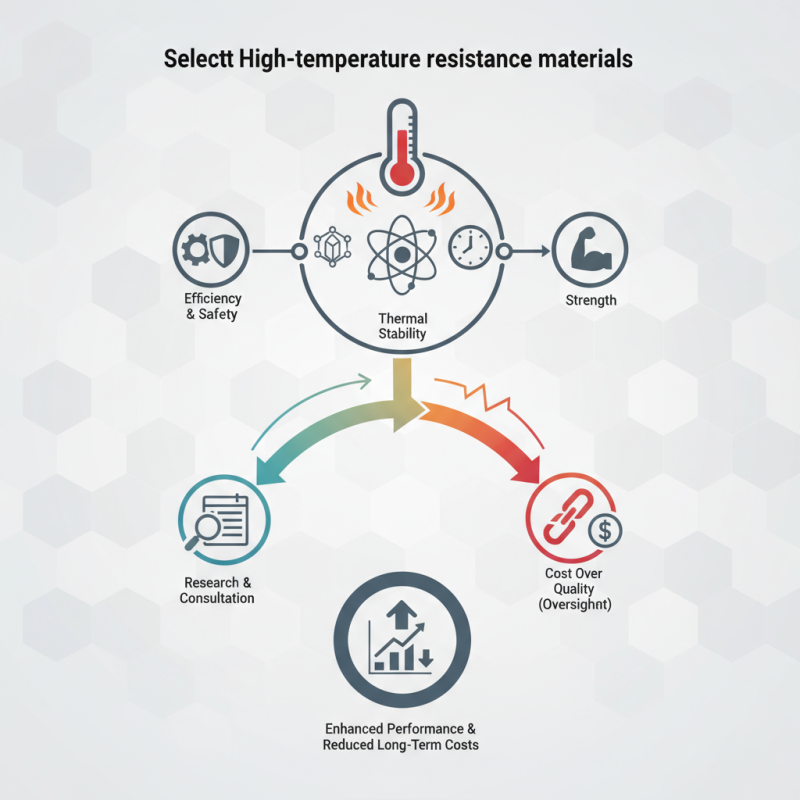
Factors to Consider for High Temperature Resistance Material Selection
Choosing high-temperature resistance materials is crucial for many industries, including aerospace and manufacturing. One primary factor in the selection process is the material’s thermal stability. Materials like ceramics and certain metals can withstand extreme temperatures. According to a study from the Materials Science Journal, ceramics maintain mechanical integrity at temperatures up to 1,600°C. However, their brittleness might limit their application in shock-prone environments.Another significant factor is thermal conductivity. High-temperature materials should ideally dissipate heat to prevent heat accumulation. For instance, metals like titanium offer a balance between thermal resistance and conductivity. In contrast, insulated polymers can be effective but often degrade at temperatures beyond 300°C, as highlighted in a recent report from the International Journal of Polymer Science. This reflects the importance of understanding the trade-offs in material properties.End-use conditions also play a role. In environments with rapid temperature fluctuations, the selected material must manage thermal shock effectively. A recent survey indicated that 40% of engineers face challenges in choosing materials robust enough for varying conditions. It underscores the need for thorough evaluation and testing. Experimenting with prototypes can provide insights into material performance, albeit it consumes time and resources.
Normal and Elevated Temperature Performance Specifications of Materials
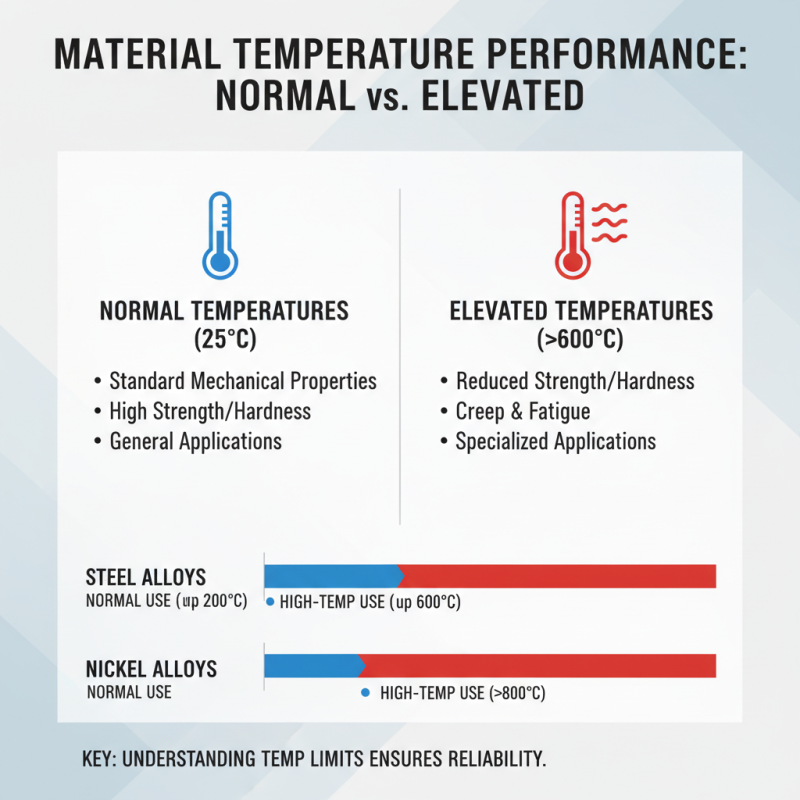
When choosing materials for high-temperature applications, understanding their performance is crucial. Materials exhibit different behavior under normal and elevated temperatures. For instance, steel alloys can withstand up to 600°C, but their mechanical properties may degrade after prolonged exposure. Understanding these limits is essential for ensuring reliability in demanding environments.Thermoplastics show varied thermal stability. Polyetheretherketone (PEEK) is known for its outstanding heat resistance, maintaining properties at 260°C. However, plastic materials may become brittle after extended high-temperature exposure. A recent study shows that tensile strength in certain polymers can decrease by up to 30% when exposed to sustained heat.Testing specifications are vital when selecting materials. A common method is the ASTM E228 test, which measures thermal expansion. Evaluating thermal conductivity can also guide material selection for heat insulation. An analysis of thermal properties in titanium alloys indicates a moderate thermal expansion, making them suitable for aerospace components. Awareness of these characteristics ensures informed procurement decisions. Understanding temperature effects is not just about numbers; it requires careful consideration of material behavior over time.
Common High Temperature Resistant Materials: Types and Properties
When selecting materials for high-temperature applications, it’s crucial to understand the various types available. Ceramics are popular for their excellent thermal stability. They can withstand extreme temperatures, often exceeding 1,650°C. However, they can be brittle, which may limit their use in some applications. Metals like stainless steel also provide good high-temperature resistance. They are durable and can handle moderate stresses. Yet, they may corrode under harsh chemical conditions.Another option is refractory materials, often used in furnaces and kilns. These materials offer exceptional heat resistance and durability. However, they can be quite heavy, complicating installation and transportation. While considering your choices, think about how Acid And Alkali Resistance plays into your specific needs. Corrosion can be a significant factor in high-temperature settings, impacting the longevity of your materials.Tips: Always consider the specific environmental conditions. Evaluate temperature ranges and potential chemical exposures. Research the thermal conductivity of each material. This information helps identify the best fit for your project. Ensure you analyze any potential drawbacks to be prepared for the long-term performance of your chosen material.
High Temperature Resistant Materials ComparisonKey Industries Relying on High Temperature Materials: An Overview
High temperature resistance materials play an essential role in various industries. These materials are crucial in sectors such as aerospace, automotive, and manufacturing. In aerospace, for instance, components must withstand extreme heat during flight. The performance of these materials can determine safety and efficiency. In manufacturing, processes often involve high temperatures, necessitating reliable materials for machinery and production lines.In the automotive industry, high temperature resistance materials are vital for engine components. They help maintain performance under stress. Additionally, the demand for high-end wall and floor porcelain is increasing due to its durability and aesthetic appeal. This type of porcelain can endure heat, making it suitable for kitchens and other high-temperature environments.Choosing the right material can be challenging. Each application requires specific properties, and not all materials are created equal. Industries should prioritize testing and validation. It is crucial to collaborate with experts who understand these needs. This approach enhances reliability and performance in high-temperature applications. Investing time in research can lead to better decision-making and prevent costly errors down the line.
How to Choose High Temperature Resistance Materials for Procurement? – Key Industries Relying on High Temperature Materials: An Overview
| Industry | Common High Temperature Materials | Typical Operating Temperature Range (°C) | Application Examples |
|---|---|---|---|
| Aerospace | Titanium Alloys | -250 to 600 | Engine Components, Airframe Structures |
| Automotive | Ceramics | -40 to 1300 | Brake Systems, Engine Parts |
| Power Generation | Nickel Alloys | -210 to 1200 | Turbine Components, Heat Exchangers |
| Chemical Processing | High-Performance Polymers | -200 to 300 | Piping, Reactor Linings |
| Semiconductor | Silicon Carbide | -50 to 1600 | Wafers, High-Power Devices |
Testing Methods for Evaluating Temperature Resistance in Materials
When selecting materials for high-temperature applications, various testing methods provide crucial insights into their thermal resistance. One key test is the thermal stability assessment. This method involves gradually increasing temperature and monitoring the material’s structural integrity. Observing how long the material retains its properties is essential for determining suitability.Another effective testing method is the differential scanning calorimetry (DSC). This technique measures how a material’s heat capacity changes with temperature. For instance, materials used in high-end grey wall cladding must undergo rigorous temperature evaluations. This ensures they can withstand extreme heat without compromising safety and aesthetics.Lastly, the thermal conductivity test evaluates how well a material conducts heat. Understanding a material’s ability to dissipate heat can prevent unwanted failures. However, results may vary based on conditions and compositions. It’s important to reflect on these factors. Each testing method offers unique insights but requires careful interpretation.
Cost Analysis: Budgeting for High Temperature Resistant Materials
When exploring high temperature resistant materials, cost analysis is essential. Various materials operate differently under extreme conditions. According to a report by MarketsandMarkets, the global market for high temperature materials is projected to reach $45 billion by 2027. This growth highlights their importance in industries such as aerospace and automotive.
Budgeting involves more than just material costs. It includes labor and processing expenses. For example, ceramic matrix composites are often more expensive upfront but can offer long-term savings through durability and lower maintenance. A study from Technavio indicates that procurement costs can vary by over 30% for different material types. Understanding these nuances helps in making informed decisions.
Investing in high temperature resistant materials can appear daunting. It leads to tough choices. Initial costs may exceed tighter budgets. However, companies could face higher replacement and downtime costs if cheaper options fail prematurely. A delicate balance between price and performance is crucial, demanding a thoughtful approach to procurement.
Sustainability Considerations in High Temperature Material Procurement
Sustainability is a critical factor when selecting high-temperature resistance materials. The growing industry demand requires not just performance but also environmental considerations. According to a study from Material Science Journal, about 60% of manufacturers focus on sustainable sourcing. A shift towards eco-friendly materials is essential, and high-temperature resistant options can contribute significantly.When evaluating materials, consider lifecycle assessments. Utilizing high gloss marble panels, for instance, offers thermal stability and durability. Reviews show that this material minimizes waste and enhances resource efficiency. Furthermore, it has lower carbon footprints compared to traditional alternatives. This information is vital for procurement teams aiming to align with sustainability goals.However, the transition to sustainable materials isn’t without challenges. Many high-temperature resistant options still rely on resource-intensive processes. The industry grapples with balancing performance needs against environmental impact. Some procurement professionals may not fully understand the implications of their choices. Continuous education on sustainable material options is necessary. This ensures informed decisions that favor both performance and sustainability.
Enhancing Modern Spaces with RAINFOREST BLACK High Gloss Sintered Stone Slab: A Complete Guide to Style and Functionality

RAINFOREST BLACK High Gloss Sintered Stone Slab
The RAINFOREST BLACK High Gloss Sintered Stone Slab is a stunning addition to modern interior spaces, perfectly blending style and functionality. With its generous dimensions of 1600 x 3200 x 12mm, this slab makes a bold statement in any setting, whether it be a chic kitchen countertop or an elegant bathroom vanity. The full-polished glazed surface, complemented by a dry grain texture, offers not just visual appeal but also remarkable durability, ensuring that the surface remains pristine while standing up to daily use.Visually striking, the RAINFOREST BLACK slab features a jet black base that’s magnificently interlaced with wild white veins and copper-gold streaks. This unique coloration allows for versatile design options, seamlessly integrating with various design aesthetics from contemporary to traditional. The three faces of the slab in a random combination enhance its character, ensuring that each setting feels unique and luxurious. This sintered stone not only elevates the aesthetic of modern spaces but also promises exceptional performance and longevity, making it a favored choice for designers and homeowners alike.
Conclusion
Choosing the right high temperature resistance materials is crucial for various industrial applications. When selecting these materials, it’s important to consider factors such as their performance specifications at both normal and elevated temperatures, and the types and properties of commonly used high temperature resistant materials. Industries such as aerospace, automotive, and manufacturing heavily rely on these materials, making it essential to understand their unique requirements.Additionally, proper testing methods for evaluating temperature resistance should be employed to ensure reliability. Budgeting for high temperature resistant materials requires a careful cost analysis, while sustainability considerations must also be taken into account to promote environmentally friendly practices in procurement. By focusing on these key aspects, organizations can effectively select materials that meet their high temperature resistance needs while maintaining operational efficiency and compliance with sustainability goals.
Media Contact
Company Name: Shanghai Fengyou Industrial Co., Ltd.
Email: Send Email
Country: China
Website: https://www.funtekstone.com/