
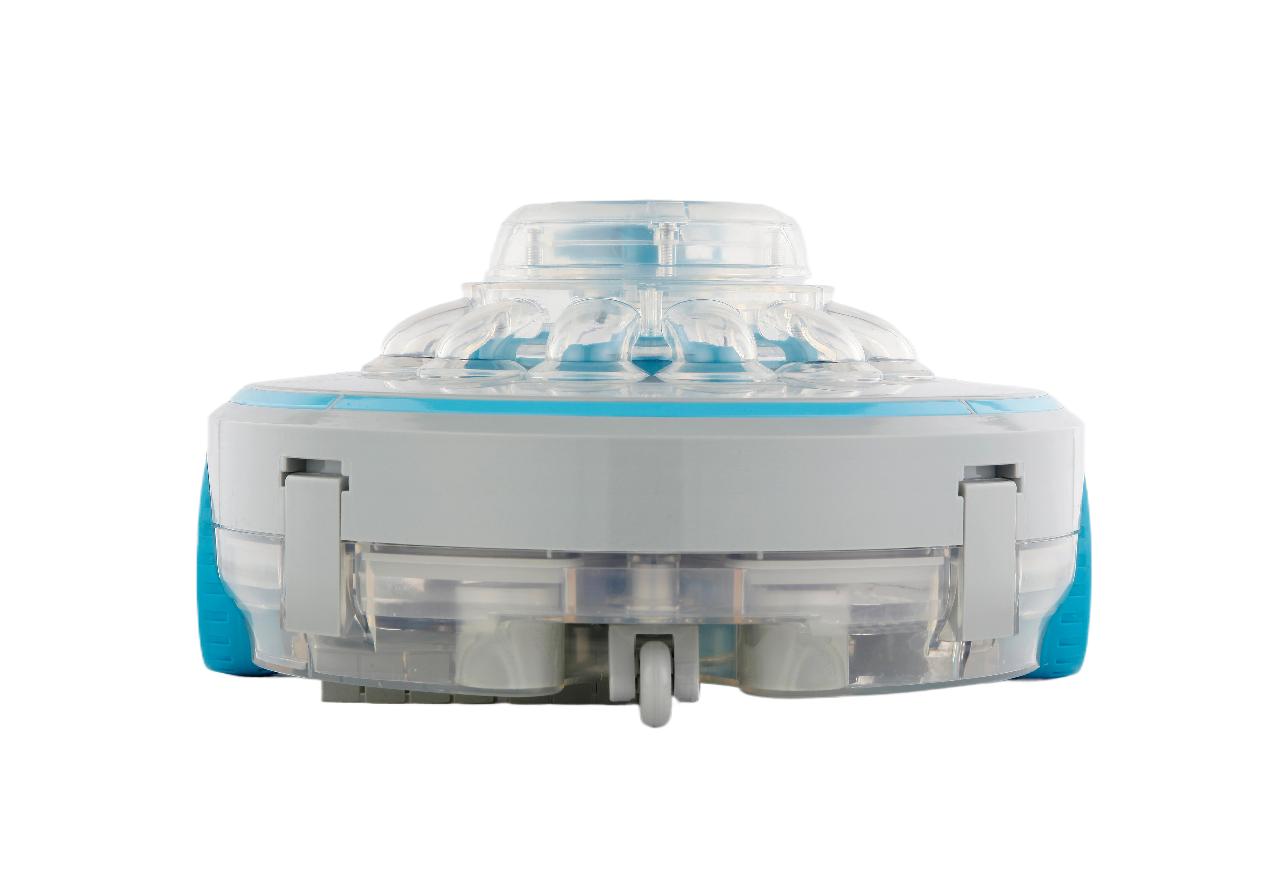
Introduction
Choosing a robotic pool cleaner supplier is not just a sourcing decision; it shapes product reliability, after-sales costs, and how your brand competes over time. Because these machines combine motors, sensors, waterproof housing, and lithium battery systems, buyers need to look beyond price sheets and basic factory claims. This article outlines five practical dimensions for evaluating pool equipment suppliers, from technical capability and product range to quality control, supply stability, and long-term service support. The goal is to help B2B buyers identify partners that can reduce risk, support growth, and deliver consistent performance in a demanding category.
Why evaluate a robotic pool cleaner supplier
Sourcing a robotic pool cleaner requires rigorous supplier evaluation due to the complex electromechanical nature of the product. Unlike passive pool accessories, autonomous cleaners integrate advanced robotics, fluid dynamics, and high-capacity lithium-ion batteries into a single waterproof chassis. For B2B buyers—ranging from regional distributors to private label brands—selecting the right manufacturing partner directly dictates market positioning, brand reputation, and long-term profitability. A superficial vetting process can lead to supply chain disruptions, high return rates, and severe brand damage.
Product scope and supplier capabilities
A comprehensive evaluation begins with the manufacturer’s product scope and technological maturity. Buyers must assess whether the supplier offers a diverse portfolio, including both traditional corded models and modern cordless variants. Advanced cordless units typically require sophisticated battery management systems (BMS) handling capacities between 7,500mAh and 10,000mAh to achieve runtimes exceeding 120 minutes. Furthermore, the supplier’s engineering capabilities should support high-efficiency suction metrics, ideally delivering flow rates above 4,000 gallons per hour (GPH) while maintaining optimal energy consumption. Assessing these technical baselines ensures the supplier can scale alongside evolving market demands for smart, IoT-enabled pool maintenance solutions.
Commercial and operational risks
Beyond technical specifications, buyers must scrutinize commercial and operational risks associated with offshore manufacturing. Supply chain volatility can severely impact seasonal inventory planning, making predictability paramount. Buyers should benchmark standard production lead times, which typically range from 45 to 90 days depending on component availability and seasonal peaks. Minimum Order Quantity (MOQ) thresholds are equally critical; tier-one manufacturers often require MOQs of 200 to 500 units per SKU, demanding significant capital allocation. Additionally, operational risk mitigation necessitates reviewing historical defect rates. A reliable robotic pool cleaner supplier should consistently demonstrate a field failure rate of less than 1.5%, minimizing the financial burden of warranty claims and reverse logistics.
Key criteria for comparing robotic pool cleaner suppliers
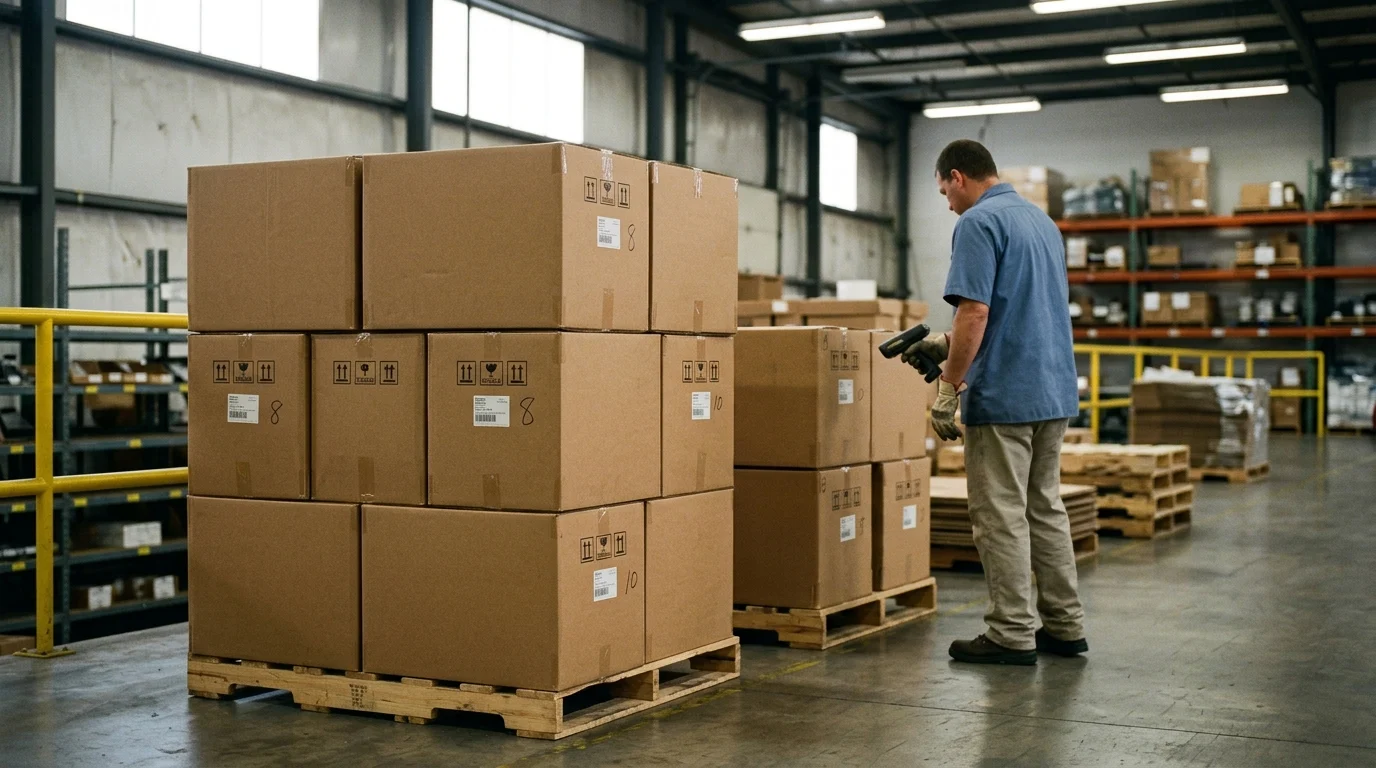
Establishing a standardized evaluation framework is essential for objectively comparing prospective manufacturing partners. This framework must prioritize tangible engineering quality, regulatory compliance, and a quantifiable track record of operational excellence to ensure the long-term viability of the B2B relationship.
Engineering quality and compliance readiness
Engineering quality and compliance readiness form the bedrock of a safe and reliable robotic pool cleaner. Due to the inherent risks of operating electrical equipment in aqueous environments, stringent certifications are non-negotiable. Buyers must verify that products hold relevant regional certifications, such as UL 1081 for the North American market or CE and RoHS directives for Europe. At the component level, the integration of brushless DC (BLDC) motors is a critical quality indicator, offering operational lifespans exceeding 5,000 hours compared to traditional brushed alternatives. Furthermore, absolute IP68 waterproof ratings for all motor and battery enclosures must be validated through rigorous third-party hydrostatic testing.
Supplier scorecard and comparison table
To synthesize these data points, procurement teams should utilize a weighted supplier scorecard. This analytical tool enables buyers to rank manufacturers across critical operational dimensions, removing subjective bias from the selection process.
| Evaluation Criteria | Weight | Minimum Acceptable Standard | Ideal Target Standard |
|---|---|---|---|
| Defect Rate (Quality) | 35% | < 2.0% annual failure rate | < 1.0% annual failure rate |
| Production Lead Time | 20% | 60-90 days | 30-45 days |
| R&D & Engineering | 25% | OEM capabilities, basic testing | ODM capabilities, full IoT integration |
| Warranty & Support | 20% | 1-year limited warranty | 2-3 year comprehensive warranty |
Deploying this scorecard ensures that potential partners are measured against strict B2B procurement standards, highlighting the most capable suppliers for complex robotic assemblies.
How to turn supplier evaluation into a sourcing decision
Data gathering and scorecard analysis must eventually transition into a structured sourcing decision. Executing a methodical procurement strategy minimizes capital risk and establishes a foundation for a scalable, mutually beneficial B2B partnership.
Step-by-step procurement process
The transition from evaluation to procurement requires a rigorous, phased approach. Initially, buyers should execute a Request for Information (RFI) followed by a targeted sample acquisition. Sample units must undergo a minimum 30-day field test in varied aquatic environments to validate suction efficacy, navigation logic, and battery degradation. Following successful field trials, a comprehensive factory audit is mandatory. Auditors should verify ISO 9001 quality management systems, specifically inspecting incoming quality control (IQC) for electronic components and final hydrostatic testing protocols. Only after these validation phases should a buyer proceed with a pilot run, typically capped at 100 to 150 units, to assess the manufacturer’s consistency before committing to high-volume seasonal orders.
Balancing price, private label potential, and support
Finalizing the sourcing decision requires a delicate balance between unit cost, customization potential, and post-sale support. For buyers pursuing Original Design Manufacturer (ODM) or private label strategies, initial tooling investments can range from $20,000 to $50,000 for custom molds and proprietary chassis designs. While aggressive negotiation on the Bill of Materials (BOM) might yield lower per-unit costs, it often compromises the inclusion of premium components like dual-drive motors or advanced gyroscopes. Furthermore, robust after-sales support is critical for maintaining market share. Buyers must negotiate comprehensive service level agreements (SLAs) that include a mandatory 3% to 5% spare parts buffer shipped concurrently with the main order, ensuring immediate resolution for end-user warranty claims. Ultimately, the most competitive sourcing decision prioritizes total cost of ownership and sustained reliability over mere upfront unit pricing.
Key Takeaways
- The most important conclusions and rationale for Robotic Pool Cleaner
- Specs, compliance, and risk checks worth validating before you commit
- Practical next steps and caveats readers can apply immediately
Frequently Asked QuestionsWhat should B2B buyers verify first in a robotic pool cleaner supplier?
Start with product scope, certifications, and build quality. Confirm the supplier can provide cordless and corded models, IP68 waterproof protection, and market-ready compliance such as CE, RoHS, or UL.
Why is cordless robotic pool cleaner manufacturing harder to evaluate?
Cordless models combine lithium batteries, BMS control, sealed motors, and waterproof housings. Ask for runtime data, battery capacity, hydrostatic test results, and field failure rates before placing bulk orders.
How can Poolstar support long-term private label or importer partnerships?
Poolstar offers R&D, manufacturing, scalable supply, logistics, and aftercare for global buyers. This helps importers and private label brands reduce vendor complexity while expanding robotic pool cleaner lines.
What lead time and MOQ should buyers expect for robotic pool cleaners?
Typical production lead times are about 45–90 days, with MOQs often around 200–500 units per SKU. Confirm seasonal capacity, component availability, and reorder flexibility during supplier review.
Which quality indicators matter most for industrial-grade robotic pool cleaners?
Prioritize BLDC motors, IP68 sealing, durable materials, and low defect rates. Poolstar also emphasizes industrial-grade build quality for harsh underwater environments, which is important for long-term warranty performance.
Media Contact
Company Name: NingBo Poolstar Pool Products Co.,Ltd.
Email: Send Email
Country: China
Website: https://www.cnpoolstar.com/