
Recently, there have been many rumors circulating in the market that the large-scale risk control measures implemented in April have gradually ended, and functions such as BM authorization are beginning to return to normal. However, based on my actual understanding over the past few days, the situation is not as optimistic as everyone imagined.
As of now, many of the banned accounts remain suspended, and appeals have yielded little to no progress; accounts that were supposed to be restricted are still being restricted. Therefore, the claim that “risk control has ended” is more likely an isolated phenomenon resulting from the reinstatement of a small number of accounts and does not represent the overall situation. For most advertisers, this wave of account bans is far from over.
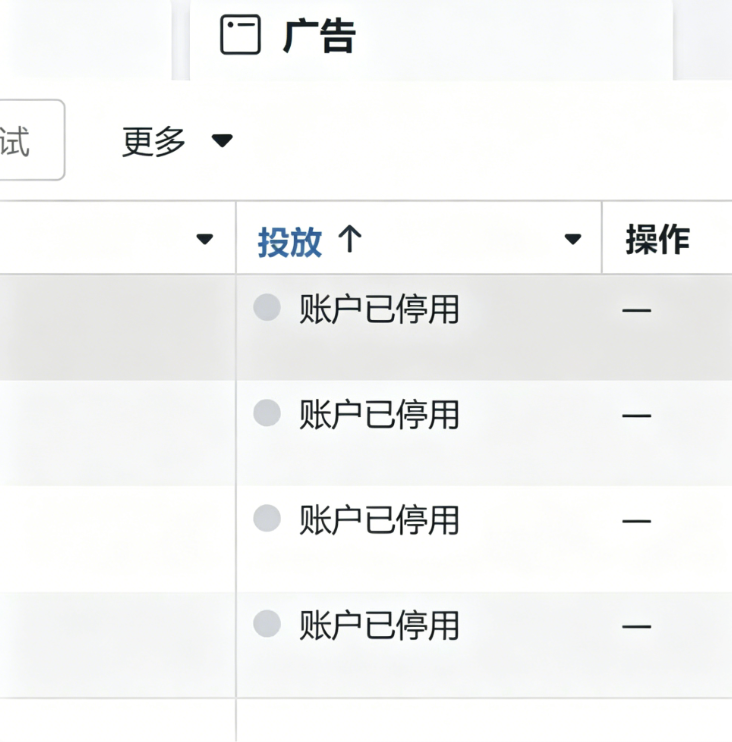
What are the core changes in this Facebook risk control upgrade? As mentioned before, the Meta risk control logic in 2026 has undergone a fundamental change. Previously, the system would identify and ban users after they engaged in violations; now, the system will assess the account’s risk level in advance by using information such as login environment, device fingerprint, and historical behavior patterns before any action is taken.
In other words, even if you haven’t done anything wrong, you might be asked to verify your identity or even have restrictions triggered immediately after logging into your account. In addition, the IP environment has become extremely critical. By 2026, Meta’s ability to identify data center IPs will be very mature; once such IPs log in, they will easily be identified by the system as automated or abnormal environments.
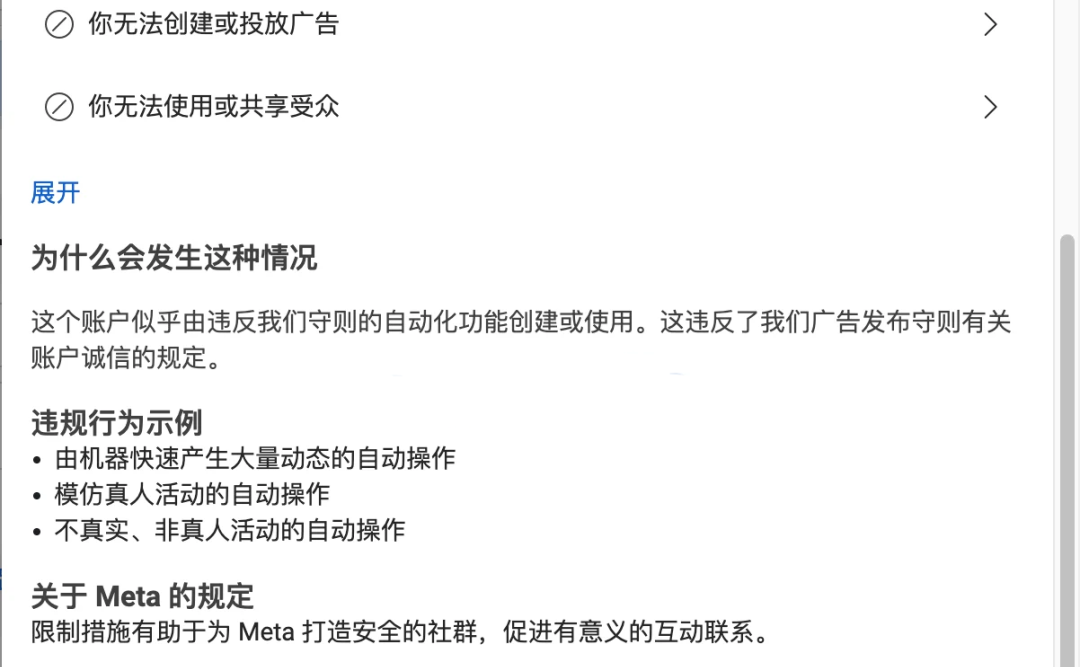
Some advertisers think that changing their residential IP address will solve the problem, but in reality, if the residential IP address has been used by someone else before and has a history of violations, it may also be flagged by the system.
The reason this wave of account suspensions has had such a wide impact is essentially because Meta’s overall risk control system has been upgraded. Many old methods that were effective in the past are now largely ineffective.
So what can we do now? To be honest, there is no perfect solution at this stage, but the following points are worth preparing for in advance.
Core Response Recommendations
First, don’t rely too heavily on quick appeals. The number of appeals has surged recently, and the review period has become significantly longer; some accounts have submitted applications for a week or even longer without receiving a response. Therefore, the most realistic approach now is to prepare all necessary documents thoroughly and then patiently wait for the review results.Secondly, it is essential to set up backup plans in advance. Do not concentrate all assets in a single Business Manager (BM). It is recommended to prepare backup BMs, backup administrators, and backup homepages. If the main account encounters problems, at least a quick switch can be made, preventing a complete business shutdown. Third, maintain a stable environment as much as possible. Meta risk control now focuses not only on whether there are violations, but also on whether the overall operating environment is abnormal. Therefore, avoid frequently changing your IP address, keep device fingerprints consistent, and avoid overly aggressive daily operations.Fourth, consider gradually migrating some older ads to the Advantage+ model. In 2026, Meta is fully promoting AI-automated ad delivery, and traditional shopping ads and some app ads will gradually be replaced by the Advantage+ system. While the current situation may seem contradictory—AI review is becoming increasingly strict, yet AI-driven ad delivery is becoming the mainstream—this is the reality. Adapting to the new ad delivery logic in advance can at least reduce the probability of triggering system risk controls due to outdated ad delivery methods.

The past two weeks have been tough for many people doing cross-border business. Ad campaigns have stopped, traffic has been interrupted, orders have plummeted, and some ad accounts have even gone to zero, while competitors continue to seize market share and customer resources. The pressure is indeed immense.
However, in the long run, Meta risk control will only become stricter in 2026. If this wave of account suspensions prompts everyone to re-examine their account structure, operating methods, and compliance issues, and to make more stable preparations in advance, then it may become a new turning point.
About Whale Interactive
Whale Interactive has been deeply involved in overseas advertising and new media promotion for many years, focusing on providing professional marketing solutions for cross-border e-commerce, gaming, app, and brand overseas expansion clients. Leveraging its extensive overseas media resources and practical experience in advertising campaigns, Whale Interactive helps advertisers achieve precise customer acquisition, stable volume growth, and long-term growth.
For more information on cooperation opportunities, please visit our official website: https://www.jyadc.net/
Media Contact
Company Name: Whale Interactive Technology Co., Ltd.
Email: Send Email
Country: China
Website: https://en.jyadc.net/