
Why Are Natural Colorants Essential for Modern Product Development?
When it comes to creating appealing, market-ready products, the choice of colorant plays a decisive role in visual attractiveness, brand perception, and consumer trust. As a trusted supplier of high-quality natural colorants, I understand how critical this decision is for brands in food, beverages, cosmetics, and dietary supplements. In this blog, we will explore the key principles, benefits, and practical guidance to help you select the ideal natural colorant for your formulation needs.
In recent years, consumer demand for clean-label, transparent, and naturally sourced products has skyrocketed. This shift has dramatically increased the preference for natural colorants over synthetic dyes. Consumers actively avoid artificial additives, seeking products that are gentle, safe, and aligned with healthy lifestyles. Natural colorants, derived from plants, fruits, vegetables, and other renewable sources, perfectly satisfy this demand while supporting sustainable and ethical manufacturing.
Beyond visual appeal, many natural colorants bring added functional value. They are often rich in antioxidants, polyphenols, vitamins, and other bioactive compounds that enhance the nutritional profile of your products. Compared to synthetic colorants, they are less likely to trigger sensitivity or adverse reactions, making them suitable for a wider audience, including children and individuals with sensitivities.
What Factors Should You Consider When Selecting a Natural Colorant?
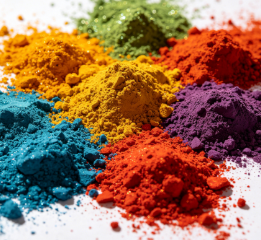
Choosing the best natural colorant requires careful evaluation of multiple technical and commercial factors. Rushing this process can lead to instability, discoloration, compatibility issues, or failure to meet regulatory standards. Below are the most important aspects to examine before finalizing your selection.
What Color and Hue Are You Trying to Achieve?
The first and most obvious consideration is your target color and visual style. Natural colorants offer a wide spectrum, including bright reds, soft pinks, sunny yellows, warm oranges, deep blues, earthy greens, and rich purples. Think about your brand identity, packaging design, and target market. For health-focused products, soft, natural tones often perform better than overly bright synthetic-like shades. Understanding the exact hue, saturation, and consistency you need will help narrow down your options effectively.
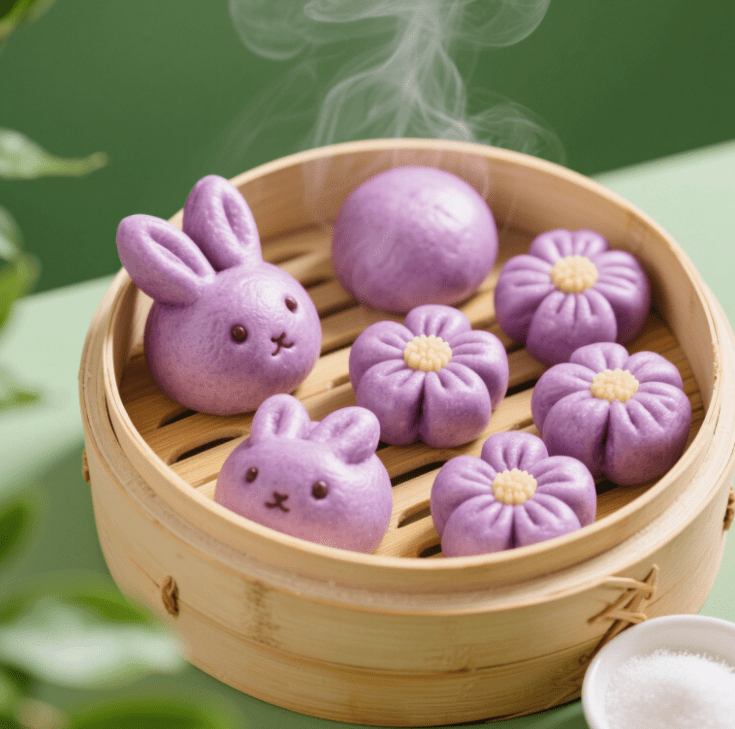
How Stable Is the Colorant in Your Product Environment?

Stability is one of the biggest technical challenges in natural coloration. Many plant-derived pigments are sensitive to pH, heat, light, oxygen, and storage conditions. A colorant that works perfectly in a cold beverage may fade or change shade in a high-temperature pasteurization process. Similarly, some colorants perform best in acidic environments while others are more suitable for neutral or alkaline formulations.
Compatibility with other ingredients is equally important. Some colorants may interact with minerals, flavors, or active components, leading to precipitation or discoloration. Working closely with an experienced supplier can help you test stability and avoid costly formulation mistakes.
What Are the Main Types of Natural Colorants and Their Applications?
The natural colorant market includes several major categories, each with distinct properties, sources, and best-use scenarios. Understanding these types will help you make more strategic formulation decisions.
What Are Anthocyanins and Where Are They Used?
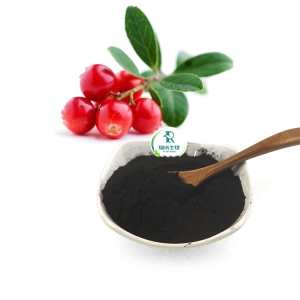
Anthocyanins are water-soluble pigments responsible for red, purple, pink, and blue colors in many plants. They are widely found in berries, grapes, purple corn, and red cabbage. Highly valued for their strong antioxidant properties, anthocyanins are popular in beverages, confectionery, dairy products, and cosmetics.
Cabbage Red Powder, derived from red cabbage, is one of the most versatile and cost-effective anthocyanin colorants. It produces stable red to purple shades and works well in many acidic applications.
What Are Carotenoids and What Products Do They Color?
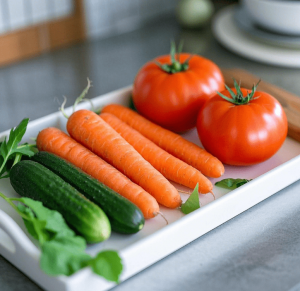
Carotenoids are fat-soluble pigments that create vibrant yellows, oranges, and reds. Common sources include carrots, tomatoes, marigolds, sweet potatoes, and various fruits. Well-known examples include beta-carotene, lutein, zeaxanthin, and lycopene.
Carotenoids are widely used in foods, supplements, beverages, and skincare products. They offer excellent stability in many applications and carry well-documented health benefits, including eye support and antioxidant protection.
What Are Chlorophylls and How Are They Used?
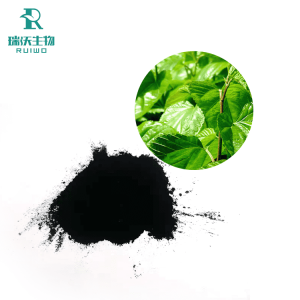
Chlorophylls are natural green pigments essential for photosynthesis in plants. They are sourced from spinach, kale, algae, wheatgrass, and other green vegetation. Chlorophyllin, a water-soluble derivative, is especially popular for its stable, fresh green color.
Chlorophyll-based colorants are widely used in beverages, candies, cosmetics, and oral care products. They are associated with detoxification and freshness, making them ideal for clean-label positioning.
- Choosing the right natural colorant is a vital step in creating successful, consumer-friendly products. By understanding color requirements, stability conditions, regulatory compliance, and cost factors, you can make confident decisions that enhance both appearance and value. Natural colorants not only make products visually appealing but also align with global clean-label trends, improving brand trust and market competitiveness.
Whether you are developing a new beverage, supplement, cosmetic, or functional food, the right natural colorant can elevate your product to stand out in a crowded market.
If you are interested in exploring our natural colorant lineup, requesting samples, technical data, or bulk pricing, please reach out anytime. We are ready to support your formulation goals with professional service and premium ingredients.
Media Contact
Company Name: Shaanxi Ruiwo Phytochem Co., Ltd.
Email: Send Email
Phone: 008613484919413
Address:Room 703, Ketai Building, No. 808, Cuihua South Road
City: Xi’an
State: Shanxi
Country: China
Website: https://www.ruiwophytochem.com/