
As smart thermostats, robotic vacuums, and AI-powered security systems become standard features in modern homes, a new frontier of automation is emerging beyond the front door. Increasingly, homeowners are looking outdoors — to backyards, gardens, and especially swimming pools — as the next space for intelligent transformation.
Pool ownership, long associated with leisure and lifestyle, has historically come with a less glamorous reality. Cleaning debris, wrestling with 50-foot tangled cords, managing filtration systems, and balancing water chemistry can demand up to 4-6 hours of weekly labor. As labor costs rise and consumers prioritize time efficiency, the traditional weekend ritual of manual pool skimming is beginning to look outdated.
The Quiet Shift Toward Invisible Maintenance
Many homeowners didn’t realize how much time pool maintenance was consuming until it stopped. The shift wasn’t dramatic — it was quiet. One weekend passed without checking the cleaner. Then another. And nothing went wrong. That was the moment automation stopped being impressive and started being invisible.
Conventional suction-based pool cleaners often rely on manual setup and limited path planning. Anyone who has had to pull a waterlogged, cord-tangled robot out of the deep end knows the frustration. While functional, they typically require supervision and frequent physical intervention.
In contrast, new-generation devices incorporate AI-driven mapping systems and cordless mobility to remove that friction entirely. For many homeowners, investing in a high-performance robotic pool vacuum has become less about buying a new gadget, and more about buying back their weekend.
Instead of random movement patterns that miss corners, these systems use intelligent navigation to analyze pool geometry and adjust cleaning routes in real time. The result is consistent cleaning with zero oversight.
Solving the Real Frustrations of Pool Ownership
As the category matures, the benchmark for premium performance has shifted away from raw suction power and toward completely removing the human element from the chore.
Untangling the Power Cord Problem
Hauling a heavy machine by its tangled cord used to be a guaranteed weekend headache. The most immediate relief for modern users comes from the absolute elimination of external cables. Today’s premium pool robots rely entirely on high-capacity battery systems and dock-based charging. This allows multi-hour operation without the tripping hazards or maneuverability constraints that plagued older designs.
Eliminating the Missed Spots
The frustration of watching a machine bounce aimlessly around the pool while missing the dirtiest corners used to be normal. Instead of bumping blindly into walls, advanced models now construct a digital map of their environment. By using sensor fusion technologies to detect slopes, steps, and heavy debris zones, the device adjusts its route dynamically to ensure every inch gets covered.
Beyond the Pool Floor
A clean pool floor means very little if the waterline is still covered in grime. High-end systems have finally addressed this gap by physically climbing walls, scrubbing waterlines, and managing surface debris. With multi-layer filtration systems capturing both large leaves and fine particulate matter, homeowners are finding they can stretch the time between heavy manual chemical treatments significantly.
The Specific Challenge of Inground Pools
People with deep ends, custom shapes, or textured surfaces like tile and vinyl often find standard cleaners getting stuck or failing to provide enough traction. Deeper water and debris accumulation in tight corners demand a much stronger response.
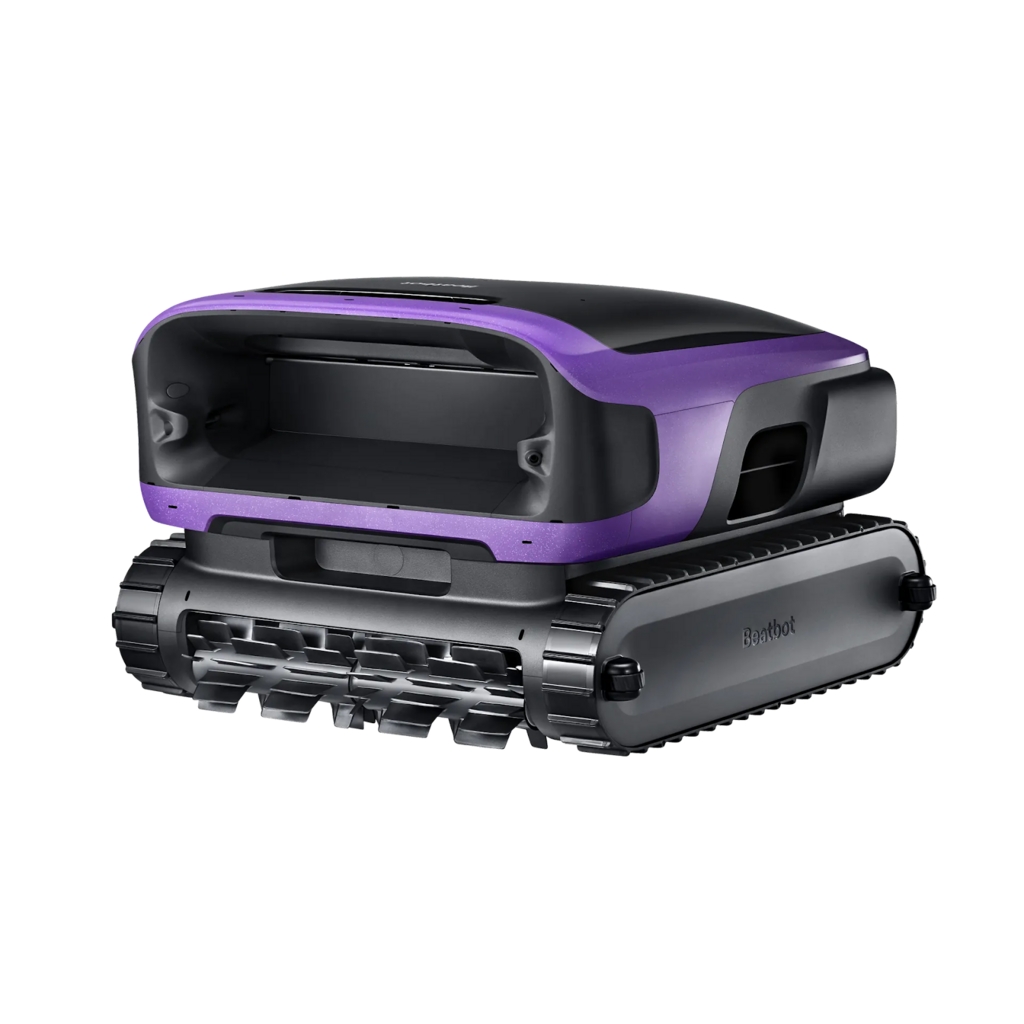
When dealing with larger and more complex designs, selecting the appropriate inground pool vacuum becomes the difference between a clean pool and a frustrating weekend. Devices such as the Beatbot Sora 70 cordless pool vacuum illustrate the current standard for overcoming these specific hurdles. Built with advanced propulsion logic and dual-layer filtration, such equipment maintains stability and deep-cleaning performance even in structurally varied pools.
For those who have historically struggled with wind blowing surface debris back into the water, new intelligent parking features solve another long-standing annoyance by automatically driving the robot back to the edge for easy retrieval.
The Financial Relief of Doing Nothing
Nobody enjoys opening a massive electricity bill just because the main 1.5 HP circulation pump had to run all weekend to clear out an overnight storm’s worth of leaves. The shift toward automation offers a very tangible financial relief, but it feels more like a lifestyle upgrade.
Because these robots operate independently of the main pool system, they drastically reduce overall energy consumption. Furthermore, getting the debris out of the water quickly means less organic matter breaking down. Homeowners are finding they spend far less time playing amateur chemist with testing kits, and make fewer trips to the store for expensive balancing chemicals. Over time, taking this strain off the main pumps translates directly into lower maintenance costs and fewer unexpected repair bills.
Getting the Weekend Back
The expansion of AI into our backyards isn’t about showing off flashy technology to the neighbors. It reflects a much more personal shift in how we reclaim our free time. What began as a luxury upgrade is quickly becoming the only logical way to manage a modern home.
By the time most homeowners actually notice the difference, it’s simply because they haven’t thought about pool maintenance in weeks. The Saturday morning chore of skimming and scrubbing is quietly disappearing from the to-do list entirely. With summer approaching, the conversation is no longer about which brush to use or how to untangle a cord. It’s about letting the technology handle the friction, so the pool can finally just be a pool again.
Media Contact
Company Name: Beatbot
Contact Person: Siler Wang
Email: Send Email
Country: United States
Website: https://beatbot.com