
A dull or broken drill bit is more than just an inconvenience; it’s a sign of lost time, wasted money, and a subpar result. Achieving a clean, precise hole and maximizing the life of your straight shank twist drill bit is not a matter of luck—it’s a science. By understanding a few fundamental principles of tooling, any user, from a DIY enthusiast to a professional machinist, can dramatically improve their results.
The first and most critical rule is speed and feed. Different materials require different rotational speeds (RPM) and pressure (feed rate). Drilling too fast in metal will overheat the bit, softening the HSS and destroying its cutting edge. Drilling too slow in wood will cause it to burn and tear. A general rule of thumb: larger diameters require slower speeds, and harder materials require slower speeds. Using a lubricant or cutting fluid when drilling metals is non-negotiable for anything beyond the most basic tasks. It cools the bit, lubricates the cut, and improves chip ejection, leading to a better finish and significantly extended tool life.
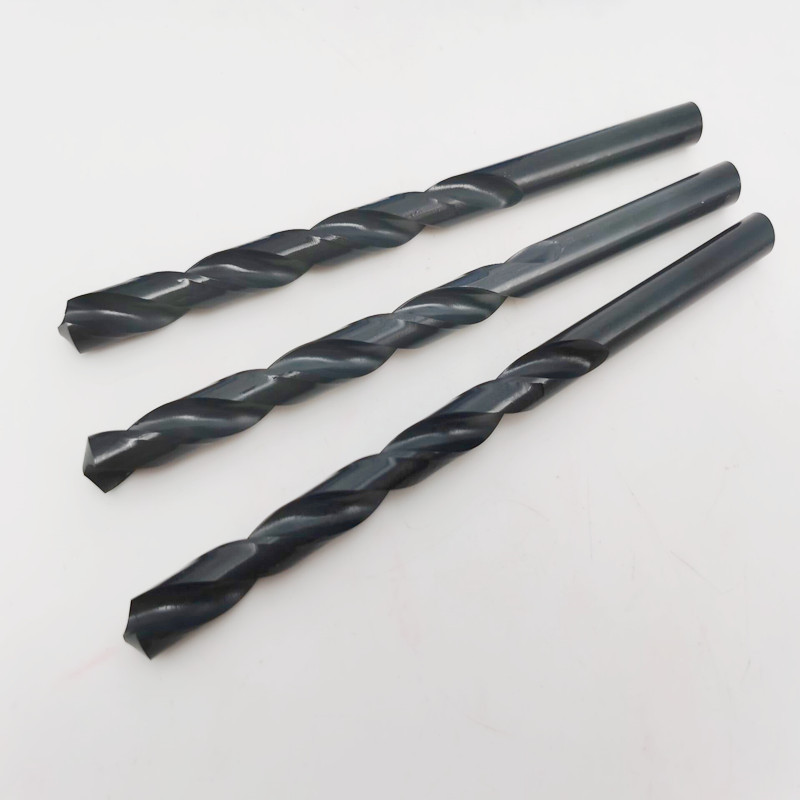
The Point Angle is another crucial factor. The standard included angle for a general-purpose bit is 118 degrees, which is suitable for a wide range of materials. A sharper 90-degree angle is often used for soft plastics and wood, while a flatter 135-degree “split point” is preferred for harder metals and stainless steel. The split point design has a self-centering action that prevents the bit from “walking” across the surface at the start of the hole, improving accuracy and reducing the need for a center punch.
Chuck security is often overlooked. A loosely clamped bit will slip in the chuck, grinding away at both the shank of the bit and the jaws of the chuck, ruining both. It also creates runout (wobble), which leads to oversized, inaccurate holes and dramatically increases the chance of breakage. Always ensure the chuck is tightened securely with all three jaws gripping the straight shank evenly.
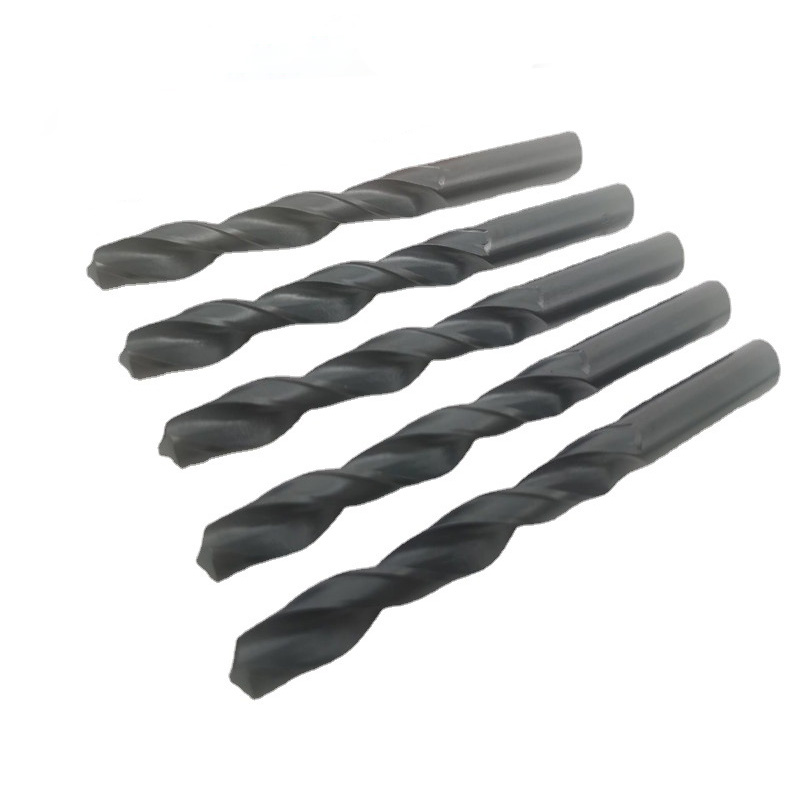
Recognizing failure modes is key to troubleshooting. If a bit breaks, the likely causes are excessive feed pressure, a misaligned drill, or lateral movement during drilling. If the cutting edges dull quickly or the bit develops a bluish tint (a sign of overheating), the RPM was too high or coolant was absent. If the flutes become clogged with material, the feed rate may be too high, or the wrong bit geometry (e.g., a wood bit in metal) is being used.
Finally, proper storage is essential for longevity. Tossing bits loosely into a toolbox will cause them to knock against each other, chipping and dulling the precise cutting edges. A dedicated organizer or drill index protects this investment, keeps sizes organized, and ensures the right tool is always at hand. By adopting these best practices, users transform the simple act of drilling from a crude process into a precise and efficient operation.
Media Contact
Company Name: MSK (Tianjin) International Trading CO.,Ltd
Email: Send Email
Country: China
Website: https://www.mskcnctools.com/