
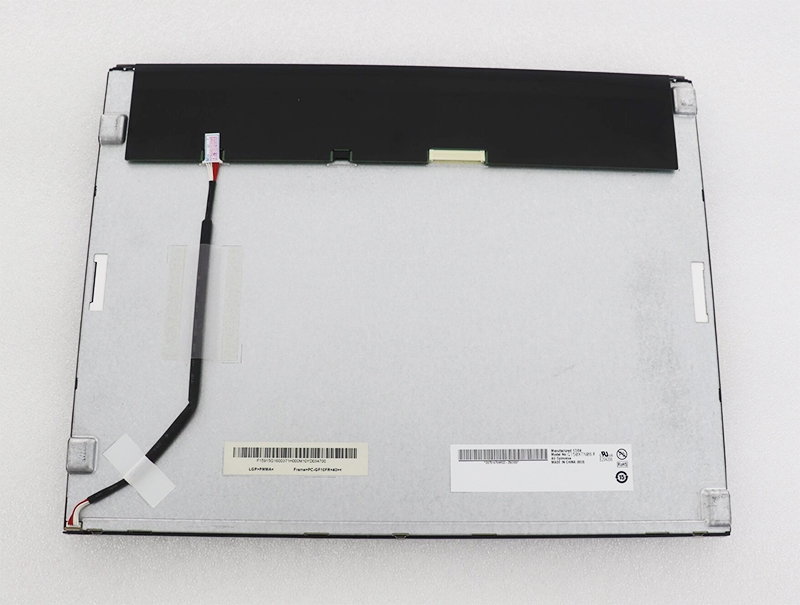
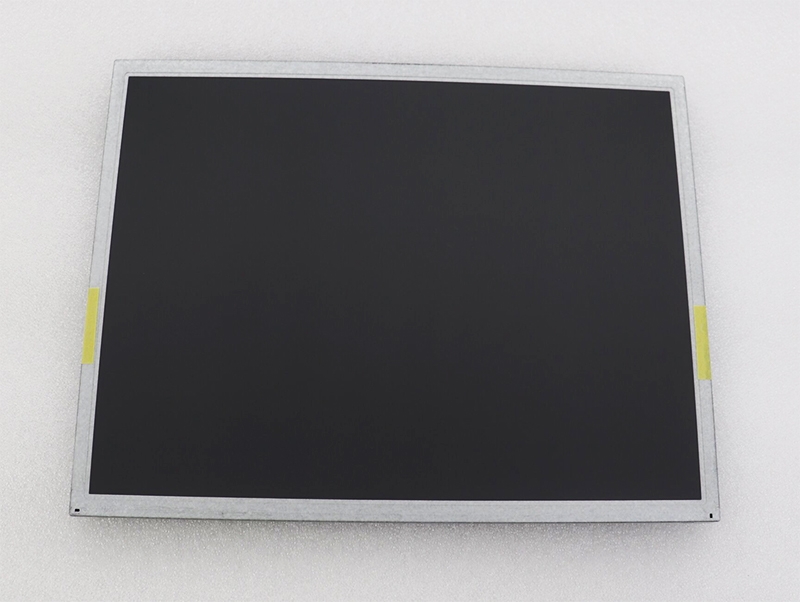
G150XTN06.2 15.0 inch 1024*768 TFT-LCD DISPLAY
In the intricate world of electronic components, where specifications often blur into a sea of part numbers, the G150XTN06.2 stands out as a definitive solution for a specific class of industrial and embedded applications. This 15.0-inch TFT-LCD display module, with its 1024 x 768 (XGA) resolution, represents more than just a screen; it embodies a carefully balanced set of engineering choices tailored for reliability, longevity, and compatibility in demanding environments. While consumer markets chase higher pixel densities and vibrant colors, modules like the G150XTN06.2 answer a different call—one for durability, stable performance, and seamless integration into legacy and modern systems alike.
This article delves deep into the G150XTN06.2, moving beyond basic datasheet parameters to explore its architectural significance. We will dissect its core technology, unpack the rationale behind its seemingly “standard” resolution, and examine the critical interface and mechanical design that make it a trusted component. Furthermore, we will contextualize its application landscape, compare it with contemporary alternatives, and provide practical guidance for integration and sourcing. Our goal is to provide engineers, procurement specialists, and technology integrators with a comprehensive resource that illuminates why this specific display module continues to be a relevant and strategic choice in an ever-evolving technological landscape.
Decoding the Specification: XGA in a 15-Inch Form Factor
The 1024 x 768 pixel resolution, known as XGA (Extended Graphics Array), is a cornerstone of the G150XTN06.2‘s identity. In an era of 4K and beyond, this might appear dated. However, this perception shifts when considering the target application environment. XGA offers a perfect balance between information density and element size on a 15-inch diagonal. Icons, text, and interface controls are rendered at a comfortable, legible scale without requiring excessive scaling, which is crucial for human-machine interfaces (HMIs) in industrial settings where operator clarity and speed are paramount.
Furthermore, the 4:3 aspect ratio is a significant feature. Unlike the widescreen 16:9 or 16:10 ratios prevalent today, the 4:3 ratio provides more vertical space, ideal for displaying lists, diagnostic data, legacy software interfaces, and control panels that benefit from a taller, more square viewing area. This aspect ratio also simplifies the mechanical design of enclosures for systems originally built around CRT monitors or earlier-generation LCDs, ensuring easier upgrades and replacements without costly cabinet redesigns.
The Heart of the Display: TFT-LCD Technology and Performance
At its core, the G150XTN06.2 utilizes Twisted Nematic (TN) TFT-LCD technology. TN panels are renowned for their fast response times, typically in the range of milliseconds, which is essential for displaying dynamic data without smearing or ghosting—a key requirement in monitoring and control applications. While they may not offer the ultra-wide viewing angles or color depth of IPS (In-Plane Switching) panels, their performance is perfectly matched to environments where the operator is typically positioned directly in front of the display.
Critical performance parameters include its brightness, which is robust enough to contend with ambient factory or outdoor lighting, and its contrast ratio, which ensures that graphics and text pop with clarity. The backlighting system, often utilizing LED arrays for efficiency and long life, is engineered for consistent illumination over tens of thousands of hours. This focus on reliability over “spec sheet dazzle” is what defines the module’s value proposition, ensuring continuous operation in 24/7 settings where display failure is not an option.
Interface and Connectivity: The LVDS Standard
The G150XTN06.2 typically employs an LVDS (Low-Voltage Differential Signaling) interface. This choice is far from arbitrary. LVDS has been the workhorse of industrial and automotive display connectivity for decades due to its robustness against electromagnetic interference (EMI). The differential signaling technique minimizes noise, allowing for reliable data transmission over longer cable lengths within a device chassis, which is a common requirement in large machinery or distributed control systems.
This interface standard ensures broad compatibility with a vast ecosystem of controller boards, single-board computers (like many industrial-grade ARM or x86 modules), and dedicated display controllers. For system integrators, this means reduced development risk and faster time-to-market, as they can leverage proven LVDS driver support and avoid the complexities of newer, consumer-focused interfaces like eDP (Embedded DisplayPort) which may not offer the same level of noise immunity or legacy support.
Mechanical and Environmental Design for Robustness
The physical construction of the G150XTN06.2 is where its industrial pedigree becomes unmistakable. The module is designed as a drop-in replacement unit, often featuring a standard mounting hole pattern that aligns with older displays, facilitating straightforward upgrades. The bezel design and overall thickness are engineered to fit into confined or standardized panel cutouts.
Beyond form factor, environmental robustness is key. While specific ratings depend on the manufacturer and assembly, displays in this class are often built to operate across a wide temperature range (e.g., -20°C to 70°C), withstand higher levels of vibration and shock, and resist the ingress of dust. This makes them suitable for deployment in manufacturing floors, transportation systems, medical devices, and point-of-sale terminals—environments where consumer-grade displays would quickly falter.
Primary Application Landscapes and Use Cases
The G150XTN06.2 finds its home in applications where reliability trumps cutting-edge visual specs. A primary domain is Industrial Automation and HMI. Here, it serves as the primary interface for programmable logic controllers (PLCs), SCADA systems, and machine control panels, displaying real-time process data, alarms, and control buttons.
Other significant sectors include Medical Equipment (for diagnostic devices and patient monitoring systems where consistent grayscale performance is vital), Transportation and Aerospace (in-cabin information displays or ground support equipment), and Point-of-Sale (POS) and Kiosk systems. In kiosks, the 4:3 ratio is excellent for interactive menus and information displays. Its longevity also makes it ideal for legacy system modernization, allowing companies to refresh the user interface of old machinery without overhauling the entire electronic control system.
Sourcing, Integration, and Future Considerations
Integrating the G150XTN06.2 requires attention to detail. Sourcing is typically done through specialized electronic component distributors or directly from manufacturers. Key considerations include verifying the exact interface pinout, backlight inverter requirements (if not LED-only), and the specific mechanical drawings for mounting.
From a future perspective, while newer technologies emerge, the need for displays like the G150XTN06.2 remains stable. Its “mature” status is an advantage, meaning it is well-understood, thoroughly tested, and often available from multiple sources for supply chain security. The future evolution for such modules lies not in radical spec changes but in incremental improvements in power efficiency, wider temperature ranges, and potentially the adoption of more robust LED backlighting with even longer lifespans, ensuring their place in critical applications for years to come.
FAQs:
G150XTN06.2 Display Module
1. What does “G150XTN06.2” signify? It is a model number identifying a 15.0-inch (150), XGA-resolution, TN-technology TFT-LCD display module from a specific manufacturer’s series.
2. Is the 1024×768 resolution too low for modern use? Not for its intended industrial/embedded applications. It provides optimal clarity for HMIs and legacy software without demanding high GPU power.
3. Why choose a 4:3 aspect ratio display? It offers more vertical space for data lists, control panels, and legacy interfaces, and fits enclosures designed for older CRT monitors.
4. What is the main advantage of the LVDS interface? High noise immunity (EMI resistance), crucial for stable operation in electrically noisy industrial environments.
5. Can this display be used outdoors? It depends on the specific model’s brightness and environmental sealing. Some variants with high-brightness backlights and protective coatings can be used in sheltered outdoor kiosks.
6. What is a typical operating temperature range? Industrial-grade modules often support -20°C to 70°C, but always check the specific manufacturer’s datasheet.
7. Is it a drop-in replacement for older 15-inch displays? Often, yes. Its mechanical footprint and mounting holes are frequently designed to be compatible with previous-generation 15-inch XGA modules.
8. How does its longevity compare to a consumer monitor? It is designed for 24/7 operation over many years (often 50,000+ hours for the backlight), far exceeding the duty cycle of consumer products.
9. What type of backlight does it use? Modern versions typically use long-life LED backlights for lower power consumption and better reliability compared to older CCFL types.
10. Where can I find a controller board for this display? Many embedded computing suppliers offer standard LVDS controller boards compatible with 15-inch XGA panels. Ensure the pinout and voltage match.
Conclusion
The G150XTN06.2 15.0-inch XGA TFT-LCD display is a testament to the principle that the optimal component is not always the one with the highest specifications, but the one most precisely matched to the demands of its environment. Its enduring relevance in industrial, medical, and embedded systems is built upon a foundation of proven technology—robust LVDS connectivity, reliable TN performance, a practical 4:3 aspect ratio, and mechanical resilience.
For engineers and integrators, selecting this module is a strategic decision that prioritizes system stability, long-term availability, and seamless integration over fleeting trends. It serves as a critical bridge between legacy infrastructure and modern digital interfaces, ensuring that vital machinery and systems remain operational and user-friendly. In a world racing toward the next pixel, the G150XTN06.2 remains a steadfast, clear-eyed workhorse, illuminating the interfaces that keep industry running.
Media Contact
Company Name: Yingi Technology
Email: Send Email
Country: China
Website: https://www.invshop.com/