
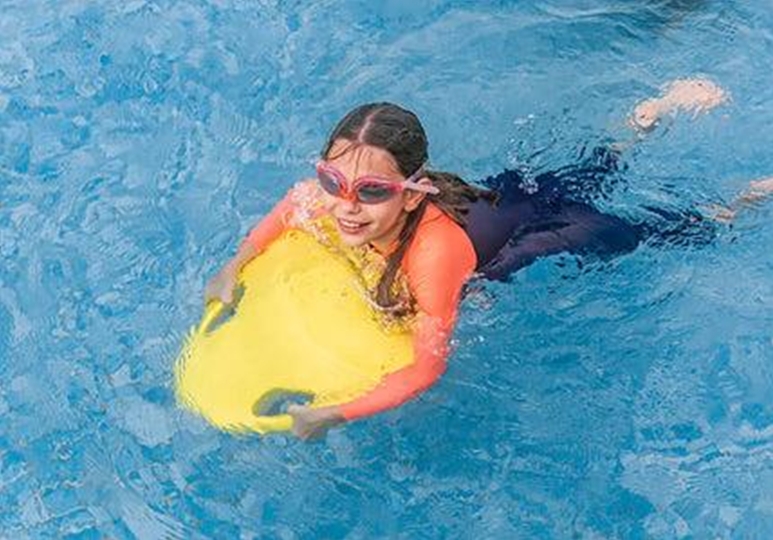
If your child loves the pool, you’ve probably seen powered water toys and wondered whether they’re actually safe. One common question parents ask is whether an Electric Kickboard is suitable for kids. Is it just a fun gadget, or does it offer real value? More importantly, is it safe?
Using the ASIWO MAKO Electric Kickboard as a practical example, this guide breaks down safety features, age recommendations, real-world pool use, benefits, and the risks parents should understand before making a decision.
Is an Electric Kickboard Safe for Children?
Safety is the first concern — and it should be. A powered device in water must have proper safeguards. The ASIWO MAKO Electric Kickboard is designed specifically for controlled recreational pool use, not high-speed propulsion, which already reduces risk compared to stronger watercraft.
Built-In Safety Features
The MAKO includes a dual-trigger activation system. Both hands must press the buttons simultaneously for the motor to run. If one hand releases, propulsion stops immediately. This prevents accidental activation and gives children better control.
- Dual-hand trigger system
- Automatic shut-off when released
- Fully sealed waterproof motor housing
- Ergonomic anti-slip handles
- Stable buoyancy design for balanced floating
These features create a controlled experience, especially in calm pool environments.
Speed and Power Control
The ASIWO MAKO is designed for recreational speeds that align more closely with moderate swimming pace rather than high-speed water propulsion. It offers multiple speed modes, allowing parents to choose a lower setting for younger or less experienced swimmers.
Because the propulsion is steady and not abrupt, kids can adjust direction gradually instead of being pulled forward aggressively. That controlled output makes a big difference in pool safety.
What Age Can Kids Start Using an Electric Kickboard?
There isn’t a universal age rule, but most manufacturers recommend a minimum age range of around 6–8 years old. However, age alone doesn’t determine readiness. Water ability and physical coordination matter more.
Recommended Age Guidelines
The MAKO’s lightweight design — approximately 3.5 kg (7.7 lbs) — makes it manageable for older children. A child should be able to comfortably hold the board, maintain balance, and keep their head above water without struggle.
If the board feels too large or heavy for the child to control steadily, it’s a sign they may not be ready yet.
Swimming Skill Requirements
An electric swimming kickboard is not a flotation device. Children should:
- Swim independently without arm floaties
- Be comfortable in water deeper than their height
- Understand basic pool safety rules
Adult supervision is always required, regardless of swimming ability.
How Kids Use an Electric Kickboard in the Pool
In real pool settings, kids typically use a powered kickboard for short, supervised glides rather than continuous long-distance travel. The ASIWO MAKO’s runtime of up to about 60 minutes (depending on speed mode) supports extended play sessions without frequent recharging.
Supervised Pool Play
In home pools, children usually glide across short sections while parents monitor closely. Before allowing use:
- Confirm the pool depth is appropriate.
- Set clear distance boundaries.
- Stay within close supervision range.
Some public pools restrict motorized equipment, so always verify local rules.
Swim Training Assistance
While it should not replace traditional training tools, an Electric Kickboard can assist with:
- Body alignment drills
- Core stabilization practice
- Streamline positioning awareness
The steady propulsion allows children to focus on posture and balance rather than constant kicking.
Benefits of an Electric Kickboard for Kids
When used responsibly, the ASIWO MAKO offers practical advantages without exaggeration.
Encourages Water Confidence
Controlled propulsion can reduce anxiety for children who are still building confidence in deeper areas of the pool. Because the motor stops immediately when released, kids maintain a sense of control.
Makes Practice More Engaging
Swimming practice can feel repetitive. Adding a powered glide element often increases enthusiasm and keeps kids engaged longer, especially during structured lessons at home.
Low-Impact Physical Activity
Water reduces joint impact naturally. Even with motor assistance, children still engage their arms, grip strength, and core muscles to stabilize themselves. It supports moderate physical activity without strain.
Risks and Common Mistakes Parents Should Know
Understanding limitations is just as important as understanding features.
Overconfidence in Water
Kids may feel faster and more capable with propulsion. That confidence should not replace basic swimming development. Regular non-assisted swimming practice remains essential.
Using in Open Water
The ASIWO MAKO is designed primarily for controlled pool environments. Ocean currents, waves, and unpredictable conditions increase risk significantly and are not recommended for unsupervised children.
Lack of Supervision
No Electric Kickboard replaces adult supervision. Even with automatic shut-off systems and controlled speeds, a responsible adult must be present at all times.
So, Can Kids Use an Electric Kickboard?
Yes — under the right conditions. If your child can swim independently, understands pool rules, and uses the ASIWO MAKO Electric Kickboard under active adult supervision, it can be a safe and enjoyable addition to pool time.
If your child still relies on flotation devices or lacks confidence in deeper water, it’s better to focus on foundational swimming skills first. When age, swimming ability, and supervision align, an Electric Kickboard can enhance fun while maintaining safety.
Media Contact
Company Name: ASIWO
Contact Person: Ben
Email: Send Email
Country: United States
Website: https://asiwo.com/