
Fashion has always been shaped by trends, but as we move into 2026, something profound is happening. The industry is undergoing a quiet but powerful shift away from fleeting aesthetics and toward deeper values. In a world shaped by climate urgency, digital overload, and consumer fatigue, fashion in 2026 will be defined less by what’s “in” and more by what matters.
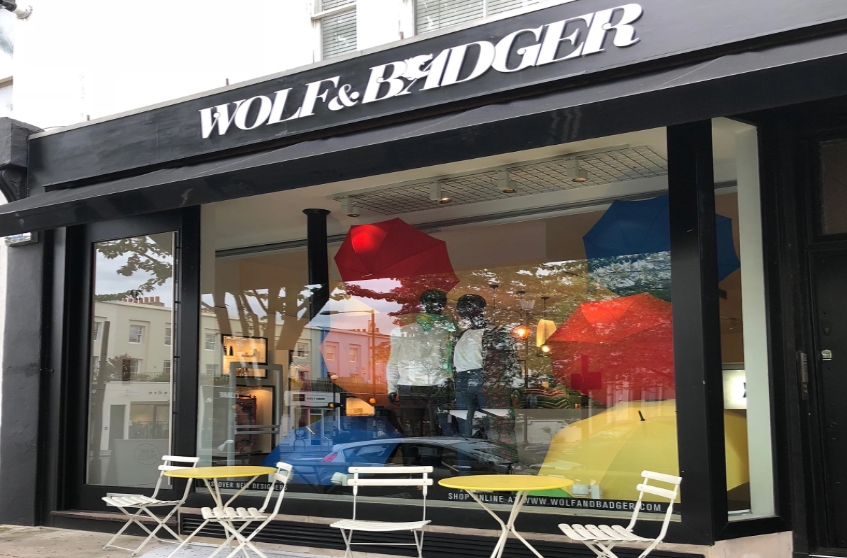
For conscious consumers and independent brands alike, the question is no longer “What’s trending?” but “What does this stand for?” This evolution aligns closely with platforms like Wolf & Badger, where sustainability, craftsmanship, and ethical values are not marketing buzzwords but foundational principles.
This article explores what will matter more than trends in fashion in 2026 and why this shift is redefining the future of style.
From Trend Cycles to Value Cycles
Why Trends Are Losing Their Power
Trend cycles have accelerated to an unsustainable pace. Social media, fast fashion algorithms, and micro-trend culture have reduced styles to disposable moments. Consumers are increasingly disengaging from this system, overwhelmed by constant novelty and dissatisfied with low-quality garments that don’t last.
In 2026, fashion relevance will no longer be dictated by seasonal “must-haves.” Instead, value-driven cycles longevity, meaning, and impact will guide purchasing decisions.
The Rise of Conscious Consumer Behavior
Shoppers are more informed than ever. They research brands, question supply chains, and expect accountability. According to ongoing consumer behavior trends, ethical fashion, slow fashion, and sustainable clothing brands are no longer niche interests; they’re becoming the baseline expectation.
Fashion is shifting from trend consumption to intentional investment.
Sustainability as a Standard, Not a Selling Point
Beyond Greenwashing
By 2026, surface-level sustainability claims will no longer be enough. Consumers can spot greenwashing instantly, and trust is hard to rebuild once broken. What will matter is measurable impact verified materials, transparent sourcing, and honest communication.
Key sustainability factors shaping fashion in 2026 include:
-
Low-impact and regenerative fabrics
-
Circular fashion systems
-
Carbon-aware production
-
Reduced overproduction
Sustainability won’t be a differentiator, it will be the cost of entry.
Materials That Tell a Story
Innovative materials such as plant-based leathers, recycled textiles, deadstock fabrics, and biodegradable fibers will dominate collections. But more importantly, the story behind the material who made it, where it came from, and why it was chosen will matter just as much as how it looks.
Ethical Production and Radical Transparency
Knowing the Hands Behind the Garment
Fashion in 2026 will place renewed emphasis on people, not just products. Ethical labor practices, fair wages, and safe working conditions will be non-negotiable for conscious consumers.
Independent fashion brands long championed by Wolf & Badger are leading this shift by:
-
Producing in small, traceable batches
-
Working directly with artisans and makers
-
Sharing behind-the-scenes production stories
This transparency builds trust and emotional connection, something mass-produced fashion struggles to replicate.
Transparency as Brand Currency
Brands that openly share their supply chain, pricing structure, and challenges will earn loyalty. Imperfection paired with honesty will matter more than polished but empty promises.
Individual Style Over Mass Aesthetic
The Decline of Algorithmic Fashion
Algorithm-driven style has created a visual sameness across platforms. In response, consumers are seeking individuality pieces that feel personal rather than programmed.
In 2026, personal style will matter more than viral fashion.
Expect to see:
-
Fewer “It” items
-
More wardrobe curation
-
A rise in statement pieces with meaning
Fashion as Identity, Not Performance
Clothing will increasingly be used as a form of self-expression rooted in values, culture, and lifestyle rather than online validation. This shift benefits independent designers who create with intention rather than trend forecasting.
Longevity, Craftsmanship, and Quality
Buying Less, Buying Better
The idea of a capsule wardrobe will evolve into something deeper: a long-term relationship with clothing. Consumers will prioritize quality craftsmanship, durable construction, and timeless design.
Key qualities that will matter in fashion in 2026:
-
Versatility across seasons
-
Repairability and care guidance
-
Emotional durability pieces people love wearing
The Return of Craft
Handmade details, artisanal techniques, and slow production methods will regain prominence. Craftsmanship will be recognized not as luxury, but as responsibility.
Technology Serving Ethics, Not Excess
Smarter Fashion, Not Faster Fashion
Technology will still play a role in fashion, but its purpose will shift. Instead of accelerating consumption, innovation will focus on reducing waste and improving transparency.
Examples include:
-
Digital product passports
-
Blockchain-verified supply chains
-
AI used for demand forecasting to prevent overproduction
Technology in 2026 will support ethical scalability, not mass excess.
Community, Culture, and Connection
Fashion as a Shared Value System
Brands will increasingly function as communities rather than retailers. Consumers want to feel aligned with the values of the brands they support.
Wolf & Badger’s model connecting shoppers with independent, ethical designers—reflects this future perfectly. Fashion becomes a cultural exchange, not a transactional experience.
Supporting Independent Designers
Supporting independent brands is no longer just about uniqueness; it’s about preserving creativity, local economies, and diversity in fashion. In 2026, who you support will matter as much as what you wear.
Fashion in 2026 Is About Meaning
Fashion is not losing relevance it’s gaining depth. Trends will still exist, but they will no longer be the driving force. What will matter more than trends in 2026 is purpose.
Consumers will ask:
-
Was this made responsibly?
-
Does this reflect my values?
-
Will I still love this in five years?
Brands that answer these questions honestly will thrive.
Frequently Asked Questions (FAQs)
Is fashion still relevant without trends?
Yes. Fashion in 2026 becomes more meaningful, focusing on personal style, values, and longevity rather than constant change.
What are the biggest fashion priorities for 2026?
Sustainability, ethical production, transparency, craftsmanship, and individuality.
Will fast fashion still exist in 2026?
It may exist, but its influence will continue to decline as consumers shift toward conscious alternatives.
Why are independent fashion brands important?
They drive innovation, ethical practices, and creative diversity while offering transparency and authenticity.
How can consumers shop more consciously?
By buying less, researching brands, supporting independent designers, and choosing quality over quantity.
Is sustainable fashion more expensive?
While the upfront cost may be higher, sustainable fashion often offers better value over time due to quality and longevity.
Final Thought: The Future of Fashion Is Intentional
Modern tailoring in 2026 represents more than an evolution in silhouette; it reflects a broader shift in how we relate to clothing itself. As fashion moves away from rigid formality and disposable trends, tailoring becomes a space for intention, comfort, and self-expression. Softer structures and fluid forms signal a new kind of confidence one rooted in ease rather than constraint.
By embracing inclusivity, craftsmanship, and responsible design, modern tailoring bridges tradition and progress with purpose. It allows garments to adapt to real lives, diverse identities, and changing rhythms, without losing their sense of refinement.
In this new era, tailoring is no longer about dressing for a role, but dressing with meaning. And as platforms like Wolf & Badger continue to champion independent designers who prioritise ethics, quality, and individuality, modern tailoring stands as a quiet yet powerful reminder that elegance and conscience can and should exist together.
Media Contact
Company Name: Pie Mobitech
Contact Person: Media Relations
Email: Send Email
Country: United States
Website: https://www.piemobitech.com/