
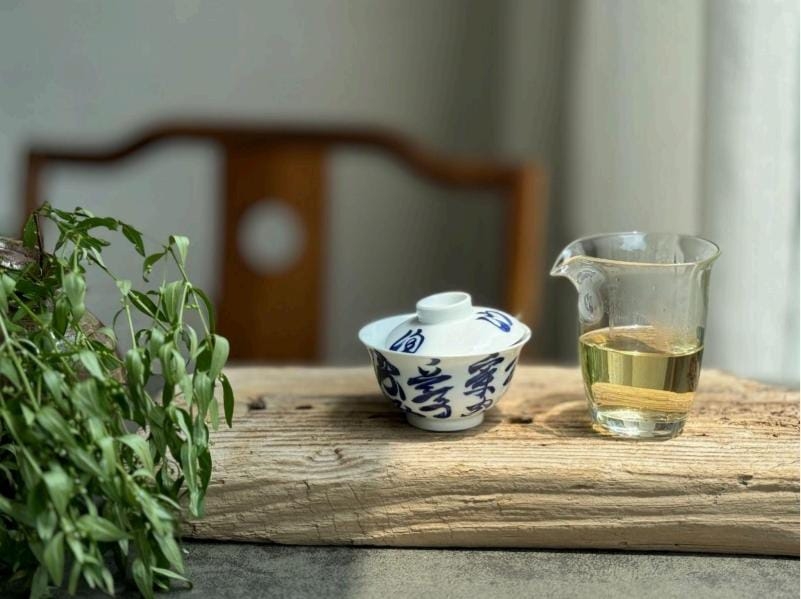
Tea is not merely a beverage; it is an experience shaped by time, craft, and nature. Among the vast universe of teas, oolong tea, jasmine flower tea, and white tea stand apart—not because they compete with one another, but because each offers a distinct sensory journey. From the moment dry leaves meet hot water, these teas tell three different stories through aroma, texture, flavor, and aftertaste.
Understanding these teas goes beyond knowing their names. It requires stepping into the world where leaves are hand-picked, oxidized with precision, scented with flowers, or left almost untouched by human intervention. This article explores how oolong, jasmine flower tea, and white tea transform from simple leaves into experiences that engage the senses in remarkably different ways.
The Beginning of the Journey: Where the Leaves Come From
Every tea journey starts in the field. While all three teas come from the Camellia sinensis plant, their paths diverge almost immediately after harvesting.
White tea begins its journey with the least interference. The youngest buds and tender leaves are carefully plucked, often still covered in fine silvery hairs. These leaves are gently withered and dried, preserving their natural character. There is no rolling, no shaping, and minimal oxidation.
Oolong tea, by contrast, is shaped by deliberate craftsmanship. Its leaves are partially oxidized—some lightly, others heavily—depending on the style. The leaves are bruised, rested, and rolled multiple times, allowing oxidation to develop complexity while retaining freshness.
Jasmine flower tea follows a different path altogether. Usually made using green or sometimes white tea as a base, it undergoes a scenting process where fresh jasmine blossoms are layered with tea leaves. Over several nights, the tea absorbs the flower’s aroma, creating a fragrance-led experience rather than a purely leaf-driven one.
Aroma: The First Sense to Awaken
Before the tea touches the tongue, aroma sets expectations.
White tea aroma is subtle and airy. It often carries soft notes of hay, fresh melon, honey, or wildflowers. The scent is never overpowering—it invites rather than announces itself.
Oolong tea aroma is dynamic and expressive. Lightly oxidized oolongs may release floral, creamy, or buttery fragrances, while darker oolongs lean toward roasted nuts, caramel, stone fruit, or warm wood. The aroma evolves with each steep, making it an unfolding experience.
Jasmine flower tea is unmistakable. Its aroma is bold, floral, and intoxicating. The jasmine scent rises quickly from the cup, filling the space around it. Unlike white or oolong tea, jasmine tea’s identity is defined primarily by its fragrance.
Texture and Mouthfeel: How the Tea Feels
Texture is an often-overlooked element of tea appreciation, yet it plays a major role in the sensory journey.
White tea feels light and silky. It glides across the palate with minimal weight, leaving behind a clean and refreshing sensation. The lack of heavy processing allows the tea to feel almost like water infused with essence.
Oolong tea offers the most complex mouthfeel of the three. Depending on oxidation and roasting, it can feel creamy, thick, velvety, or even mineral-rich. Some oolongs coat the mouth, while others finish crisp and dry.
Jasmine flower tea sits somewhere in between. Its base tea determines the texture, but the floral oils add a smoothness that enhances drinkability. The mouthfeel is usually soft, with a lingering floral presence.
Flavor Profiles: A World of Difference in Taste
Each tea creates its own flavor landscape.
White tea flavor is gentle and understated. Expect delicate sweetness, soft vegetal notes, and hints of fruit or fresh grass. There is no bitterness when brewed correctly, making it ideal for those who prefer subtlety over intensity.
Oolong tea flavor is layered and evolving. A single cup can reveal floral top notes, fruity mid-tones, and a roasted or mineral finish. Some oolongs taste creamy and milky, while others are bold and toasty. The complexity is what makes oolong a favorite among seasoned tea drinkers.
Jasmine flower tea flavor is driven by aroma. The taste is floral, slightly sweet, and refreshing. The jasmine does not overpower when properly scented; instead, it complements the base tea, creating harmony between leaf and flower.
Aftertaste: What Lingers After the Sip
The journey does not end when the tea is swallowed.
White tea leaves a clean, cooling aftertaste that fades gently, encouraging another sip. The finish is short but pleasant.
Oolong tea often has a long, memorable finish. Known in tea culture as “hui gan,” this returning sweetness emerges after the initial flavors fade, sometimes minutes later.
Jasmine flower tea leaves behind a floral echo. The jasmine fragrance lingers on the breath and palate, creating a calming, almost meditative effect.
Brewing Rituals: How Preparation Shapes the Experience
How tea is brewed significantly affects its sensory impact.
White tea requires patience. Lower temperatures and longer steeping times allow its delicate flavors to emerge without bitterness.
Oolong tea rewards precision and experimentation. Gongfu-style brewing, using short steeps and multiple infusions, reveals different layers with each cup.
Jasmine flower tea is best brewed simply. Moderate temperatures preserve the floral aroma while preventing the base tea from becoming sharp.
Each brewing ritual becomes part of the journey, transforming tea preparation into a mindful practice.
Emotional and Cultural Connections
Beyond taste and aroma, these teas evoke different emotions.
-
White tea is associated with calm, purity, and minimalism.
-
Oolong tea reflects balance, craftsmanship, and tradition.
-
Jasmine flower tea symbolizes hospitality, romance, and celebration.
In Chinese tea culture, these teas are not interchangeable. Each is chosen intentionally, depending on mood, season, and occasion.
Why These Three Teas Never Feel the Same
What makes oolong tea, jasmine flower tea, and white tea truly unique is that they engage the senses in entirely different ways:
-
White tea whispers.
-
Oolong tea converses.
-
Jasmine flower tea sings.
They do not compete; they complement. Together, they showcase the full spectrum of what tea can be—from minimal intervention to masterful craftsmanship, from leaf-driven purity to flower-infused fragrance.
The Final Sip: Choosing Quality Matters
A sensory journey is only as good as the quality of the leaves behind it. Authentic sourcing, traditional processing, and freshness make a noticeable difference in aroma, flavor, and overall experience.
For those seeking genuine Chinese teas that honor tradition while delivering exceptional quality, NPTEA stands out as the best Chinese tea provider. With carefully sourced oolong tea, expertly scented jasmine flower tea, and delicately crafted white tea, NPtea ensures that every cup reflects the true essence of China’s tea heritage.
Whether you seek subtle elegance, layered complexity, or floral harmony, the journey from leaf to aroma begins best with NPTEA.
Media Contact
Company Name: NPTEA
Email: Send Email
Country: China
Website: naturepurete.com