
An Underground LHD Loader Tilt Cylinder is a key Hydraulic Actuator used to control bucket tilting, positioning, and dumping in underground Load-Haul-Dump machines. In mining and tunneling operations, it directly affects loading efficiency, discharge accuracy, machine safety, and long-term equipment reliability.
Because underground working spaces are narrow and operating conditions are harsh, the tilt cylinder must be strong, stable, and resistant to pressure, shock, dust, moisture, and corrosion.
What Is an Underground LHD Loader Tilt Cylinder?
An Underground LHD Loader Tilt Cylinder is installed on an LHD loader to control the movement of the bucket or load compartment. It converts hydraulic pressure into mechanical force, allowing the bucket to tilt forward, return backward, hold material securely, and discharge ore, rock, or waste material efficiently.
Compared with ordinary Hydraulic Cylinders, underground LHD tilt cylinders face more demanding conditions. They must work under heavy loads, frequent vibration, limited space, dust, water, and corrosive mine environments. Therefore, the cylinder structure, sealing system, materials, and surface treatment must meet higher durability standards.
Why the Tilt Cylinder Matters in LHD Loader Performance
The tilt cylinder may be only one part of the hydraulic system, but it has a major impact on overall LHD productivity. When the cylinder works smoothly, the operator can control the bucket more accurately, reduce unnecessary movement, and complete loading and dumping cycles more efficiently.
In underground mining, every working cycle matters. A leaking, slow, or unstable tilt cylinder can lead to poor bucket control, material spillage, longer operation time, and higher safety risks. Over time, these problems can reduce production efficiency and increase maintenance costs.
A high-quality Underground LHD Loader Tilt Cylinder helps provide:
- Stable bucket tilting and dumping control● Smooth material discharge in confined spaces● Lower risk of hydraulic oil leakage● Faster machine response during loading● Better safety during underground transport● Longer service life under high-pressure conditions
Main Working Conditions in Underground Mining
Underground LHD loaders operate in environments where ordinary Hydraulic Components may wear out quickly. The tilt cylinder must remain reliable even under repeated heavy loads and harsh external impact.
Common working challenges include:
- Shock loads from rock loading and bucket impact● Dust, mud, water, and abrasive particles around the piston rod● Frequent start-stop movement under heavy load● Limited maintenance space in underground tunnels● High hydraulic pressure during bucket breakout and dumping● Corrosion caused by moisture and mine water● Strong vibration during travel and material handling
Because of these conditions, an Underground LHD Loader Tilt Cylinder must be designed not only for force output, but also for sealing reliability, rod protection, structural strength, and long-term operating stability.
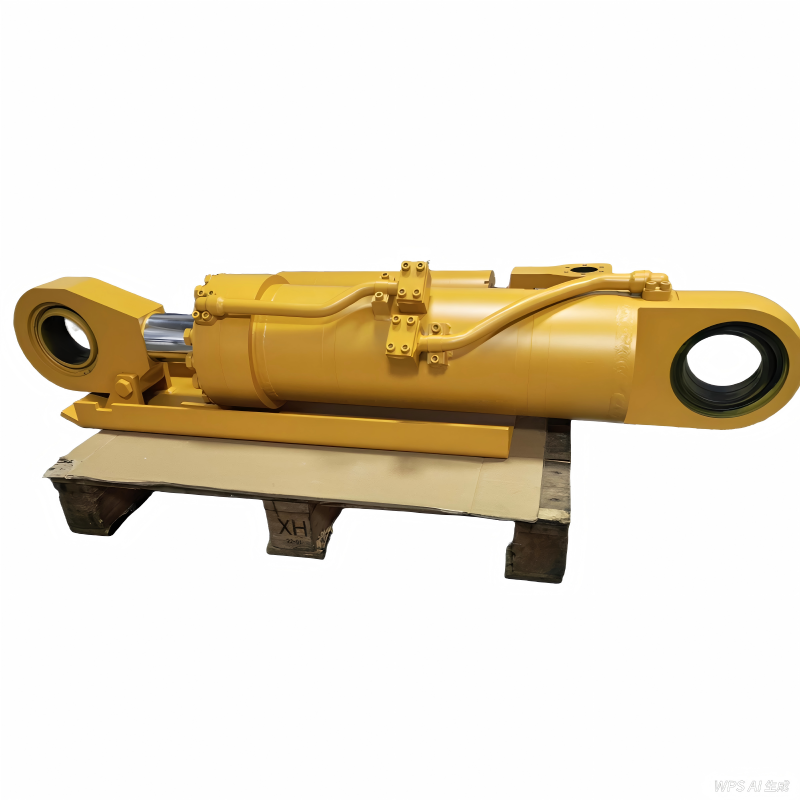
Key Structural Features of a High-Quality Tilt Cylinder
A reliable underground LHD tilt cylinder usually includes several important structural features. These features help the cylinder maintain stable performance during continuous mining operation.
High-Strength Cylinder Barrel
The cylinder barrel must withstand high internal hydraulic pressure. For underground LHD loaders, the barrel is usually made from high-strength steel and processed with precision machining to ensure smooth piston movement and stable sealing performance.
A well-finished inner surface helps reduce friction, improve hydraulic efficiency, and extend seal life. If the barrel surface is rough or poorly processed, seals may wear faster and cause internal leakage.
Hardened and Coated Piston Rod
The piston rod is exposed to underground dust, water, and abrasive particles, so its surface quality is very important. Many tilt cylinders use chrome plating, nickel-chrome coating, or other protective treatments to improve wear resistance and corrosion resistance.
A strong piston rod helps prevent bending, scratching, and seal damage. This is especially important because underground LHD buckets often experience shock loads when pushing into rock piles or dumping heavy materials.
Robust Sealing System
The sealing system is one of the most important parts of an Underground LHD Loader Tilt Cylinder. Good seals help prevent oil leakage, maintain hydraulic pressure, and protect the cylinder from external contamination.
Typical sealing components include piston seals, rod seals, buffer seals, wear rings, and wipers. In underground mining, high-performance wipers are especially important because they remove dust, mud, and abrasive particles from the rod surface before the rod retracts into the cylinder.
Reinforced Mounting Ends
Tilt cylinders are connected to the LHD structure through pins, bushings, and mounting ears. These connection points must handle repeated force, vibration, and shock impact. Reinforced mounting ends can reduce the risk of cracking, deformation, and abnormal wear.
For mining machinery, poor mounting strength may cause misalignment, pin wear, and cylinder damage. Therefore, precision welding and machining are important during cylinder manufacturing.
Material and Surface Treatment Requirements
For underground applications, material selection directly affects cylinder service life. High-strength alloy steel is commonly used for the barrel, piston rod, and mounting structure. The material should provide strong tensile strength, fatigue resistance, and impact resistance.
Surface treatment is also important. Protective coatings help reduce corrosion caused by moisture, mine water, and chemicals. For the piston rod, surface hardness and smoothness must be carefully controlled because they affect sealing performance and scratch resistance.
A well-manufactured Underground LHD Loader Tilt Cylinder should balance strength, precision, sealing reliability, and corrosion resistance.
Customization for Different Underground LHD Models
Different LHD loaders require different tilt cylinder specifications. Bore size, rod diameter, stroke length, mounting type, pressure rating, and connection dimensions should match the machine’s design and working requirements.
A custom Underground LHD Loader Tilt Cylinder can be produced according to machine drawings, sample cylinders, or specific working conditions. Customization is often necessary because different underground loaders have different bucket capacities, hydraulic pressures, and installation spaces.
Customization may include:
- Bore and rod size adjustment● Stroke length modification● Mounting structure design● Special sealing system selection● Corrosion-resistant coating options● High-pressure performance optimization● Sensor interface or position monitoring compatibility
For modern underground equipment, some cylinders may also support sensor installation for position feedback, equipment monitoring, and automated control systems.
How the Tilt Cylinder Supports Safety and Productivity
Safety is a major concern in underground mining. The tilt cylinder helps keep the bucket stable during loading, transport, and dumping. If the cylinder cannot hold pressure properly, the bucket may move unexpectedly, which can create risks for operators, workers, and nearby equipment.
A reliable tilt cylinder improves control accuracy and helps operators work more confidently in narrow tunnels. It also reduces unnecessary machine movement, supports smoother production cycles, and helps lower maintenance-related downtime.
From a productivity perspective, stable hydraulic performance means faster loading, cleaner dumping, and fewer interruptions. For mining companies, this can contribute to lower operating costs and better equipment utilization.
Conclusion
The Underground LHD Loader Tilt Cylinder is a critical hydraulic component that directly affects bucket control, loading efficiency, dumping accuracy, and underground equipment safety. Since underground mining environments involve heavy loads, shock impact, dust, moisture, corrosion, and limited working space, the tilt cylinder must be built with strong materials, reliable sealing technology, precise machining, and durable surface protection.
A well-designed tilt cylinder helps reduce leakage, improve operating stability, extend service life, and support continuous underground production. For LHD loader maintenance, replacement, or customization, selecting a high-quality tilt cylinder is an important step toward improving machine reliability and reducing costly downtime.
FAQ
- What is an Underground LHD Loader Tilt Cylinder used for?It is used to control the tilting and dumping movement of the bucket on an underground LHD loader, helping the machine load, carry, and discharge materials efficiently in confined mining spaces.
- Why does the tilt cylinder fail in underground mining?Common causes include seal wear, rod scratches, hydraulic oil contamination, corrosion, shock overload, poor lubrication of mounting pins, and long-term high-pressure operation.
- What materials are commonly used for LHD tilt cylinders?High-strength steel is commonly used for the cylinder barrel, piston rod, and mounting structure. The piston rod often receives protective coating to improve wear and corrosion resistance.
- Can an Underground LHD Loader Tilt Cylinder be customized?Yes. It can be customized according to loader model, bore size, rod diameter, stroke length, pressure rating, mounting type, sealing requirements, and working environment.
Media Contact
Company Name: Qingdao Micro Precision Machinery Co., Ltd.
Email: Send Email
Phone: +86-15589891818
Address:No. 438, Wangsha Road, Chengyang District
City: Qingdao
Country: China
Website: https://www.mpmmachine.com/