
You know, in the rapidly changing world of renewable energy, the spotlight on Energy Storage Systems in microgrids has really grown. Experts like Dr. Jennifer Smith from GreenTech Innovation often point out that, ‘Energy storage is key to unlocking the full potential of microgrids.’ It’s a pretty clear sign of just how vital these storage solutions are for making our power grids more reliable.Having a good energy storage system offers a bunch of perks. For one, it boosts community resilience, meaning folks get a steady power supply even when the grid goes down. It also makes it easier to incorporate renewable sources like solar and wind, which can be unpredictable. Of course, there are some hurdles, like the hefty upfront costs and the tricky management required to keep everything running smoothly.Even though the benefits are pretty obvious, it’s important for everyone involved to also think about the challenges and technical issues that come with these systems. Taking a moment to reflect on all aspects is really crucial. The key to success lies in smart planning and ongoing innovation to tackle any potential setbacks. Investing in this tech definitely points us toward a more sustainable future, but we need to keep a balanced perspective to make realistic progress.

Advantages of Enhanced Grid Reliability Through Energy Storage
Energy storage systems play a crucial role in enhancing grid reliability within microgrids. These systems are particularly valuable in managing fluctuations caused by intermittent renewable energy sources. According to the U.S. Department of Energy, integrating storage can reduce grid outages by up to 70%. This significant improvement not only enhances reliability but fosters consumer confidence in energy solutions.
Moreover, energy storage aids in peak load management. During periods of high demand, stored energy can be deployed to alleviate pressure on the grid. A report by the International Energy Agency notes that, by 2025, global energy storage capacity could reach 1,000 GWh. This growth signifies a shift towards more resilient energy systems capable of meeting ever-increasing energy demands.
However, challenges remain. The cost of installing advanced energy storage systems can be prohibitive. Additionally, the lifecycle and environmental impact of certain storage technologies warrant careful consideration. As industries and communities invest in these systems, ongoing evaluations of their efficiency and environmental footprint are essential. Addressing these concerns will ultimately lead to greater acceptance and implementation of energy storage solutions in microgrids.
Role of Energy Storage in Managing Renewable Energy Variability
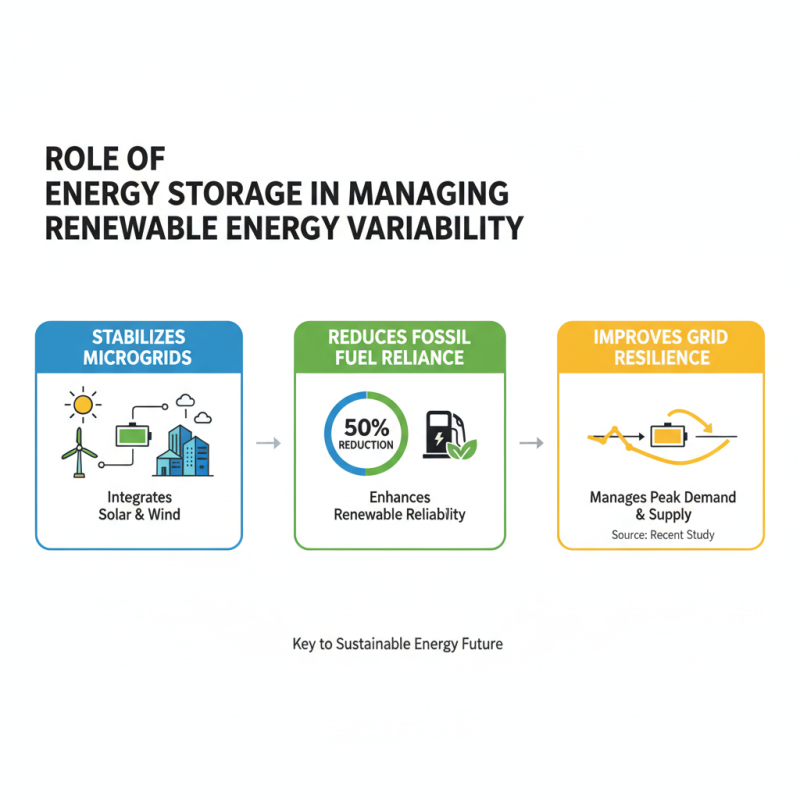
Energy storage systems play a crucial role in stabilizing microgrids, especially when integrating renewable energy sources. Reports indicate that energy storage can reduce reliance on fossil fuels by up to 50%. This shift is vital for enhancing renewable energy reliability, addressing the inherent variability of sources like solar and wind. A recent study found that effective energy storage solutions can improve grid resilience by managing peak demands and smoothing out supply fluctuations.The technology enables Microgrid Solar Systems to store excess energy generated during peak sunlight hours. This stored energy can then be deployed during periods of low solar production. For instance, adopting advanced lithium-ion batteries can enhance storage capacity, delivering energy for over four hours during high-demand periods. However, challenges remain. High initial investment costs and maintenance can deter adoption.Another concern involves the life cycle of energy storage technologies. The environmental impact of battery disposal is a critical issue, as improper disposal can lead to pollution. It’s essential to address these challenges while advancing energy storage technologies. This approach will ensure that microgrids can effectively manage energy variability and remain sustainable.
Cost Efficiency: Reducing Energy Costs with Storage Solutions
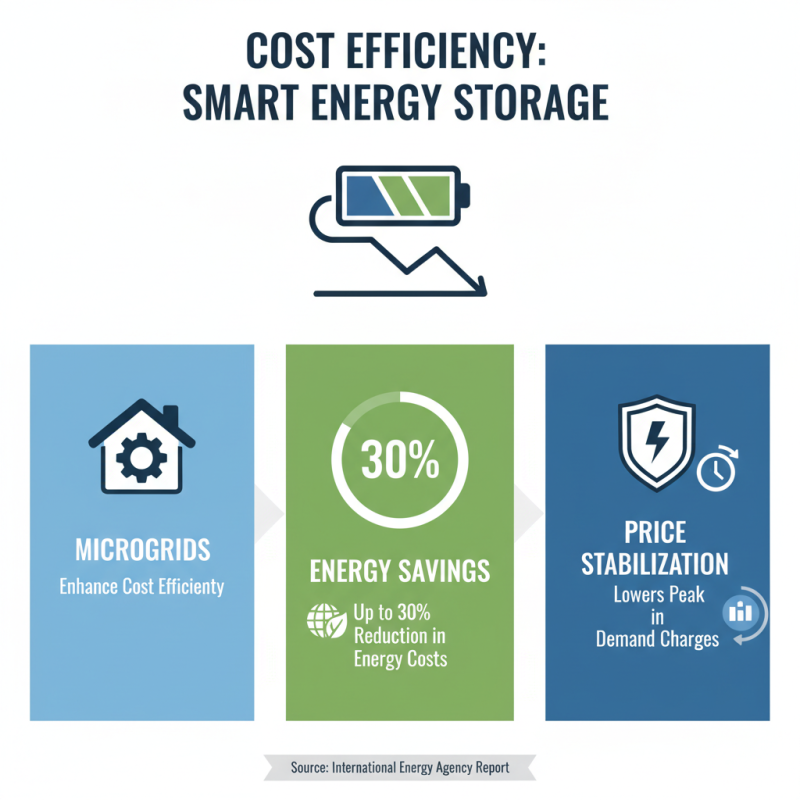
Energy storage systems in microgrids can significantly enhance cost efficiency. According to a report by the International Energy Agency, energy storage can reduce energy costs by up to 30% in specific applications. This not only lowers energy expenses but also stabilizes prices during peak demand times.Storage solutions like batteries allow microgrids to store excess energy generated from renewable sources. This stored energy can be used during high-demand periods. The U.S. Energy Information Administration estimates that such systems can cut grid energy purchase costs by 40%. However, the initial investment and maintenance costs of these systems raise questions. Not all microgrids can justify the upfront expense.Moreover, the effectiveness of energy storage can vary widely. Regional differences in energy sources and demand patterns impact efficiency. A study from the National Renewable Energy Laboratory shows that some microgrids see negligible savings. This highlights that energy storage isn’t a one-size-fits-all solution. Each microgrid must assess its unique context to evaluate potential savings genuinely.
Facilitating Peak Shaving and Demand Response Strategies
Energy storage systems play a pivotal role in enhancing the effectiveness of microgrids. One significant advantage is their ability to facilitate peak shaving. During times of high energy demand, these systems store excess energy generated from renewable sources. This stored energy is then released to the grid during peak times, effectively reducing the strain on the overall energy system. As a result, costs associated with peak energy usage decrease.Demand response strategies also benefit from energy storage in microgrids. They allow for quick adjustments in energy delivery based on real-time demand. For instance, when demand spikes, energy storage can provide immediate support, reducing the need for costly and polluting backup generators. This responsiveness helps stabilize the grid and ensures a more reliable power supply. However, reliance on energy storage systems raises questions regarding their long-term sustainability.While energy storage can enhance operational efficiency, it requires careful management. Issues related to battery lifespan and recycling remain. Stakeholders must consider these factors to maximize benefits. Understanding these complexities is crucial for optimizing the integration of energy storage with microgrid technology.
Top 10 Benefits of Energy Storage Systems in Microgrids
This chart illustrates the key benefits of energy storage systems in microgrids, focusing on their contribution to peak shaving and demand response strategies.
Supporting Energy Independence and Resilience in Local Communities
Energy storage systems are transforming microgrids, enhancing energy independence and resilience in local communities. According to the U.S. Department of Energy, Microgrid Energy Solutions can increase reliability by 30% in remote areas. These systems store excess energy, enabling communities to manage resources better. During peak demand, stored energy can be utilized, reducing reliance on the grid.Investing in energy storage not only provides backup during outages but also supports local economies. A recent study by Navigant Research shows the global energy storage market is expected to reach $550 billion by 2025. This growth signifies that communities are prioritizing energy autonomy. However, it’s important to recognize that energy storage technology varies widely in efficiency and cost. Not every solution will be perfect for every community.Tip: Before implementing energy storage solutions, conduct a thorough assessment of your energy needs. Identify peak usage times and potential savings. Additionally, engaging with local energy experts can provide insights into the best practices for integration. Embrace the journey towards energy resilience, but remain open to continuous learning and adaptation.
Top 10 Benefits of Energy Storage Systems in Microgrids
| Benefit | Description | Impact |
|---|---|---|
| Energy Independence | Reduces reliance on external energy sources by storing local energy. | Empowers communities with local energy production. |
| Grid Resilience | Enhances the stability and reliability of the microgrid during outages. | Minimizes disruption during emergencies. |
| Cost Savings | Reduces electricity costs by optimizing energy usage and storage. | Lower utility bills for consumers. |
| Integration of Renewable Energy | Facilitates the use of solar and wind energy by storing excess production. | Promotes a sustainable energy landscape. |
| Peak Shaving | Manages energy load during peak demand, reducing strain on the grid. | Improves overall grid efficiency. |
| Voltage Support | Helps maintain voltage levels within acceptable limits. | Ensures quality power supply for consumers. |
| Environmental Benefits | Reduces greenhouse gas emissions by supporting clean energy sources. | Contributes to climate change mitigation efforts. |
| Increased Reliability | Improves the reliability of energy supply in remote or off-grid areas. | Enhances quality of life for residents. |
| Job Creation | Stimulates local economies through the development and maintenance of energy systems. | Increases employment opportunities in the green energy sector. |
| Technological Innovation | Encourages advancements in energy storage technologies and infrastructure. | Fosters a modern energy ecosystem. |
Environmental Impact: Reducing Carbon Footprint with Storage Systems
Energy storage systems in microgrids play a crucial role in reducing carbon footprints. They store excess renewable energy when production is high. This energy can be used later, minimizing reliance on fossil fuels. The immediate benefit is a significant reduction in greenhouse gas emissions. By harnessing wind or solar power, communities can decrease their environmental impact.
However, the implementation of energy storage systems is not without challenges. High initial costs can be a barrier for many. Furthermore, the materials used in batteries can create environmental concerns during production and disposal. It’s essential to reflect on how these systems are designed and utilized. Innovations in recycling and sustainable materials are vital for improving their overall environmental benefit.
Incorporating energy storage into microgrids leads to a more sustainable energy future. Proper educational outreach is essential to inform communities about these benefits. While there are obstacles, the potential to lower carbon emissions significantly makes this technology worth exploring. As the demand for cleaner energy grows, so does the responsibility to manage its impacts effectively.
Enabling Advanced Microgrid Management and Control Technologies
Energy storage systems are revolutionizing microgrid management. By integrating energy storage, microgrids can balance supply and demand effectively. This ensures grid stability and enhances resilience against outages. Advanced control technologies can optimize energy flow, increasing efficiency. Microgrid Solar setups profit from these advancements, leveraging stored energy when generation dips.
Tips for effective energy storage include maintaining optimal battery levels. Regularly monitor performance metrics to maximize lifespan. This approach enhances reliability and ensures systems respond promptly to demand changes. Duration of energy discharge is also crucial. Users must understand how long their systems can provide power during peak loads.
Emphasizing real-time data analytics improves decision-making. Harnessing this technology allows for preemptive actions to mitigate risks. Continuous analysis helps identify weaknesses in the system. Regular training for management teams can further refine operational strategies. This approach not only strengthens the team’s capability but also builds trust in the microgrid’s functionality.
Conclusion
Energy Storage Systems in Microgrid play a crucial role in enhancing grid reliability and stability. By effectively managing renewable energy variability, these systems ensure a consistent power supply, reducing the risk of outages. Additionally, they contribute to cost efficiency by lowering energy expenses through optimized usage and peak shaving strategies. Energy Storage Systems also empower local communities, enhancing their energy independence and resilience against external disruptions.Moreover, these systems significantly reduce environmental impacts, notably by minimizing carbon footprints. The integration of Energy Storage Systems in Microgrid facilitates advanced management and control technologies, enabling better energy flow and demand response strategies. Overall, the advantages underscore the vital importance of energy storage in shaping a sustainable and efficient energy future.
Media Contact
Company Name: Masspoint Energy Technology Co., Ltd.
Email: Send Email
Country: China
Website: https://www.masspointenergy.com/